

What Is Happening Right Now
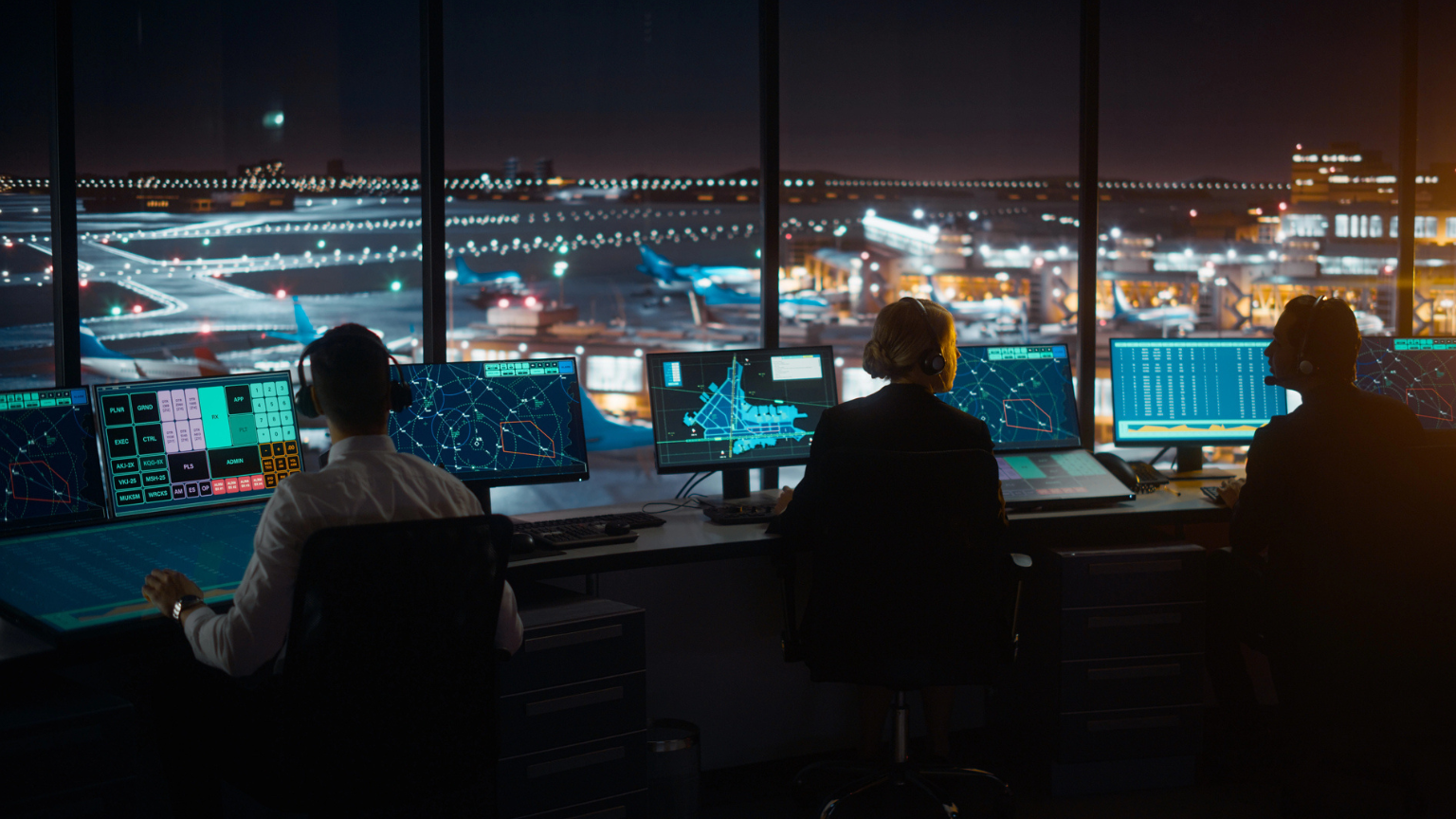
Air traffic controllers in New York City and across the country are sounding the alarm as the federal government shutdown moves into its third week. Members of the National Air Traffic Controllers Association spent Tuesday morning handing out flyers at airports, including LaGuardia, to explain how the funding lapse is affecting staffing and safety. Controllers say they just received partial paychecks and are preparing for the possibility of working without pay if the stalemate continues. They describe the job as stressful in normal times and say missed paychecks add pressure that can affect focus and morale. Travelers told local reporters they have not seen huge impacts yet, but many believe delays will build if the shutdown drags on. The FAA confirmed that staffing shortages have increased and that the agency slows traffic into some airports to keep operations safe when facilities are short.
Why Controllers Are Worried
The union represents nearly twenty thousand controllers and says the shutdown amplifies an existing shortage. During the last shutdown, many controllers took second jobs to cover bills, which led to exhaustion and strained schedules. Training classes have paused again, which means fewer new controllers will enter the system this year to replace retirements and transfers. The union also points to delayed maintenance and modernization work, including airworthiness directives that keep equipment reliable and procedures current. Leaders say the ripple effects reach every part of the National Airspace System, from tower staffing to radar rooms that coordinate arrivals and departures. They want travelers to understand that safety comes first, but fewer people on position means the system must move more slowly to preserve that safety margin.
What That Means for LaGuardia and the NYC Airports
LaGuardia is one of the most complex airfields in the country, with tight runway layouts and heavy traffic throughout the day. When staffing dips, the FAA meters traffic into airports like LGA to avoid overload in the tower and approach control. That metering shows up as ground holds at origin airports, longer taxi times, and slower departure rates during peak hours. Controllers at LaGuardia say facilities remain staffed and committed to safety, but they cannot move the same number of flights as quickly when positions are thin. Recent data shared by elected officials suggests that controller shortages now account for a much higher share of flight delays than before the shutdown. Travelers may not notice during quiet periods, yet the strain becomes obvious on busy afternoons, in bad weather, or when multiple facilities run short at the same time.
What Travelers Should Expect in the Coming Days
If the shutdown continues, passengers should plan for more frequent ground delays and tighter connections at New York area airports. LaGuardia, JFK, and Newark can all feel the impact when one facility reduces its capacity, since traffic flows interlock across the region. The TSA says screening continues nationwide, but an extended shutdown could lengthen security lines as staffing adjusts to missed paychecks and schedule changes. The FAA may issue more traffic management initiatives on stormy days to keep workloads safe and predictable. Airlines will proactively widen block times or swap aircraft to manage disruptions, which can shift seat assignments and gate locations with little notice. Even if your flight leaves on time, you could encounter in air flow programs that space arrivals, so give yourself a cushion for meetings, events, and ground transportation.
How to Reduce Hassle If You Are Flying Soon
Book the earliest departure you can, since morning flights face fewer knock on delays from earlier disruptions. Build at least two hours for domestic connections at New York area airports and three hours for international, especially if you must change terminals. Download your airline’s app and enable notifications for gate changes, boarding time updates, and rebooking options during irregular operations. If you have a tight connection, ask an agent to place a backup booking on the next flight in case metering or weather slows your first leg. Clear security line uncertainty by arriving early, using TSA PreCheck if you have it, and checking current wait times before you leave for the airport. Keep essentials in your carry on, including medications, chargers, and a printed or saved copy of your itinerary in case systems slow down.
What Controllers Want Passengers and Lawmakers to Know
Controllers emphasize that they remain on position and focused on safety even as pay is delayed. They say the most effective way to protect the system is to restore funding so training, maintenance, and modernization projects can restart at full speed. The union is asking travelers to contact their representatives and describe how delays and uncertainty affect families and businesses. They also want airlines and airports to keep communication clear when traffic must slow for safety, rather than masking the cause as a generic delay. The message from the tower is simple. Safe operations require consistent staffing, steady pay, and ongoing training, and those building blocks are harder to maintain during a shutdown. Until a deal is reached, expect a system that runs, but runs more carefully, and plan your travel with extra time and patience.
Follow us on MSN for all your travel and lifestyle tips.
This article was written by Hunter and edited with AI Assistance