
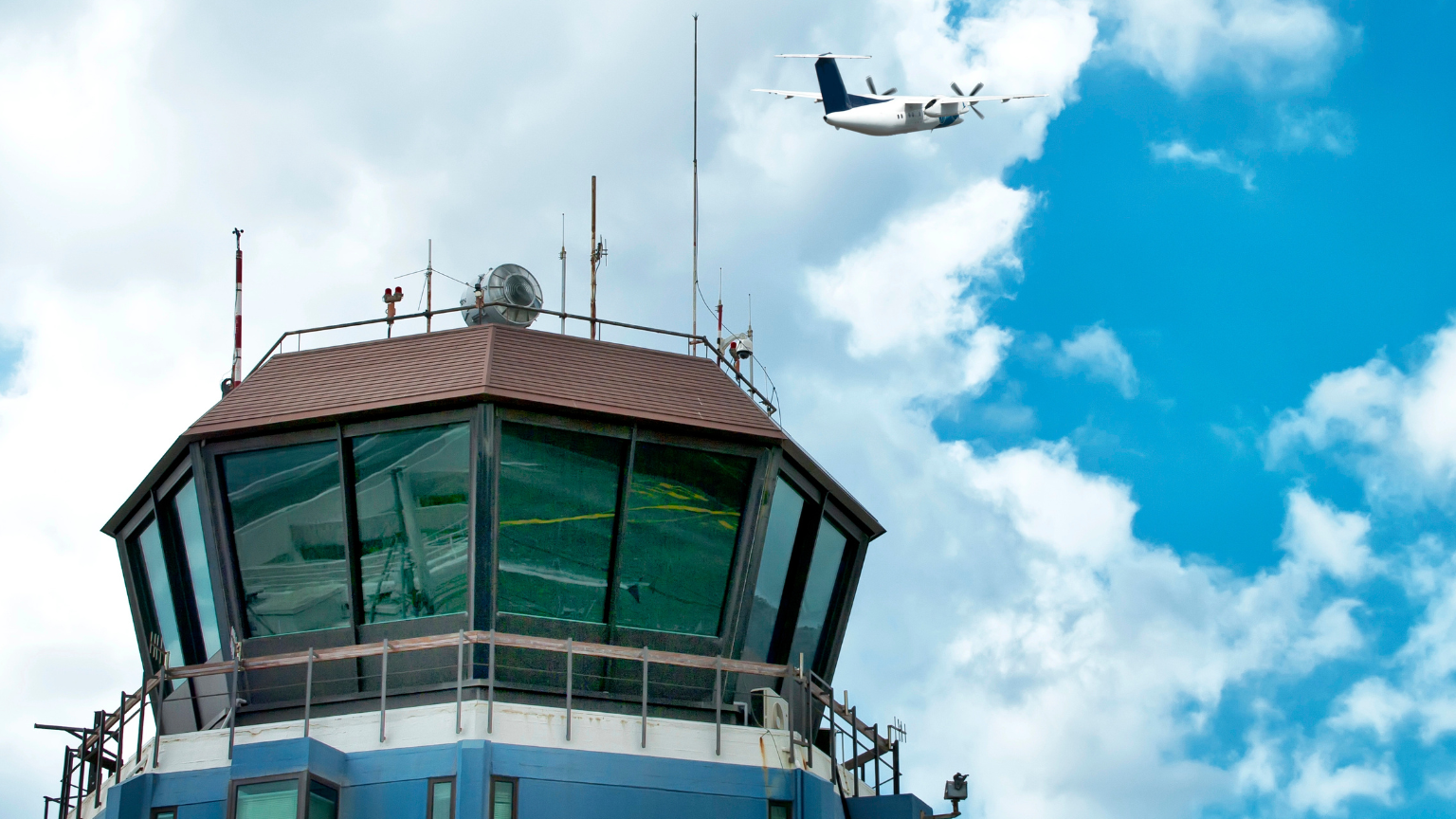

A Week Into the Shutdown, Disruptions Mount
Flight delays and cancellations are rising across the country as the government shutdown stretches into its second week. More air traffic controllers, who are deemed essential and must work without pay, have called out sick. With fewer people in towers and control centers, the Federal Aviation Administration has begun restricting the flow of flights to keep operations safe. The result is a growing wave of schedule disruptions at major airports and regional hubs alike. Travelers are feeling the impact at check-in desks, in security lines, and most of all at crowded gates waiting for aircraft to be cleared.
Nashville Becomes a Flashpoint
On Tuesday, the air traffic control tower responsible for the airspace over Nashville International Airport operated with extremely limited staffing. To keep traffic moving, the Memphis Air Route Traffic Control Center picked up some approach workloads normally handled in Nashville. Even with that support, flights in and out of Nashville ran more than two hours late on average by Tuesday evening. Photos from the terminal showed crowded concourses as arriving and departing traffic was reduced to match the controller availability.
Dallas and Chicago Also See Slower Operations
The staffing crunch was not limited to Tennessee. FAA advisories showed average delays of about 30 minutes in Dallas and roughly 40 minutes in Chicago on Tuesday. While these waits were shorter than Nashville’s, the slowdowns added stress to already tight schedules, creating missed connections and rolling delays for flights downline. The FAA has emphasized that it is metering traffic into some airports to match available staffing, a standard safety measure during periods of reduced capacity.
Controllers Are Essential—But Unpaid
Under the Department of Transportation’s shutdown plan, approximately 13,294 air traffic controllers remain on duty as essential workers. They continue to manage complex, high-stakes workloads without pay until funding is restored. That reality has heightened tensions in facilities nationwide, where overtime and six-day workweeks are common even in normal times. With paychecks paused, the day-to-day strain of the job now intersects with personal financial stress.
Union: Short Staffing Is Longstanding—and the Shutdown Exposes It
Nick Daniels, president of the National Air Traffic Controllers Association (NATCA), said controller shortages aren’t new, but the shutdown has put a spotlight on a system already operating at critical levels. He noted that in the last nine months there were 1,058 instances in which facilities temporarily shut down for a few hours or a shift due to staffing. Controllers face these conditions daily, he said, and while the shutdown is making things worse, it is revealing problems that have been building for years. FAA documents reviewed by reporters indicate that while critical staffing is a nationwide issue, it rarely causes flight impacts in some regions such as parts of Arizona or California—though even those areas have seen strain this week.
California Tower Closure Highlights Fragility
On Monday, Hollywood Burbank Airport faced a dramatic example of the problem: its tower closed for several hours because no controllers were available. The airport remained open, but average delays stretched beyond two and a half hours. Controllers from a San Diego facility stepped in to handle arrivals and departures while the tower was down. Elsewhere, multiple facilities issued staffing advisories, including the Philadelphia TRACON, Denver Center, Detroit TRACON, Indianapolis Center, Phoenix Sky Harbor’s tower, and the Phoenix TRACON. More than 600 flights were delayed in and out of Denver that day, and over 200 at Phoenix.
FAA and NATCA Urge Patience as Traffic Is Metered
In a statement, the FAA said increased staffing shortages across the system require it to slow traffic into certain airports to ensure safety. NATCA echoed that message, noting that it is working with the FAA to minimize disruptions. The union added that a handful of sick calls on any given day is normal, and the current situation underscores how fragile the system has become amid a national shortage of controllers.
Financial Stress Adds to Safety Concerns
Transportation Secretary Sean Duffy said Monday that sick calls have been spread across the region rather than concentrated in any one facility, but acknowledged that staffing at some sites is down by as much as 50 percent. He expressed concern that highly trained, safety-critical professionals are juggling second jobs to cover expenses, saying he wants controllers paid for the work they do to keep the airspace safe. After meeting with the team managing Newark’s airspace, he relayed that controllers are now balancing their focus on complex traffic with personal questions about paying mortgages, car notes, and household bills while working exhausting schedules.
Pay Timeline and Back Pay Protections
According to NATCA, controllers are slated to receive a partial paycheck on October 14, but if the shutdown continues, there will be no pay on October 28. The Government Employee Fair Treatment Act of 2019 guarantees back pay when the shutdown ends. Until then, many controllers face immediate financial uncertainty while continuing to manage the nation’s air traffic system.
Political Back-and-Forth on Social Media
The staffing crisis also spilled into the political arena. California Governor Gavin Newsom posted that Burbank’s tower had zero controllers from 4:15 p.m. to 10:00 p.m. due to the shutdown. Secretary Duffy responded with a pointed critique of the opposing party’s budget position. The exchanges underscored how the operational challenges have become entwined with broader political debates, even as airports and crews work to keep flights moving.
Essential Air Service Funding at Risk
Beyond towers and centers, the shutdown threatens the Essential Air Service (EAS) program, which subsidizes flights to rural communities that would otherwise lose air service. Duffy said EAS funding will run out on Sunday, October 12. The Department of Transportation has warned airlines that continuing EAS routes beyond that date would be at their own financial risk, with any later reimbursement potentially prorated rather than paid in full. Alaska, where aviation is a lifeline, would feel the sharpest effects. Senator Lisa Murkowski called any disruption detrimental to the communities those routes serve and said she is working with the administration to find a solution.
The Bottom Line for Travelers
With staffing tight and funding unresolved, travelers should brace for rolling delays and scattered cancellations in the near term. The FAA will continue to meter traffic to match available controller staffing, prioritizing safety even if schedules slow. If the shutdown persists past mid-October, additional strain could ripple to rural communities through the EAS program. For now, expect longer lines, fuller gate areas, and occasional diversions of airspace duties between facilities as teams work to keep the system moving safely despite fewer hands on deck.
Follow us on MSN for all your travel and lifestyle tips.
This article was written by Hunter and edited with AI Assistance