

I have crisscrossed more than 50 European cities, and while London and Paris delivered the headlines, the trips that stuck with me were in quieter places where life moves at a local pace. These eight destinations offer beautiful old towns, affordable food, and easy rail links that make planning simple. You can walk historic streets without dodging tour groups, grab a great coffee without waiting in line, and still find museums, viewpoints, and day trips to fill a long weekend. Think riverside promenades, hilltop fortresses, and market squares that feel lived in rather than staged. If you want Europe with personality and breathing room, start your shortlist here.
Girona, Spain

Girona feels like a movie set with its colorful houses reflected in the Onyar River and alleys that climb up to the medieval walls. You can walk the full circuit on the city walls in under two hours and stop for views of the cathedral and the Pyrenees. The Jewish Quarter is compact and atmospheric, with stone staircases and tiny courtyards that stay cool even in summer. Food is a highlight here, from simple Catalan restaurants on Rambla de la Llibertat to modern tapas bars near Plaça de la Independència. Cyclists base themselves in town to ride quiet country roads and coffee bars cater to the scene. Trains from Barcelona Sants reach Girona in about 40 minutes, which makes it easy to add to a Catalonia itinerary.
Graz, Austria

Graz blends Renaissance courtyards with playful modern design and it does it without crowds. Take the funicular up to Schlossberg for a relaxed walk around the Clock Tower and the best sunset in the city. Down below, the Murinsel floating platform and the Kunsthaus with its bubble shaped facade show off Graz’s creative streak. I love the inner courtyards off Herrengasse where you can slip into a café and feel like a local right away. The farmers’ markets are excellent, especially Kaiser Josef Platz, where you can snack on pumpkin seed specialties from Styria. Graz is well connected by rail to Vienna and to Alpine day trips if you want mountains without changing hotels.
Lecce, Italy

Lecce is often called the Florence of the South for its intricate Baroque stonework that glows honey gold in the afternoon. Start at Piazza del Duomo and wander toward Santa Croce where balconies look like they were carved from butter. Roman history pops up in the middle of town with the amphitheater off Piazza Sant’Oronzo. Lecce is also a base for coastal drives to the Adriatic and Ionian sides of Puglia, so you can swim in the morning and be back for dinner in the old town. Do not miss pasticciotto for breakfast and a caffè leccese with almond milk over ice when the day heats up. Trains from Bari make it a straightforward stop if you are touring southern Italy.
Kaunas, Lithuania

Kaunas serves up interwar architecture, street art, and riverside walks where the Nemunas meets the Neris. Laisvės Alėja is a pedestrian boulevard lined with cafés and galleries that runs like a spine through the center. The Ninth Fort Museum adds powerful context to the region’s twentieth century history and is thoughtfully presented. You can rent a bike or scooter to reach the colorful wooden houses in Žaliakalnis and ride the old funiculars for hilltop views. In summer, open air concerts and food stalls give the river islands a festival feel. Kaunas sits an easy train ride from Vilnius and works well as a quieter base with day trips to Trakai or the forests of Aukštaitija.
Sibiu, Romania

Sibiu’s pastel squares and steep rooflines with the famous eye shaped dormers make every corner photogenic. The Large Square and the Small Square are stitched together by covered passages and the Bridge of Lies, which is a fun spot for people watching. Inside the Brukenthal National Museum you get a compact survey of regional art without museum fatigue. Traditional Transylvanian dishes are hearty and inexpensive, and many restaurants source cheese and cured meats from nearby mountain villages. If you have a car, the Transfăgărășan Road is one of the most scenic drives in Europe when it is open in warm months. Trains connect Sibiu with Brașov and Sighișoara if you want a string of medieval towns in one trip.
Braga, Portugal

Braga is a graceful city with bell towers, azulejo tiles, and leafy squares that make it perfect for a slow wander. The staircase to Bom Jesus do Monte is an icon, and the funicular is a charming alternative if you prefer not to climb. In town, the cathedral complex mixes architectural styles and hides quiet cloisters that feel miles from the main street. The food scene leans traditional with excellent northern Portuguese soups, grilled fish, and convent sweets. Braga pairs easily with Guimarães for a day trip double since the two are connected by frequent trains. Base here to explore the Minho region’s vineyards and green countryside without the bustle of Porto.
Ghent, Belgium

Ghent gives you medieval drama without the tourist crush, especially at night when the canals and guild houses are beautifully lit. Climb the Belfry for a panoramic look at the old town and then duck into Saint Bavo’s Cathedral to see the famous altarpiece. Gravensteen Castle sits right in the center and its ramparts offer fun views over the rooftops and tram lines. I like to take a canal boat for a quick orientation before spending the afternoon café hopping around Vrijdagmarkt. The city has a strong vegetarian and vegan scene, so it is easy to find creative menus even in traditional taverns. Trains from Brussels make Ghent a convenient base for day trips to Bruges, Antwerp, and the coast.
Mostar, Bosnia and Herzegovina

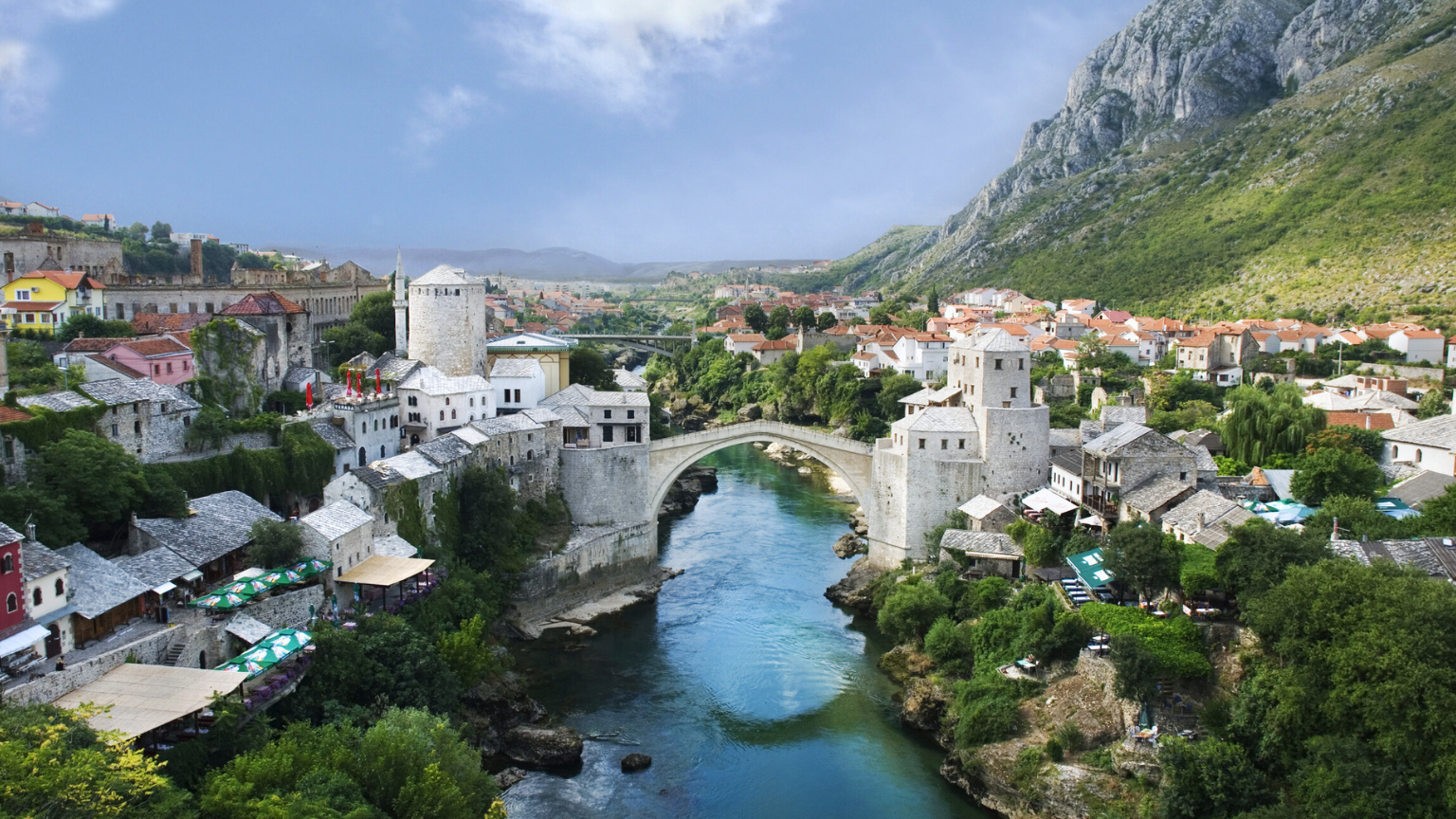
Mostar is compact and unforgettable with its stone lanes, turquoise river, and the graceful arc of Stari Most. Morning is the best time to cross the bridge before day trippers arrive, and the riverside paths give you quieter angles for photos. The Koski Mehmed Pasha Mosque lets you climb a minaret for a sweeping view of the old town. Local grills serve cevapi and pita breads baked in wood fired ovens, and cafés along the river are perfect for a slow lunch. If you have extra time, Blagaj Tekke and the waterfalls at Kravica are easy half day trips. Buses and trains connect Mostar with Sarajevo and with the Dalmatian coast, so it slots neatly into a Balkans route.
Trieste, Italy

Trieste is a cultured port with Viennese cafés, grand Habsburg buildings, and the Adriatic always in view. Piazza Unità d’Italia opens straight to the sea and is one of the most impressive squares in the country. A short ride takes you to Miramare Castle and its gardens where you can stroll along the water and watch sailboats glide past. Coffee culture is serious here, and historic cafés double as living rooms for long conversations and slow breakfasts. The Karst plateau above town offers easy hikes and cave visits if you want a nature break without a long drive. Trains connect Trieste with Venice and with Slovenia, making it a great hinge between Italy and Central Europe.
This article was written by Hunter and edited with AI Assistance