
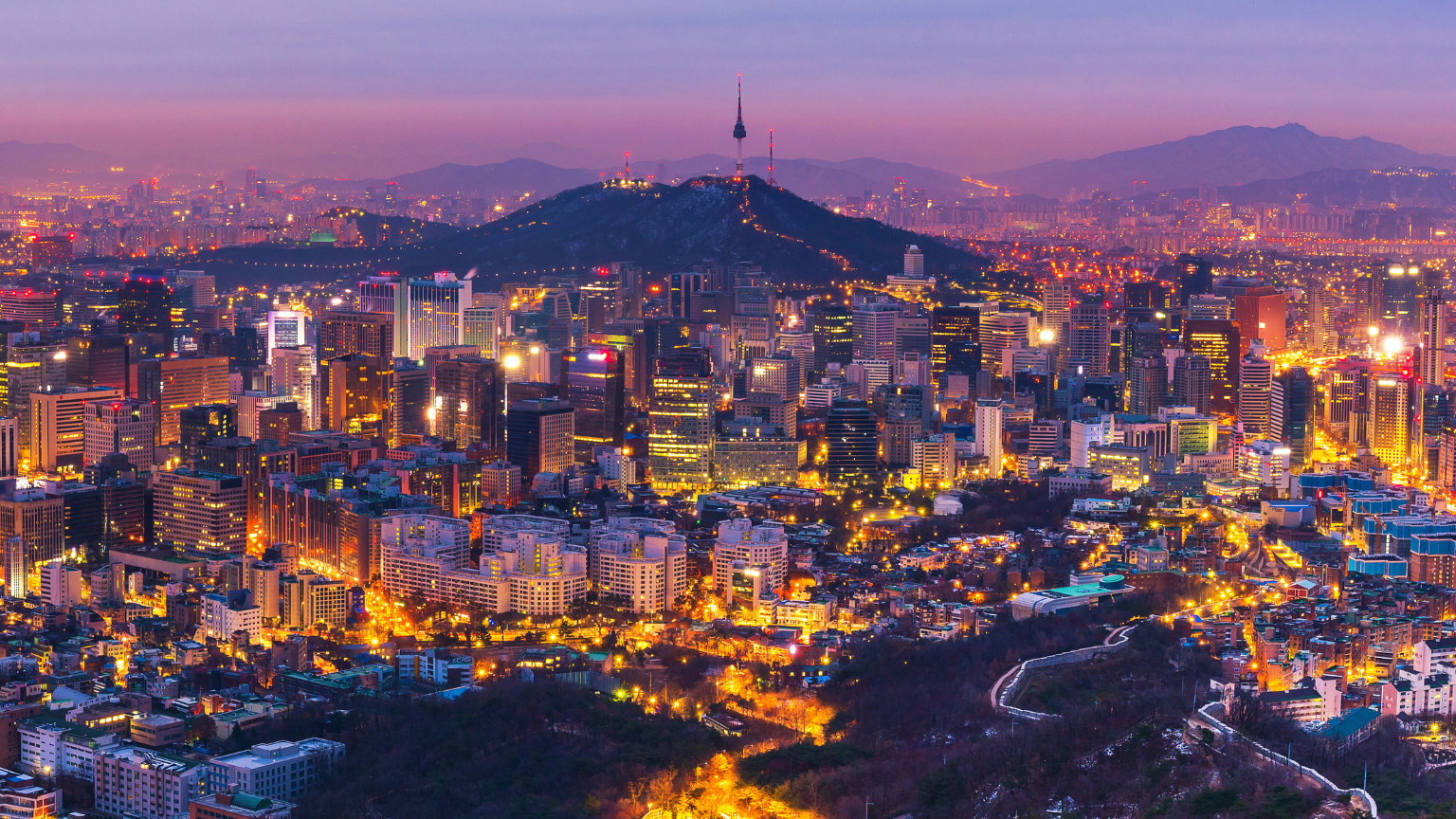

As night falls, the world’s cities come alive in very different ways. Some are turning up the volume and rolling out the welcome mat for nightlife fans, while others are dimming the lights to protect local quality of life. It is a global tug of war between sleep and dance, tranquility and beats. Here are fifteen cities either putting a cap on the party or inviting you to stay out until sunrise.
1. Amsterdam (The city says “no more” to new party-centric shops)

Amsterdam is tightening rules on businesses that cater only to late night crowds in the historic center. The goal is to reduce overflow from bars and souvenir shops and bring daily life back to the streets. Officials are limiting new permits and stepping up enforcement around noise and litter. The culture is not fading, it is shifting toward a more balanced, resident friendly rhythm that still welcomes thoughtful visitors.
2. Ibiza (Transforming the party scene with upscale offerings)

Ibiza is refining its brand rather than abandoning it. Authorities promote curated events, improved sound management, and stricter venue standards to reduce spillover into residential areas. Beach clubs still headline, but there is more emphasis on high quality programming and protected quiet zones. The island wants you to dance, then sleep well, and come back next season.
3. Barcelona (Crackdown on nocturnal noise)

Barcelona is enforcing earlier closing times in sensitive blocks and issuing meaningful fines for disturbances. Popular nightlife neighborhoods now see more patrols and better sound monitoring. The city wants bars to thrive while residents rest, so operators that manage crowds and noise get the clearest path to keep operating. Visitors can still enjoy a late dinner, a vermut, and live music with fewer 3 a.m. street echoes under apartment windows.
4. Prague (Limiting late night offerings)

Prague’s picture perfect center has felt the strain of pub crawls and loud street drinking. New rules target late night outdoor service and tighten hours for bars close to residential buildings. The idea is to push the loudest celebrations indoors and toward better managed zones. The castle, bridges, and beer halls remain, but the city is steering nightlife toward respect for neighbors.
5. Las Vegas (Always open for a good time)

Las Vegas continues to welcome the night with open arms. Clubs invest in production, residencies stack the calendar, and casinos never sleep. The appeal is not subtle, it is spectacle with a side of all night dining. If your goal is world class entertainment and no curfews, Vegas is still the gold standard.
6. Berlin (The party never stops)

Berlin treats club culture as heritage and creative economy, not a nuisance. Door policies remain strict, but once inside the sound and hospitality are world class. The city works with venues on soundproofing, transport, and harm reduction so nights stay intense without spilling into chaos outside. For electronic music and marathon weekends, Berlin is still the benchmark.
7. Bangkok (Open for nightlife, with a curfew)

Bangkok balances energy with order. Rooftops, night markets, and clubs thrive, but many venues respect set closing windows to keep neighborhoods calm. The effect is a steady flow rather than a frenzy, with late dinners, live music, and smooth taxi lines home. You get a full night out and locals keep their sleep schedules.
8. New Orleans (Where the music plays on)

New Orleans lives for live music and late nights, and it shows. Jazz clubs, brass bands, and festival calendars pull visitors into a rhythm that feels both spontaneous and deeply rooted. The city protects music by supporting venues and guiding crowds away from fragile residential pockets. If you want nightlife that is culture first, New Orleans delivers an authentic soundtrack.
9. Tokyo (A controlled chaos of nightlife)

Tokyo offers karaoke, izakayas, game centers, and high tech clubs stacked block by block. The city keeps order with clear rules, strong transit, and a culture of respect in shared spaces. You can party in Shibuya and step into a quiet side street moments later. It feels electric and safe at the same time.
10. Buenos Aires (The city that never sleeps, South American style)

Buenos Aires starts late and ends with sunrise. Tango halls, cocktail bars, and cafes keep doors open well past midnight as a matter of course. The energy is social rather than rushed, with long conversations and live music in the mix. If endurance is part of your ideal night, Buenos Aires is a perfect match.
11. Venice (Tightening rules in the historic core)

Venice is protecting residents and fragile streets with stricter limits on high impact tourism. Group sizes face caps, shops that fuel all night crowds see tougher permitting, and noise rules are enforced in the most delicate calli. Evenings lean toward concerts, small wine bars, and early cultural programming rather than street parties. The focus is on preserving the city’s calm after dark so mornings arrive as quietly as the lagoon.
12. Miami Beach (Cracking down on spring break chaos)

Miami Beach is reshaping its late night identity with targeted curfews during problem periods, tighter rules on sidewalk service, and stronger noise enforcement. The city promotes art deco walks, dining, and curated events while discouraging unchecked street parties. Clubs still sparkle, but the message is clear that respect for residents comes first. Visitors who plan and book venues ahead will find a polished nightlife experience.
13. London (Welcoming night owls with guardrails)

London champions the night time economy with late weekend transport and support for live venues, while neighborhoods enforce practical noise rules. Soho, Shoreditch, and Peckham stay lively, and theaters spill out into late dinners and bars. The city works to keep iconic spots open through sound mitigation and smarter licensing. London wants your night out to be memorable without being messy.
14. Mexico City (Late nights with neighborhood rules)

Mexico City shines after dark with mezcalerías, jazz rooms, and dance clubs across Roma, Condesa, and Polanco. Authorities use zoning and noise codes to protect residential blocks while allowing busy corridors to hum. The result is a city where you can hop from a taco stand to a vinyl bar and end in a small club without feeling chaotic. Nightlife thrives because the rules keep it in the right places.
15. Seoul (Nightlife rebounds with style)

Seoul’s evening scene roars in Hongdae, Itaewon, and Gangnam, with late dinners, karaoke, and dance floors that stay busy. Local governments encourage venues to manage lines and sound while keeping streets orderly. The metro and taxis make late returns easy, and safety messaging is visible and practical. Seoul welcomes visitors who want a polished, modern night out that still feels distinctly Korean.
This article was written by Hunter and edited with AI Assistance