

America’s cities tell two stories at once in 2025. On one side are rising rents, higher insurance costs, aging homes, office vacancies, extreme weather, and long commutes that stretch family budgets. On the other are block clubs, neighborhood markets, and small businesses that refuse to quit. This guide spotlights places where recovery feels uneven and day to day costs outpace wages, from Detroit and Cleveland to Anchorage. You will see how infrastructure, housing, and transit challenges shape daily life, and how community groups step in when services fall short. Read it as a street level snapshot of strain and resilience, and as a reminder that even in tough times, local pride keeps these cities moving forward.
Detroit, Michigan

Detroit’s comeback stories are real, yet daily life still tests residents. Many neighborhoods are marked by aging houses that need expensive repairs and weatherproofing. Service jobs have grown, but wages have not kept up with rising utility and insurance costs. Transit gaps make car ownership feel mandatory, even for lower income families. Downtown draws weekend crowds, while some corridors a few miles away struggle with vacant storefronts. Locals keep the city vibrant through block clubs, food pop ups, and small makers who give Detroit its grit and charm.
Cleveland, Ohio

Cleveland has made gains with new restaurants and lakefront plans, but high poverty remains a stubborn headwind. Many homes require roof, plumbing, and insulation work that is out of reach for fixed income households. Childcare and transportation costs eat into paychecks, especially for service workers. Hospitals anchor jobs, yet entry level positions do not always cover rent and groceries. Winters are expensive when heating bills spike and repair delays pile up. Even so, neighborhood festivals and community gardens show how residents are still investing in each other.
St. Louis, Missouri

St. Louis is seeing encouraging drops in violent crime, but population losses have left entire blocks with fewer neighbors and fewer corner stores. When people move away, school enrollments and small business sales dip, and basic services get stretched thin. Downtown still struggles with office vacancies that chill foot traffic after work hours. Legacy infrastructure needs consistent funding for water, streets, and transit. Many families juggle rising housing costs with wages that have not kept pace. The bright spot is a groundswell of local entrepreneurs who keep Main Street energy alive with cafés, bike shops, and galleries.
Baltimore, Maryland

Baltimore’s port is a lifeline for local jobs, and disruptions over the past year exposed how fragile that engine can be. Neighborhoods far from the waterfront still feel the shock when shipping slows and shifts in traffic ripple through warehouses and small logistics firms. Long standing inequities show up in housing quality, health outcomes, and school resources. Transit connections between job centers and residential areas can be inconsistent. Community groups step in with job training, youth programs, and food access projects that make a daily difference. Visitors who look beyond the Inner Harbor find creative markets and historic blocks that residents are working hard to protect.
New Orleans, Louisiana

New Orleans has soul in every street parade, but home and business insurance is a growing burden for many. Flood risk and storms translate into premiums that can rival a second mortgage. Wage growth in hospitality does not always cover rising costs for rent, groceries, and utilities. Neighborhoods with older homes need constant upkeep after long, humid summers. The city’s cultural economy remains a draw, yet service industry volatility pushes families to the edge. Locals keep resilience alive through mutual aid, neighborhood cleanup days, and small music venues that support working artists.
Jackson, Mississippi

Jackson’s water system repairs continue to define daily life, and residents know all too well what a boil notice means. Infrastructure setbacks force families to budget for bottled water, extra transportation, or lost time off work. Public services compete for limited funds, which slows progress on parks, sidewalks, and transit. Small businesses carry heavy loads, from security to rising insurance costs. Despite it all, Jackson’s creatives keep launching pop ups, food trucks, and art markets that knit the community together. Locals are honest about the challenges and even more committed to fixing them.
Birmingham, Alabama

Birmingham’s food scene and tech meetups are lively, but pockets of deep poverty persist across the metro. Some older homes need serious weatherization to keep energy bills from spiking in summer heat and winter cold snaps. Many workers rely on cars for long commutes, which adds fuel and maintenance costs to tight budgets. Health care and manufacturing add stability, yet entry level wages still lag behind housing and childcare costs. Neighborhood leaders are focused on after school programs, apprenticeships, and home repair grants. The momentum is real, and residents want it to reach every block.
Memphis, Tennessee

Memphis carries a heavy lift on public safety while working to expand living wage jobs outside of logistics and warehousing. Historic neighborhoods are full of character, but rehab costs remain steep for first time buyers. Families are squeezed by rent, utilities, and car payments, leaving little for savings. Community groups push hard on youth mentorship and workforce training to keep people connected to opportunity. Music and barbecue festivals draw visitors, yet the dollars do not always reach the neighborhoods that need them most. Locals know the city’s strengths and want them to benefit everyone.
Milwaukee, Wisconsin

Milwaukee’s lakefront looks polished, but many households shoulder high housing cost burdens relative to income. Older housing stock needs insulation and lead service line replacements that take time and money. Transit improvements are underway, though many workers still face long commutes across municipal lines. Wages in service sectors have inched up, but inflation absorbed a lot of that gain. Nonprofits and neighborhood associations partner on home repairs, rent assistance, and job pipelines. Residents continue to show up for each other through block parties, cleanup days, and shared childcare solutions.
Toledo, Ohio

Toledo is scrappy and affordable, yet the margin for many families remains thin. Lake effect weather takes a toll on roofs and furnaces, and repair delays can snowball into bigger problems. Manufacturing is evolving, which brings both opportunity and displacement when skills need updating. Transit options are limited beyond main corridors, making car costs unavoidable. Food prices hit harder in neighborhoods with few full line groceries. Still, community kitchens, maker spaces, and waterfront projects point to a city betting on its people.
Buffalo, New York

Buffalo’s renaissance downtown has not erased persistent pockets of poverty on the East Side. Winters are costly, with heating and car repairs arriving at the worst time. Many older homes need new electrical and insulation to be safe and efficient. Job growth in health care and education helps, but entry level wages can be stretched thin by rising rents. Community organizations lead the way with grant funded repairs and storefront incubators. Residents keep the spirit bright with neighborhood festivals and the kind of sports fandom that unites a city.
Gary, Indiana

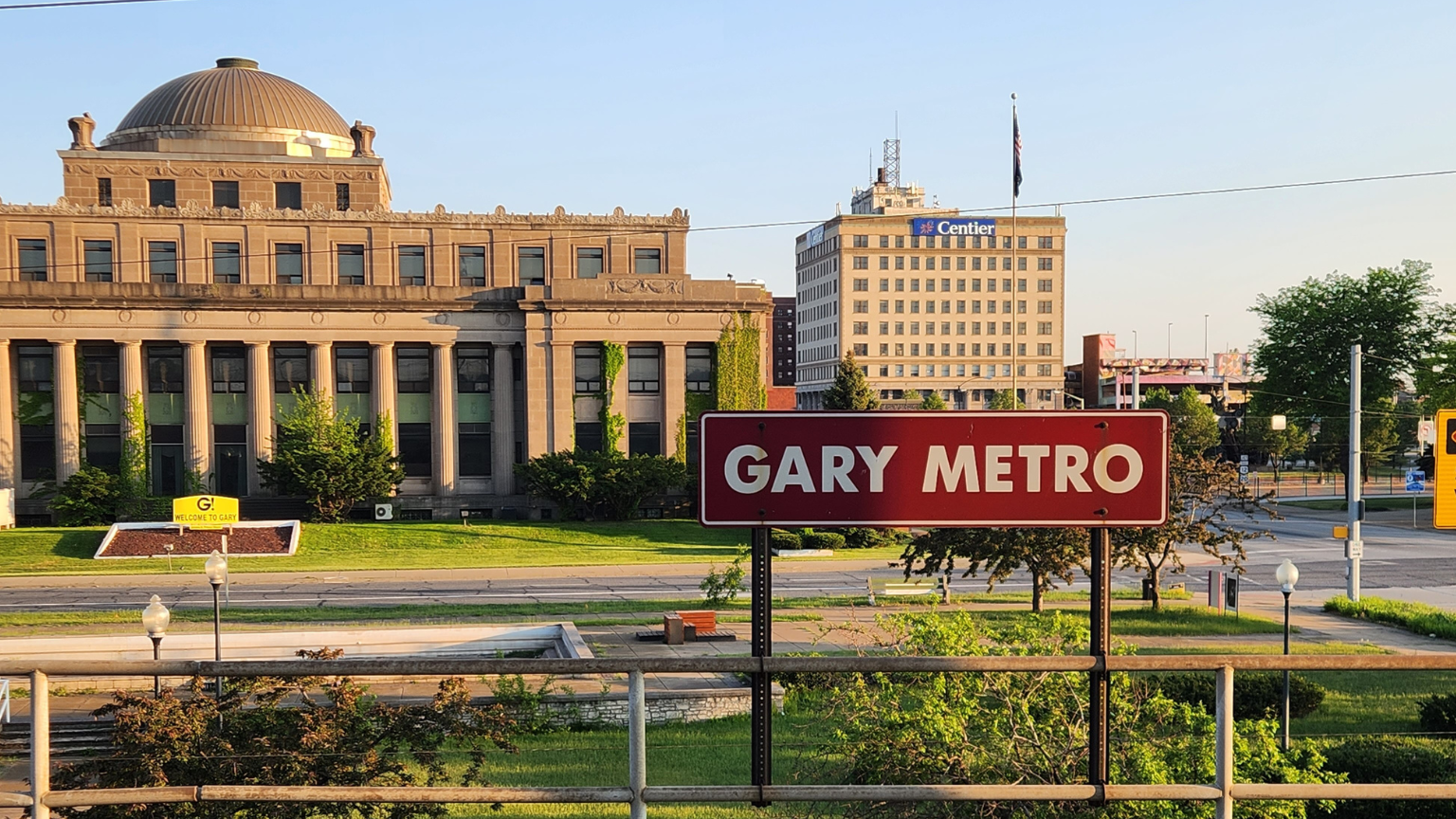
Gary’s story reflects decades of industrial decline that left a smaller tax base to maintain services. Vacant properties and infrastructure needs weigh on city finances. Many residents commute long distances to stable jobs in other counties. Household budgets absorb high car costs, utilities, and rising rent. Community leaders are working block by block on demolitions, infill, and pocket parks to stabilize neighborhoods. Pride in local history and access to Lake Michigan give residents reasons to keep pushing forward.
Flint, Michigan

Flint’s water crisis reshaped trust in public systems, and confidence grows slowly even as upgrades move ahead. Household budgets still include filters, bottled water, and time spent on advocacy and appointments. Many homes need repair to recover from years of deferred maintenance. Wage growth has not erased the gap between income and housing costs. Yet community gardens, small cafés, and arts programs offer jobs and places to gather. Residents remain the strongest voice for accountability and long term investment.
Oakland, California

Oakland’s culture is magnetic, but local businesses still feel the sting of pandemic era closures and higher operating costs. Downtown has empty storefronts that struggle with low foot traffic on weekdays. Many families face rents that jump faster than paychecks, and moving farther out adds long commutes. Public safety concerns remain a drag on nightlife and tourism, even as community groups make progress. Artists, chefs, and independent venues continue to shape the city’s creative backbone. People here are determined to keep Oakland’s identity local and inclusive.
San Francisco, California

San Francisco’s tech energy is back, though a high downtown office vacancy rate keeps parts of the core quiet during the week. That vacancy dents small retailers and lunch counters that rely on office workers. Housing remains extremely expensive relative to median incomes, even as some rents soften. Small business owners still manage insurance costs, storefront security, and staffing in a competitive labor market. The flip side is that new companies and AI labs are leasing space and bringing talent back into the city. Neighborhood corridors like the Richmond and the Sunset show how local shops carry the city through economic swings.
Portland, Oregon

Portland’s livability pitch runs into a downtown that has not fully bounced back. Retail vacancies and perceptions of safety limit evening foot traffic. Tents and visible need reflect broader regional struggles with affordable housing and behavioral health. Wages for service and creative workers do not stretch as far as they used to. Transit is still a strength, though riders want cleaner stations and more late night frequency. Neighborhood main streets continue to shine with bookstores, coffee roasters, and weekend markets that feel unmistakably Portland.
Seattle, Washington

Seattle’s job market remains strong in tech and biotech, but the downtown office vacancy rate is still very high. Fewer office commuters means slower weekday sales for cafés, bars, and retail. Housing remains expensive, which pushes many workers to long drive times or limited transit options from more affordable suburbs. Small businesses juggle rent, labor, and insurance costs while foot traffic rebuilds. The city is investing in street activation, arts programming, and safety efforts that are slowly helping. In neighborhoods, independent restaurants and music venues keep the city’s creative pulse steady.
Los Angeles, California

Los Angeles has posted a second year of declining homelessness, which is a hopeful shift, but the need across the county is still enormous. Rents, insurance, and utilities pile up quickly for working families and seniors on fixed incomes. Small businesses face higher costs for staffing, security, and materials. Traffic steals hours from the day for service workers who cannot afford to live near job centers. Creative industries are resilient yet cyclical, and slowdowns ripple into neighborhoods. Angelenos keep building solutions through mutual aid groups, tenant clinics, and community art spaces.
Phoenix, Arizona

Phoenix continues to add residents and jobs, but extreme heat turns into a public health and economic challenge every summer. The county’s heat related deaths set sobering records in recent years, and prevention efforts have become a year round task. Office vacancies remain elevated in some submarkets, which dampens weekday activity for small retailers. Housing supply is growing, yet many households still feel the squeeze from rent increases and higher cooling bills. The city is expanding cooling centers and tree canopy, but progress takes time. Neighborhood businesses adapt with earlier hours, shaded patios, and community events after sunset.
Las Vegas, Nevada

Las Vegas depends on tourism, and even slight dips in convention calendars can ripple through paychecks. Service workers juggle rent, food, transportation, and rising energy costs during long hot seasons. Water supplies are more stable than headlines suggest, but long term conservation remains part of daily life. Off Strip neighborhoods need more shade, cooling, and transit options. Many casino jobs pay well, but wage volatility and shift work complicate family schedules. Local restaurants and arts districts continue to diversify the economy and bring community pride beyond the resorts.
Miami, Florida

Miami’s skyline keeps climbing, but homeowners and small landlords are wrestling with some of the highest insurance premiums in the country. Flood risk and wind exposure make coverage expensive and sometimes hard to secure. Renters feel the pass through of those costs along with rising fees for parking and utilities. Hospitality jobs are plentiful yet often seasonal, and commuting from more affordable suburbs can take a bite out of wages. Heat and tidal flooding add wear and tear to homes and streets. Neighborhood businesses succeed when they can cater to locals year round, not just visitors.
Tampa, Florida

Tampa’s growth brings energy and jobs, yet insurance costs and storm season worries sit in the background of every budget. Families shop around for coverage and raise deductibles to keep monthly costs manageable. Renters have seen steady increases that outpace many service sector wages. Transit choices are limited for night and weekend workers. The city has invested in waterfront parks and street improvements, but older neighborhoods still need storm hardening. Community festivals and local markets give residents outlets to connect and support small vendors.
Orlando, Florida

Orlando draws millions of visitors, which props up jobs but pressures housing for workers. Many service employees live far from major attractions and face long commutes on limited routes. Insurance premiums and HOA fees creep upward, especially in newer subdivisions. Entry level wages do not always keep pace with rent and groceries. Summers are hard on household budgets because of cooling costs. Neighborhood churches, nonprofits, and schools anchor support networks that make day to day life possible.
Washington, D.C.

The region’s federal job base is stable, but the District’s office market is still contending with very high vacancy. That means fewer weekday customers for small businesses and less tax revenue tied to commercial properties. Conversions to housing are promising, yet they take years to deliver. Housing remains pricey for teachers, nurses, and service staff who keep the city running. Some neighborhoods still struggle with retail gaps and limited grocery options. Festivals, museums, and free cultural events continue to be the District’s strength, keeping sidewalks lively even as offices reset.
Philadelphia, Pennsylvania

Philadelphia blends big city culture with neighborhood pride, but poverty remains higher than the national average. Many houses are over a century old and need serious repair to remain safe and efficient. Heating bills and roof leaks can overwhelm fixed incomes, and waitlists for grants are long. Transit is a lifeline, though service interruptions and aging stations frustrate riders. Job growth in health care and education helps, but entry level paychecks are stretched thin by rent and food costs. Block captains, community centers, and neighborhood schools do the day to day work of keeping people connected.
Chicago, Illinois

Chicago’s population has ticked upward again, which is encouraging, yet many families feel squeezed by housing, childcare, and transportation. Downtown and neighborhood retail corridors are rebuilding weekday foot traffic, but some office heavy blocks remain quieter than before. Small businesses shoulder higher insurance costs and security expenses. Public safety concerns shape evening plans in some areas, even as overall trends improve. The city’s strength is in its neighborhoods, where local restaurants, parks, and festivals keep community life strong. Residents want the recovery to reach every zip code, not only the lakefront.
Albuquerque, New Mexico

Albuquerque’s creative energy is real, but wages often lag behind housing and utility costs. Summer heat strains older homes without efficient cooling. Car dependence adds costs for insurance, fuel, and maintenance. Some commercial corridors still have vacant storefronts that dampen neighborhood momentum. Nonprofits and small businesses collaborate on workforce training and arts programming to create jobs that stick. The Sandia foothills and river trails remain a daily reminder of why people keep investing in the city.
San Bernardino, California

San Bernardino families see paychecks stretched by rent, groceries, and transportation in a car centric region. Poverty rates in the city remain well above the state average and show up in crowded housing and delayed repairs. Heat waves increase cooling bills and stress older housing. Warehouse and logistics work offer jobs, but many positions are physically demanding and not always high paying. Downtown still needs consistent investment to restore street level vibrancy. Residents push forward with pop up markets, youth sports, and church programs that keep community ties strong.
Fresno, California

Fresno feeds the nation, but a lot of families who harvest and ship that food struggle to afford stable housing. Poverty rates in the city are higher than the California average, and many homes need weatherization to keep energy bills manageable. Summer heat makes reliable air conditioning a necessity rather than a luxury. Water issues and drought resilience remain constant concerns in the valley. New apartments are rising, yet rents still feel steep for entry level wages. Community colleges, farmworker clinics, and food banks do critical work that keeps households afloat.
Anchorage, Alaska

Anchorage wrestles with high costs for everything from groceries to home repairs because of distance and climate. Winters are long, and heating bills occupy a big chunk of monthly budgets. Shelters and services face seasonal crunches during extreme cold. Housing construction is expensive, which keeps supply tight and prices elevated. Tourism helps, but jobs can be seasonal and not always enough to cover year round living costs. Residents rely on one another through gear swaps, food co ops, and volunteer networks that feel uniquely Alaskan.
This article was written by Hunter and edited with AI Assistance