
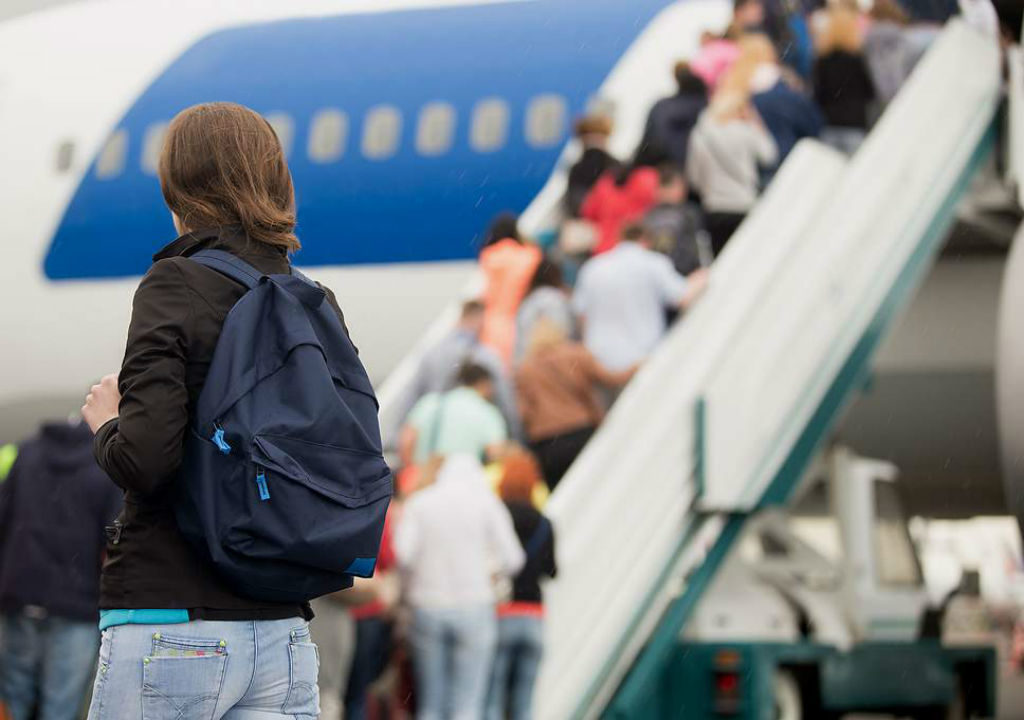
Flying can be nerve-wracking enough without having to deal with inconsiderate passengers. Unfortunately, many travelers forget the basic rules of in-flight manners. Brush up on these key do’s and don’ts before your next trip to make flying smoother and more enjoyable for everyone.
Travel Is Stressful Enough-Mind Your Manners Onboard
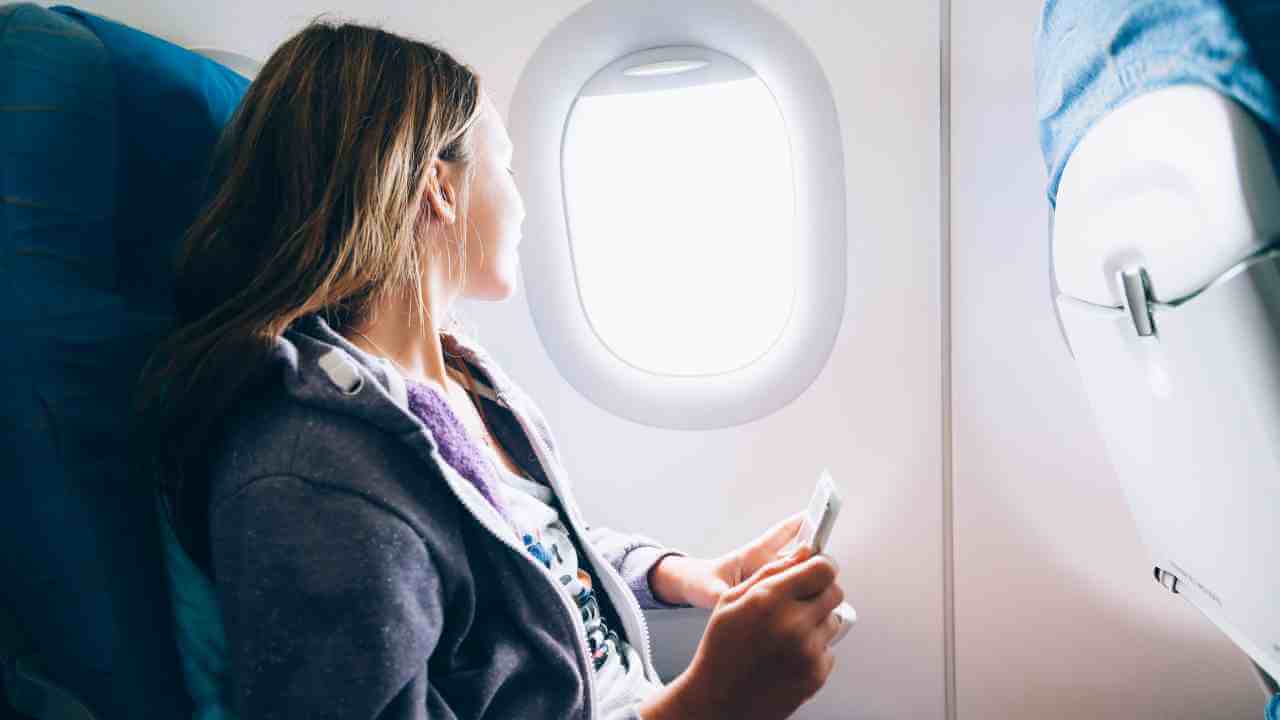
Flying is often stressful, and it only gets worse when other passengers act inconsiderately. Many forget simple courtesies once they step aboard the plane. It's a good idea to refresh your knowledge of basic flight etiquette before heading to the airport, rather than facing a flight attendant’s reprimand for inappropriate behavior.
Don’t Hold Up Boarding for Everyone Else
Boarding can be a slow process if passengers dawdle while trying to settle in or figure out where to stow their luggage. Remember, dozens of people are waiting behind you, so avoid wasting time fumbling with bags or documents. Being quick and organized helps keep the boarding process smooth and stress-free for everyone.
Stay Organized to Avoid Last-Minute Hassles
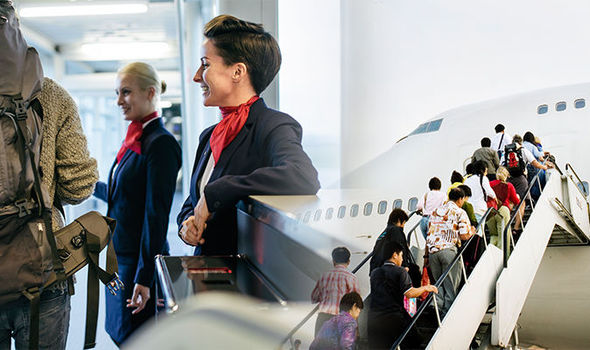
Before you board, take a moment to sort out which bags you’ll keep with you at your seat and which will go overhead. Knowing exactly where your essentials are will save you time and prevent delays during boarding and in-flight. Being organized means less stress and a smoother journey for you and your fellow travelers.
Don’t Expect Crew to Haul Your Heavy Bags
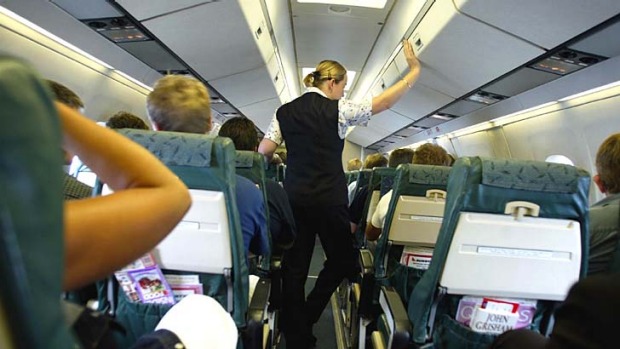
It’s common for passengers to assume flight attendants will lift their overweight bags into overhead compartments, but that’s not their job. If your bag is too heavy for you to manage, it’s likely too much for the crew as well. Don’t block the aisle leaving your luggage behind; either pack lighter or ask a travel companion for help.
Pack Light to Ease Everyone’s Journey
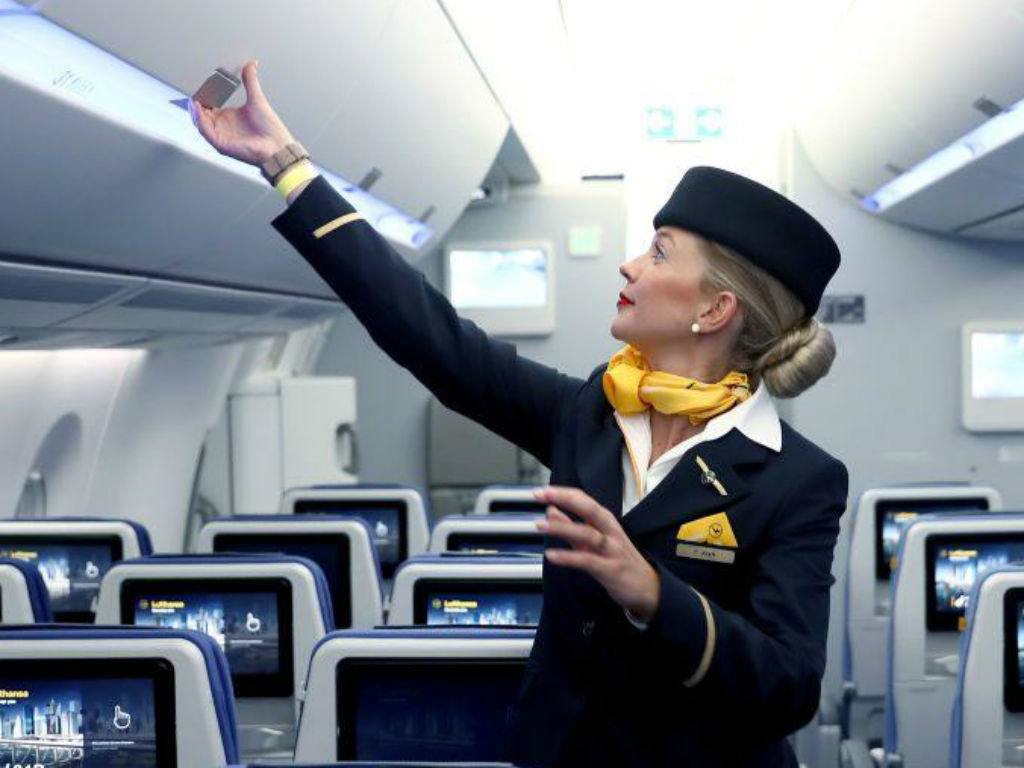
When packing, keep the weight of your bags reasonable-not just for your own convenience but also to avoid straining the flight attendants. If lifting your bag into the overhead bin feels tough, don’t hesitate to politely ask for help. Remember, flight crews are there to assist, but they’re not superheroes who can carry heavy baggage single-handedly.
Be Mindful When Moving Through the Cabin
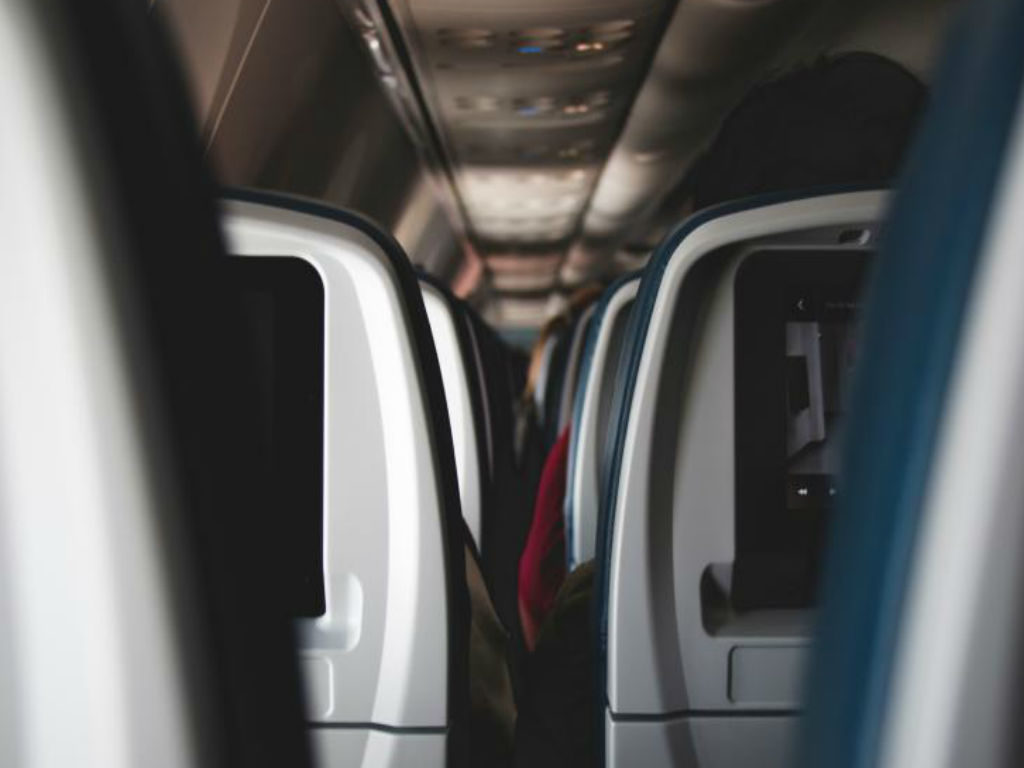
Before standing up or stepping into the aisle, check behind you carefully. The airplane aisle is a busy thoroughfare, often crowded with passengers heading to the bathroom or crew delivering drinks. Avoid bumping into people or knocking over trays by being aware of your surroundings and moving cautiously.
Always Watch Your Surroundings Before Moving
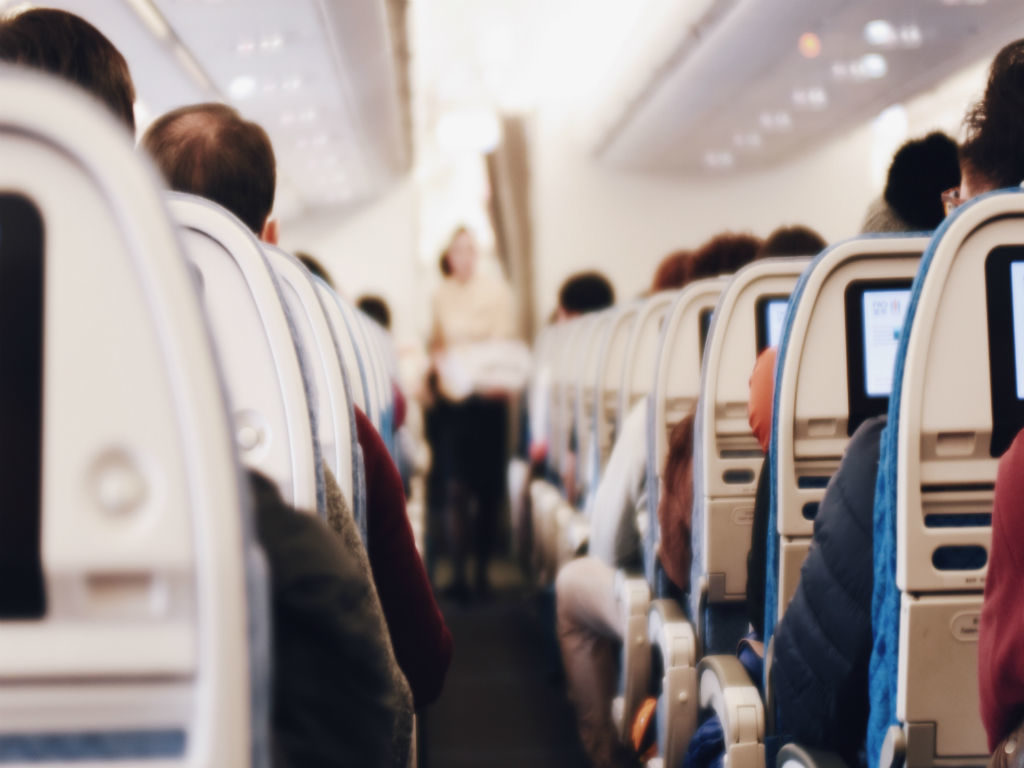
Just like checking your blind spot when driving, glance around before rising from your seat. The aisle can be filled with passengers, crew, and even children running about. Being alert helps prevent accidental collisions and ensures a safer, more comfortable environment for everyone onboard.
Keep Your Volume Down to Respect Others
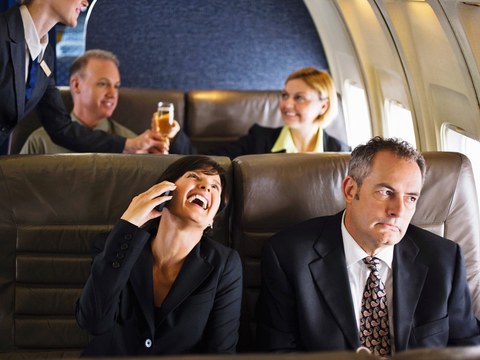
Avoid blasting your music, videos, or games without headphones, and resist talking loudly on your phone or to your seatmates. Nobody wants to be stuck in a confined space with a noisy neighbor, so keep your volume low and be considerate to those around you who might be trying to relax or sleep.
Use Headphones and Speak Softly
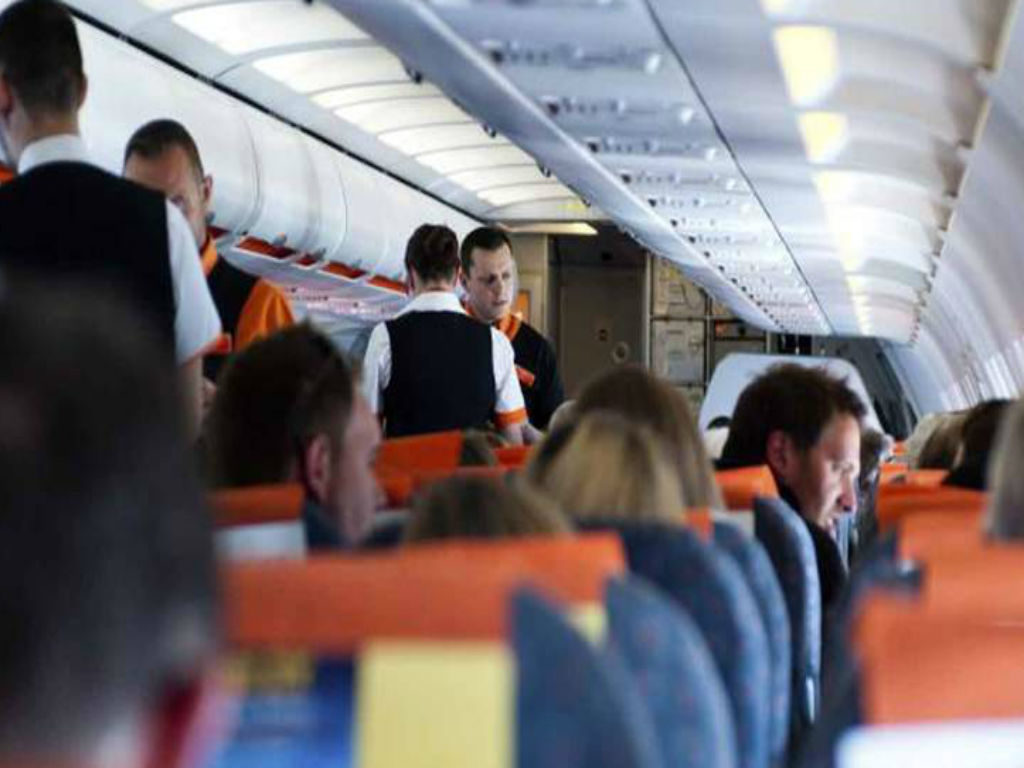
Bring headphones to enjoy your entertainment privately without disturbing others. Also, be mindful of your speaking volume-air travel can be tiring, and many passengers appreciate some peace and quiet. Don’t be the person who unintentionally wakes sleeping babies or annoys fellow travelers with loud conversations.
Avoid Bringing Strong-Smelling Foods Onboard
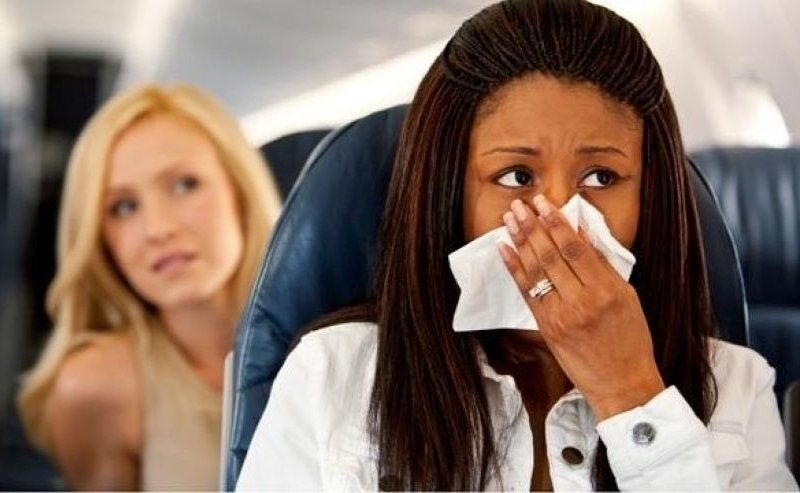
If you want to pack snacks, choose options that won’t offend other passengers. Steer clear of pungent items like fish sandwiches or egg salad, as the confined cabin space amplifies odors. Remember, you’re sharing a small area with many people-respecting their noses helps keep the atmosphere pleasant for all.
Choose Light, Odorless Snacks for the Flight
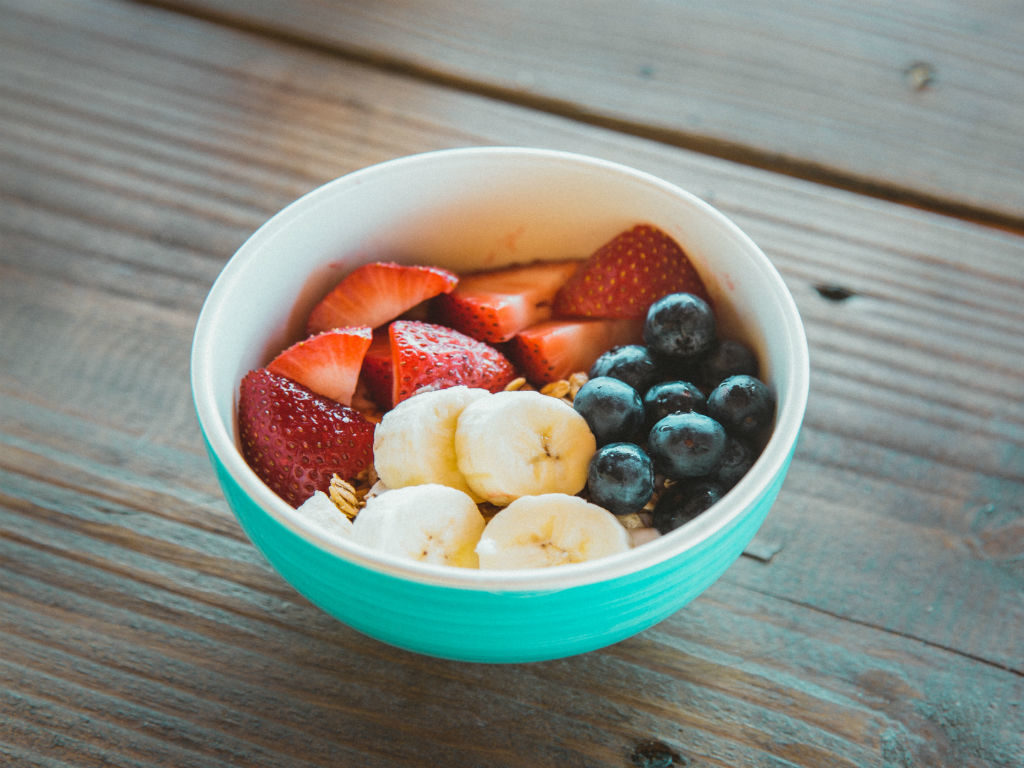
If you prefer to bring your own food, pick snacks that won’t bother others. Fresh fruit, salads, cereal bars, and rice cakes are excellent choices. Eating your snacks during the meal service when others are also dining helps minimize disruptions caused by smells or noisy packaging.
Don’t Abuse the Call Button
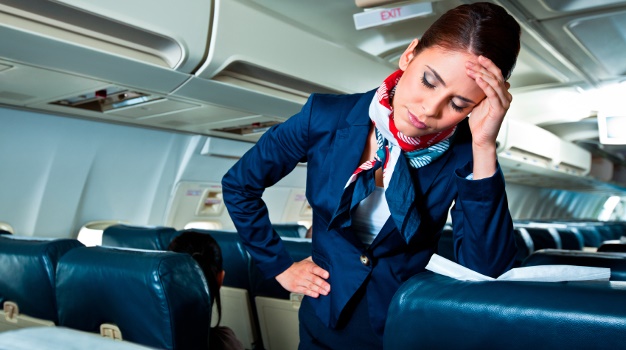
The call button is there for genuine needs, not as a tool to wake sleeping neighbors or for frequent drink orders. Excessive use can distract and overburden the crew. Also, be sure you’re pressing the right button-confusing the call bell with the reading light wastes valuable flight attendant time.
Learn How Your Seat Works Before Pressing Buttons
Get familiar with your seat’s features, so you don’t accidentally disturb others by hitting the wrong controls. For example, know the difference between the call button and your reading light. If you need to get up, politely wake your neighbor or carefully step over them. Use the galley to stretch your legs and grab extra drinks when you want.
Keep Your Shoes On and Feet Off Armrests
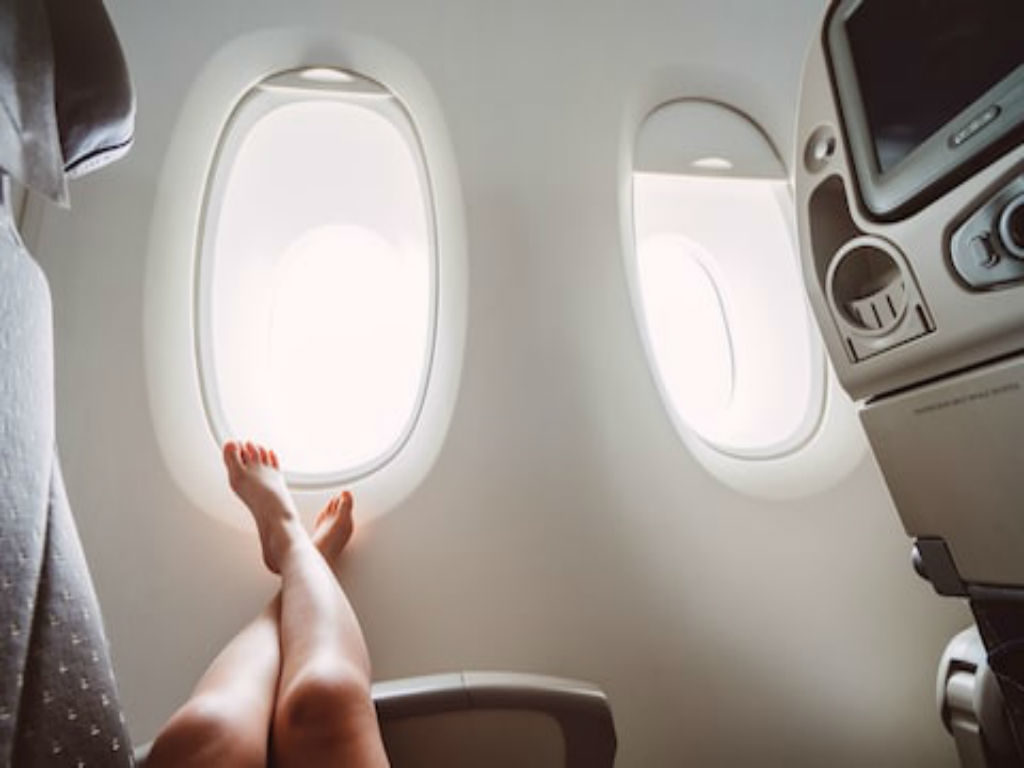
Avoid walking barefoot in the cabin-it’s unhygienic and exposes you to germs. Many passengers also put their feet on the seat armrests in front of them, which is unpleasant and unsanitary for others. Keep your shoes on and feet down to maintain cleanliness and respect those around you.
Limit Alcohol Consumption Due to Altitude Effects
Drinking on planes isn’t the same as on the ground. Lower air pressure means less oxygen, which can make you feel intoxicated faster than usual. Overindulging could lead to embarrassing or disruptive behavior once you land. Pace yourself and be mindful of how alcohol affects you at high altitudes.
Drink Responsibly to Avoid Problems After Landing
It’s easy to underestimate how alcohol impacts you during a flight. Even if you feel fine, the effects can catch up with you once you’re on the ground, making it hard to stay balanced and polite. Don’t be the passenger creating a scene at the airport-keep your intake moderate and think about how altitude changes your tolerance.
Please Don’t Change Diapers in the Seats
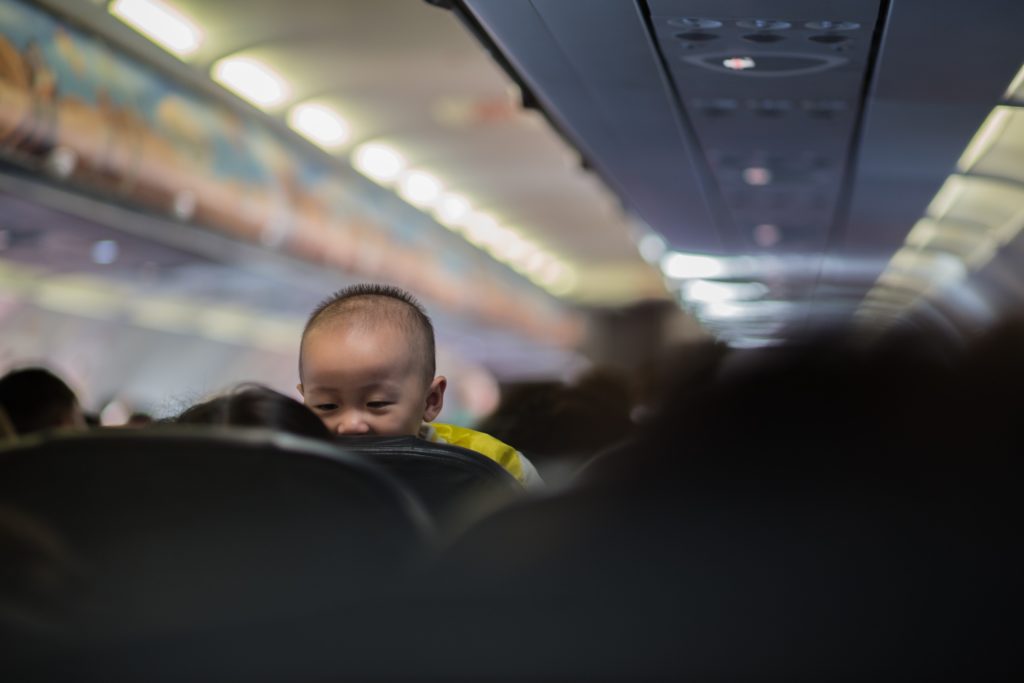
Changing your child’s diaper in the airplane seat is inconsiderate and unpleasant for those nearby. While traveling with kids is challenging, it doesn’t give license to inconvenience others. Use the lavatory’s changing facilities for this task to keep the cabin environment clean and comfortable for everyone.
Use the Lavatory for Diaper Changes When Possible
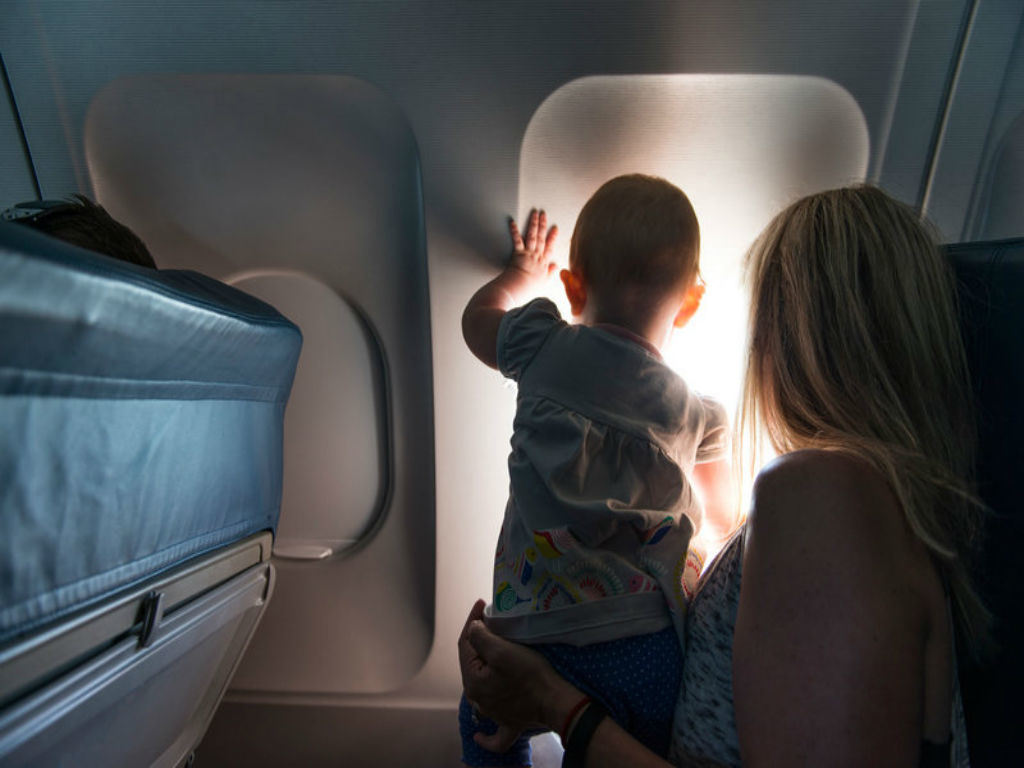
If your child needs a diaper change, take them to the restroom instead of doing it at your seat. The cabin is a small shared space, and odors will quickly spread. If traveling alone with multiple kids, ask crew members for help-they’re often happy to watch your other children while you step away.
Avoid Sitting in Crew Jump Seats
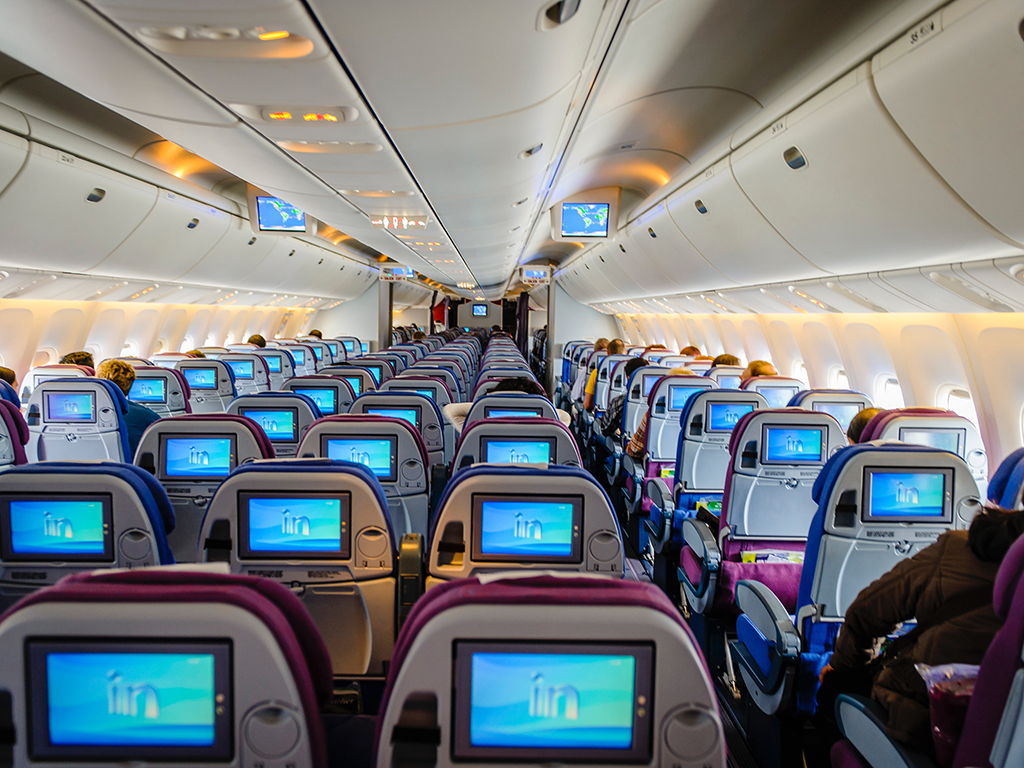
Sometimes passengers stand up and sit on crew jump seats to stretch, but these seats are reserved for flight attendants, especially during turbulence. Taking these seats places crew safety at risk and is against regulations. Always remain in your assigned seat to ensure everyone’s safety on board.
Stay Seated in Your Assigned Seat During Turbulence
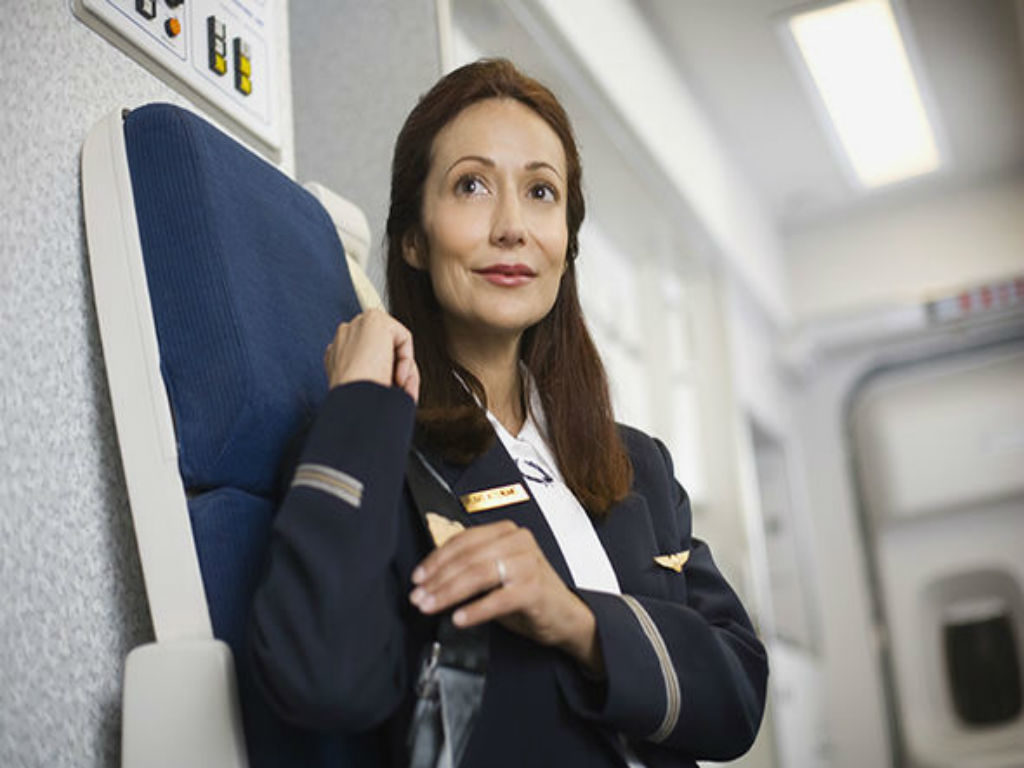
If turbulence hits, the crew needs to use jump seats and secure themselves quickly. Sitting in these seats disrupts their safety procedures and puts everyone at risk. Be thoughtful: stay buckled in your own seat when the seatbelt sign is on to help the flight operate safely.
Flight Attendants Aren’t Travel Info Desks
Don’t expect flight attendants to have detailed knowledge about your connecting flights, gate changes, or schedules. They often know no more than you do when issues arise. Be prepared by checking your itinerary and airport information yourself before flying, so you’re not caught off guard mid-journey.
Do Your Homework-Know Your Travel Plans
Before you set out, make sure you understand all the details of your itinerary, including connections and airport layouts. Flight attendants generally don’t have this information at hand, so keeping track yourself prevents confusion and helps you navigate smoothly through your trip.
Keep the Aisles Clear and Tidy
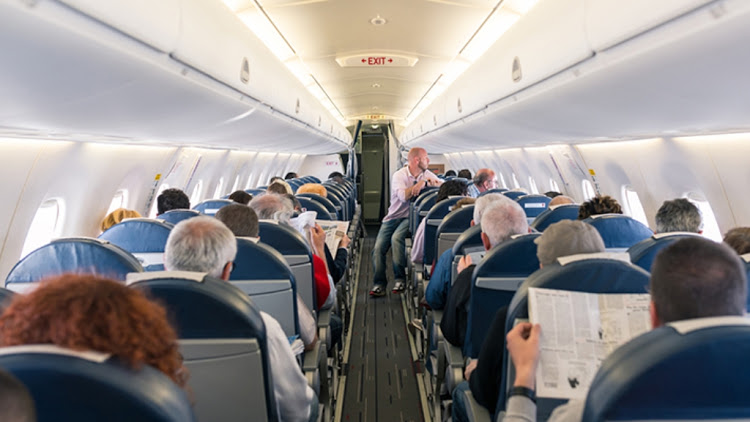
Many in-flight injuries happen because people slip on trash or bump into feet in the aisles, especially in low cabin lighting. Keep your area neat by holding onto your trash until the crew collects it, keeping limbs inside your personal space, and ensuring infants’ heads aren’t in walkways. A little care goes a long way for everyone’s safety.
Don’t Leave Essential Items Behind When Exiting
It’s surprisingly common for passengers to forget things like glasses, dentures, or retainers on meal trays. Once you realize something’s missing, retrieval can be tricky and may not be possible on short flights. Stay vigilant when disembarking to keep all your belongings safe and avoid last-minute panic.
Double-Check Your Seat Area Before Leaving
As you prepare to leave the plane, take a moment to scan the seat pocket, floor, and overhead bin for any personal belongings. People frequently forget passports or bags, which can cause stressful delays. Remember, once you exit the aircraft, security won’t let you back on, so don’t leave anything behind.
This article was written by Hunter and edited with AI assistance. The Daily Dive travel desk uses AI-assisted visuals and content that were reviewed and approved by our editors prior to publication.