

If planning a city break in 2025 feels like choosing between sold out hotels and shoulder to shoulder crowds, you are not imagining it. Many of Europe’s most famous cities are grappling with overtourism, protest movements, and new visitor fees as they try to cope with record numbers. Paris, Venice, Barcelona, Amsterdam, and Dubrovnik all feature on lists of the most overcrowded destinations, with local governments rolling out everything from new tourist taxes to cruise ship limits.
The good news is that while those big names struggle under the weight of visitors, a quieter wave of “second city” and “third city” destinations is thriving. These are places with walkable old towns, strong food scenes, and serious culture that simply have more breathing room and a bit more patience for guests. Tourism boards and local entrepreneurs are leaning into that sweet spot, building better train links, opening new hotels, and promoting more sustainable, slower travel experiences.
If you are ready to trade packed piazzas and two hour museum queues for canals you can actually stroll along, markets full of locals, and bar stools that do not require a reservation, this list is for you. These twenty underrated cities are enjoying a glow up in 2025 as travelers look beyond the usual hotspots.
Ljubljana, Slovenia

Ljubljana often gets described as a little bit of everywhere, and that is exactly why it works so well as an alternative to the big name capitals. Its riverfront cafés feel as relaxed as Amsterdam’s canals, its castle looks down on the old town in a way that echoes Prague, and its day trips into the Julian Alps rival anything you would see driving out of Salzburg. What you do not get are wall to wall tour groups blocking every bridge. Interest in Slovenia has risen in recent years, but the capital still feels manageable compared to the country’s more famous neighbors.
Spend your days wandering the car free center, ducking into art nouveau arcades and riverside wine bars without worrying about elbowing through crowds. In the evening, you can join locals at outdoor tables for craft beer or Slovenian wine while street musicians play along the water. When you want to escape completely, Lake Bled, Lake Bohinj, and the Soča Valley are close enough for easy day trips that turn your city break into a mini nature getaway. Ljubljana is the sort of place where you arrive for one or two nights and quickly start wishing you had booked a week.
Tbilisi, Georgia

If you love Lisbon’s hills, tiled facades, and creative buzz but are tired of packed trams and rising prices, Tbilisi offers a fresh alternative. The Georgian capital tumbles down steep streets toward the Kura River, with a tangle of balconies, street art, and historic bathhouses creating a truly one of a kind skyline. Wine bars pour natural wines from the surrounding regions, and small restaurants serve khinkali dumplings and khachapuri cheese bread for a fraction of western European prices.
The old town still has its share of visitors, but it feels lived in rather than curated purely for tourists. You are just as likely to pass a grandmother hanging laundry as you are to see someone setting up a tripod. A new wave of boutique hotels and renovated guesthouses is giving visitors more stylish places to stay without wiping out local character. When you need a break from the city streets, you can ride a cable car to the Narikala Fortress for sunset views or head out to nearby wine country for tastings in stone cellars and family run vineyards. Tbilisi feels like the kind of city people will be calling the next big thing for years, which makes now an excellent time to get acquainted.
Utrecht, Netherlands

Amsterdam’s canals, cafés, and gabled houses are iconic, but the reality in 2025 is a city that is often overwhelmed by visitors. A short train ride away, Utrecht offers many of the same ingredients in a far calmer package. Locals commute by bike, church towers rise over the old town, and the canal ring has its own twist with wharf level terraces built right at the water. Utrecht has been singled out repeatedly as a cozier alternative to Amsterdam, and its growing profile reflects that.
You can climb the Dom Tower for sweeping views, wander through independent shops in the museum quarter, and sip a beer in old wharf cellars that have been converted into bars and restaurants. The vibe is more university town than party hub, which makes evenings feel much more relaxed. Utrecht also makes a great base for exploring other Dutch cities with fewer tourists, since trains fan out in all directions. Come here if you want to experience canal side life without the crowds, higher prices, and intense nightlife that currently define Amsterdam for many visitors.
Maastricht, Netherlands

Maastricht sits right at the point where the Netherlands brushes up against Belgium and Germany, and that borderland location has always given it a slightly different flavor. In national surveys it often outranks Amsterdam as a favorite city among locals, which says a lot about its quality of life. With cobbled streets, church towers, and a lively café culture around Vrijthof Square, it offers plenty of Old World charm without feeling like a theme park.
The city is packed with historic buildings and churches, second only to Amsterdam in the number of protected monuments, yet its streets stay pleasantly busy instead of chaotic. You can browse boutiques in the old town, read a book in a church that has been converted into a bookstore, or just linger over long lunches with local beers and Limburgse vlaai pies. Maastricht also has excellent rail connections, which makes it easy to add day trips into the surrounding countryside or hop over the border for even more variety. For travelers who want a Dutch city that still feels intimate and deeply local, this is a standout choice.
Ghent, Belgium

Bruges has long been the darling of Belgian fairy tale city breaks, and its popularity shows in the crowds that pack its center most of the year. Ghent offers plenty of similar magic yet still flies somewhat under the radar for international visitors. The city’s mix of gothic towers, canal side guild houses, and street art gives it a slightly edgier, more lived in feel than perfectly polished Bruges. A large student population keeps the cafés, bars, and music venues buzzing, which means there is always something happening after dark.
You can take a boat ride along the Leie River, explore the imposing Gravensteen Castle, or simply wander from square to square snapping photos and snacking on fries and waffles. Because Ghent is not yet overwhelmed by group tours, you often have more room to move and more chances to interact with locals. It is also a fantastic base for rail trips to Antwerp, Brussels, and Bruges if you want to sample all three, then retreat somewhere that still feels like a real city first and a tourist attraction second.
Mechelen, Belgium

If you want the charm of a Flemish city center with even fewer crowds, Mechelen is quietly thriving in the shadow of its more famous neighbors. Once the capital of the Low Countries, it is packed with history, from the towering Saint Rumbold’s Cathedral to streets lined with ornate guild houses. In recent years Mechelen has begun to appear more often in travel roundups as a smart alternative to Bruges or Ghent, praised for its relaxed pace and rich cultural scene.
You can climb the cathedral tower for panoramic views, visit museums filled with Flemish masters, and sip local beer at a family run brewery that has been operating for generations. The modern side of the city shows up in its renovated libraries, food markets, and riverside green spaces. Mechelen sits only a short train ride from Brussels, which makes it an easy add on or even a base for exploring the region. It is one of those places where you get grand European architecture, serious food, and friendly service without feeling like you are in a queue at every turn.
Leipzig, Germany

For years Berlin has drawn the headlines for street art, nightlife, and creative energy, but high rents and big crowds mean many artists and travelers are looking elsewhere. Leipzig has stepped into that role as an alternative culture hotspot, with former industrial areas transforming into galleries, music venues, and studios. Tourism numbers have climbed steadily, proof that it is firmly on the travel radar while still feeling manageable.
You can trace the city’s musical history through Bach and Mendelssohn, then spend your evenings in repurposed factories that now host bars, clubs, and art collectives. Leipzig has also made sustainability a core part of its tourism strategy, which means more bike lanes, green spaces, and thoughtful development instead of quick cash grabs. Prices for food and accommodation are generally friendlier than in Berlin, and long stays feel realistic rather than indulgent. If you want a city that combines serious cultural depth with modern creativity, Leipzig is an excellent bet.
Valencia, Spain

Barcelona’s beaches, architecture, and nightlife continue to pull in huge numbers, but local frustrations with overtourism are hard to ignore. Valencia, further down the Mediterranean coast, has quietly positioned itself as a more balanced alternative. The city has taken overtourism warning signs seriously, introducing policies aimed at keeping visitor numbers sustainable before they become unmanageable.
Visitors get a historic old town, futuristic architecture at the City of Arts and Sciences, and wide sandy beaches that often feel less hectic than Barcelona’s city shore. Food lovers can dive into markets overflowing with oranges, seafood, and the ingredients for paella, which was born in the surrounding region. Bike paths connect neighborhoods and the Turia riverbed park, creating a green ribbon through the city where locals jog, picnic, and play football. Valencia is growing in popularity, but it still leaves plenty of room for travelers who want Spanish city life without the constant sense of being in a crowd.
Zadar, Croatia

Dubrovnik and Split have been on overtourism watchlists for years, with cruise ships and day trippers crowding their historic cores. Zadar, further up the Dalmatian coast, gives you Roman ruins, sea views, and island access with fewer people competing for space. Travel writers routinely describe it as a quieter alternative to the big name Croatian cities, with a compact old town that still feels like a working city rather than a set.
You can listen to the Sea Organ’s haunting notes as waves push air through hidden pipes and watch the sunset from the Greeting to the Sun light installation. Side streets lead to cafés full of locals, and small family run restaurants serve fresh fish and Dalmatian dishes without heavy coastal markups. Ferries and excursions fan out to nearby islands and national parks, which makes it easy to combine city time with beach days or hiking. Zadar is a perfect pick if you want Croatian history and coastline but would prefer not to join a packed cruise excursion group in every alley.
Rijeka, Croatia

Rijeka is another Croatian city quietly enjoying more attention as travelers tire of high prices and crowds in Split and Dubrovnik. It is an authentic port city that offers grand Austro Hungarian architecture, lively nightlife, and Adriatic views with far fewer tourists. Prices for accommodation and dining tend to come in lower than in the coastal heavy hitters, which helps it appeal to longer stay visitors and budget conscious travelers.
The city’s waterfront promenade and central market show off daily life, while nearby beaches and islands give you classic Croatian swimming spots. Rijeka was a European Capital of Culture in 2020, and that designation helped fund renovations and events that are still benefiting visitors. You can explore museums, climb to hilltop fortresses, and slip into neighborhood bars that feel genuinely local. For those looking for the feel of a real city on the sea, without the crush of selfie sticks, Rijeka is a smart alternative.
Bologna, Italy

Florence and Venice are still magnets for Italian city breaks, but they are also at the center of Italy’s overtourism debates. Bologna, once promoted as a hidden gem, now shows rising visitor numbers of its own while still offering a much calmer experience than its more famous neighbors. Tourism has grown steadily, yet the city remains primarily student and local driven in daily life.
Visitors quickly fall in love with its miles of portico covered sidewalks, markets piled high with cured meats and cheeses, and a restaurant scene that sets the bar for comfort food. Climbing the Asinelli Tower rewards you with wide views over terracotta roofs, and evenings often mean aperitivo in a busy piazza rather than fighting through crowds for a table. Trains make it easy to reach Florence, Venice, and Milan for day trips, so Bologna can anchor a northern Italy itinerary without locking you into the busiest hotspots. Come for the pasta and stay for the comfortable pace that still feels very Italian.
Trieste, Italy

With Venice introducing new entry rules and restricting cruise ships, travelers are finally looking up the Adriatic coast and discovering Trieste. This port city once served as a key harbor for the Austro Hungarian Empire, and you can see that layered history in its grand waterfront square, Viennese style cafés, and mix of Italian and Central European influences. Many cruise lines now use Trieste as a starting point, which has quietly boosted its profile.
Much of the historic center is walkable, and you can hop on local ferries to explore nearby castles and coastal villages. The atmosphere feels elegant yet unpretentious, with locals filling the cafés and promenades year round. Food ranges from seafood to hearty dishes that reflect its borderland location near Slovenia and Croatia. If you like the idea of a waterfront Italian city with grand architecture but would rather not shuffle through narrow alleys behind a tour group, Trieste belongs on your list.
Pécs, Hungary

Budapest soaks up most of Hungary’s international tourism, which leaves space for smaller cities like Pécs to shine. Tucked near the southern border, Pécs has Roman ruins, Ottoman heritage, and a lively university community, all wrapped in a compact historic center. It appears again and again in lists of Hungary’s best cities to visit specifically because it offers a slower paced, underrated alternative to the capital.
You can wander past early Christian burial sites, visit a former mosque turned church, and relax in café lined squares that come alive on weekend evenings. The surrounding hills and nearby vineyards make day trips easy if you want to combine city walking with countryside views and wine tasting. Prices for food and lodging are usually lower than in Budapest, and English is increasingly common, thanks to growing visitor numbers and student populations. Pécs is ideal if you enjoy layered history and café culture but prefer a city where it still feels possible to become a familiar face for a few days.
Wroclaw, Poland

Krakow and Warsaw may dominate Poland itineraries, yet Wroclaw quietly charms almost everyone who makes it there. The city’s colorful market square, riverside islands, and little bronze dwarf statues hidden around town give it a playful character that pairs well with its gothic architecture. Travelers and locals often compare it favorably with Krakow, noting that it has a similar look and feel but with fewer tourists and a more relaxed atmosphere.
You can hop between craft beer bars, explore cathedral island at sunset, and hunt for dwarfs with kids or friends during the day. Wroclaw’s student population keeps prices reasonable and nightlife lively without pushing the city into full party mode. In recent years, better air and rail links have made it easier to add Wroclaw to a central European loop, which is helping tourism grow. For many visitors, it ends up being the Polish city they talk about most once they return home.
Brno, Czech Republic

Prague’s beauty is undeniable, but so are its crowds, especially in peak season. Brno, the Czech Republic’s second city, gives you much of the same architecture and beer culture without the tour bus traffic. It is often described as a less touristy, more affordable alternative to Prague, with many visitors pleasantly surprised by how local it feels.
The historic core is compact and walkable, packed with quirky bars, modernist architecture, and underground tunnels you can tour. Evenings often revolve around relaxed wine bars and beer halls filled mainly with locals and students from the city’s universities. There is enough nightlife to keep you entertained, but the vibe feels more neighborhood hangout than bachelor party. Brno rewards travelers who like digging into daily life rather than ticking off only the most famous postcard views.
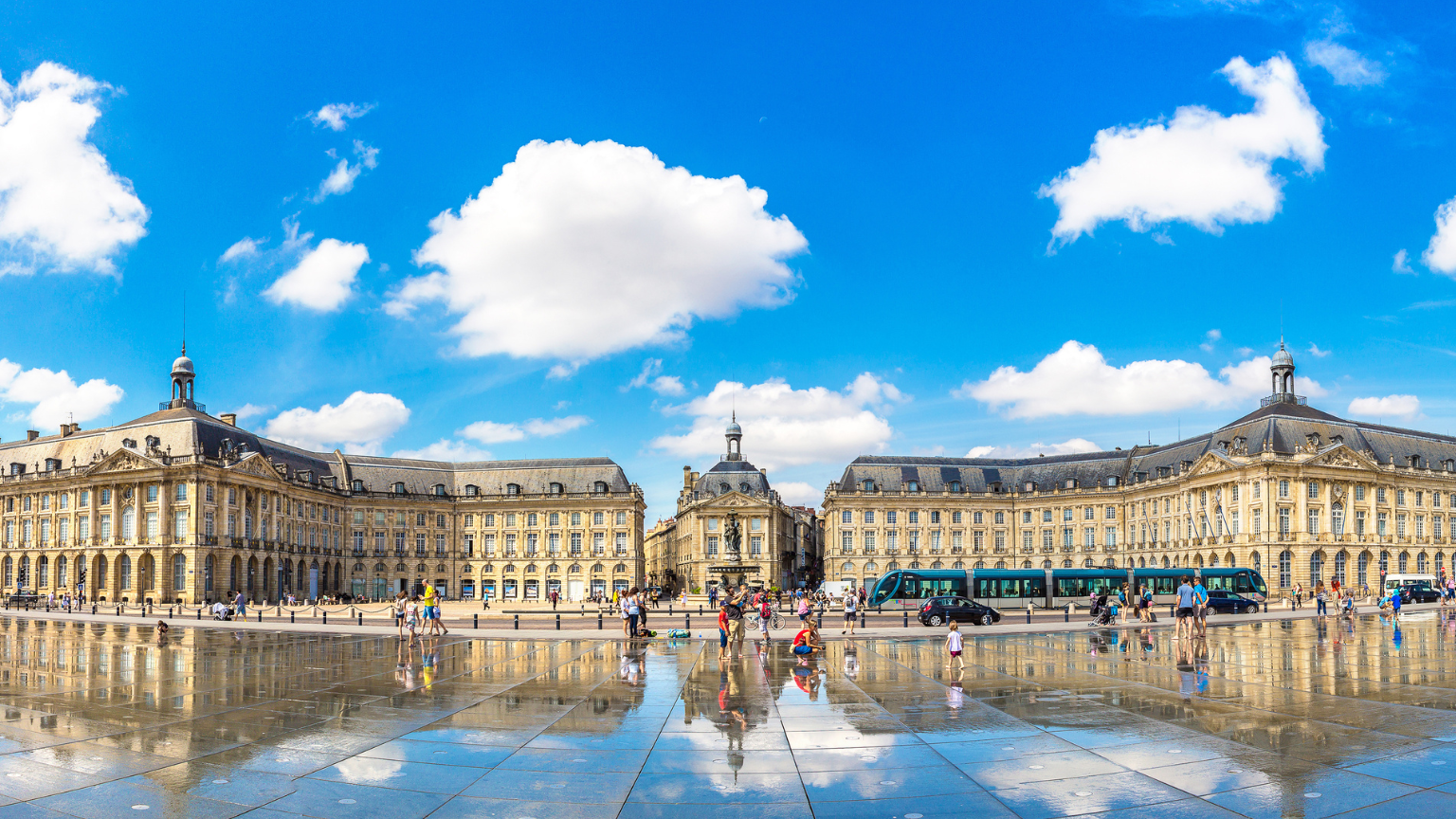
Bordeaux, France

Paris has always been busy, but major events and rising visitor numbers have pushed many travelers to look elsewhere in France for a city break. Bordeaux has stepped confidently into that role, with glowing write ups calling it a cheaper, less crowded alternative that still delivers serious architecture, food, and culture. High speed trains make it easy to reach, and the city has invested heavily in new restaurants, markets, and riverfront spaces.
You can stroll along wide boulevards lined with eighteenth century buildings, browse one of the country’s top flea markets, and take trams out to emerging neighborhoods full of wine bars and galleries. The city also makes a perfect base for day trips into nearby vineyards or to the Atlantic coast for seafood and dune climbing. Even during busy seasons, Bordeaux tends to feel more local than the capital, with a slower rhythm that pairs nicely with long lunches and evening apéritifs. It is an ideal choice if you want big city culture without big city stress.
Coimbra, Portugal

Lisbon and Porto have turned into full scale darlings on social media, which means higher prices and heavier crowds year round. Coimbra, tucked roughly halfway between them, offers a refreshing break from that intensity. The city is home to one of the world’s oldest universities, with soaring libraries and hilltop campuses that look out over the Mondego River. It often shows up in relocation and travel guides as a budget friendly, underrated destination where you can experience authentic Portuguese life without capital city prices.
You can spend mornings wandering steep lanes lined with bookstores and pastelaria cafés, then tour historic lecture halls and cloisters in the afternoon. Evenings might mean live Fado music in small venues or simple dinners built around local specialties and regional wine. Because the city is smaller, it is easy to get everywhere on foot or by a short taxi ride, which keeps travel days simple. Coimbra is especially appealing if you like the idea of staying put for a few nights and getting to know one place well instead of city hopping every day.
Valletta, Malta

As Mediterranean cruise stops and island resorts wrestle with overtourism, Malta has seen a noticeable uptick in visitors while still remaining under many travelers’ radar. Valletta, the tiny island nation’s capital, packs an incredible amount of history, architecture, and sea views into a very small footprint. Airlines continue to add budget friendly routes, and Valletta often ranks among Europe’s sunniest capitals, which makes it attractive in shoulder and winter seasons.
The city’s grid of golden stone streets, baroque churches, and harbor views makes it feel like a movie set, yet locals still fill the markets and waterfront promenades. You can tour fortresses, hop on harbor cruises, and wander into small wine bars built into old bastions. Because Valletta is so compact, it is easy to combine a city stay with bus or boat trips to quieter beaches, fishing villages, and hilltop towns around Malta and neighboring Gozo. It is a great option if you want a European city break with strong island holiday energy.
Kanazawa, Japan

Kyoto is at the center of Japan’s overtourism conversation, with local authorities and tourism officials urging travelers to spread out to other cities. Kanazawa has emerged as one of the best alternatives, offering beautifully preserved geisha districts, samurai quarters, and one of Japan’s most famous gardens without the same level of crowding. It has featured prominently in campaigns encouraging visitors to explore beyond the classic Tokyo Kyoto Osaka triangle.
You can stroll past wooden teahouses in the Higashi Chaya district, sample sushi at the Omicho Market, and spend unhurried time in Kenrokuen Garden, which is beautiful in every season. The city core is walkable, and trams and buses make it easy to get around without stress. Boutique hotels and ryokan style guesthouses give you a choice of modern comfort or traditional tatami rooms. Kanazawa offers a chance to experience classic Japanese culture at a gentler pace than in the better known cities.
Chiang Rai, Thailand

Bangkok and Chiang Mai have seen huge spikes in visitor numbers in recent years, and that is especially obvious during peak season when streets and temples fill up. Chiang Rai, a few hours north, is increasingly recommended as a quieter alternative for travelers who want northern Thai culture without heavy traffic and late night noise. It has a more laid back atmosphere, with lower prices than Chiang Mai and a calm that many visitors appreciate.
The city is famous for the White Temple and the contrasting Black House and Blue Temple, all of which feel like art installations as much as religious sites. Beyond those headliners, you can explore local night markets, coffee shops, and small museums at an easy pace. Day trips reach mountain villages, tea plantations, and Mekong River viewpoints, which makes Chiang Rai a great base for exploring the wider Golden Triangle region. If you are looking for a city that still feels very Thai while being gentler on your nerves and budget, Chiang Rai delivers.
This article was written by Hunter and edited with AI Assistance