
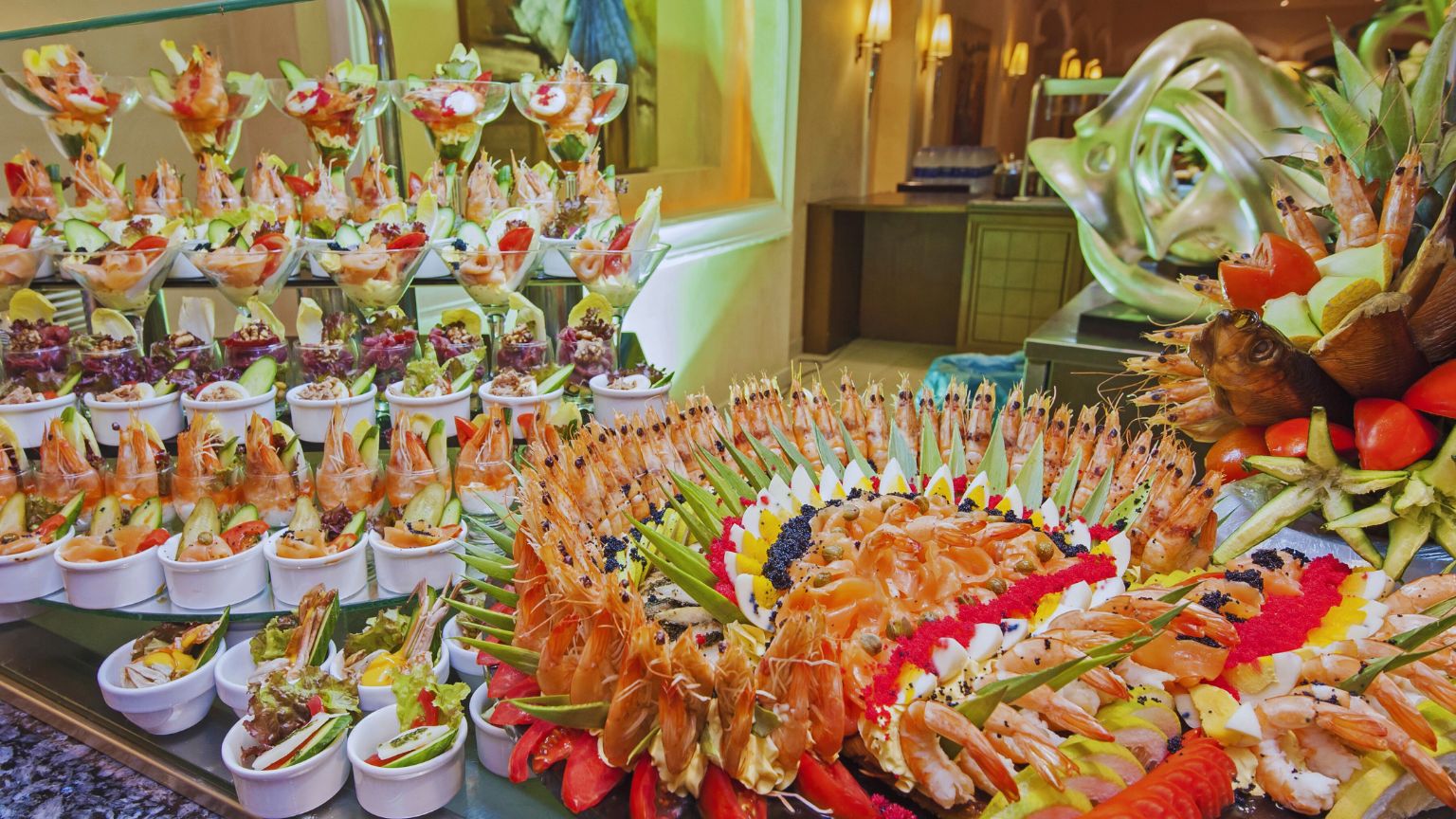

All-inclusive buffets promise endless food and fun, but there’s more to them than meets the eye. From clever layouts to hidden safety risks, these dining experiences are packed with surprises that can enhance or challenge your vacation. Whether you’re a buffet newbie or a seasoned traveler, these 20 insights will help you navigate and enjoy your next feast. Dive in to discover what makes these spreads unique and plan your trip with confidence.
1. Buffets Use Psychology to Fill You Up Fast

Buffet layouts often place cheap, starchy foods like bread and pasta at the start to fill your plate early. This trick saves resorts money since you’re less likely to reach pricier meats or seafood. Studies show diners eat less of high-cost items when carbs come first. Knowing this, scout the full spread before loading up to get the best value.
2. Live Cooking Stations Offer the Freshest Bites

Many all-inclusive buffets feature live stations where chefs whip up omelets, stir-fries, or grilled meats on the spot. These dishes are fresher and often customizable, letting you tweak flavors to your taste. Watching the cooking adds a fun vibe to your meal. Seek these stations out to elevate your dining experience.
3. Food Safety Can Be a Concern

Buffets face risks from food sitting out too long, potentially growing bacteria if not kept at proper temperatures. Warm dishes should stay above 140°F, but some warmers only reach 120°F, creating hazards. Staff may not always monitor temperatures closely, so stick to freshly served items. Choose high-traffic buffets with quick turnover to minimize risks.
4. You Can’t Take Leftovers Home

All-inclusive buffets strictly prohibit taking food out to prevent waste and ensure fairness. This rule keeps costs down for resorts, as diners can’t stockpile extras. If you want a snack later, grab it from designated poolside or snack bars instead. Always finish what’s on your plate to avoid waste.
5. Prices Reflect Perceived Value

Research shows diners enjoy buffets more when prices are higher, expecting better quality for the cost. A 2014 study found people rated the same food tastier at $8 than $4. Resorts price all-inclusive buffets, often $20-$50, to signal premium offerings. Don’t let a low price fool you—check reviews for quality.
6. Some Food Gets Repurposed

Buffets often reuse leftovers creatively to cut costs, turning Monday’s fish into Tuesday’s fish soup. This practice is common but safe only if food is stored properly. Ask staff about preparation if you’re wary of older dishes. Opt for freshly cooked items to avoid repurposed surprises.
7. The Smörgåsbord Inspired Modern Buffets

The all-you-can-eat buffet traces back to Sweden’s smörgåsbord, showcased at the 1912 Stockholm Olympics. It gained traction in the U.S. after the 1939 New York World’s Fair. Vegas pioneered the modern buffet in 1946 at El Rancho hotel, sparking a dining trend. Knowing this history adds charm to your buffet experience.
8. Specialty Restaurants May Cost Extra

Not all dining at all-inclusive resorts is covered by your package. Upscale à la carte restaurants, like those serving lobster, often charge $20-$50 extra. Check your resort’s policy before assuming every meal is included. Book specialty spots early for a gourmet treat.
9. Buffets Encourage Small Portions for Variety

Taking small portions lets you sample a wide range of dishes without overeating. Resorts design buffets with variety in mind, offering global cuisines from sushi to tacos. Start with light bites like salads to save room for mains and desserts. This strategy maximizes your culinary adventure.
10. Drinks Often Come at a Markup

Soft drinks and alcohol at buffets may not be included, with sodas costing $2 despite a 12-cent cost to the resort. This 1,500% markup boosts profits. Ask about drink inclusions before ordering to avoid surprises. Stick to included water or juices to keep costs down.
11. Hygiene Depends on Staff Training

Buffets can be germ hotspots if staff aren’t trained in food safety. Cross-contamination from shared tongs or improper food handling is a risk. Choose resorts with strong hygiene reviews, and avoid dishes left out too long. Wash hands before eating to stay safe.
12. Themed Nights Add Excitement

Many buffets host themed nights, like Mexican fiestas or seafood extravaganzas, to keep dining fresh. These events feature special dishes and festive decor, enhancing the vibe. Check the resort’s schedule to catch your favorite theme. It’s a fun way to spice up your meal.
13. Overeating Is a Common Trap

The endless spread tempts diners to overfill plates, leading to discomfort or waste. Resorts count on this, as overeaters take less of pricier items. Pace yourself, take breaks between plates, and sip water to enjoy more. This approach lets you savor every bite without regret.
14. Desserts Are a Highlight

Buffet dessert tables dazzle with cakes, pastries, and ice cream, often outshining main dishes. Resorts use these sweets to draw crowds, knowing they’re a fan favorite. Save room by taking smaller savory portions early on. Sample bite-sized treats to satisfy your sweet tooth.
15. Weather Can Affect Food Quality

Outdoor buffets, common at resorts, face challenges from heat or humidity, which can spoil food faster. Indoor setups with climate control are safer bets for freshness. Check if your buffet is sheltered, especially in tropical climates. Stick to covered dishes to avoid weather-related risks.
16. Buffets Minimize Staffing Costs

Resorts save money by having guests serve themselves, reducing the need for waitstaff. This efficiency keeps all-inclusive prices lower but can strain food safety oversight. Look for buffets with attentive staff monitoring trays. A well-run setup ensures a better dining experience.
17. Dietary Needs Can Be Tricky

All-inclusive buffets may struggle to cater to allergies or diets like gluten-free or vegan. Cross-contamination from shared utensils is a concern, as seen in a 2025 Mexico resort incident where a celiac diner got sick. Notify staff of restrictions in advance, ideally a month before. Resorts like Sandals offer chef consultations for special diets.
18. Waste Is a Big Issue

Diners often take more than they can eat, leading to significant food waste. Resorts urge taking small portions to try new dishes and return for more if needed. Be mindful and only take what you’ll finish. This helps keep buffets sustainable and enjoyable.
19. Kids’ Options Are Plentiful

Family-friendly resorts stock buffets with kid-approved foods like hot dogs, pizza, and waffles. These keep picky eaters happy while parents explore global dishes. Check for kid-specific sections to simplify family meals. It’s a win-win for vacation dining.
20. Buffets Are Evolving in 2025

All-inclusive buffets are moving beyond basic spreads, with resorts adding gourmet stations and local flavors. Some, like Sandals’ 2025 dine-out programs, let you eat at nearby restaurants for variety. Expect more interactive experiences, like chef-led tastings, this year. Research resorts for the latest dining trends before booking.
This article was written by Will and edited with AI assistance.