
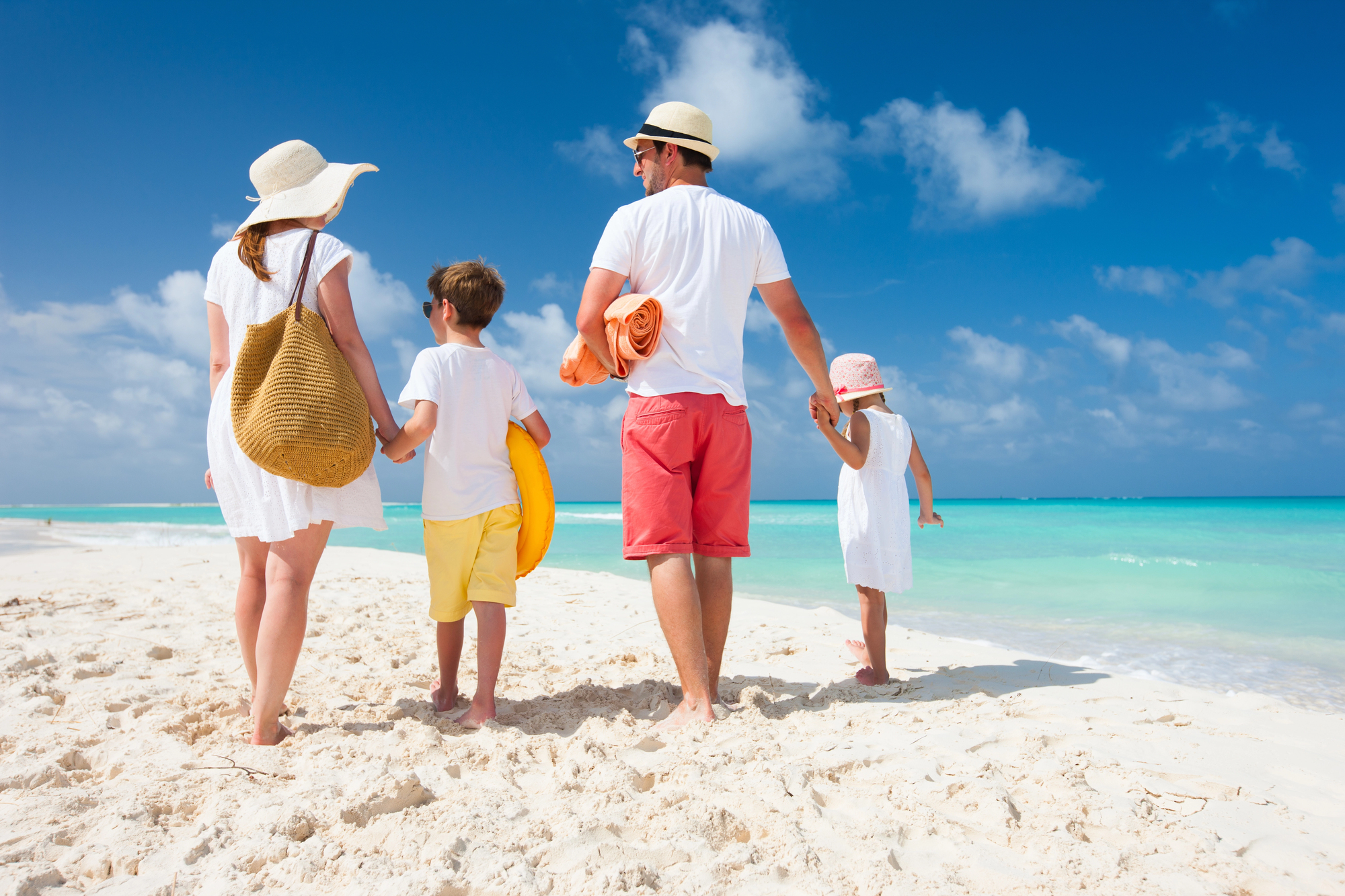

Traveling isn't just about snapping breathtaking photos or sampling exotic cuisines; it's a profound avenue for enhancing mental well-being. The hustle and bustle of daily life often leave little room for mental rejuvenation. However, embarking on a vacation can be a game-changer, offering fresh perspectives and a much-needed break from the monotony. This list dives into the myriad ways traveling boosts mental health, from reducing stress to enhancing creativity.
1. Breaks the Cycle of Stress (A beach getaway can lower cortisol levels)

Stepping away from the daily grind and into a new environment can significantly lower stress levels. Research shows that just being near the water, such as on a beach vacation, can decrease cortisol levels, a hormone linked to stress. The change of scenery and pace allows the mind to relax and reset. This break from stress is not just a temporary relief but can have lasting effects on overall well-being. It's like hitting the reset button on your mental health, giving you a clearer, calmer mindset as you return to daily life.
2. Enhances Creativity (New experiences are to creativity what water is to plants)

Travel exposes individuals to different cultures, ideas, and perspectives, acting as a catalyst for creativity. When you encounter new situations and challenges while traveling, your brain is forced to think in novel ways. This stimulation can lead to a surge in creativity, even after you return home. Artists, writers, and musicians often talk about how traveling has inspired their work. Essentially, new experiences are to creativity what water is to plants—they make it bloom.
3. Boosts Happiness and Satisfaction (Anticipation alone can uplift your mood)

The excitement that comes with planning a trip and the anticipation of exploring new places can significantly boost one's mood and overall happiness. Studies have found that the process of planning and anticipating a vacation can be just as beneficial for your mental health as the trip itself. This sense of excitement and expectation contributes to a more positive outlook on life. The joy derived from travel experiences creates lasting memories that can be recalled to uplift mood long after the trip. It's a cycle of happiness that starts with booking your ticket and continues through reminiscing about your adventures.
4. Improves Resilience (Adapting to new situations strengthens mental flexibility)

Traveling often involves unexpected challenges, whether it's navigating a foreign city or dealing with a language barrier. Overcoming these obstacles not only boosts your confidence but also enhances your mental resilience. This adaptability is crucial for mental health, as it improves your ability to cope with future stressors in everyday life. Each successful adaptation to a new environment or situation reinforces the understanding that you can handle challenges. As a result, travelers tend to be more flexible and resilient in the face of life’s unpredictabilities.
5. Promotes Physical Activity (Exploring by foot increases serotonin levels)

Vacations often involve more physical activity than the typical day-to-day life, whether it’s hiking in the mountains, walking through city streets, or swimming in the ocean. This increase in physical activity boosts endorphin and serotonin levels, chemicals in the brain that enhance mood and promote a sense of well-being. Regularly engaging in these activities can improve sleep quality and reduce anxiety. Even leisurely walks in a new city can contribute to your physical and mental health. The combination of physical activity and experiencing new sights and sounds is a powerful mood enhancer.
6. Encourages Real-life Connections (Social interactions are more meaningful)

Traveling provides numerous opportunities to meet new people and foster connections, contributing to a sense of belonging and community. These real-life interactions, whether with locals or fellow travelers, enrich the travel experience and can significantly boost mental health. Engaging in meaningful conversations and sharing experiences with others can lead to increased feelings of happiness and decreased feelings of depression. The social aspect of traveling encourages empathy, understanding, and a sense of global citizenship. It’s these unplanned encounters and friendships that often become the most cherished parts of a trip.
7. Provides Rest and Rejuvenation (Sleeping without an alarm clock can reset your body clock)

A vacation offers a rare chance to escape the alarm clock and sleep according to your body's natural rhythms. This break from routine can improve sleep quality and duration, leading to better mental health. The relaxation that comes with not having a set schedule reduces anxiety and stress, allowing the body and mind to heal and rejuvenate. Better sleep enhances cognitive functions, mood, and even physical health. It's a simple yet profound way to reset your body clock and improve overall well-being.
8. Offers a New Perspective (Traveling broadens your horizons and shifts viewpoints)

Being immersed in new cultures and environments can profoundly change your perspective on life, yourself, and the world around you. It challenges preconceived notions and opens the mind to new ideas and possibilities. This broadening of horizons can lead to greater empathy and understanding, reducing feelings of anger or depression associated with narrow worldviews. Travelers often return home with a renewed sense of appreciation for what they have and a clearer sense of what they want in life. It's this shift in perspective that can lead to significant mental health improvements.
9. Reduces the Risk of Burnout (Regular getaways prevent job burnout and improve productivity)

Regular vacations can prevent job burnout by providing a necessary break from work-related stress and routines. Studies have shown that employees who take regular vacations are more productive, have higher job satisfaction, and are less likely to suffer from burnout. The mental break helps to restore focus and energy, making it easier to tackle challenges upon returning to work. This improved productivity and job satisfaction contribute to better mental health. It’s a win-win for both employees and employers, highlighting the importance of taking time off.
10. Strengthens Relationships (Shared experiences build stronger bonds)

Traveling with friends or family members can strengthen relationships through shared experiences and memories. Overcoming travel challenges together can build trust and improve communication skills, essential components of healthy relationships. The quality time spent together away from the distractions of everyday life allows for deeper connections to be formed. These strengthened bonds contribute to a support system that is crucial for mental health. Plus, having a travel companion can make the experience even more enjoyable and less stressful.
11. Increases Confidence (Solo travel teaches self-reliance)

Solo travel, in particular, offers a unique opportunity to step out of your comfort zone and become more self-reliant. Making decisions alone, navigating new places, and solving problems independently can significantly boost your confidence. This increased self-assurance carries over into daily life, improving your ability to face challenges with a positive outlook. The sense of achievement that comes from solo travel is unmatched, providing a profound sense of personal growth. It's an empowering experience that proves you're capable of more than you might have thought possible.
12. Encourages Mindfulness (Being present in the moment enhances mental clarity)

Traveling encourages you to live in the moment, whether you're marveling at a sunset or savoring a new dish. This practice of mindfulness can reduce symptoms of anxiety and depression by focusing your attention on the present. It enhances mental clarity and reduces the tendency to worry about the past or future. By fully experiencing and appreciating each moment, travelers can achieve a state of calm and contentment. This focus on the present moment is a valuable skill that improves mental health and can be applied in everyday life.
13. Provides a Sense of Achievement (Completing a challenging hike or navigating a new city boosts self-esteem)

Accomplishing travel-related goals, such as completing a challenging hike or successfully navigating a foreign city, can provide a significant boost to self-esteem. These achievements, big or small, contribute to a sense of accomplishment and self-worth. The confidence gained from these experiences can encourage individuals to set and achieve more goals in their personal and professional lives. This cycle of setting, pursuing, and achieving goals is crucial for mental health and personal development. Each accomplishment, whether on the road or at home, builds a foundation for a healthier, more fulfilled life.
14. Detaches from Technology (Digital detox improves sleep and reduces stress)

Vacations offer a perfect opportunity for a digital detox, providing a break from the constant connectivity of smartphones, laptops, and social media. This detachment from technology can lead to better sleep, reduced stress, and improved relationships. Without the constant notifications and distractions, you're more likely to engage fully with your surroundings and the people you're with. The mental space cleared by stepping away from digital devices allows for reflection and rejuvenation. It's a reminder of the benefits of living in the moment and the importance of occasionally disconnecting to reconnect with yourself and others.
15. Rekindles Passion and Inspiration (Nature and new cultures reawaken the senses)

Experiencing the beauty of nature and the richness of new cultures can rekindle passion and inspiration. Whether it’s the tranquility of a tropical beach, the majesty of a mountain range, or the vibrancy of a bustling city, travel can awaken the senses and revive a sense of wonder. This reawakening can reignite creativity, motivation, and a zest for life that may have been dulled by routine. Travelers often return home with new ideas, goals, and a renewed enthusiasm for hobbies and interests. It's a powerful way to break out of a rut and rediscover what excites and motivates you.
16. Offers a Sense of Freedom (Choosing your own adventure fosters independence)

The ability to choose your own adventure while traveling fosters a unique sense of freedom and independence. This autonomy in decision-making, from choosing destinations to planning daily activities, can be incredibly empowering. It reinforces the belief in one’s ability to shape their own experiences and destiny. This sense of freedom is liberating, often leading to greater self-discovery and personal growth. The independence gained from travel is a valuable asset that enhances mental health and resilience.
17. Enhances Problem-Solving Skills (Unexpected challenges improve cognitive flexibility)

Travel inevitably involves unexpected challenges, from missed connections to language barriers. Overcoming these obstacles requires quick thinking and adaptability, enhancing problem-solving skills and cognitive flexibility. These improved mental capabilities are beneficial not only while traveling but in everyday life, making it easier to navigate challenges and stressors. The ability to think on your feet and adapt to new situations is a crucial life skill. Traveling provides a fun, real-world context to develop and refine these abilities.
18. Fosters Gratitude (Experiencing different ways of life cultivates appreciation)

Being exposed to new cultures and witnessing different ways of life can foster a deep sense of gratitude. Travel often highlights the blessings we take for granted, from easy access to clean water to the luxury of free time. This heightened awareness can lead to a more appreciative and contented outlook on life. The practice of gratitude is linked to numerous mental health benefits, including increased happiness and reduced depression. Experiencing the diversity of life around the globe cultivates an enduring sense of appreciation for what we have.
19. Reduces Feelings of Loneliness (Being part of a global community fosters connection)

Traveling can significantly reduce feelings of loneliness by fostering a sense of connection to a larger, global community. Engaging with diverse groups of people and cultures emphasizes our common humanity and the shared experiences that unite us. This sense of belonging to a wider community can be profoundly comforting. The friendships and connections made while traveling can last a lifetime, providing a lasting antidote to loneliness. It’s a powerful reminder that, no matter where one goes, there are always opportunities to connect and share in the human experience.
20. Allows for Self-Reflection (Quiet moments in new places offer insights into personal growth)

Travel provides invaluable opportunities for self-reflection, away from the distractions and demands of everyday life. Quiet moments spent in new surroundings can offer profound insights into personal values, goals, and aspirations. This introspection can lead to significant personal growth and a clearer understanding of one’s self and path in life. The lessons learned and the perspectives gained through travel can inform life choices and directions long after the trip has ended. It’s these moments of reflection that often have the most enduring impact on mental health and well-being.
This article was written by a human and edited with AI Assistance