

National Parks serve as the guardians of our planet's natural splendor, hosting an array of iconic landmarks that beg to be seen. From towering mountain peaks to deep, colorful canyons, these parks offer a glimpse into the raw beauty and diverse ecosystems that make our earth unique. Each park mentioned here not only protects these natural wonders but also provides a gateway for millions of visitors to witness the awe-inspiring landscapes. Ready to be wowed by nature's most breathtaking creations? Let's dive into the list.
1. Yellowstone National Park (Home to the legendary Old Faithful)

Yellowstone, recognized as the world's first national park, dazzles with its geothermal wonders, among which Old Faithful stands as a towering symbol of nature's timing and power. Erupting every 35 to 120 minutes, this geyser has become a must-see spectacle that draws crowds from around the globe. Beyond its geysers, Yellowstone's vast landscapes offer everything from lush forests to dramatic canyons, making it a paradise for nature lovers. Wildlife enthusiasts also find their haven here, with the park's valleys teeming with bison, elk, and sometimes even wolves. Truly, Yellowstone encapsulates the wild heart of North America's natural beauty.
2. Yosemite National Park (Features the majestic Half Dome)

Yosemite National Park, a UNESCO World Heritage Site, is famed for its stunning granite cliffs, among which Half Dome reigns supreme. This iconic landmark, known for its unique shape, challenges hikers and climbers who dare to reach its summit, offering unparalleled views of the valley below. The park's diverse landscapes include ancient sequoia trees, breathtaking waterfalls, and clear streams, all nestled within California's Sierra Nevada mountains. Each year, millions of visitors are drawn to Yosemite to immerse themselves in its natural splendor. It's a place where the spirit of adventure is alive, and the beauty of the wilderness is endless.
3. Grand Canyon National Park (Boasts the awe-inspiring Grand Canyon)

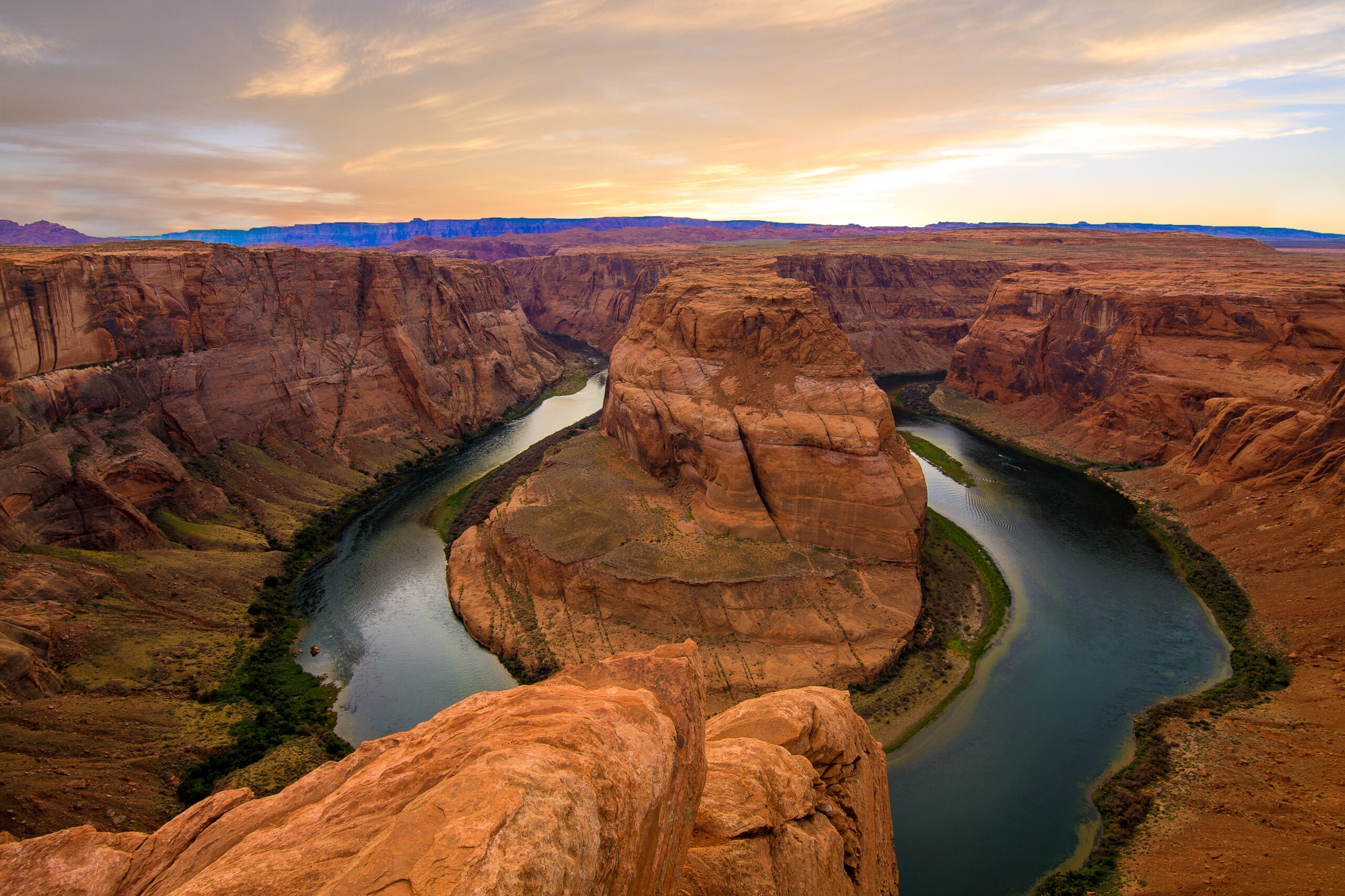
The Grand Canyon, with its immense size and intricate landscapes, is a marvel of the natural world that anchors the park named after it. Carved by the Colorado River over millions of years, this vast chasm stretches over 277 miles, revealing layers of Earth's geological history. Visitors to the park can explore its depths through hiking, rafting, and even helicopter tours, each offering a different perspective on its grandeur. The park's viewpoints, such as the famous South Rim, provide breathtaking vistas that are often highlighted during sunrise and sunset. The Grand Canyon is a testament to the power of natural forces and the timeless beauty they can create.
4. Zion National Park (Showcases the stunning Narrows)

Zion National Park is a sanctuary of sandstone cliffs, towering rock formations, and serene rivers, with the Narrows being its crowning jewel. This gorge, carved by the Virgin River, is one of the most popular slot canyon hikes in the world, inviting adventurers to wade through its waters. The park's unique geography creates diverse habitats, supporting a range of wildlife and plant species. With its array of trails, Zion caters to both the casual day hiker and the seasoned backpacker. Its awe-inspiring scenery and natural tranquility make Zion a high point for those seeking to connect with the outdoors.
5. Great Smoky Mountains National Park (Home to the ancient Smoky Mountains)

Nestled on the border between North Carolina and Tennessee, Great Smoky Mountains National Park is renowned for its vast biodiversity, historic settlements, and, of course, the mist-covered peaks that give it its name. These ancient mountains offer a scenic backdrop to a network of trails that guide visitors through lush forests, past cascading waterfalls, and alongside flowing streams. As America's most visited national park, it provides a haven for wildlife, including the densest black bear population in the Eastern United States. The park's elevation gradient allows for a remarkable variety of plants and animals to thrive. The Smokies are a living museum of natural and human history, inviting exploration and discovery.
6. Olympic National Park (Features the mesmerizing Rainforests)

Olympic National Park, a UNESCO World Heritage Site, is a sanctuary of biodiversity located in Washington State. It uniquely encompasses three distinct ecosystems: rugged coastline, mountain ranges, and temperate rainforests, with the Hoh Rainforest being a highlight. This verdant, moss-laden forest receives upwards of 14 feet of rain a year, creating a lush, green wonderland that feels like stepping into another world. The park's varied landscapes offer endless adventures, from tide pooling along its beaches to summiting the snow-capped peaks of the Olympic Mountains. Olympic's natural diversity offers a profound reminder of the planet's ecological richness.
7. Rocky Mountain National Park (Boasts over 60 mountain peaks)

Colorado's Rocky Mountain National Park is a high-altitude haven for mountaineers, hikers, and anyone who appreciates breathtaking mountain vistas. With over 60 peaks rising above 12,000 feet, the park offers a dramatic landscape that includes alpine lakes, dense forests, and meadows filled with wildflowers in the spring and summer. Trail Ridge Road, the park's scenic byway, provides panoramic views and is the highest continuous paved road in the United States. Wildlife, from elk to bighorn sheep, roam freely, offering visitors a glimpse into the area's natural inhabitants. The Rockies serve as a magnificent backdrop for outdoor adventures and a reminder of nature's grandeur.
8. Joshua Tree National Park (A haven for unique Joshua Trees)

Where the Mojave and Colorado deserts meet, Joshua Tree National Park stands as a testament to the beauty of the desert. Named for the Joshua Trees that dot the landscape, these unique plants provide a surreal backdrop to the rugged rock formations and stark desert vistas. Climbers and hikers are drawn to the park for its challenging routes and trails that offer stunning views, especially under the star-filled night sky. The park's diverse ecosystem supports a variety of wildlife, adapting to thrive in the harsh desert conditions. Joshua Tree is not just a park; it's a striking example of nature's adaptability and resilience.
9. Glacier National Park (Features the majestic Going-to-the-Sun Road)

Glacier National Park, known as the "Crown of the Continent," protects stunning mountain landscapes, pristine lakes, and its namesake glaciers in Montana. The Going-to-the-Sun Road, a marvel of engineering, offers one of the most scenic drives in America, winding through the park's rugged terrain and providing access to numerous hiking trails and viewpoints. Despite its name, the park's rapidly receding glaciers highlight the urgent issue of climate change. The diverse habitats within Glacier support a wide array of wildlife, including grizzly bears and mountain goats. Visitors are treated to a landscape that's both awe-inspiring and a poignant reminder of the natural world's fragility.
10. Acadia National Park (Home to the first sunrise in the U.S.)

Acadia National Park, located on the rugged coast of Maine, offers a stunning blend of ocean, mountains, and forests. It's famously known for Cadillac Mountain, where visitors can witness the first sunrise in the United States from October to March. The park's diverse landscapes provide a playground for outdoor activities, from hiking and biking on its carriage roads to kayaking in its clear waters. With its rich biodiversity, Acadia supports a variety of ecosystems and is a hotspot for birdwatching. The park's beauty is a testament to the Atlantic coast's natural heritage, inviting exploration and contemplation.
11. Grand Teton National Park (Boasts the dramatic Teton Range)

Grand Teton National Park in Wyoming captivates visitors with the awe-inspiring Teton Range, a series of rugged mountains that rise abruptly from the valley floor. This dramatic landscape offers a paradise for climbers, hikers, and photographers seeking to capture the beauty of the peaks reflected in the park's glacial lakes. The Snake River meanders through the park, providing opportunities for fishing, rafting, and observing wildlife. Grand Teton's rich ecosystem supports a variety of animals, including moose, bears, and eagles. The park's breathtaking scenery and wildlife make it a premier destination for those seeking the tranquility and adventure of the great outdoors.
12. Everglades National Park (A sanctuary for diverse wildlife)

Florida's Everglades National Park is a vast subtropical wilderness, known for its unique ecosystem that supports an incredible diversity of life. This UNESCO World Heritage Site is a critical habitat for numerous endangered species, including the manatee, the American crocodile, and the elusive Florida panther. The park's network of wetlands, forests, and marine environments can be explored by foot, boat, or kayak, offering visitors a glimpse into its serene beauty and wild inhabitants. Birdwatchers flock to the Everglades for its spectacular birding opportunities, with hundreds of bird species calling the park home. The Everglades stand as a testament to nature's resilience and the importance of conservation.
13. Banff National Park (Features the stunning Lake Louise)

Canada's Banff National Park, nestled in the heart of the Rocky Mountains, is renowned for its breathtaking landscapes, including the turquoise waters of Lake Louise. Surrounded by towering peaks and glaciers, Lake Louise is a jewel of the park, drawing visitors from all corners of the globe. The park's extensive trail system invites exploration of its diverse terrains, from lush forests and meadows to rugged mountains. Winter transforms Banff into a snowy wonderland, ideal for skiing, snowboarding, and ice skating. The unparalleled beauty of Banff not only offers a retreat into nature but also underscores the importance of preserving these precious landscapes.
14. Sequoia National Park (Home to the giant Sequoias)

In the heart of California, Sequoia National Park protects some of the largest trees on Earth, the majestic Sequoias. These ancient giants, including the General Sherman Tree, the largest tree by volume, offer a humbling perspective on the natural world. The park's landscape is a dramatic mix of rugged foothills, deep canyons, and towering mountains, including Mount Whitney, the highest peak in the contiguous United States. Hiking trails wind through the forest, inviting visitors to marvel at the size and age of these trees, some of which are over 3,000 years old. Sequoia National Park is a sanctuary for these towering wonders and a reminder of nature's grandeur and history.
15. Canyonlands National Park (Boasts the dramatic Mesa Arch)

Utah's Canyonlands National Park offers a landscape carved by the Colorado River, creating a vast wilderness of canyons, mesas, and buttes. The park's iconic Mesa Arch, a natural stone arch perched at the edge of a cliff, frames the stunning canyons below and is a favorite spot for photographers, especially at sunrise. With its remote trails and untouched landscapes, Canyonlands is a haven for those seeking solitude and adventure. The park's diverse ecosystems support a variety of wildlife, while its ancient rock art speaks to a long history of human presence. Canyonlands invites visitors to immerse themselves in its vast, wild beauty, offering a profound sense of connection to the earth.
16. Arches National Park (Features over 2,000 natural stone arches)

Arches National Park, also in Utah, is a surreal landscape of over 2,000 natural sandstone arches, including the world-famous Delicate Arch. These geological wonders have been sculpted over millennia, creating a playground for the imagination and a paradise for photographers. The park's unique terrain offers trails for every level of hiker, from short walks to rigorous treks. At night, Arches transforms into a stargazer's dream, with clear skies showcasing the Milky Way in all its glory. The park's natural arches represent a fleeting moment in geological time, inviting awe and reflection.
17. Petrified Forest National Park (A showcase of ancient petrified wood)

Petrified Forest National Park, located in Arizona, is a mesmerizing landscape where logs have turned to stone through the process of petrification over millions of years. This park is not just about petrified wood; it also features colorful badlands, ancient petroglyphs, and a portion of the Painted Desert. Hiking trails and scenic drives offer visitors a journey through this otherworldly terrain, where history and geology intertwine. The park's diverse ecosystem supports a range of wildlife, adding to its allure as a place of natural and scientific interest. Petrified Forest is a testament to the ever-changing nature of the Earth, offering a unique window into the past.
18. Bryce Canyon National Park (Famous for its hoodoo rock formations)

Bryce Canyon National Park, known for its incredible hoodoos—tall, thin spires of rock that protrude from the bottom of arid basins—is a visual marvel in Utah. The largest collection of hoodoos in the world can be found here, offering a landscape that seems more akin to an alien planet than Earth. Hiking trails and viewpoints along the rim of the canyon provide stunning perspectives of the park's unique geology. The park's high elevation makes for cool summer temperatures and provides breathtaking night skies, perfect for stargazing. Bryce Canyon's otherworldly beauty and natural amphitheaters invite visitors to marvel at one of nature's most fascinating sculptures.
19. Denali National Park (Home to North America's highest peak)

Denali National Park in Alaska encompasses over 6 million acres of wild land, with the towering Denali, formerly known as Mount McKinley, as its centerpiece. Standing at 20,310 feet, Denali is the highest peak in North America, drawing mountaineers from around the world. The park's vast, untouched landscapes offer opportunities for wildlife viewing, with grizzly bears, caribou, and wolves roaming its expanses. Denali's single road provides access to the heart of the park, inviting visitors to experience the solitude and majesty of the Alaskan wilderness. The park's dramatic landscapes and diverse wildlife make it a pinnacle of natural beauty and adventure.
20. Saguaro National Park (A desert full of the giant Saguaro cactus)

In the heart of the Arizona desert, Saguaro National Park protects the giant Saguaro cactus, a symbol of the American West. These towering cacti, which can live for over 200 years, dominate the landscape, creating a striking contrast against the backdrop of the Sonoran Desert. The park is split into two districts, each offering trails that meander through dense cactus forests, showcasing the plant's beauty and resilience. In addition to its namesake cacti, the park is home to a variety of desert wildlife, including the Gila woodpecker and desert tortoise. Saguaro National Park offers a unique glimpse into the vibrant life that thrives in one of the harshest environments on Earth.
This article was written by a human and edited with AI Assistance