

When the crowds and clamor of Europe's capital cities get a bit much, there's nothing like discovering a nearby second city that offers its own unique charm without the throngs of tourists. These gems provide a blend of cultural experiences, historical richness, and often more relaxed vibes. Whether looking for a quiet café-lined street, lesser-known museums, or just a new cityscape to wander, these second cities pack a punch in terms of experience and discovery.
1. Ghent (Belgium's underrated star)

Just a stone's throw from Brussels, Ghent dazzles with its medieval architecture, vibrant street art scene, and lively night-life. Unlike its famous neighbor Bruges, Ghent remains relatively untouched by mass tourism, offering a more authentic Belgian experience. The city's canals and cobblestone streets invite leisurely walks, while its museums and historic sites like Gravensteen, a 12th-century castle, are sure to impress. Foodies will delight in Ghent's culinary scene, which includes everything from traditional Belgian dishes to international cuisine. The city also hosts numerous festivals throughout the year, adding to its allure.
2. Lyon (France's culinary capital)

Lyon, nestled between Paris and Marseille, is the heart of French gastronomy. This city is a food lover's paradise, with its bouchons (traditional Lyonnaise restaurants) serving up local specialties like quenelles and coq au vin. Lyon's historical significance is evident in its UNESCO-listed old town, Roman ruins, and Renaissance architecture. The city is also a hub for contemporary arts, with the Confluence district showcasing cutting-edge museums and galleries. Its picturesque rivers, the Rhône and Saône, offer idyllic spots for a leisurely stroll or a sunset cruise.
3. Valencia (Spain's cultural cocktail)

While Barcelona and Madrid often steal the spotlight, Valencia shines with its own vibrant culture, history, and innovation. Known for the stunning City of Arts and Sciences, Valencia blends the old with the new in spectacular fashion. The city's beaches are among the best in Spain, offering golden sands and crystal-clear waters. Valencia is the birthplace of paella, making it the go-to destination for authentic Valencian cuisine. Its historic center, with the Silk Exchange and Valencia Cathedral, provides a glimpse into the city's rich past.
4. Porto (Portugal's wine wonderland)

Porto, Portugal's second city, is famous for its port wine production, stunning riverside district, and distinctive blue-tiled churches. The Douro River adds a picturesque backdrop to the city's terraced vineyards and historic port wine cellars, where visitors can enjoy tastings and tours. Porto's architectural heritage is a mix of Romanesque, Baroque, Neoclassical, and modern styles, best exemplified by the São Bento Railway Station and the iconic Livraria Lello bookstore. The city's culinary scene is as rich as its wine, with seafood and traditional Portuguese dishes taking center stage. Porto also hosts various cultural festivals throughout the year, offering a glimpse into local traditions and contemporary arts.
5. Gothenburg (Sweden's laid-back coastal gem)

Gothenburg, located on Sweden's west coast, offers a refreshing contrast to the bustling capital of Stockholm. Its canals and green spaces provide a tranquil setting, while the city's commitment to sustainability is evident in its eco-friendly practices and green initiatives. Gothenburg is home to Scandinavia's largest amusement park, Liseberg, making it a hit with families and thrill-seekers alike. The city's seafood is unparalleled, with fresh catches served daily at the bustling Feskekôrka, an indoor fish market. Cultural aficionados will appreciate Gothenburg's array of museums, galleries, and theaters, showcasing everything from contemporary art to maritime history.
6. Turin (Italy's chocolate capital)

Turin, overshadowed by Rome, Florence, and Venice, is Italy's hidden treasure. This city is renowned for its refined architecture, including the Mole Antonelliana, and for being the birthplace of Italian cinema. Turin takes pride in its culinary scene, particularly its status as the capital of chocolate, with annual festivals dedicated to the sweet treat. The city's Egyptian Museum is one of the most important of its kind outside Egypt, housing an extensive collection of artifacts. Turin's elegant boulevards and squares, lined with historic cafes and shops, offer a taste of its regal past.
7. Krakow (Poland's cultural powerhouse)

Krakow, with its medieval roots and modern flair, stands out as Poland's cultural capital. The city's Old Town is a UNESCO World Heritage site, famous for the Wawel Castle, St. Mary's Basilica, and the largest medieval market square in Europe. Krakow's artistic atmosphere is palpable, with galleries, theaters, and music venues at every turn. The Kazimierz district, once the Jewish quarter, is now a bustling neighborhood filled with hip cafes, bars, and vintage shops. Krakow also serves as a gateway to the Tatra Mountains and the Auschwitz-Birkenau Memorial and Museum, offering both natural and historical excursions.
8. Bristol (Britain's creative hub)

Bristol, situated in the southwest of England, is celebrated for its innovative spirit and vibrant cultural scene. This city is the birthplace of world-renowned street artist Banksy, and its streets are adorned with graffiti that adds color and character. Bristol's harborside area has been transformed into a lively center with restaurants, shops, and cultural institutions like the Arnolfini art gallery and the M Shed museum. The city is also a leader in sustainability, aiming to be carbon neutral by 2030. For music lovers, Bristol's live music scene is dynamic, with genres ranging from jazz to electronic dance music represented in its numerous venues.
9. Antwerp (Belgium's fashion and diamond district)

Antwerp, a short hop from Brussels, is a city that dazzles with more than just its diamond trade. It is recognized globally for its fashion scene, largely thanks to the Antwerp Six, a group of influential avant-garde designers. The city's cobbled lanes and historic architecture provide a picturesque setting for exploring its trendy boutiques and stylish cafes. Antwerp's Royal Academy of Fine Arts is one of the oldest of its kind, fostering new talent and innovation in the arts. The city's vibrant nightlife and cultural festivals reflect its diverse and dynamic character.
10. Graz (Austria's culinary and design capital)

Graz, Austria's second-largest city, is a UNESCO City of Design, boasting a striking blend of historic and contemporary architecture. Its culinary scene is equally impressive, with the region known for its pumpkin seed oil and local wines. Graz's hilltop castle, the Schlossberg, offers panoramic views of the city and is accessible via a funicular or by foot. The city's numerous museums, including the Kunsthaus Graz and the Styrian Armoury, house collections ranging from modern art to medieval armaments. Graz's lively squares host farmers' markets, outdoor concerts, and festivals, making it a vibrant place to explore year-round.
11. Aarhus (Denmark's happiest city)

Aarhus, Denmark's second city, is often cited as one of the happiest cities in the world. It’s a youthful, dynamic place, home to a large student population and a thriving arts scene. The ARoS Aarhus Art Museum, with its rainbow panorama walkway, is a must-visit, offering stunning city views and cutting-edge exhibitions. Aarhus is surrounded by pristine beaches and forests, providing ample opportunities for outdoor activities. The city's commitment to sustainability is evident in its food scene, with many restaurants focusing on organic and locally sourced ingredients.
12. Cork (Ireland's foodie haven)

Cork, nestled in the south of Ireland, offers a warm welcome with its friendly locals and vibrant atmosphere. It’s recognized as Ireland's food capital, boasting a plethora of markets, including the famous English Market, which has been serving fresh produce and artisan goods since 1788. Cork's history is rich, with landmarks like the Cork City Gaol and St. Fin Barre's Cathedral showcasing its heritage. The city is also a gateway to the scenic landscapes of County Cork, including the rugged coastlines and green hills. Cork's cultural calendar is packed, hosting film, jazz, and folk music festivals that draw crowds from across Ireland and beyond.
13. Nantes (France's greenest city)

Nantes, located on the Loire River in western France, impresses with its commitment to the environment and innovative urban planning. The city is home to the fantastical Les Machines de l’Île, an artistic project that features giant mechanical animals, including a massive, rideable elephant. Nantes' green spaces, such as the Jardin des Plantes, are perfect for leisurely strolls or picnics. The city's history is intertwined with the story of the Dukes of Brittany, whose castle now houses the Nantes History Museum. Nantes' vibrant arts scene, eco-friendly initiatives, and lively waterfront make it a must-visit for those seeking a blend of history and modernity.
14. Leipzig (Germany's music and culture hotspot)

Leipzig, often overshadowed by Berlin, has a rich cultural heritage, particularly in music, being the city where Johann Sebastian Bach spent a significant part of his life. The city's Gewandhaus Orchestra and the St. Thomas Choir are renowned worldwide, offering performances that draw classical music enthusiasts. Leipzig's contemporary arts scene is thriving, with spaces like the Spinnerei, a former cotton mill turned gallery complex. The city's annual events, including the Leipzig Book Fair and the Wave-Gotik-Treffen, a gothic and alternative music festival, highlight its diverse cultural landscape. Leipzig's historical sites, such as the Battle of the Nations monument, add a layer of historical depth to its vibrant cultural life.
15. Verona (Italy's city of love)

Verona, just a short trip from Venice, is immortalized as the setting for Shakespeare's "Romeo and Juliet." Visitors can explore Juliet's House, complete with the famous balcony, though it's the city's Roman amphitheater, the Arena di Verona, that truly impresses with its preservation and ongoing operatic performances. Verona's medieval old town is a UNESCO World Heritage site, offering a maze of picturesque streets and squares to explore. The city's culinary offerings are rich, with dishes like risotto all'Amarone showcasing local flavors. Verona's position in the Veneto wine region makes it an excellent base for exploring nearby vineyards and tasting sessions.
16. Bilbao (Spain's architectural marvel)

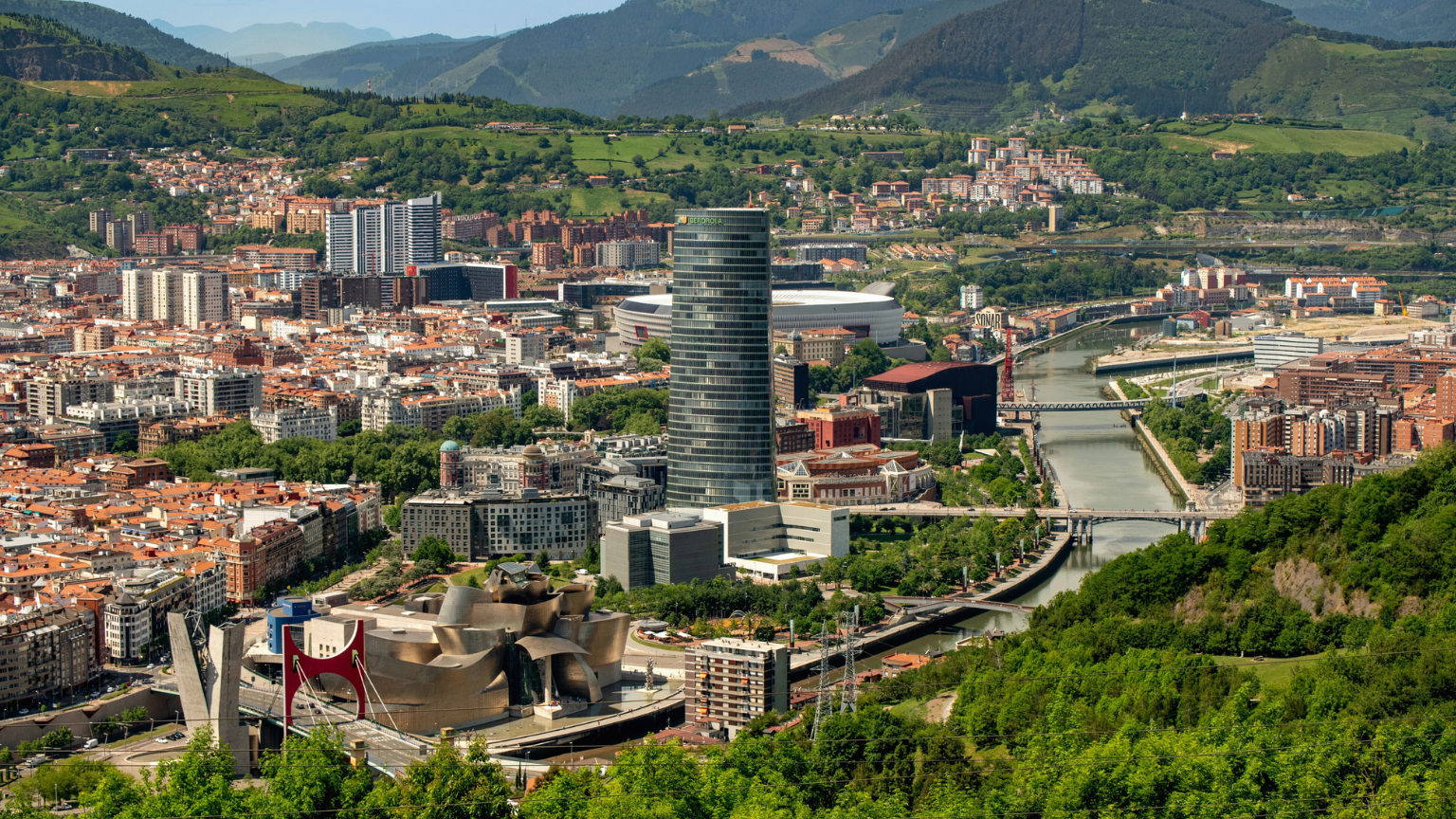
Bilbao, once an industrial city in Spain's Basque Country, has transformed into a center of architecture and design, largely thanks to the Guggenheim Museum. This iconic structure, designed by Frank Gehry, is a masterpiece of contemporary architecture, attracting art lovers from around the globe. Bilbao's Old Town contrasts with its modern developments, offering narrow streets filled with traditional pintxos bars. The city's riverside walks and green spaces provide a peaceful escape from the urban environment. Bilbao's vibrant cultural scene is complemented by festivals celebrating Basque culture, music, and cinema.
17. Salzburg (Austria's musical city)

Salzburg, overshadowed by Vienna's grandeur, holds its own as the birthplace of Mozart and the backdrop for "The Sound of Music." The city's baroque architecture, including the Hohensalzburg Fortress and Salzburg Cathedral, offers a stunning setting for its musical heritage. Salzburg's music festivals, particularly the Salzburg Festival, are world-renowned, featuring opera, concerts, and theater performances. The Mirabell Palace and Gardens provide a picturesque setting for a leisurely walk, with views of the city's historic sites. Salzburg's charming old town, with its narrow lanes and traditional markets, invites exploration and discovery.
18. Birmingham (Britain's dynamic second city)

Birmingham, located in the heart of England, is a melting pot of British culture, history, and modernity. The city's industrial heritage is showcased in the revamped canalside area, now a hub for dining and entertainment. Birmingham's Bullring shopping center is a mecca for retail therapy, while the Birmingham Museum and Art Gallery presents a treasure trove of art, including the world's largest collection of Pre-Raphaelite paintings. The city's diverse culinary scene is epitomized by the Balti Triangle, offering the best of South Asian cuisine. Birmingham's cultural calendar is packed with festivals, from jazz and literature to the famous Birmingham Christmas Market, one of the largest outside of Germany.
19. Basel (Switzerland's cultural crossroads)

Basel, situated at the crossroads of Switzerland, France, and Germany, is a city with a rich cultural tapestry. It's renowned for Art Basel, one of the world's premier contemporary art fairs, drawing artists, collectors, and enthusiasts globally. The city's medieval old town, with its narrow streets and the imposing Basel Minster, is a delight to explore. Basel's position along the Rhine River provides a beautiful backdrop for its many museums, including the Fondation Beyeler. The city's commitment to the arts is also evident in its vibrant theater and music scenes, making it a year-round destination for cultural aficionados.
20. Utrecht (The Netherlands' hidden treasure)

Utrecht, with its centuries-old university, is a city brimming with youth, energy, and innovation. Its canals, unique in that their lower levels are lined with cafes and bars, offer a distinctive dining and shopping experience. The Dom Tower, standing tall since the 14th century, provides panoramic views of the city’s historic center. Utrecht’s Museum Quarter is packed with institutions ranging from the playful Miffy Museum to the serious National Museum from Musical Clock to Street Organ. This city combines the charm of old Dutch architecture with a lively contemporary arts scene, making it an ideal escape from the more crowded tourist destinations.
This article was written by Hunter and edited with AI Assistance