
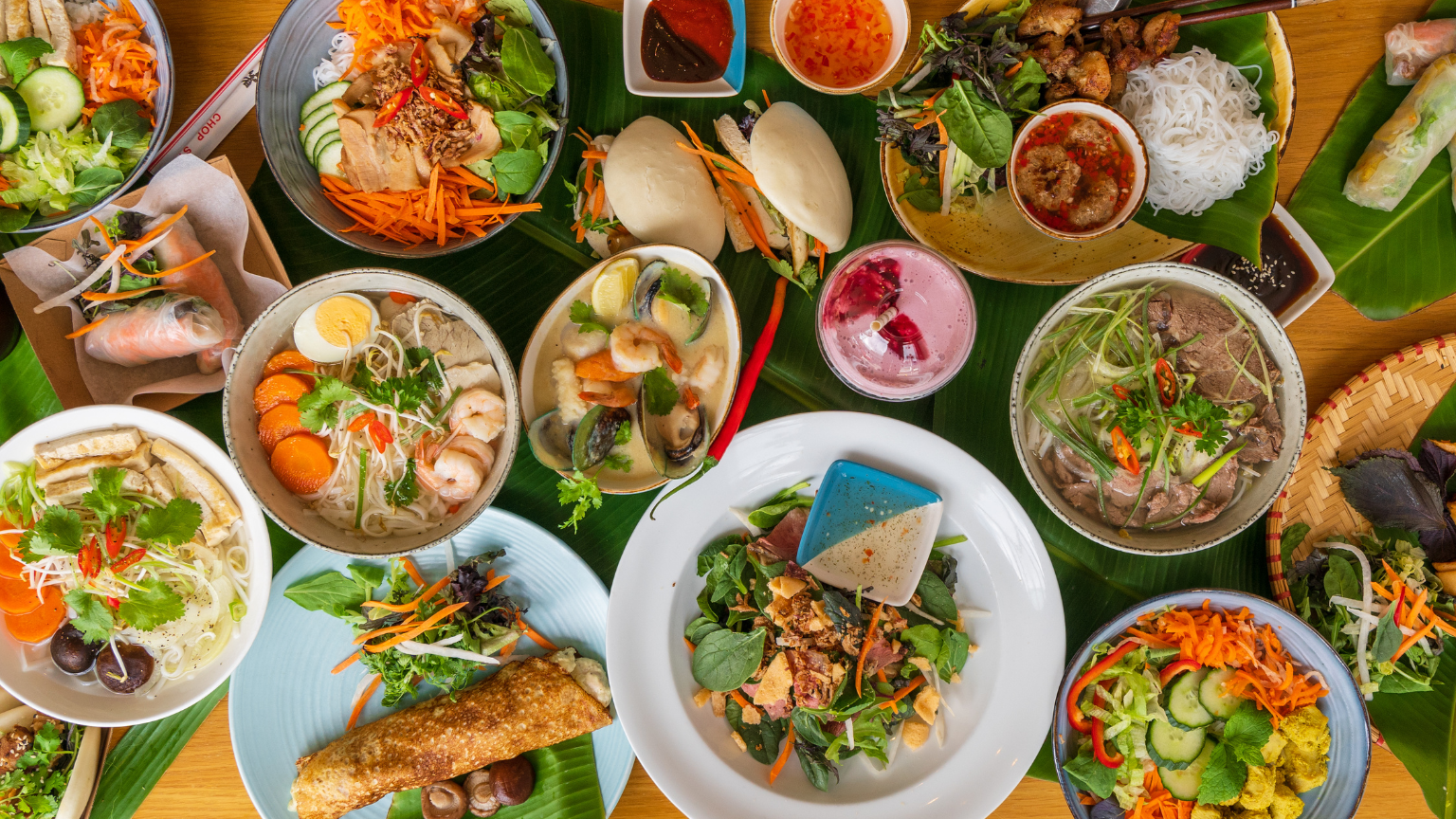

When traveling, it's easy to get caught up in the excitement of trying new and exotic foods. Picturesque dishes flood social media, promising not just a meal, but an experience. However, not all that glitters is gold, and some foods that look incredible in photos can be disappointing in taste. Let's dive into the world of 20 foods that often look more appetizing than they actually are when you're exploring far from home.
1. Dragon Fruit (Bright and beautiful, but bland)

Dragon fruit, with its vibrant pink skin and speckled flesh, looks like it should taste as magical as it appears. Unfortunately, the taste often doesn't live up to its fantastical appearance. It's surprisingly bland, with a texture and flavor that's a cross between a kiwi and a pear but without the sweetness. Often found in tropical destinations, it's a common "try once" item for travelers. Despite its lackluster taste, it's still packed with nutrients, making it a healthy, if not entirely satisfying, snack.
2. Durian (The king of fruits with a divisive aroma)

Durian's spiky exterior and custard-like interior might intrigue the uninitiated, but its aroma is notorious. Described by some as akin to rotting onions or raw sewage, it's a fruit that divides opinion sharply. In many places in Southeast Asia, it's banned from public transport due to its strong smell. Despite its off-putting scent, it has a rich, creamy texture that some find delightful. However, for many travelers, the taste doesn't quite compensate for the initial olfactory assault.
3. Truffle Oil (Elegant but often synthetic)

Truffle oil is drizzled on dishes from pasta to pizza, giving them an aura of gourmet sophistication. However, the secret that many chefs know is that most truffle oil doesn't contain actual truffles. Instead, it's made with a synthetic aroma that mimics the earthy taste of truffles. While it looks fancy and adds a touch of class to any dish, the flavor can be a letdown, especially for those expecting the subtle depth of real truffles. It's a classic case of style over substance in many international kitchens.
4. Sushi Outside Japan (Often misses the mark)

Sushi, a beloved Japanese delicacy, has become a global phenomenon, appearing on menus all over the world. However, the sushi found abroad often lacks the fresh, delicate balance of flavors that characterizes its homeland counterpart. Factors such as the quality of the fish, the preparation of the rice, and the skill of the sushi chef play a crucial role in its taste. Many international versions end up being more about the visual appeal, with colorful rolls and elaborate presentations. Unfortunately, these can sometimes mask a less than authentic taste experience.
5. Macarons (Pretty but often too sweet)

Macarons, with their pastel colors and delicate texture, are the epitome of a photogenic dessert. Originating from France, they are a common find in bakeries around the world. However, these little meringue-based treats can often disappoint with their overly sweet flavor and sometimes grainy texture. Achieving the perfect balance of a crisp shell and a soft, chewy interior is a culinary challenge that not all bakeries master. While they make for stunning photos, the taste might not always live up to the aesthetic promise.
6. Gold Leaf Dishes (Luxury that lacks flavor)
Gold leaf dishes scream luxury and opulence, making them a prime target for those looking to splurge on a meal that's also a photo op. However, gold leaf itself is tasteless, merely adding a visual element of decadence without enhancing the flavor of the dish. It's often found adorning desserts and high-end entrees in upscale restaurants worldwide. While it can make for an unforgettable dining experience, the actual culinary benefit of gold leaf is minimal. Essentially, you're paying for the look, not the taste.
7. Açaí Bowls (Insta-worthy but sometimes too icy)

Açaí bowls look like a dream: vibrant, packed with fruits, and often topped with a picturesque arrangement of seeds and nuts. Originating from Brazil, they've become a global health food trend, celebrated for both their nutritional benefits and their beauty. However, the taste can sometimes fall short, with some bowls being overly icy or lacking in flavor beyond the toppings. The balance between the açaí blend's texture and taste is key, a balance that not all establishments manage to achieve. While they're a feast for the eyes, the palate might not always agree.
8. Rainbow Bagels (Colorful but taste like regular bagels)

Rainbow bagels took the internet by storm, with their vibrant hues making them a must-try for visitors to certain bakeries in New York and beyond. Despite their eye-catching appearance, they taste remarkably similar to regular bagels. The colors are purely aesthetic, with no flavor difference between the various shades. While they're fun to look at and definitely Instagram-worthy, the taste experience is essentially the same as any plain bagel. It's a classic example of a food trend that prioritizes looks over any real taste innovation.
9. Avocado Toast (Trendy but overpriced)

Avocado toast has become synonymous with modern café culture, often presented as a minimalist yet chic dish. Despite its simple ingredients – avocado, bread, and sometimes a sprinkle of salt and pepper – it's often priced as a premium item on menus worldwide. While delicious, the taste doesn't always justify the high cost, especially when considering the ease of making it at home. The dish's popularity continues, driven by its status as a healthy and photogenic option. However, savvy travelers might find the cost hard to swallow for what is essentially a very basic meal.
10. Craft Cocktails (Stunning but sometimes style over substance)

Craft cocktails, with their intricate garnishes and unique glassware, are a staple of trendy bars everywhere. Mixologists create visually stunning drinks that promise an equally impressive taste experience. However, the complexity of flavors can sometimes miss the mark, with the visual appeal overshadowing the actual taste. The balance of ingredients is crucial, and a cocktail that looks amazing might not always deliver on flavor. While they make for great photos and conversation pieces, not all craft cocktails live up to the expectations set by their appearance.
11. Charcoal Ice Cream (Dramatically black but mild in taste)

Charcoal ice cream, with its striking black color, offers a visual contrast to the traditional pastel shades of most frozen treats. It's made using activated charcoal, which is said to have detoxifying properties. Despite its bold appearance, the taste is often described as surprisingly mild, even bland. Many are drawn to it for the novelty and the stunning visuals it provides for social media. However, beyond its gothic allure, it's essentially just a basic ice cream in terms of flavor.
12. Bubble Tea (Fun but overly sweet for some)

Bubble tea, with its tapioca pearls and wide array of colorful options, is a beverage that's as fun to look at as it is to drink. Originating from Taiwan, it has won hearts globally with its quirky texture and sweetness. However, for those not accustomed to very sweet drinks, bubble tea can be overwhelming. The balance of sweetness and flavor can vary greatly between vendors, with some prioritizing visual appeal over authentic taste. While it's a unique experience, the intense sweetness might not be to everyone's liking.
13. Unicorn-Themed Foods (Magically colorful but flavor falls flat)

Unicorn-themed foods burst onto the scene with their rainbow colors, promising a magical eating experience. From cakes to frappuccinos, these whimsical creations are hard to ignore. However, the taste often doesn't match up to the vibrant visual appeal. Many of these foods rely heavily on food coloring and sugar to achieve their dreamy look, resulting in a flavor that's more about sweetness than depth. While they're perfect for a playful photo, the actual eating experience might leave some wanting more.
14. Matcha Desserts (Not all match the hype)

Matcha desserts, with their distinctive green color, convey a sense of exotic sophistication and healthiness. From lattes to cakes, matcha is celebrated for its antioxidant properties and unique taste. However, the quality of matcha can vary greatly, leading to a wide range in the taste of these desserts. Some can be too bitter, while others might be overly sweetened to compensate. Despite their popularity and healthful image, not all matcha desserts live up to the expectations set by their vibrant appearance.
15. Gourmet Burgers (Looks gourmet, tastes ordinary)

Gourmet burgers, towering with layers of toppings and artisanal bread, promise a culinary adventure far beyond the ordinary fast-food offering. They're often served in restaurants that specialize in crafting the perfect burger experience, with ingredients that sound as sophisticated as they look. However, the complexity of flavors can sometimes be lost in the sheer volume of ingredients, leading to a burger that tastes surprisingly ordinary. While they're certainly Instagram-worthy, the taste might not always justify the gourmet label or the price. In the end, a simpler burger might actually offer a more satisfying taste experience.
16. Exotic Fruit Platters (Visually stunning but disappointingly mild)

Exotic fruit platters are a feast for the eyes, offering a rainbow of colors and shapes that promise an equally diverse taste experience. They often feature fruits that are not commonly found in everyday supermarkets, adding to the allure. However, the taste of these fruits can sometimes be underwhelming, with many having a subtle flavor that doesn't match their exotic appearance. While they're great for broadening one's fruit horizons and excellent for tropical-themed photo ops, the actual taste experience might not be as thrilling. It's a reminder that sometimes, simplicity in flavor can be just as satisfying.
17. Molecular Gastronomy Dishes (Science meets cuisine but not always palatable)

Molecular gastronomy brings science into the kitchen, creating dishes that look more like art than food. Techniques like spherification, foams, and gelification transform ingredients into shapes and textures that defy expectations. These dishes are visually fascinating, often served in high-end restaurants as part of a unique dining experience. However, the focus on the visual and textural transformation can sometimes lead to flavors that are more intriguing than delicious. While it's an unforgettable experience, the taste of molecular gastronomy creations might not be for everyone.
18. Artisanal Doughnuts (Elaborate but can be overly sweet)

Artisanal doughnuts, with their creative toppings and fillings, elevate the humble doughnut to a work of art. They come in an array of flavors, from bacon and maple to lavender and honey, promising a gourmet twist on the classic treat. However, the addition of elaborate toppings and flavored glazes can result in a product that's too sweet for some palates. While they make for stunning photographs and are a delight to explore, the balance between appearance and taste is crucial. For those with a less sweet tooth, the appeal might be more visual than gastronomic.
19. Fancy Toasts Beyond Avocado (Innovative but not always flavorful)

Beyond avocado, the realm of fancy toasts includes varieties topped with everything from exotic cheeses to fruit and honey. They're often served in trendy cafes, looking like miniature edible masterpieces on a plate. However, despite their artistic presentation, the taste can sometimes be lackluster. The combination of ingredients, while visually appealing, doesn't always translate to a harmonious flavor profile. While these toasts can offer an aesthetically pleasing breakfast or snack, they might not satisfy those looking for depth of flavor.
20. Plant-Based Meats (Meant to mimic meat, but missing the mark)

Plant-based meats are designed to offer vegetarians and vegans the experience of eating meat without the ethical and environmental implications. From burgers to sausages, these products aim to replicate the texture and flavor of meat as closely as possible. While visually they can be almost indistinguishable from their animal-based counterparts, the taste often reveals the difference. Some find the flavor to be a good approximation, but others note a distinct plant-like aftertaste. Despite their noble intentions and impressive visual mimicry, plant-based meats may not fully satisfy the cravings of those used to the real thing.
This article was written by a human and edited with AI Assistance