

Across the globe, iconic buildings tell tales of history, innovation, and architectural marvels. Yet, beneath the surface of these well-known facades lie stories lesser known, wrapped in mystery, intrigue, and sometimes, sheer astonishment. This list uncovers the hidden histories behind 20 of the world's most famous buildings, revealing secrets that might just change the way you look at them forever. From clandestine meetings to forgotten purposes, each building has a past waiting to be told.
1. The White House (A Hidden Bunker)

It's no secret that The White House in Washington, D.C., is more than just a residence for the U.S. President. Beneath its historic rooms and corridors lies a bunker, a relic of the Cold War era, designed to protect its illustrious occupants in times of crisis. This underground fortress, officially called the Presidential Emergency Operations Center, was hurriedly put into use during the attacks on September 11, 2001. Few details about the bunker are public knowledge, making it a fascinating, shadowy footnote in the building's storied history. It's a stark reminder that even the most famous buildings have their unseen layers.
2. The Great Pyramid of Giza (A Mysterious Void)

Among the world's ancient wonders, the Great Pyramid of Giza in Egypt holds its fair share of mysteries. Recently, scientists discovered a previously unknown void deep within its massive stone structure, thanks to modern scanning technology. This chamber, untouched and unseen for thousands of years, has sparked intense speculation about its purpose and contents. Could it be an undiscovered burial chamber, a hidden treasure trove, or something entirely different? The discovery adds another layer of enigma to the pyramid's already captivating history.
3. The Eiffel Tower (A Secret Apartment)

Paris's Eiffel Tower is among the most recognizable landmarks on the planet. Yet, few know about the secret apartment built into its iron framework. Gustave Eiffel, the tower's engineer, created this private space for himself, furnishing it with wooden furniture, a grand piano, and even wallpapers. Though it was never meant for overnight stays, the apartment hosted famous guests like Thomas Edison. Today, visitors can peek into this hidden apartment, a reminder of the tower's personal touch amidst its global fame.
4. Statue of Liberty (A Locked Torch)

The Statue of Liberty stands as a beacon of freedom and democracy on Liberty Island in New York Harbor. However, one of its most iconic features, the torch, has been off-limits to the public since 1916. The reason? Safety concerns following an explosion on the nearby Black Tom Island, caused by German agents during World War I. The torch's balcony offered panoramic views of the city and harbor, but now, visitors can only imagine the view from historic photographs. This secretive aspect adds a layer of intrigue to the statue's towering presence.
5. The Taj Mahal (A Network of Sealed Rooms)

The Taj Mahal in India is a monument to love, built by Emperor Shah Jahan in memory of his wife. Beyond its stunning marble façade and intricate gardens lies a network of rooms sealed shortly after the monument's completion. Historians believe these rooms contain original furnishings and decorations from the emperor's time, offering a frozen glimpse into the past. The reasons for sealing these rooms remain a topic of speculation, with theories ranging from structural concerns to protecting precious artifacts. This hidden aspect of the Taj Mahal fuels the imagination, hinting at untold stories within its walls.
6. Grand Central Terminal (A Secret Train Platform)

New York City's Grand Central Terminal is a bustling hub of activity, but it hides a secret from most of its daily commuters. Beneath the surface lies Track 61, a secret platform that was not listed on any public map or schedule. It was originally designed for transporting VIPs, including President Franklin D. Roosevelt, directly into the Waldorf Astoria Hotel. Today, the platform stands unused, a ghostly reminder of the terminal's storied past. This hidden track adds a layer of mystery to one of the world's most famous train stations.
7. The Vatican (A Hidden Necropolis)

Beneath the Vatican City lies a secret that many visitors to St. Peter's Basilica remain unaware of. A hidden necropolis, including the Tomb of St. Peter, stretches beneath the holy site, offering a rare glimpse into early Christian Rome. Access to this underground city is highly restricted, making it one of the Vatican's most intriguing secrets. It's a remarkable archaeological site that connects the present to the ancient world. This hidden necropolis is a testament to the Vatican's layered history, both seen and unseen.
8. The Empire State Building (A Secret 103rd Floor)

The Empire State Building's observation decks offer breathtaking views of New York City, but there's a level even higher that most visitors never see. The 103rd floor is a narrow space, originally designed for docking airships. Today, it's accessible only to VIPs and special guests, offering an even more spectacular perspective of the city. This hidden floor adds an exclusive allure to the skyscraper's legendary status. It's a closely guarded secret, contributing to the mystique of one of the world's most famous buildings.
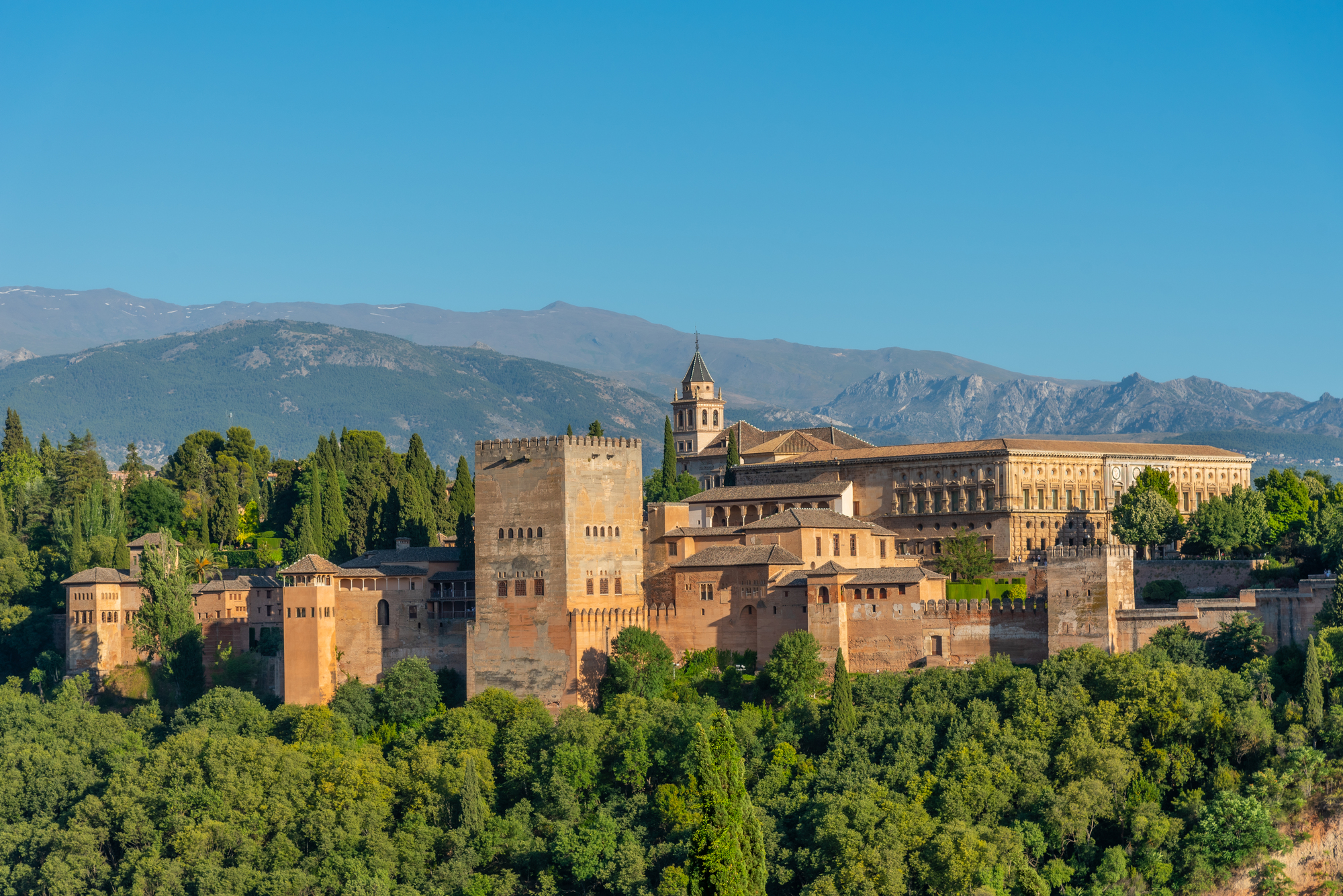
9. The Alhambra (Forgotten Water Systems)

Spain's Alhambra, a stunning example of Moorish architecture, is renowned for its intricate designs and lush gardens. Hidden beneath its beauty lies an advanced water system, a marvel of engineering that supplied the palace and gardens with fresh water from the nearby mountains. This system, forgotten and buried under years of neglect, was only rediscovered and appreciated in modern times. It's a testament to the ingenuity of the past, showcasing how ancient civilizations mastered their environments. The Alhambra's hidden water systems remind visitors of the blend of art and science that defines this historic site.
10. The Leaning Tower of Pisa (Lost Bells)

The Leaning Tower of Pisa is famous worldwide for its unintended tilt, but few know about its vanished bells. Originally, the tower housed seven bells, each representing one note of the musical major scale. Over time, to reduce stress on the structure and prevent further leaning, most of these bells were removed and are no longer rung. Today, visitors marvel at the tower's lean without realizing the silent music that once filled the air. This lost piece of history adds a nostalgic touch to the tower's already fascinating story.
11. The Forbidden City (A Secret Garden)

Beijing's Forbidden City, the imperial palace for over 500 years, is a sprawling complex of historical significance. Within its walls lies a secret garden, known as the Qianlong Garden, intended as a private retreat for the emperor. This garden, with its pavilions, intricate rockeries, and beautiful landscaping, remained untouched and largely unseen for centuries. Only recently has it been opened to limited public viewing, offering a peek into the private luxuries of China's emperors. The Qianlong Garden stands as a hidden oasis, reflecting the personal tastes and desires of those who once ruled China.
12. The Colosseum (A Subterranean World)

Rome's Colosseum is an iconic symbol of ancient Roman engineering and brutality. Beneath the arena floor lies a complex subterranean world, where gladiators and animals were held before their deadly contests. This underground network of tunnels and cages was a key part of the spectacle, allowing for dramatic entrances and surprises. Recent excavations have unearthed more details about this hidden layer, revealing the ingenuity behind the ancient games. The Colosseum's subterranean world adds a dark, fascinating depth to its history, reminding us of the human and animal lives that once moved through these hidden corridors.
13. Monticello (A Plantation's Complex Legacy)

Monticello, the Virginia estate of Thomas Jefferson, is celebrated for its architectural beauty and the innovations of its owner. However, the property also has a complex legacy, including a series of hidden passages and rooms used by the enslaved people who lived and worked there. These spaces were essential to the plantation's operation, yet they remained out of sight to visitors of the time. Recent efforts to restore and interpret these areas provide a fuller understanding of Monticello's history. This aspect of Monticello reveals the hidden lives and contributions of those who were forced to remain unseen in their own time.
14. Neuschwanstein Castle (A King's Refuge)

Germany's Neuschwanstein Castle, with its fairy-tale appearance, was the brainchild of King Ludwig II of Bavaria. Beyond its stunning vistas and ornate rooms lies the king's private refuge, a small, hidden grotto built into the castle's structure. This artificial cave, complete with a waterfall and colored lighting, was a place of solitude and escape for the reclusive king. Ludwig II's fascination with the mystical and theatrical is evident throughout Neuschwanstein, but nowhere more so than in this secluded spot. The grotto is a personal touch that adds an air of mystery to the castle's grandeur.
15. The Louvre (Medieval Foundations)

The Louvre in Paris is not just the world's largest art museum; it's also a historical palimpsest, with layers of history built into its very foundations. Beneath the museum's Renaissance elegance lie the remnants of a medieval fortress, originally built to protect Paris from Viking invasions. These ancient foundations were uncovered during renovations in the 1980s, revealing a history many visitors never see. Today, the Louvre offers tours of these medieval remnants, giving a glimpse into the city's defensive past. This hidden layer adds a fascinating depth to the museum's already rich tapestry of art and history.
16. Westminster Abbey (A Hidden Attic)

London's Westminster Abbey is a site of immense historical and religious significance, known for its royal weddings and burials. Above its Gothic arches and solemn tombs lies a hidden attic space, known as the triforium. For centuries, it was used for storage and largely forgotten by the public. Recently opened as The Queen’s Diamond Jubilee Galleries, this once-secret area now displays treasures from the Abbey's history. The triforium's transformation from a dusty attic to a celebrated gallery adds another layer to the Abbey's storied history.
17. The Kremlin (Secret Passages)

The Kremlin in Moscow is a fortress of power, both historically and in contemporary times. Hidden within its walls are a series of secret passages and rooms, created for the safety and convenience of its occupants. These passages allowed for discreet movement and escape routes in times of crisis. While the exact details and locations of these passages remain closely guarded secrets, their existence adds an aura of intrigue to the Kremlin's imposing presence. It's a reminder that buildings of power are often labyrinths of secrecy.
18. Machu Picchu (An Astronomical Observatory)

Machu Picchu, the ancient Incan city in the clouds, is a marvel of engineering and architecture. Among its many wonders is the Intihuatana stone, a precise astronomical observatory used by the Incas to track the sun's movements. This stone, carved from the living rock of the mountain, aligns perfectly with the sun during the solstices, serving as a calendar and a sacred ritual space. The Intihuatana's precision showcases the Incas' advanced understanding of astronomy and their deep connection to the natural world. This hidden aspect of Machu Picchu highlights the sophistication and spirituality of the Incan civilization.
19. The Winchester Mystery House (Endless Modifications)

The Winchester Mystery House in San Jose, California, is a labyrinth of architectural oddities, built by Sarah Winchester, the widow of firearm magnate William W. Winchester. Following the advice of a medium, Sarah continually added to the house to appease the spirits of those fallen by Winchester rifles. The result is a sprawling mansion with staircases leading nowhere, doors opening onto walls, and windows overlooking other rooms. Its design was meant to confuse unwanted ghosts, creating a house with endless modifications and hidden spaces. This bizarre yet fascinating history makes the Winchester Mystery House a unique testament to grief, guilt, and the search for peace.
20. Edinburgh Castle (A Prison Ship's Figurehead)

Edinburgh Castle, dominating the skyline of Scotland's capital, is full of hidden tales from its long history. One of the most unusual is the figurehead from the HMS Edinburgh Castle, a prison ship that once held prisoners of war. This wooden carving now resides in the castle's National War Museum, a poignant reminder of the lives once connected to both the ship and the fortress. The figurehead's journey from the sea to the castle encapsulates the blending of maritime and military history unique to Scotland. This hidden artifact adds a layer of narrative depth to the castle's already rich historical tapestry.
This article was written by a human and edited with AI Assistance