
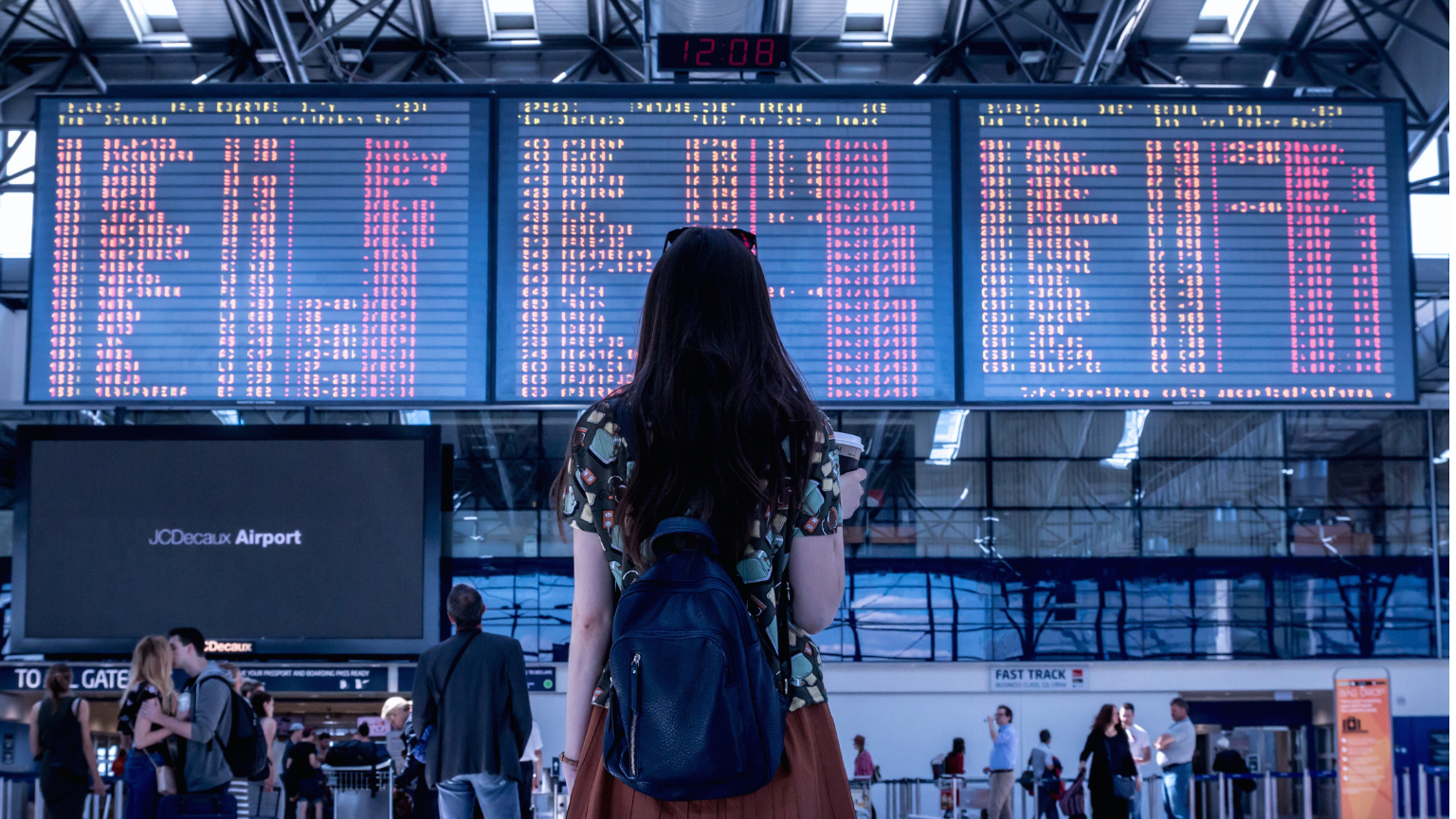

Getting from the airport to your final destination should be the least of your worries when traveling. However, in some parts of the world, this seemingly simple task can turn into an adventure all on its own. These 20 locations boast the most challenging, time-consuming, or downright inconvenient airport transfers known to weary travelers. From chaotic traffic jams to sparse public transport options, let's dive into the spots where getting out of the airport might just be the toughest part of your trip.
1. Manila, Philippines (Infamous for its traffic jams)

Manila's Ninoy Aquino International Airport is a gateway to chaos for the unprepared traveler. The journey from the airport to the city center can easily turn into a multi-hour ordeal, especially during peak traffic hours. Public transport options are limited, and while taxis and ride-hailing services are available, they're often stuck in the same snail-paced traffic. The city's attempt to introduce a more efficient bus system has yet to make a significant dent in the problem. It's a test of patience right from the start.
2. Los Angeles, USA (LAX's daunting sprawl)

Los Angeles International Airport (LAX) is notorious for its sprawling layout and the subsequent difficulty in navigating transfers. Despite being in a car-centric city, options for getting to and from the airport can be surprisingly inconvenient. The shuttle system to rental car locations and public transport hubs is often overcrowded and can add significant time to your journey. Ride-hailing services and taxis are available but prepare for a hefty fare and potential long waits. Public transport exists but requires a combination of buses and trains that might confuse newcomers.
3. Jakarta, Indonesia (Long distances and longer waits)

Soekarno-Hatta International Airport in Jakarta presents a unique challenge due to its distance from the city center and the infamous traffic congestion. Even though a rail link exists, it's not directly connected to the main terminals, requiring a shuttle bus transfer that adds extra time and confusion. Taxis and ride-hailing services are a gamble with the city's unpredictable traffic, potentially turning what should be a short trip into a lengthy expedition. The lack of clear signage and information can leave first-time visitors puzzled about their best options. Travelers often need to allocate a generous buffer time to avoid missing connecting activities.
4. Moscow, Russia (Frigid waits for public transport)

Arriving in Moscow's Sheremetyevo International Airport during the winter months adds a layer of complexity to airport transfers. The cold weather can make waiting for public transport an unpleasant experience, with services to the city center less frequent outside peak hours. While the Aeroexpress train offers a direct route to the city, delays and crowded conditions can occur, especially during holidays or significant events. Taxis are available but negotiating a fair price can be daunting for those unfamiliar with the local language and customs. Moreover, the traffic congestion in Moscow can turn a straightforward drive into a prolonged journey.
5. New Delhi, India (Navigational challenges abound)

Indira Gandhi International Airport in New Delhi serves as a stark introduction to the city's bustling chaos. While there's a metro rail service that connects to the city, it can be overwhelming for first-time visitors to navigate due to the crowded stations and lack of directional signs. Taxis and auto-rickshaws outside the airport may offer a quicker transfer but haggling over fares is common, adding stress to the experience. The roads leading into and out of New Delhi are notorious for their congestion, making any car-based transfer a test of patience. It's an initiation into the vibrant but chaotic rhythm of the city.
6. Bangkok, Thailand (The long haul from Suvarnabhumi)

While Bangkok's Suvarnabhumi Airport boasts modern facilities, the distance to the city center and traffic congestion can make airport transfers a lengthy affair. The airport rail link provides a relatively speedy connection to downtown, but it can be crowded, and navigating from the drop-off point to your accommodation by public transport can be confusing. Taxis and ride-hailing services are plentiful but subject to Bangkok's notorious traffic jams, especially during rush hour. Furthermore, scams targeting tourists are not uncommon, necessitating vigilance. It's a bustling introduction to the city's lively streets and vibrant culture.
7. Sao Paulo, Brazil (Complicated by sheer size)

The sprawling metropolis of Sao Paulo, coupled with the complexity of Guarulhos International Airport, makes for a challenging airport transfer. The public transport options are limited, and while there is a bus service connecting the airport to various points in the city, it can be hard to navigate without a good grasp of Portuguese. Taxis and ride-hailing services are available but can be expensive due to the long distances involved. Moreover, Sao Paulo's traffic is legendary, with peak hours extending well beyond what's typical in other cities. First-time visitors might find the sheer scale of the city and its transport options overwhelming.
8. Beijing, China (Navigating the language barrier)

Beijing Capital International Airport is a major hub that can be intimidating for travelers not fluent in Mandarin. While there is an airport express train linking the airport to the city, signs and announcements are not always available in English, making navigation a challenge. Taxis are an option, but without Mandarin skills, ensuring you're taken directly to your destination at a fair price can be tricky. Ride-hailing apps do offer some respite, though they require internet access and a basic understanding of the app's interface in Chinese. The language barrier adds an extra layer of complexity to what should be a straightforward transfer.
9. Paris, France (The infamous RER B train)

Charles de Gaulle Airport, serving Paris, is well-connected by the RER B train line to the city center. However, this convenience is sometimes overshadowed by the train's reliability issues and the prevalence of pickpockets targeting unwary tourists. The journey can be uncomfortable during peak times, with overcrowded carriages and insufficient space for luggage. Taxis offer a more direct route but can be prohibitively expensive, especially during traffic-heavy times. The blend of convenience and challenge makes the transfer experience a mixed bag for visitors.
10. Sydney, Australia (Costly connections)

Sydney's Kingsford Smith Airport is relatively close to the city center, but the cost of airport transfers can come as a surprise. The airport train link, while efficient, is subject to a station access fee that significantly inflates the cost for what is a short journey. Taxis and ride-hailing services are readily available but, again, the costs can be higher than anticipated, particularly during peak travel times. Buses offer a more economical option, but with limited routes and space for luggage, they might not suit everyone. The balance between convenience and expense is a key consideration for travelers.
11. Istanbul, Turkey (A tale of two continents)

Istanbul's unique position straddling two continents adds an exotic twist to its airport transfer challenge. The city's new airport is located far from the center on the European side, making transfers lengthy and potentially complex. Public transport options are growing but still limited, compelling many to opt for taxis or ride-hailing services, which can be affected by Istanbul's notorious traffic. The scenic routes across the Bosphorus are a visual treat but do little to alleviate the inconvenience of long travel times. It's a memorable start to any journey in this historic city, blending beauty with the bustle.
12. London, UK (Heathrow's hefty price tag)

Heathrow Airport, one of the world's busiest, offers numerous transfer options to central London, but the costs can mount up. The Heathrow Express is the fastest route into the city but also one of the most expensive train journeys per mile globally. Alternatives like the Tube are more reasonably priced but can be less convenient with luggage during busy periods. Taxis and ride-hailing services offer door-to-door convenience but at a significant cost, especially in traffic. The choice often boils down to a trade-off between cost and convenience.
13. New York, USA (JFK's juggling act)

John F. Kennedy International Airport in New York presents a juggling act of options for getting into the city. The AirTrain JFK connects to the subway and Long Island Rail Road, offering relatively affordable routes into Manhattan, but the multiple transfers and navigation through crowded stations can be daunting after a long flight. Taxis provide a more straightforward but costly alternative, with fixed fares to Manhattan that don't account for traffic delays. Ride-hailing services are similarly priced and subject to the whims of New York traffic. The urban sprawl and dense population make any transfer an exercise in patience and timing.
14. Rome, Italy (Fiumicino's frustrating waits)

Rome's Fiumicino Airport is well-connected to the city by train, but travelers often report frustrations with reliability and waiting times. The Leonardo Express train runs directly to the city center, but delays are not uncommon, adding unexpected time to your journey. Taxis offer a fixed-rate fare to central Rome, which is reassuring, but traffic can significantly extend travel time. Bus services provide a cheaper alternative but with variable schedules and the potential for crowded conditions. It's a test of endurance and flexibility, mirroring the ancient city's own complex layers.
15. Miami, USA (Spread-out and spendy)

Miami International Airport serves as a vibrant gateway to the beaches and nightlife of Miami, but getting to your final destination can be surprisingly cumbersome. The airport is well-served by public transport, including a free monorail connecting to a broader rail network, but the sprawl of the city means that transfers can take longer than expected. Taxis and ride-hailing services offer more direct routes but can be expensive, especially to South Beach or other distant neighborhoods. Rental cars are a popular option but come with their own set of challenges, including navigation and parking. It's a sunny start to a trip that requires some navigational savvy.
16. Mumbai, India (The crush of the crowd)

Mumbai's Chhatrapati Shivaji Maharaj International Airport throws you headfirst into the hustle and bustle of one of the world's most densely populated cities. Public transport options are available, but the sheer volume of people using the system can be overwhelming for visitors. Taxis and auto-rickshaws are omnipresent but negotiating the fare in advance is crucial to avoid being overcharged. The roads are often congested, making even short distances seem like a marathon. It's an immersive introduction to the city's frenetic energy and vibrant chaos.
17. Buenos Aires, Argentina (Ezeiza's isolation)

Ezeiza International Airport, serving Buenos Aires, is situated a considerable distance from the city center, complicating transfers for travelers. While buses and shuttle services are available, the journey can be lengthy and requires a good understanding of the local transport system to navigate effectively. Taxis offer a more comfortable but significantly more expensive option. Ride-hailing services provide a middle ground, though prices can surge during peak times. The expansive Pampas landscape surrounding the journey adds a serene backdrop to a potentially lengthy transfer.
18. Athens, Greece (A marathon of its own)

Athens Eleftherios Venizelos International Airport is located outside the city center, making airport transfers a bit of a marathon. The metro offers a direct route to the city, but it's not 24/7, leaving night arrivals with fewer options. Taxis are available around the clock but can be costly, and the ride length depends heavily on traffic. Buses provide an economical alternative, though deciphering routes and stops can be challenging for those not familiar with the Greek language. It's an ancient city where modern travel requires a bit of Olympian effort.
19. Mexico City, Mexico (Navigating the megacity)

Mexico City's Benito Juarez International Airport lies in the heart of one of the largest cities in the world, making airport transfers an adventure in urban navigation. The metro and bus systems are extensive but can be intimidating due to their size, crowds, and the language barrier. Taxis and ride-hailing services are plentiful but subject to the city's infamous traffic congestion. Additionally, safety concerns prompt many travelers to prefer secure, pre-arranged transport, adding to the cost and complexity. It's a vibrant introduction to the megacity's lively streets and diverse neighborhoods.
20. Toronto, Canada (The pricey Pearson option)

Toronto's Lester B. Pearson International Airport offers the UP Express train as a swift connection to downtown, but the convenience comes at a higher price compared to other local transport options. Taxis and ride-hailing services provide door-to-door service but can be expensive, especially during rush hour when the journey time can double. Public buses offer a more budget-friendly route but are less convenient for those with lots of luggage or arriving late at night. The sprawling nature of the Greater Toronto Area means that transfers can feel like a significant portion of the travel day. It's a metropolitan gateway where speed and convenience often come with a higher price tag.
This article was written by a human and edited with AI Assistance