
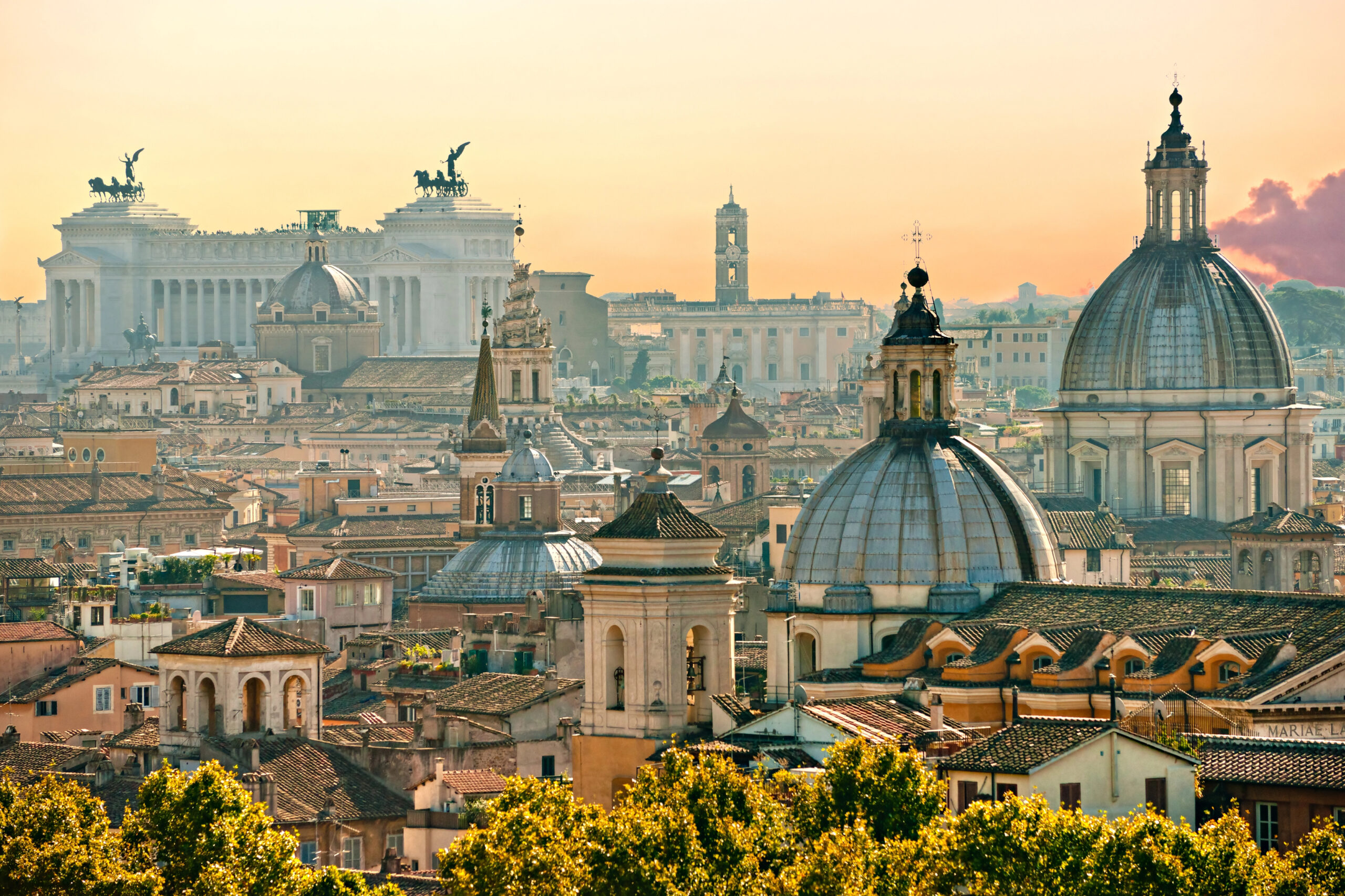

Throughout history, the crossroads of trade routes have been the birthplaces of prosperity, culture, and innovation. These junctions, where people, goods, and ideas met, gave rise to some of the most influential cities in the ancient world. Today, many of these cities continue to thrive, reminding us of their timeless significance. Let's take a stroll through history and shine a light on 20 cities that stood at the crossroads of the ancient world, fostering connections that would shape civilizations for millennia.
1. Rome (Center of the Roman Empire)

Rome, the Eternal City, was not just the heart of an empire; it was a nexus of ancient trade routes. Its strategic location on the Italian peninsula facilitated control over the Mediterranean, acting as a bridge between the East and West. The Via Appia, one of Rome’s earliest and most important roads, enabled movement of troops, goods, and information, solidifying Rome's power. This connectivity attracted merchants, scholars, and artisans, turning Rome into a melting pot of cultures. Today, the remnants of this ancient network remind us of Rome's pivotal role in shaping the Western world.
2. Constantinople (Where East Meets West)

Strategically positioned on the Bosporus Strait, Constantinople was the epitome of a crossroads city. It linked Asia and Europe, becoming a vital stop for traders navigating between the continents. The city's wealth came from its unparalleled position, overseeing the passage of silk, spices, and ideas between civilizations. Constantinople's markets buzzed with languages and goods from distant lands, making it a cosmopolitan hub. Its legacy as a meeting point of cultures endures in the modern city of Istanbul.
3. Alexandria (The Lighthouse of Knowledge)

Alexandria, founded by Alexander the Great, quickly rose as a beacon of scholarship and commerce in the ancient world. Its famous library attracted scholars from across the globe, while its port served as a crucial link between the Mediterranean and the Red Sea. This positioning allowed Alexandria to dominate the trade of papyrus, the ancient world's most sought-after writing material. The city's lighthouse, one of the Seven Wonders, guided countless ships to its bustling docks. Alexandria's blend of intellectual might and commercial prowess made it a powerhouse of the ancient world.
4. Samarkand (Silk Road's Glittering Jewel)

In the heart of Central Asia, Samarkand shone brightly on the Silk Road. Its markets were legendary, filled with spices, silk, and precious stones from every corner of Asia. The city's strategic location fostered an environment where cultures and religions blended, leaving a legacy of stunning architecture and diverse traditions. Rulers like Timur made it a capital of Islamic learning and art, attracting intellectuals and craftsmen. Samarkand’s rich history as a Silk Road hub continues to captivate visitors today.
5. Cuzco (The Inca Empire's Navel)

Cuzco, known as the 'Navel of the World' by the Incas, was a vital node in the vast Andean network of roads and trails. This city, cradled in the Andes mountains, was more than just the political and religious capital of the empire; it was a hub where the Inca's advanced engineering and agricultural knowledge spread throughout South America. The Qhapaq Ñan, an extensive road system, converged here, facilitating the movement of armies, laborers, and messengers. Cuzco's strategic position ensured control over the diverse climates and resources of the region. The city’s impressive ruins today reflect its historical significance as a center of power and communication.
6. Baghdad (The Round City's Cultural Melting Pot)

Founded in the 8th century as the capital of the Abbasid Caliphate, Baghdad was designed as a round city, symbolizing its centrality in the Islamic world. Situated on the Tigris River, it was a key stop on the trade routes connecting the East and West, enriching it with goods, ideas, and people from across the known world. The House of Wisdom in Baghdad became a famed academic center where scholars translated works from Greek, Persian, and Indian into Arabic. This intellectual ferment contributed to the Golden Age of Islam, with Baghdad at its heart. Today, the city's rich past can still be felt amidst its modern bustle.
7. Carthage (Ancient Maritime Powerhouse)

Carthage, situated on the coast of North Africa, dominated Mediterranean trade before the rise of Rome. Its powerful navy ensured control over shipping routes, bringing wealth and influence to the city. Carthaginians were renowned for their seafaring skills, exploring and establishing colonies as far away as the Iberian Peninsula. The city’s strategic location made it a melting pot of African, European, and Middle Eastern cultures. Although it eventually fell to Rome, Carthage's legacy as a trading and naval force remains legendary.
8. Venice (Queen of the Adriatic)

Venice, with its intricate canal system and stunning architecture, emerged as a major Mediterranean trading power in the Middle Ages. Its position on the Adriatic Sea served as a gateway between the East and West, funneling goods from the Silk Road to Europe. The wealth amassed from trade financed the city's opulent buildings and art that still awe visitors. Venetian merchants were instrumental in spreading Renaissance ideas across Europe. Venice's unique blend of commerce, culture, and beauty captures the essence of a city built at the crossroads of worlds.
9. Timbuktu (The Golden City of the Sahara)

Once considered the end of the Earth, Timbuktu's location on the southern edge of the Sahara made it a key node in the trans-Saharan trade routes. It flourished in the 14th and 15th centuries as gold, salt, and slaves passed through its markets. Timbuktu was also a center of Islamic scholarship, its universities and libraries brimming with manuscripts on science, mathematics, and religion. This intellectual and commercial hub attracted scholars and traders from across Africa and the Middle East. Despite the challenges of desert encroachment, Timbuktu's legacy as a golden city of knowledge and wealth endures.
10. Damascus (The Ancient Pearl of the East)

Damascus, one of the world’s oldest continuously inhabited cities, has witnessed the ebb and flow of civilizations for millennia. Its location at the crossroads of Asia, Africa, and Europe made it a pivotal center for trade and cultural exchange. The city's craftsmen were famed for their textiles and metalwork, products that were eagerly traded along caravan routes. Damascus was also a key military and administrative center in the Islamic world, reflecting its strategic importance. The city’s ancient souks and Umayyad Mosque today echo the vibrant history of this ancient crossroads.
11. Xi'an (Gateway to the Silk Road)

Xi'an, known historically as Chang'an, was the eastern terminus of the Silk Road. As the capital of several ancient Chinese dynasties, it was a melting pot of cultures, religions, and ideas. The city's strategic location facilitated the flow of goods, including silk, spices, and ceramics, to and from the vast expanses of Asia and Europe. The Terracotta Army, guarding the tomb of Qin Shi Huang, reflects Xi'an's historical significance and wealth. Today, Xi'an remains a vibrant testament to China's ancient history and its role in global commerce.
12. Cairo (Crossroads of Africa and Asia)

Cairo, with its majestic pyramids looming in the backdrop, has long stood at the crossroads of Africa and Asia. Its strategic position along the Nile made it a focal point of trade routes connecting the Mediterranean world with the exotic lands to the south. The city flourished under various rulers, from the Pharaohs to the Mamluks, each leaving a rich architectural and cultural legacy. Cairo's bazaars were legendary, filled with spices, textiles, and treasures from distant lands. This enduring city continues to be a melting pot of history, culture, and commerce.
13. Istanbul (Bridge Between Continents)

Istanbul, formerly Constantinople, has a unique position straddling two continents, Europe and Asia. This strategic location made it a pivotal hub of trade and cultural exchange for millennia. The city's rich history is evident in its stunning architecture, from ancient Roman aqueducts to majestic Ottoman mosques. Istanbul's Grand Bazaar and Spice Market remain vibrant centers of commerce, echoing the city's past as a global trading post. The blend of cultures in Istanbul today reflects its ongoing role as a bridge between worlds.
14. Marrakech (The Red City's Trading Oasis)

Marrakech, nestled at the foot of the Atlas Mountains, was once a crucial trading post connecting the Sahara with the northern cities of Morocco. Its bustling souks and vibrant squares like Jemaa el-Fnaa were filled with traders selling spices, textiles, and jewelry from across Africa and the Middle East. The city's red sandstone walls gave Marrakech its nickname, the Red City, a beacon for caravans traversing the desert. Marrakech's gardens, palaces, and mosques reflect its history as a cultural and commercial oasis. Today, it continues to enchant visitors with its timeless allure.
15. Athens (Cradle of Western Civilization)

Athens, the heart of ancient Greece, was not only a political and military power but also a center of learning and the arts. Its geographic location provided access to sea routes that facilitated trade and cultural exchange with other civilizations around the Mediterranean. The city's contributions to philosophy, drama, and architecture were unparalleled, influencing Western culture for centuries. The Agora of Athens was a bustling marketplace, alongside being a focal point for democratic discourse. Athens' enduring legacy as a beacon of knowledge and democracy highlights its role at the crossroads of ancient trade and intellectual exchange.
16. Beirut (The Phoenix City)

Beirut, often called the Phoenix City for its ability to rise from the ashes of war, has a history that stretches back over 5,000 years. Its strategic location on the Mediterranean coast made it a vital trading port, linking the East with the West. Beirut was renowned for its law school in Roman times, attracting students from across the empire. The city's diverse cultural heritage is evident in its architecture, cuisine, and languages, a testament to the various civilizations that have left their mark. Today, despite its tumultuous history, Beirut remains a vibrant cultural and commercial hub.
17. Lahore (The Mughal City of Gardens)

Lahore, the cultural heart of Pakistan, was a key stop on ancient trade routes extending across the Indian subcontinent. Under the Mughal Empire, it became renowned for its stunning gardens, palaces, and mosques, designed to reflect the empire's grandeur and sophistication. Lahore's strategic location ensured its prosperity and cultural vibrancy, attracting poets, artists, and scholars. The city's markets brimmed with goods from distant lands, making it a center of commerce and culture. Lahore's rich heritage as a Mughal capital continues to draw visitors, mesmerized by its history and beauty.
18. Tenochtitlan (The Aztec Capital on Water)

Tenochtitlan, the capital of the Aztec Empire, was an engineering marvel built on an island in Lake Texcoco. Its complex system of canals and causeways linked it to the mainland, facilitating trade and transport within the valley of Mexico. The city was a bustling metropolis, its markets filled with goods from across the empire, including chocolate, gold, and exotic feathers. Tenochtitlan's strategic location allowed the Aztecs to control trade routes and assert their dominance over neighboring peoples. The remnants of this great city, now Mexico City, continue to fascinate with their ancient origins.
19. Persepolis (The Persian Empire's Showpiece)

Persepolis was the ceremonial capital of the Persian Empire, designed to showcase the empire's wealth and diversity. Its location in modern-day Iran made it a crossroads for trade routes spanning the ancient world, enriching it with goods and ideas from far and wide. The city's magnificent palaces and terraces were adorned with intricate reliefs depicting scenes from across the empire. Persepolis symbolized the power and unity of the Persian Empire until its destruction by Alexander the Great. The ruins of Persepolis today are a UNESCO World Heritage site, attracting those eager to glimpse its past glory.
20. Seville (Gateway to the New World)

Seville, located on the Guadalquivir River, was Europe's gateway to the Atlantic and the New World following the voyages of Columbus. Its monopoly on trade with the Americas during the 16th century brought unprecedented wealth and cultural exchange to the city. Seville's Golden Age saw the construction of monumental buildings and the accumulation of vast art collections. The city became a melting pot of European and American influences, shaping its unique cultural landscape. Today, Seville's rich history as a crossroads between continents is palpable in its vibrant streets and historic architecture.
This article was written by a human and edited with AI Assistance