

Living near a volcano might sound like a plot from a thriller movie, but for some cities, it's just another day in the neighborhood. These cities not only thrive but flaunt unique cultures, breathtaking landscapes, and a resilience that's as solid as the ground they're built on. Each one tells a story of coexistence with nature's most formidable monuments, where the threat of eruption is overshadowed by the beauty and resources these giants provide.
1. Naples, Italy (A city with a volcano in its backyard)

Naples sits perilously close to Mount Vesuvius, the very volcano that buried Pompeii in 79 AD. Despite the danger, the city thrives, with Vesuvius offering a breathtaking backdrop to this bustling metropolis. Locals live with a casual awareness of the volcano's power, enjoying the fertile soils that produce some of Italy's best tomatoes and wines. Vesuvius is also a tourist magnet, drawing curious visitors from around the globe to explore its slopes and learn about its history. Naples beautifully balances the line between everyday life and the constant reminder of nature's unpredictability.
2. Seattle, Washington (Not just coffee and rain)

Seattle, famous for its coffee, grunge music, and incessant rain, also lives in the shadow of Mount Rainier. This massive stratovolcano looms over the city, visible on clear days as a stunning, snow-capped giant. Despite its beauty, Rainier is considered one of the most dangerous volcanoes in the world due to its potential for massive lahars that could reach Seattle's suburbs. Yet, the city flourishes, with residents and visitors alike hiking its trails and skiing its slopes. Seattle's culture of outdoor adventure thrives, inspired by the very presence of this majestic peak.
3. Kagoshima, Japan (Living with an active neighbor)

Kagoshima is often compared to Naples due to its close proximity to an active volcano, Sakurajima. This volcano regularly showers the city with ash, yet Kagoshima's residents go about their daily lives with remarkable resilience. The city is equipped with sheltered walkways and public buildings have ash shelters. Despite the challenges, Kagoshima is vibrant, boasting hot springs, historical sites, and breathtaking views of Sakurajima. The city and volcano coexist, with the residents viewing Sakurajima's eruptions more as natural events than disasters.
4. Arequipa, Peru (The White City under watchful eyes)

Arequipa, known as the White City for its stunning baroque buildings made from sillar, a volcanic stone, sits at the foot of the Misti volcano. This picturesque city is a UNESCO World Heritage site, attracting tourists with its rich history and colonial architecture. Misti, though dormant, looms large, adding to the city's dramatic scenery. Arequipa's inhabitants have a deep respect for the volcano, celebrating it in local folklore and traditions. The city thrives agriculturally, thanks to the fertile soils provided by volcanic activity over millennia.
5. México City, México (An ancient city with a volcanic guardian)

México City, one of the largest cities in the world, lies in the shadow of Popocatépetl, an active volcano whose name means "Smoking Mountain" in Nahuatl. Despite its activity, the city has grown and flourished since Aztec times, with the volcano playing a central role in local mythology and culture. Popocatépetl's eruptions are closely monitored, and the city has emergency plans in place, reflecting a blend of modern preparedness and ancient reverence. The volcano's presence has shaped the landscape, culture, and even the cuisine of México City. Its residents live with a mixture of respect, awe, and a touch of fatalism towards their towering neighbor.
6. Reykjavík, Iceland (A capital among volcanoes)

Reykjavík, the northernmost capital of the world, is surrounded by volcanoes, with Mount Esja standing as a prominent figure. Despite Iceland's reputation for volcanic activity, the city is remarkably safe, thanks to stringent building codes and disaster preparedness. The geothermal activity provides Reykjavík with renewable energy, heating homes and powering lives in an eco-friendly manner. The landscape shaped by volcanoes offers stunning vistas and outdoor activities, from hiking to hot spring bathing. Reykjavík's unique location fosters a strong connection between its people and the dynamic earth beneath their feet.
7. Antigua, Guatemala (A city reborn from ashes)

Antigua, nestled between three volcanoes—Agua, Fuego, and Acatenango—has a history of destruction and rebirth. Fuego, still active, frequently erupts, dusting the city in ash and offering a stark reminder of nature's power. Despite this, Antigua's cobblestone streets, colonial architecture, and vibrant culture draw visitors from around the world. The city's resilience is evident in its recovery and preservation efforts, maintaining its charm and historical significance. Antigua showcases the beauty of survival, with the volcanoes serving as both protectors and destroyers.
8. Managua, Nicaragua (A capital built on volcanic foundations)

Managua, the capital of Nicaragua, is uniquely positioned on a plain surrounded by volcanic formations. The city itself is built on the Masaya and Apoyo volcanic fields, making it prone to earthquakes and eruptions. Despite these challenges, Managua has grown into a bustling urban center, embracing its geological heritage. The nearby Masaya Volcano National Park is a major attraction, offering visitors the rare opportunity to peer into an active volcano's crater. Managua's development reflects a harmonious blend of caution and celebration of its volcanic land.
9. Clermont-Ferrand, France (A city embraced by extinct giants)

Clermont-Ferrand is cradled in the heart of France's Chaîne des Puys, a chain of ancient, now dormant or extinct, volcanoes. This unique setting gives the city a dramatic landscape, with the Puy de Dôme, the chain's highest peak, dominating the skyline. The city's history is deeply intertwined with these natural monuments, utilizing volcanic stone in much of its historic architecture. Clermont-Ferrand is also the birthplace of Michelin, the tire company, which drew inspiration from the rugged volcanic landscape for durability. The city stands as a testament to the enduring influence of its volcanic past, blending history, culture, and natural beauty.
10. Yogyakarta, Indonesia (A cultural heart under the watch of fire mountains)

Yogyakarta, the cultural soul of Java, Indonesia, lies close to two of the country's most active volcanoes, Merapi and Merbabu. Merapi, in particular, is one of the most active volcanoes in the world, with regular eruptions that shape the landscape and the lives of those who live in its shadow. The city, however, flourishes, steeped in Javanese culture, art, and tradition, with the volcanoes adding to its mystique. Yogyakarta's residents have a profound respect for Merapi, often referred to as the "Fire Mountain," incorporating its strength and unpredictability into their spiritual beliefs. The city is a vibrant mix of history, culture, and natural wonder, demonstrating the human capacity to adapt and thrive in the face of nature's power.
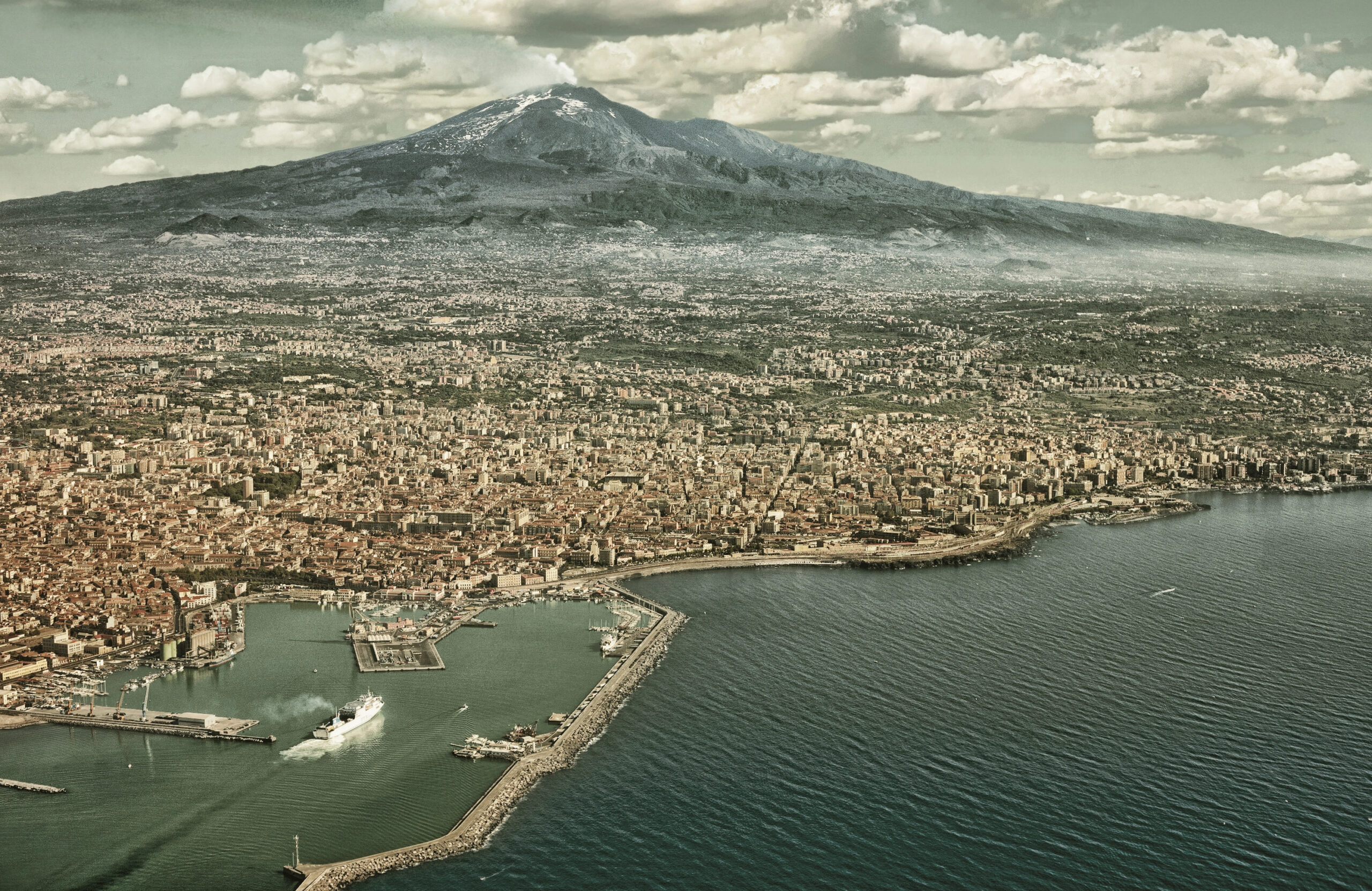
11. Catania, Italy (A resilient city at the foot of Mount Etna)

Catania sits at the base of Mount Etna, Europe's tallest and most active volcano. The city has been rebuilt multiple times following eruptions, most notably after the 1693 earthquake and subsequent lava flow. Despite the constant threat, Catania's baroque architecture, vibrant markets, and bustling streets exude a defiant vitality. The fertile volcanic soils support agriculture, including vineyards producing exquisite wines. Catania embodies the Sicilian spirit of resilience, with Etna serving as both a bountiful provider and a formidable foe.
12. León, Nicaragua (A city with volcanic horizons)

León, once the capital of Nicaragua, offers stunning views of several volcanoes, including Momotombo, which famously erupted in 1610, forcing the city to relocate. Today, León is a center for arts and academia, with its historical sites and colonial architecture attracting tourists and scholars alike. The nearby Cerro Negro volcano offers visitors the unique thrill of volcano boarding, sliding down its ash-covered slopes. Despite its proximity to active volcanoes, León thrives, with a vibrant community that embraces its geological backdrop. The city's history and culture are deeply intertwined with the volcanic landscape that surrounds it, creating a unique blend of beauty and danger.
13. Goma, Democratic Republic of the Congo (A city on the edge of disaster)

Goma sits perilously close to Mount Nyiragongo, one of the world's most active and dangerous volcanoes. The city has faced multiple evacuations due to eruptions, the most devastating in 2002 when lava flows destroyed much of it. Despite this, Goma has rebounded, with a population that's resilient and determined to rebuild each time. The volcanic soils around Goma are fertile, supporting agriculture and providing the mainstay for its economy. Goma's story is one of human resilience in the face of natural adversity, a community steadfast in its resolve to thrive.
14. Christchurch, New Zealand (A city near a volcanic field)

Christchurch lies in proximity to the Banks Peninsula, a dramatic landscape formed by two extinct volcanoes. While not threatened by active eruptions, the city's geography is a constant reminder of its volcanic origins. The peninsula offers stunning harbors, bays, and beaches, adding to Christchurch's allure as a tourist destination. The area's rich soils contribute to the region's agriculture, especially in viticulture, producing renowned New Zealand wines. Christchurch's connection to its volcanic past shapes its landscape, culture, and economy, making it a unique place to visit or live.
15. Ternate, Indonesia (A spice island with a volcanic heritage)

Ternate is an island city in eastern Indonesia, dominated by the active volcano, Mount Gamalama. Historically, Ternate was a major player in the spice trade, its wealth built on the fertile volcanic soils ideal for growing cloves. The volcano has erupted frequently, shaping the landscape and the history of this small island. Today, Ternate combines historical sites related to the spice trade with stunning natural beauty, attracting adventurous tourists. The city, with its rich history and the ever-present Mount Gamalama, offers a unique glimpse into the interplay between human civilization and the power of nature.
16. Puebla, Mexico (A city with twin volcanic guardians)

Puebla sits between two towering volcanoes, Popocatépetl and Iztaccíhuatl, known affectionately as Popo and Izta. These giants add a dramatic backdrop to the city, influencing its climate, culture, and cuisine. Puebla is renowned for its culinary scene, which benefits from the rich volcanic soils that produce a bounty of ingredients. The city's architecture, from its sprawling cathedral to its colorful streets, reflects a blend of indigenous and Spanish influences. Puebla's vibrant culture and the looming presence of its volcanic neighbors create a fascinating mix of natural beauty and human heritage.
17. Hilo, Hawaii (A city shaped by volcanic forces)

Hilo, on the Big Island of Hawaii, is no stranger to volcanic activity, with nearby Mauna Loa and Kilauea shaping its destiny. The city has faced destruction from tsunamis and lava flows, yet it remains a lush, vibrant community. Hilo's location provides it with stunning landscapes, from rainforests to waterfalls, all enriched by volcanic soil. The city is a hub for Hawaiian culture and history, offering visitors a chance to experience the power of Pele, the volcano goddess. Hilo's resilience and beauty underscore the dynamic relationship between its people and the volcanic forces that surround them.
18. La Paz, Bolivia (A high-altitude capital near ancient calderas)

La Paz, the world's highest administrative capital, is surrounded by the remnants of ancient volcanic activity. Though not immediately adjacent to an active volcano, the city's landscape is marked by calderas and thermal springs, evidence of its fiery past. This unique geological setting contributes to La Paz's stunning natural beauty, with breathtaking vistas at every turn. The city itself, clinging to steep canyon walls, showcases a blend of indigenous and colonial influences. La Paz's cultural richness and dramatic setting make it a fascinating place where history and nature intertwine.
19. Bandung, Indonesia (A city in a volcanic basin)

Bandung is nestled in a large volcanic basin in West Java, surrounded by lush, fertile hills and several dormant volcanoes. This setting gives the city a cool climate, a welcome respite from Indonesia's tropical heat. Bandung's growth as a city is deeply connected to its geological location, fostering a rich agricultural sector and a thriving arts scene. The nearby Tangkuban Perahu volcano is a popular tourist spot, offering hikes to its crater and showcasing the area's volcanic heritage. Bandung's blend of natural beauty, cool climate, and vibrant culture makes it a unique gem in Indonesia's volcanic landscape.
20. Anchorage, Alaska (A city framed by fire and ice)

Anchorage, Alaska's largest city, sits in a stunning setting of mountains and waterways, with the active volcano Mount Redoubt nearby. Redoubt's eruptions have dusted the city with ash in the past, a reminder of the raw power of nature. Despite the potential threat, Anchorage's residents enjoy unparalleled access to outdoor adventures, from skiing to bear watching. The city's unique position offers breathtaking views of both volcanic peaks and icy glaciers, a contrast that defines Alaska's wild beauty. Anchorage embodies the spirit of living on the edge, where the threat of volcanic activity is just part of the allure.
This article was written by a human and edited with AI Assistance