
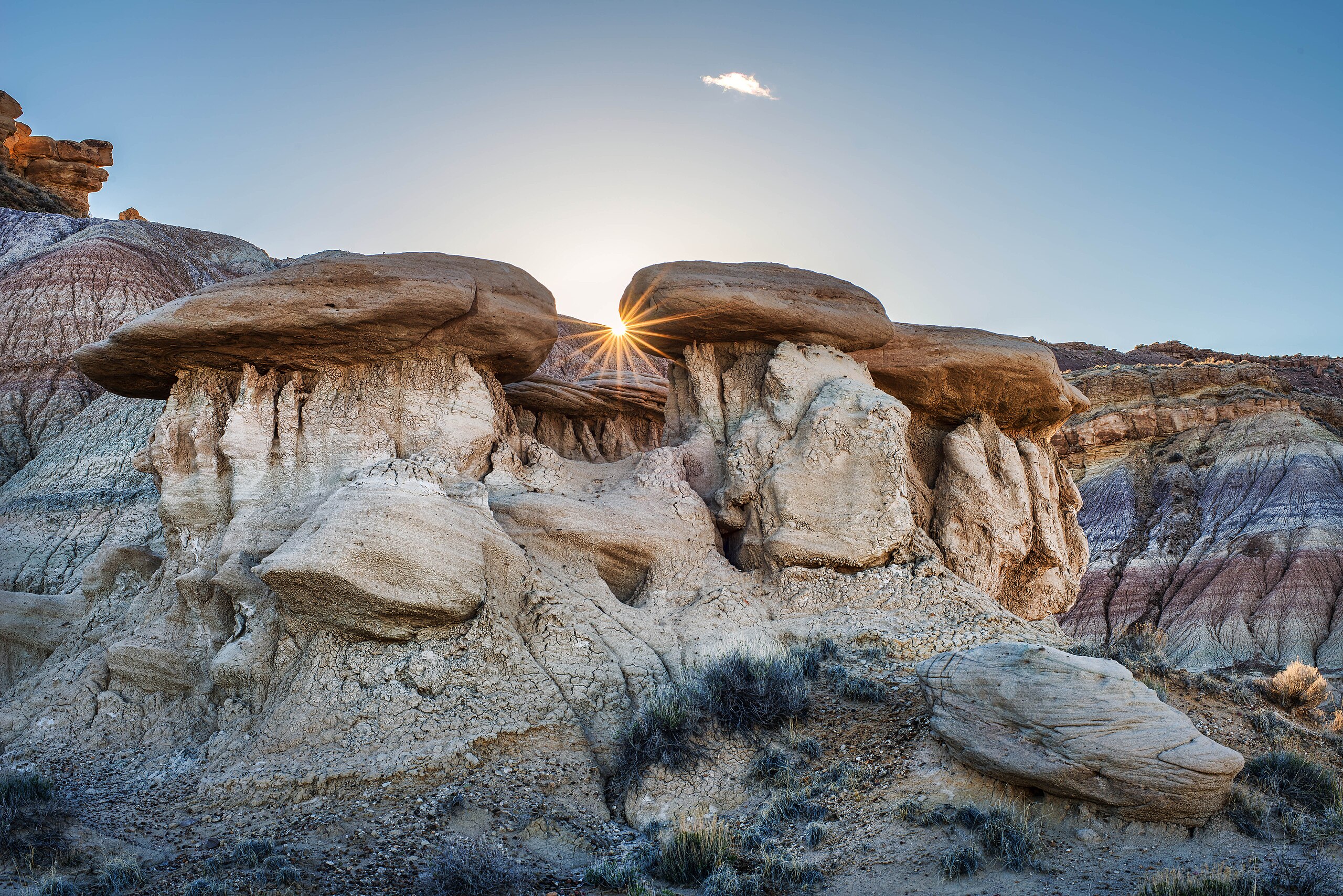

Our planet is a canvas of breathtaking landscapes, many of which were sculpted by the hands of time from ancient sea beds. These geological wonders, ranging from towering cliffs to expansive canyons, offer a glimpse into Earth's dynamic history. They stand as natural monuments to the eons when water ruled, only to recede and leave behind formations that awe and inspire. Here's a look at 20 such landscapes, each telling a unique story of our planet's past.
1. The White Cliffs of Dover (A chalky masterpiece)

The White Cliffs of Dover, towering above the English Channel, are an iconic symbol of Britain's natural heritage. These stark white cliffs were formed from the skeletal remains of microscopic sea organisms over millions of years. Their brilliant color is a stark contrast against the blue of the sky and sea, creating a breathtaking view. Not only do they offer a glimpse into the Earth's geological past, but they also played a significant role in British history. The cliffs are a testament to the enduring power of nature to shape our world and our imagination.
2. Grand Canyon (A river's masterpiece)

The Grand Canyon, with its layered bands of red rock revealing millions of years of geological history, is a testament to the sculpting force of water. Once a vast sea bed, the area was transformed by the Colorado River cutting through layer after layer of rock. This natural wonder stretches over 277 miles, with depths of over a mile in places. It's a breathtaking landscape that showcases the Earth's dynamic processes. Visitors here can literally walk through time, with each step taking them deeper into the Earth's ancient past.
3. The Great Barrier Reef (Underwater wonder turned above sea marvel)

Though now known as the world's largest coral reef system, the Great Barrier Reef's foundation was laid in an ancient sea bed. This sprawling ecosystem off the coast of Australia is home to thousands of species of marine life. Its origins lie in the skeletal deposits of billions of tiny organisms, accumulated over centuries. Today, it's a vibrant underwater landscape, teeming with life and color. The reef is a living reminder of the ocean's capacity to create vast and complex structures, visible even from space.
4. Salar de Uyuni (The world's largest mirror)

Salar de Uyuni in Bolivia is the world's largest salt flat, and it's like walking on the sky. This vast, otherworldly landscape was formed when prehistoric lakes evaporated long ago, leaving behind a thick crust of salt. During the rainy season, a thin layer of water transforms the flats into a giant mirror, perfectly reflecting the sky. It's a surreal experience, blurring the lines between sky and ground. This incredible place offers a unique glimpse into the Earth's geological and climatic history.
5. Valles Marineris (The grand canyon of Mars)

Although not on Earth, Valles Marineris on Mars is a spectacular result of ancient sea beds shaping landscapes. This gargantuan canyon system stretches over 2,500 miles across the Martian surface, dwarfing the Grand Canyon. It's believed that water once flowed here, carving out the vast chasms. The sheer scale of Valles Marineris challenges our understanding of geological processes. It's a reminder that the forces shaping landscapes from ancient sea beds aren't limited to our planet.
6. Petrified Forest National Park (A forest turned to stone)

Petrified Forest National Park in Arizona is home to one of the largest and most vibrant collections of petrified wood in the world. This remarkable transformation from wood to stone was made possible by the park's origins as an ancient river delta. Over time, the organic material was buried, mineralized, and eventually fossilized. Today, the park's scattered logs of rainbow-colored quartz are a vivid reminder of the Earth's capacity for change. Walking through this forest is like stepping back in time, surrounded by the remnants of an ancient world.
7. The Dead Sea (A lake where you can't sink)

The Dead Sea, bordered by Jordan to the east and Israel and Palestine to the west, is a unique body of water. Its high salt content, a result of millions of years of evaporation, makes it impossible for humans to sink. The sea bed here, rich in minerals, was once part of a vast ocean floor. Today, it's a popular spot for health and wellness tourism, thanks to the therapeutic properties of its mud and water. The Dead Sea is a fascinating study in how ancient geological processes continue to impact our lives in modern times.
8. Chocolate Hills (Nature's unique confection)

The Chocolate Hills of Bohol in the Philippines are an unusual geological formation. Consisting of at least 1,260 hills spread over an area of more than 50 square kilometers, they turn brown in the dry season, resembling giant chocolate drops. These hills are thought to be the weathered formations of marine limestone lying on top of an impermeable layer of clay. They are a testament to the Earth's artistic prowess, creating a landscape that looks almost edible. The Chocolate Hills offer a whimsical yet profound perspective on how ancient seas have shaped our world.
9. Antelope Canyon (A sculptural masterpiece)

Antelope Canyon in Arizona is a stunning example of natural sculpture. Carved by water rushing through rock after heavy rains, this slot canyon reveals the power of natural forces over time. The narrow, undulating spaces between the rock walls play with light and shadow, creating a mesmerizing visual experience. This place was once submerged under an ancient sea, with the sandstone walls telling the story of water's eternal flow. Antelope Canyon invites visitors to wander through its curves, marveling at what water and time can achieve together.
10. Bungle Bungle Range (Beehives of the outback)

The Bungle Bungle Range in Western Australia's Purnululu National Park is famous for its distinctive beehive-shaped towers. These sandstone formations, striped with orange and black bands, were shaped by weathering and erosion over millions of years. The area was once a vast seabed, with layers of sediment hardening into the sandstone we see today. This remote landscape was unknown to the wider world until the 1980s. The Bungle Bungles are a spectacular example of how ancient marine environments continue to shape the Earth's surface, creating natural wonders that intrigue and delight.
11. Guilin Karst (A painter's dream landscape)

The Guilin Karst region in China is renowned for its dramatic limestone peaks, which rise abruptly from the ground like giant teeth. This stunning landscape was formed under ancient seas, with the limestone being sculpted over millions of years by water erosion. The Li River meanders through these peaks, adding to the surreal beauty of the area. It's a place that looks as if it has been lifted straight from a traditional Chinese painting. The Guilin Karst landscape is a breathtaking reminder of the slow but relentless power of water to shape our world.
12. Monument Valley (Iconic red sandstone buttes)

Monument Valley, straddling the Arizona-Utah border, is characterized by its towering red sandstone buttes and mesas. These iconic formations were created from sand deposited by ancient rivers and seas, compacted and then eroded over millions of years. The vivid red color comes from iron oxide in the sandstone. This landscape has been featured in countless movies and advertisements, making it one of the most recognizable on Earth. Monument Valley offers a striking example of how ancient landscapes, formed beneath primordial seas, continue to define the visual imagery of the American West.
13. Wave Rock (Nature's perfect curl)

Wave Rock in Western Australia is a natural rock formation shaped remarkably like a towering wave about to break. Formed from granite, the rock's shape has been sculpted by weathering and water erosion over millions of years. This area was once submerged under an ancient sea, and the rock's vertical stripes are due to chemical weathering along its surface. Standing at 14 meters tall and over 110 meters long, Wave Rock looks like it's perpetually frozen just before crashing down. It's a striking example of the power of natural forces to create art out of the landscape.
14. Cappadocia (Fairy chimneys and ancient caves)

Cappadocia in Turkey is a magical landscape filled with unique geological formations known as fairy chimneys. These tall, cone-shaped rock formations were created by volcanic eruptions millions of years ago, followed by erosion from wind and water. The soft rock was easily carved, and ancient civilizations created homes, churches, and cities within these natural wonders. The area lies on an ancient seabed, where sedimentary rocks were deposited and later uplifted. Cappadocia's fairy chimneys stand as a testament to the incredible creativity of both nature and human ingenuity in shaping the landscape.
15. Bryce Canyon (A forest of stone)

Bryce Canyon National Park in Utah is famous for its hoodoos, spire-shaped rock formations that create a stunning natural amphitheater. These formations were the result of frost weathering and stream erosion acting on the limestone that was deposited by ancient lakes and seas. The park's array of colors and its surreal landscape draw visitors from around the world. Bryce Canyon offers a glimpse into the geological processes that shape our planet. It's a vivid reminder of the natural beauty that can arise from the ancient seabeds that once covered much of the Earth.
16. The Pinnacles (Limestone spires in the desert)

The Pinnacles Desert in Western Australia is home to thousands of limestone formations rising eerily out of the sand. These spires were formed from shells and other marine life deposited by an ancient sea that receded millions of years ago. Over time, coastal winds removed the surrounding sand, leaving the limestone pillars exposed. The desert landscape, with its golden spires against a deep blue sky, is otherworldly. The Pinnacles are a dramatic example of how ancient marine environments can transform into starkly beautiful landscapes.
17. Moeraki Boulders (Nature's spherical sculptures)

The Moeraki Boulders on New Zealand's Otago coast are large, spherical stones scattered along the beach. These curious geological formations are concretions that formed on the ancient sea bed millions of years ago. Over time, erosion has revealed these boulders, which can measure up to two meters in diameter. Their smooth, rounded shapes contrast strikingly with the rugged coastline. The Moeraki Boulders are a fascinating example of the natural world's ability to create forms that captivate the human imagination.
18. Zhangye Danxia Landform (Earth's color palette)

The Zhangye Danxia landform in China is known for its colorful rock formations. These incredible landscapes were formed from sandstone and minerals that were deposited over millions of years when the area was an ancient sea bed. Erosion by wind and rain has sculpted the rocks into a series of mountains and valleys painted in hues of red, yellow, orange, and green. This natural masterpiece draws visitors from around the world, eager to see Earth's vibrant color palette on display. Zhangye Danxia is a testament to the beauty that can emerge from the ancient processes that shape our planet.
19. Wadi Rum (The valley of the moon)

Wadi Rum in Jordan, also known as the Valley of the Moon, offers a landscape so otherworldly it's often compared to the surface of Mars. This desert valley is filled with towering sandstone mountains and granite cliffs, shaped by millions of years of erosion. The area was once covered by an ancient sea, and the layers of sandstone were deposited over time. Today, Wadi Rum is not only a stunning natural wonder but also a cultural treasure, hosting petroglyphs that date back thousands of years. It's a breathtaking example of how ancient sea beds can transform into landscapes that seem to belong on another planet.
This article was written by a human and edited with AI Assistance