

Looking for fresh city breaks that actually feel new? This list spotlights 18 underrated members of the UNESCO Creative Cities Network where design, music, and gastronomy shape daily life. Think modernist streets that double as open air galleries, orchestras and festivals that turn warehouses into concert halls, and markets where family recipes meet bold chef ideas. Each city offers specifics you can plan around, from architectural walks and studio districts to tasting menus and waterfront venues. Use this guide to build an itinerary that skips the usual stops and goes straight to places where creativity is more than a slogan. It is the heartbeat of the city.
Kaunas, Lithuania — City of Design

Kaunas is a quiet design powerhouse where interwar modernism meets a lively contemporary arts scene. Stroll Laisvės Alėja to see clean lines and rationalist façades before ducking into indie galleries and cafés that celebrate the city’s creative identity. Kaunas’ urban core showcases thousands of modernist buildings, the legacy of its years as Lithuania’s provisional capital and now a recognized World Heritage site for “Architecture of Optimism.” Design thinking spills into public life, from revitalized riverfront spaces to community-led cultural programming. You can trace the story at architecture walks and exhibitions that connect historic form with today’s makers. Come for the design, stay for the easy pace and welcoming street culture.
Kortrijk, Belgium — City of Design

Tucked in West Flanders, Kortrijk proves that small cities can set big design agendas. Every other year its Interior Biennale transforms warehouses and halls into immersive showcases that draw tens of thousands of visitors. The region’s manufacturing heritage in textiles, lighting, and wood gives local studios a deep material fluency, and that shows up in everything from furniture labs to circular product experiments. Walk the Buda Island creative district to see studios, showrooms, and playful public art stitched into daily life. Universities and makerspaces collaborate closely with city hall, so prototypes often become real public solutions. It is a living demo of how design can shape an inviting urban fabric.
Puebla, Mexico — City of Design

Puebla’s design story starts with Talavera tiles shimmering across baroque façades and continues into modern urban projects that put residents first. Beyond the UNESCO World Heritage historic center, newer initiatives invest in inclusive housing, educational hubs, and walkable public squares. Design fairs and university partnerships fuel a steady pipeline of talent, which you can feel in contemporary galleries, ceramic workshops, and inventive culinary spaces. Spend a day tracing tilework in colonial streets, then see how the same love of pattern and color appears in today’s studios and markets. Puebla’s design identity is rooted in craft but looks confidently to the future. It is a satisfying blend of heritage and innovation.
Querétaro, Mexico — City of Design

Querétaro’s historic core is all stone arcades and quiet plazas, yet the city hums with modern creative energy. Graphic design takes center stage at DeHache, a festival that pulls nearly twenty thousand attendees with talks, installations, and live showcases. The manufacturing corridor around the city gives designers access to advanced processes, so prototypes quickly scale into polished products. Follow signed routes to maker clusters and cafés where students and founders trade sketches over espresso. Architecture fans can pair design days with excursions to the Sierra Gorda missions and vine-covered ranches nearby. Querétaro is the kind of place where a morning studio visit turns into an overnight of ideas.
Geelong, Australia — City of Design

One hour from Melbourne, Geelong channels a clever, community-first design ethos along a sparkling waterfront. The city’s Design Week fills former wool stores and contemporary galleries with playful exhibits and hands-on workshops. Public art threads through promenades, while adaptive reuse projects turn industrial bones into creative hubs. Local councils openly use design thinking to guide policy on everything from streetscapes to sustainability, and residents are invited to co-create. Take a slow walk along Corio Bay, then explore laneways dotted with studios and micro-roasteries. Geelong shows how a regional city can leverage design to become more livable, inclusive, and future-ready.
Kolding, Denmark — City of Design

Kolding is a Scandinavian study in practical elegance where municipal teams deploy design methods to improve everyday services. Visit the Design School’s exhibitions to see fresh prototypes, then follow wayfinding into neighborhoods with people-centered play spaces and tidy cycling routes. The city’s silverwork and textile heritage lives on in boutiques that value material honesty and craft precision. Public programs invite citizens to co-design solutions for waste, mobility, and social care, so residents feel part of the process. If you love minimal forms with maximum usefulness, Kolding is your gentle north star. It is design as a civic language, not just an aesthetic.
Hamamatsu, Japan — City of Music

Hamamatsu sounds like music even before the concerts begin, thanks to its legacy as the home of Yamaha and Kawai. The city’s Museum of Musical Instruments lets you hear rare pieces come alive, while competitions bring top pianists and opera voices from around the world. Duck into intimate halls where chamber ensembles play next to workshops that restore instruments by hand. Cafés double as recital spaces, and street programming often surprises you with a lunchtime performance. A day in Hamamatsu connects invention, preservation, and performance in a way few places can match. For instrument lovers, it is a pilgrimage wrapped in hospitality.
Frutillar, Chile — City of Music

On the shore of Lake Llanquihue, Frutillar pairs snow-capped volcano views with a music culture far bigger than its size. The Teatro del Lago anchors the scene with year-round programming and acoustics that make strings shimmer. Each summer’s Semanas Musicales multiplies the magic with dozens of concerts that quadruple the town’s population. Music spills into workshops for young performers, free community events, and pop-up shows on the waterfront. The result is a festival vibe that still feels personal and relaxed. If you want world-class sound with small-town warmth, Frutillar is your dream ticket.
Norrköping, Sweden — City of Music

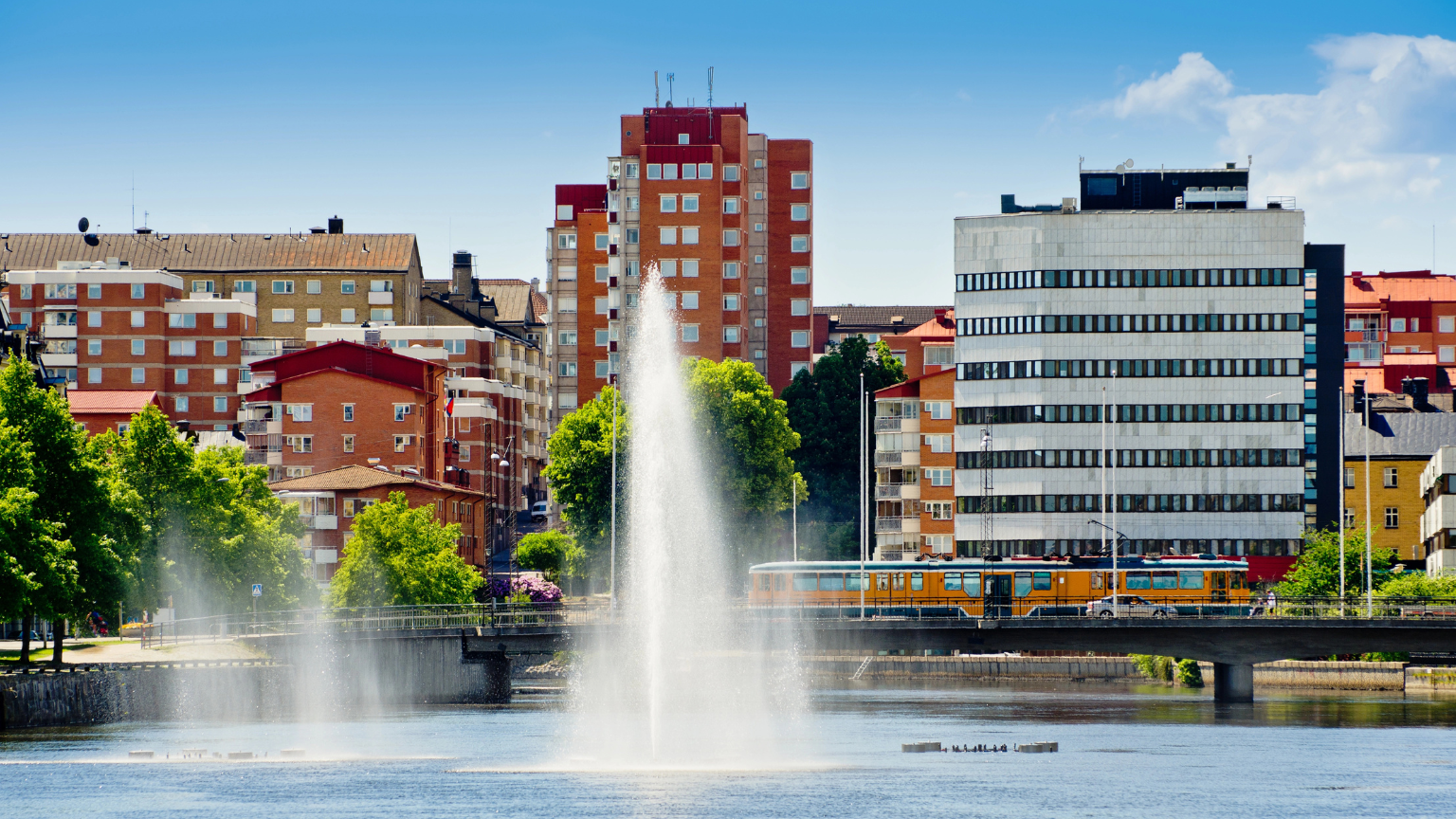
Norrköping’s brick mills along the Motala River now hum with orchestras and creative studios instead of looms. The Norrköping Symphony Orchestra, founded in 1912, anchors a calendar that ranges from classical masterworks to contemporary premieres. With hundreds of music enterprises and a dense music-education pipeline, the city treats culture like a core industry. Wander the industrial heritage district by day, then take your seat at the Louis De Geer Concert Hall by night. You will find festivals that welcome families alongside programs for serious ears. Norrköping is proof that thoughtful regeneration can turn factories into engines of sound.
Llíria, Spain — City of Music

Just outside Valencia, Llíria lives and breathes music through its legendary bandas, community ensembles with deep local roots. A striking number of residents study music formally, and you can hear the results in parks, auditoriums, and lively street parades. Jazz nights, Roman ruins, and Mediterranean cuisine round out a weekend that feels both cultured and casual. Visit rehearsal houses of Banda Primitiva and Unió Musical to watch the next generation at work. In Llíria, music is not a special occasion, it is a daily rhythm that welcomes visitors to sit and listen. The warmth of the town comes through every note.
Idanha-a-Nova, Portugal — City of Music

In Portugal’s Centro region, Idanha-a-Nova celebrates both ancient rhythms and global beats. The adufe frame drum is a local emblem you will hear at village gatherings and cultural centers. Each summer, Boom Festival transforms lakeside fields into a village of stages, workshops, and art installations that draw tens of thousands from around the world. Between major events, smaller venues keep folk traditions alive with dance circles and intimate performances. Markets sell handmade instruments and regional cheeses, so a concert evening often starts with a tasting plate. It is a place where tradition and experimentation feel like good friends.
Daegu, South Korea — City of Music

Daegu turns performance into an art of scale with one of Asia’s landmark opera festivals. The Daegu International Opera Festival runs for weeks, pairing new productions with international collaborations and masterclasses. Musical theater also gets marquee treatment at the Daegu International Musical Festival, so there is always a show to catch. The city’s modern opera house anchors a district of cafés, rehearsal studios, and galleries that buzz late into the night. Visitors can balance stage time with mountain hikes and market snacks for a full-sensory itinerary. Daegu’s confidence on the cultural stage is contagious.
Östersund, Sweden — City of Gastronomy

Östersund sits in the heart of Jämtland, a region that treats ingredients like neighbors rather than commodities. Menus spotlight mountain cheeses, heritage grains, forest berries, and cold-water fish sourced from small producers. Restaurants and food halls collaborate with local farms on seasonal tasting menus, pop-ups, and chef residencies. Workshops invite travelers to try smoking fish or baking crispy flatbread, and food festivals make it easy to meet the makers. Even coffee breaks lean hyperlocal, with pastries that showcase regional butter and flour. If you love terroir you can taste, Östersund will feel like a long conversation at a generous table.
Tsuruoka, Japan — City of Gastronomy

Tsuruoka’s cuisine radiates from the idea of “heirloom” everything. The city has preserved more than sixty traditional crop varieties, from jewel-toned beans to rare greens, and chefs weave them into kaiseki-style courses and temple cuisine. Seasonal calendars guide what is on the plate, whether spring mountain vegetables, summer seafood, or autumn rice. Visit morning markets to meet farmers who can tell you the story behind each seed and recipe. Culinary museums and workshops explain how Buddhist vegetarian cooking shapes local flavors. Tsuruoka is an invitation to slow down, listen to the land, and taste a lineage.
Rasht, Iran — City of Gastronomy

On the edge of the Caspian, Rasht cooks with garden freshness and a generous hand. Gilaki cuisine leans on herbs, garlic, smoked fish, rice, and silken eggplant, with market stalls piled high in every season. Home kitchens and family-run eateries share the same spirit, serving stews like fesenjan alongside zingy pickles and house-baked bread. The city is developing museums and training programs to preserve recipes while empowering women and young entrepreneurs. A walk through Rasht’s bazaars doubles as a culinary tour, with tastings at every turn. Come hungry and curious, and you will leave with new favorites.
Belém, Brazil — City of Gastronomy

Belém is the Amazon on a plate, where river and rainforest meet in vibrant flavors. At the Ver-o-Peso market you will find jambu, a tingling herb, and tucupi, a bright yellow sauce fermented from manioc, alongside stacks of açaí and fragrant tropical fruit. Chefs remix these ingredients into modern dishes while keeping traditions alive at family stalls and neighborhood cafés. River fish like filhote star on menus, and street sweets turn bacuri and cupuaçu into irresistible desserts. Between meals, explore colonial streets cooled by river breezes or hop a boat to nearby islands. Belém tastes like nowhere else.
Ensenada, Mexico — City of Gastronomy

Ensenada brings Baja’s sea-to-table energy together with vintages from the Valle de Guadalupe next door. Stands serve just-caught seafood tostadas while contemporary kitchens experiment with herbs, citrus, and olive oil grown in the region. Winemakers collaborate with chefs on pairings and pop-ups, and weekends feel like a rolling picnic across vineyards and marina-side patios. The city’s creative scene extends to breweries and coffee roasters, so there is always a new flight to sample. Plan time for market runs, fish auctions at dawn, and long sunset dinners. Ensenada’s cuisine is bold, generous, and proudly local.
Dénia, Spain — City of Gastronomy

Dénia’s Mediterranean pantry is deep and delicious, from market tomatoes to the prized red prawn that inspires local competitions and festivals. Chefs here champion rice in all its forms, seafood straight from the harbor, and vegetables from huerta farms enriched by sea breezes. The city celebrates its culinary culture through year-round events and an annual festival that gathers creative food communities from across the world. Walk the marina, tour the market stalls, then tuck into a menu where simple products shine. In Dénia, sustainability and tradition sit comfortably at the same table. You will taste the pride in every bite.
This article was written by Hunter and edited with AI Assistance