

When people talk about dream cities, the same names tend to come up on repeat. Paris, London, Tokyo, Rome. They are all amazing, but they also come with higher prices, heavier crowds, and a familiar set of photos. If you want that feeling of discovery, it is often the smaller or less famous capitals that deliver. These are the cities where you can still wander into a café that was not built for tourists, chat with locals on a tram, and feel like you have stepped into a story that most travelers are still missing.
Ljubljana, Slovenia

Ljubljana feels like the European capital you dream up after a long day of travel planning. The Old Town is compact, walkable, and mostly car free, so your days are spent drifting along cobbled streets instead of dodging traffic. A castle looks down over the city from a green hill, while the Ljubljanica River winds through the center lined with cafés, bridges, and outdoor markets. You can spend a morning visiting galleries and small museums, then sit outside with a coffee or glass of local wine and watch daily life go by. Prices are friendlier than in many Western European capitals, especially for food and small guesthouses. With mountains, lakes, and vineyards just a short ride away, Ljubljana also works as a relaxing base for exploring the rest of Slovenia.
Bratislava, Slovakia

Bratislava often gets overshadowed by Vienna and Budapest, yet it sits right between them with a fraction of the crowds. Its pastel Old Town is full of narrow lanes, baroque churches, and hidden courtyards that invite slow wandering rather than box ticking sightseeing. A short climb brings you to Bratislava Castle, where you get sweeping views over the Danube and the red roofs below. Down by the river, you will find a mix of quirky statues, modern architecture, and long paths that are perfect for evening walks. Cafés and wine bars feel local first and tourist second, which keeps prices reasonable and service relaxed. It is the kind of city where you can see the main sights in a day, then happily stay three more just to settle into the rhythm.
Tirana, Albania

Tirana is one of those capitals many people still cannot place on a map, and that is exactly what makes it exciting to visit right now. The city is in full transformation, with colorful buildings, bold new architecture, and lively neighborhoods built on top of a complex past. Skanderbeg Square forms the heart of the city, surrounded by museums, a historic mosque, and grand government buildings, and it is where festivals, markets, and everyday gatherings happen. Nearby, former bunkers and secret facilities have been turned into museums that tell the story of Albania’s communist era in a way that is surprisingly modern and engaging. Cafés spill onto sidewalks, and the Blloku district buzzes at night with rooftop bars and restaurants filled mostly with locals. Tirana feels safe, walkable, and refreshingly unpolished, a place you visit once and then start recommending to everyone who will listen.
Tbilisi, Georgia

Tbilisi has started to show up on travel lists, but it still feels underappreciated compared with what it offers. The city sprawls along the Mtkvari River, with old brick bathhouses, balconied houses, and modern towers all sharing the same skyline. In the historic districts, steep streets lead to hidden courtyards, small wine bars, and family run bakeries that smell like fresh bread and khachapuri. A cable car whisks you up to the Narikala Fortress for sunset views over the city, while nearby sulfur baths offer a soak when your feet are tired. The food scene is a highlight, with generous plates of dumplings, salads, and grilled meats that make every meal feel like a mini feast. Add in friendly prices and easy day trips to mountain villages or wine country, and Tbilisi quickly climbs toward the top of any thoughtful traveler’s list.
Yerevan, Armenia

Yerevan is a capital that rarely gets the spotlight, yet it has a warm, comfortable feel that surprises many first time visitors. The city is built in soft pink tuff stone, which glows at sunrise and sunset and gives even modern buildings a distinctive look. Republic Square anchors the center with fountains and grand facades, while the Cascade complex climbs a hillside with steps, sculptures, and wide views across the city to Mount Ararat on a clear day. Side streets hide leafy courtyards, wine bars, and cafés where people linger for hours over coffee and conversation. Museums explore everything from ancient manuscripts to modern art, and the food is a satisfying blend of grilled meats, fresh herbs, and flatbreads. Yerevan is compact enough to feel manageable, yet big enough to keep you busy for several days, and it makes a perfect base for day trips into monasteries and mountain landscapes.
Vilnius, Lithuania

Vilnius looks like the kind of historic city that should be packed with tour groups, yet it remains one of Europe’s more relaxed capitals. Its Old Town is a mix of baroque churches, cobbled backstreets, and faded courtyards that invite slow exploration. You can climb the hill to Gediminas Tower for a panoramic view, then wander back down through streets filled with galleries, bookshops, and small cafés. Across the river, the self declared Republic of Užupis offers a quirky, artsy neighborhood that feels part street art project and part miniature country. Prices for food and accommodation are still gentle by European capital standards, especially if you stay just outside the most photographed streets. With its walkable size and creative energy, Vilnius is ideal for travelers who enjoy a laidback city break with plenty of side alley surprises.
Riga, Latvia

Riga is a city that reveals itself layer by layer. The Old Town gives you cobbled streets, church spires, and medieval squares that feel made for evening strolls and café stops. Just beyond, whole neighborhoods of art nouveau buildings show off intricate facades and curved balconies that architecture lovers travel across the world to see. The central market, housed in former zeppelin hangars, is the place to wander for produce, snacks, and a glimpse of everyday life. Along the river and in the parks you get the sense that locals really use their city, from joggers and cyclists to families enjoying picnics. Nightlife ranges from cozy beer halls to creative cocktail bars, yet the overall atmosphere stays more friendly than flashy. Riga is big enough to feel like a proper capital yet small enough that you can get your bearings quickly and feel at home within a day or two.
Tallinn, Estonia

Tallinn’s Old Town looks almost too picturesque, as if someone built a medieval theme park and then forgot to overdevelop it. Stone walls, watchtowers, and red roofed houses climb a hill above the Baltic Sea, and at night the streets glow with warm light from cafés and restaurants tucked into ancient buildings. It can get busy when cruise ships arrive, but walk a few blocks away from the main squares and the pace slows down again. The city’s modern side shows up in the creative districts, where old industrial areas have turned into hubs for design shops, microbreweries, and tech offices. A short walk or tram ride brings you to green parks, seafront paths, and peaceful wooden house neighborhoods. Tallinn manages to feel both storybook and modern, and even with its growing popularity it is still overlooked compared with many Western European capitals.
Montevideo, Uruguay

Montevideo does not shout for attention, which is exactly why people fall for it. The Uruguayan capital stretches along the Río de la Plata with a long waterfront promenade where locals walk dogs, sip mate, and watch the sunset every evening. The historic Ciudad Vieja has shady plazas, old markets, and streets filled with music that feels more lived in than staged. Further out, residential beachside neighborhoods offer sandy stretches that act as the city’s backyard. The pace is slow and easy, more about everyday pleasures than must see sights. You can spend your days browsing small galleries, listening to candombe rhythms, and trying local staples like steak, chivitos, and flan in unfussy restaurants. Montevideo works best for travelers who want a gentle, wonderfully livable city experience rather than a packed checklist.
Wellington, New Zealand

Wellington often plays second fiddle to Auckland in name recognition, but many New Zealanders quietly insist it is the better city to visit. Wrapped around a hilly harbor, it has dramatic views in almost every direction, with houses climbing steep streets and walking tracks winding through pockets of bush. The compact downtown is packed with cafés, craft beer bars, and a strong food scene that punches above its size. Te Papa, the national museum, offers free entry and exhibits that range from natural history to contemporary culture, making it an easy place to spend a rainy afternoon. On clear days, you can ride the historic cable car up to the botanic gardens and follow trails back down toward the waterfront. Wellington feels creative, outdoorsy, and very human scaled, which makes it a great introduction to New Zealand without the sprawl.
Ottawa, Canada

Ottawa gets overshadowed by Toronto, Montreal, and Vancouver, yet it quietly offers a mix of culture and outdoor access that many visitors do not expect. The Parliament buildings and historic stone architecture give the center a stately look, especially when reflected in the waters of the Rideau Canal. In summer, the canal and surrounding paths are full of cyclists, runners, and boaters, while winter brings the famous skating season when conditions allow. Museums like the National Gallery and the Canadian Museum of History sit along the river in striking buildings and house collections that could fill several days. Just outside the city, Gatineau Park offers hiking, paddling, and autumn foliage that rivals more famous leaf peeping spots. Ottawa is clean, manageable, and bilingual, and it gives you a deeper feel for Canada than many people expect from a short city break.
Kuala Lumpur, Malaysia

Kuala Lumpur is often treated as a transfer point, yet the city rewards anyone who decides to stay and explore. The skyline is instantly recognizable thanks to the Petronas Twin Towers, but life on the ground is what makes it memorable. Street food is everywhere, from hawker centers to simple corner stalls, offering everything from satay and roti to steaming bowls of noodles at very friendly prices. The city’s neighborhoods showcase a blend of Malay, Chinese, and Indian influences, with temples, mosques, and churches sitting surprisingly close together. Air conditioned malls and rooftop bars offer a break from the heat, while green spaces and nearby limestone caves give you easy mini escapes. For first time visitors to Southeast Asia, Kuala Lumpur is a gentle introduction that still feels vibrant and layered.
Muscat, Oman

Muscat has a very different energy from many Gulf capitals. Instead of forests of skyscrapers, you find low rise white buildings tucked between rocky hills and a turquoise sea. The city’s corniche curves around a natural harbor lined with a traditional market, cliff side forts, and the old port, which is perfect for evening walks when the air cools down. The Sultan Qaboos Grand Mosque is one of the most beautiful in the region, open to visitors during certain hours and filled with intricate details. Beaches stretch out along the coast, and short drives bring you to dramatic wadis, desert dunes, or small fishing villages. Muscat feels safe, calm, and welcoming, a place where modern life and tradition still sit side by side. For travelers curious about the Middle East but wary of intense cityscapes, it offers a softer landing.
Dakar, Senegal

Dakar sits on the westernmost tip of mainland Africa, a peninsula city surrounded by the Atlantic and full of energy. Traffic and noise are part of the picture, but so are sweeping ocean views, lively markets, and an arts scene that has helped put Senegal on the cultural map. The coastal Corniche is made for sunset walks, with waves crashing below and joggers, families, and food vendors sharing the space. Off the coast, Gorée Island offers colorful streets and important historic sites that tell the story of the Atlantic slave trade in a powerful, sobering way. Back in the city, you can visit galleries, music venues, and neighborhoods where Dakar’s famous nightlife comes alive. It is not a polished capital, but it is a deeply memorable one, especially for travelers who enjoy cities with strong identity and creative drive.
Hanoi, Vietnam

Hanoi is the political capital of Vietnam and the cultural capital in the eyes of many locals. The Old Quarter is a maze of narrow streets where each block seems dedicated to one type of shop, from metalwork to paper goods, and scooters weave through the scene in every direction. Around Hoan Kiem Lake, life slows down a bit, with couples posing for photos, older residents exercising, and kids playing near the water. French era boulevards and villas in nearby districts add another layer to the architecture, while temples and pagodas sit quietly among the traffic. Food is an adventure all on its own, whether you are sitting on a tiny plastic stool with a bowl of pho or sampling egg coffee in a tucked away café. Hanoi can feel intense at first, but once you settle into its rhythm it becomes one of the most compelling capitals in Asia.
Valletta, Malta

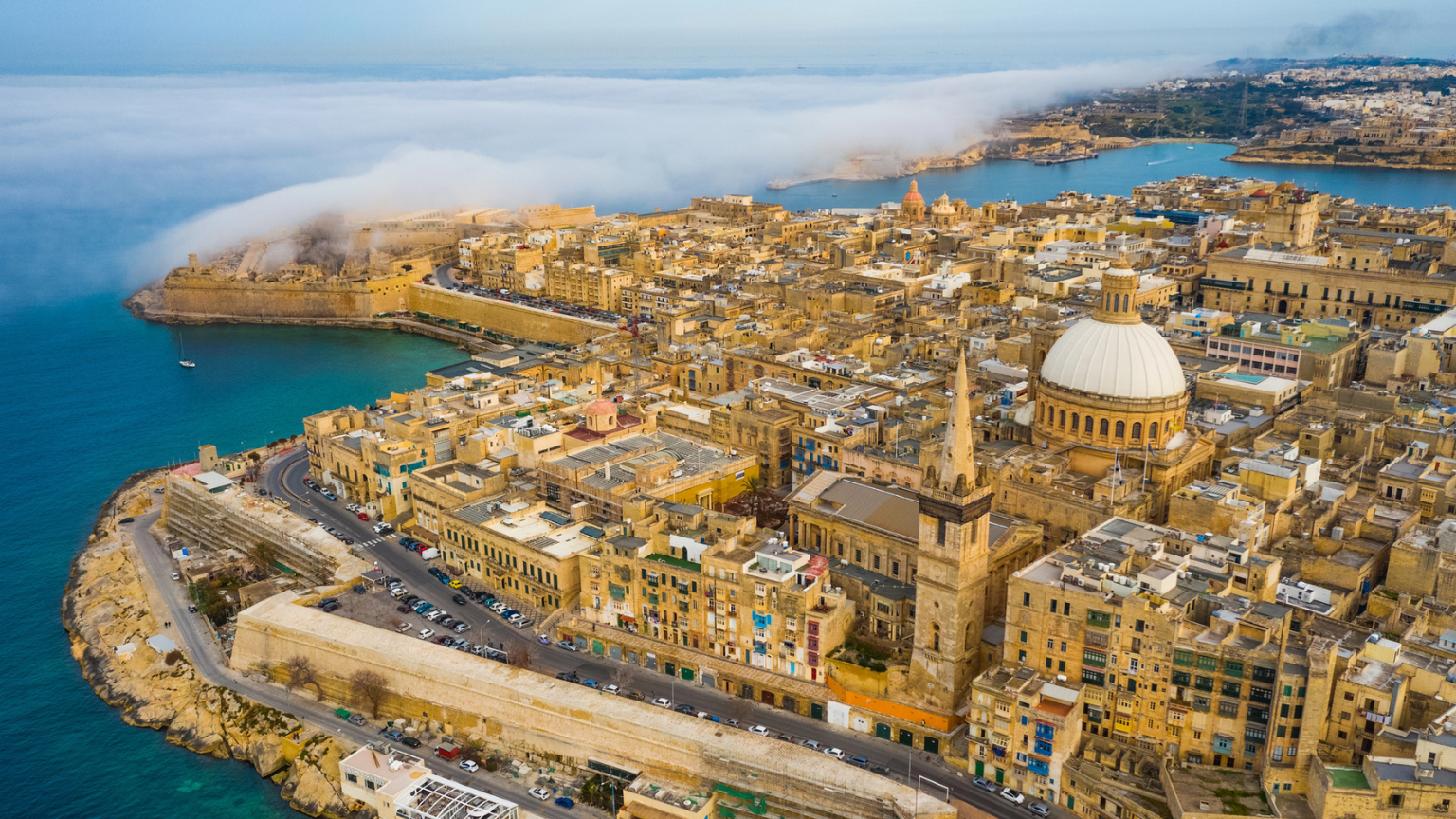
Valletta is one of the smallest capitals in Europe, yet it feels enormous in terms of history and atmosphere. Built on a peninsula and surrounded by fortifications, it looks almost like a stone ship pushing into the Mediterranean. Narrow streets climb up and down hills between honey colored buildings with old wooden balconies and hidden courtyards. From the city walls, you get unforgettable views over harbors filled with fishing boats, yachts, and ferries that connect nearby towns. Museums and churches hold art and artifacts that tell stories of knights, sieges, and trade routes. At night, Valletta’s streets fill with locals and visitors heading to wine bars and restaurants, and the city feels more like a lively neighborhood than a museum. It is easy to explore in a couple of days, yet rich enough to reward a longer stay.
San José, Costa Rica

San José is often skipped by travelers racing to the beaches and rainforests, but the capital has its own appeal if you give it time. The city center mixes historic theaters, markets, and plazas with everyday shops and street vendors, so you get a real sense of local life. The National Theater is a highlight, with an ornate interior that feels like a slice of old Europe in Central America, and nearby museums explore Costa Rican history and pre Colombian gold. Neighborhoods just outside the core are filling with cafés, craft beer bars, and small restaurants that show off the country’s growing culinary scene. Prices are generally lower than in the most popular coastal areas, which makes it a good place to decompress at the start or end of a trip. San José also works as a practical base for day trips to volcanoes, coffee farms, and cloud forests if you do not want to change hotels every night.
Windhoek, Namibia

Windhoek is not the kind of capital that overwhelms you at first sight, but it grows on you quickly. The city sits in a bowl of hills, with clear light, big skies, and a dry climate that makes evenings especially pleasant. Its center is compact, with German colonial era buildings, modern offices, and a scattering of churches and monuments. Cafés and restaurants offer a mix of local and European influenced dishes, and there is a small but interesting craft scene where you can pick up textiles, carvings, and jewelry. For most visitors, Windhoek is the start or end point of a wider Namibia trip, but it deserves at least a couple of days. It gives you time to adjust, learn about the country’s history, and enjoy a relaxed urban pause before heading out to the deserts, coasts, and national parks.
This article was written by Hunter and edited with AI Assistance