

Imagine walking into a museum, not just for the art or history it houses but to stand in awe of its unconventional architecture. From former palaces to futuristic pods, these museums turn heads before you even glimpse their collections. They redefine the museum-going experience, proving that sometimes the container is as fascinating as the contents. Let's unwrap this eclectic mix of structures that merge form, function, and a touch of the extraordinary.
1. Guggenheim Museum Bilbao (A Titanium Flower)

Designed by Frank Gehry, the Guggenheim Museum Bilbao in Spain is often likened to a metallic flower or a ship, marking a revolution in architectural design. Its shimmering titanium panels capture the light, changing appearance with the weather. Inside, vast spaces host modern and contemporary art, making it as much a piece of art as the exhibits it houses. Since its opening in 1997, it has become one of the most admired works of contemporary architecture, drawing visitors just to witness its form. The museum perfectly embodies Bilbao’s industrial past and its transformation into a cultural hub.
2. Niterói Contemporary Art Museum (A UFO Landing Spot)

Perched on a cliffside overlooking Guanabara Bay in Brazil, the Niterói Contemporary Art Museum could easily be mistaken for a sci-fi movie set. Designed by Oscar Niemeyer, the museum's saucer shape offers panoramic views of Rio de Janeiro. The futuristic design is complemented by a winding, red-carpeted ramp that leads visitors into its exhibition halls. This architectural marvel not only showcases Brazilian contemporary art but also offers one of the most stunning vistas of Rio. Its unique design has cemented it as a landmark in Niterói since its opening in 1996.
3. Louvre Abu Dhabi (A Floating Dome of Light)

The Louvre Abu Dhabi, designed by Jean Nouvel, is an architectural masterpiece that features a vast, geometric lace dome appearing to float over the museum complex. This dome creates a mesmerizing "rain of light," inspired by the interlaced palm leaves traditionally used in Emirati roofing. Situated on Saadiyat Island, it bridges the gap between Eastern and Western art. The museum's collection spans thousands of years and a wide range of cultures, from ancient times to the present day. It's not just a museum; it's a cultural beacon that illuminates the shared stories of humanity.
4. The Dali Theatre-Museum (A Surrealist's Dream)

In the heart of Figueres, Spain, the Dali Theatre-Museum stands as a tribute to the eccentric genius of Salvador Dalí. From the giant eggs adorning its roof to the bread-covered façade, every inch of this museum reflects Dalí's surreal world. Originally a theatre, Dalí transformed this space into a museum where he would be buried, making it a personal legacy. Inside, visitors are treated to a wide array of his works, including paintings, sculptures, and installations. It's a place where the line between museum and art blurs, inviting guests into Dalí’s imaginative realm.
5. The Basket Building (A Giant Picnic Basket)

The Basket Building in Newark, Ohio, takes literal inspiration to a whole new level. Home to the Longaberger Basket Company, this building is shaped exactly like one of their woven baskets, complete with giant handles on top. This seven-story structure is a remarkable example of novelty architecture, blending whimsy with the corporate world. Though no longer the company's headquarters, it remains a roadside attraction and a testament to the brand's iconic product. It stands as a unique piece of architectural marketing, visible from miles away and instantly recognizable.
6. Kunsthaus Graz (An Alien Blob)

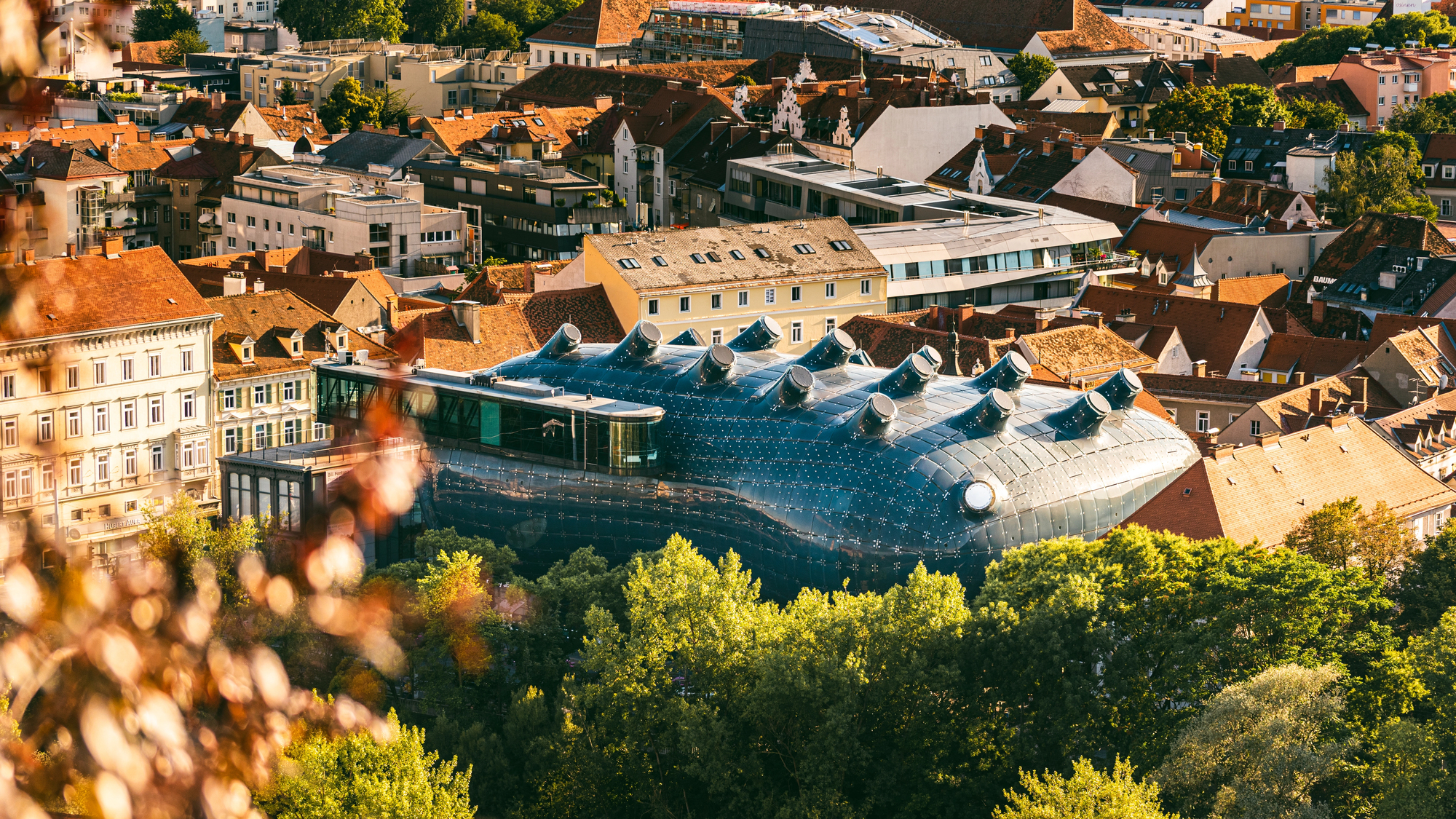
In Graz, Austria, the Kunsthaus museum, affectionately known as the "Friendly Alien," breaks the mold of conventional museum architecture. Its biomorphic shape, designed by Peter Cook and Colin Fournier, features an outer skin made of blue acrylic panels that glow at night. This contemporary art museum stands in stark contrast to the surrounding historic buildings, creating a fascinating juxtaposition. Inside, its fluid spaces defy traditional museum layouts, offering a dynamic setting for exhibitions. The Kunsthaus Graz is a bold statement in urban design, proving that the future of architecture can be both alien and inviting.
7. The Crooked House (A Fairytale Come to Life)

Located in Sopot, Poland, the Crooked House looks like it's been lifted straight from a storybook. Inspired by the whimsical illustrations of Jan Marcin Szancer and Per Dahlberg, this building's surreal, undulating form captivates all who see it. Serving as part of a shopping center, it's not a museum in the traditional sense but hosts a variety of exhibitions and cultural events. Its distorted walls and peculiar windows make it one of the most photographed landmarks in Poland. The Crooked House is a playful reminder that architecture doesn't always have to follow a straight line.
8. Denver Art Museum (A Peak of Creativity)

The Denver Art Museum's Frederic C. Hamilton building, designed by Daniel Libeskind, takes inspiration from the nearby Rocky Mountains and geometric rock crystals. Its angular, titanium-clad form offers a striking contrast to the Denver skyline. This architectural wonder houses a significant collection of indigenous and modern art, providing a visual dialogue between the building's exterior and the works inside. The museum's dynamic spaces challenge perceptions of what a museum should be, encouraging exploration and discovery at every turn. It's a landmark that reflects Denver's adventurous spirit.
9. The Museum of Pop Culture (A Fusion of Sound and Structure)

In Seattle, the Museum of Pop Culture, designed by Frank Gehry, mirrors the energy and innovation of music and popular culture. Its undulating form, covered in shimmering metallic colors, evokes the impression of a smashed guitar. Inside, its exhibitions range from rock 'n' roll to science fiction, encapsulating the diverse world of pop culture. This museum is as much a tribute to creativity as it is a piece of architectural art. It stands as a vibrant center for the celebration of contemporary pop culture, drawing visitors into a world where music and architecture meet.
10. The Piano and Violin Building (A Musical Harmony)

In Huainan, China, the Piano and Violin Building strikes a chord with its highly literal and artistic design. This unique architectural composition features a grand piano and a violin, perfectly scaled to house a music showroom and various exhibition spaces. The violin, made of glass, serves as the entrance and staircase, providing a transparent bridge to the main piano structure. Its design not only showcases the city's dedication to the arts but also provides an iconic landmark that's visually harmonious. This building is a symphony of architectural creativity, blending music and form in an unforgettable duet.
11. The UFO House (A Home for Extraterrestrial Art)

Perched on the cliffs of Sanzhi, Taiwan, the UFO House might seem like a landing pad for interstellar visitors, but it's actually a museum dedicated to extraterrestrial art. Designed in the 1970s as part of a futuristic vacation resort, this collection of pod-shaped buildings now houses art that explores the unknown and the alien. The peculiar, circular design of each pod creates an immersive space that enhances the sci-fi-themed exhibitions inside. This museum not only captures the imagination with its otherworldly architecture but also invites speculation about what lies beyond our planet. It's a perfect blend of curiosity, art, and architecture that looks to the future.
12. The Porcelain Tower Museum (A Beacon of History and Innovation)

In Nanjing, China, the modern Porcelain Tower Museum pays homage to the ancient Porcelain Tower, once considered one of the Seven Wonders of the Medieval World. This museum, with its sleek, futuristic design, contrasts sharply with the historical ruins it surrounds. It serves as a cultural center, exploring the rich history of Nanjing and the original tower's significance. The use of porcelain elements in its construction nods to the tower's legacy, blending tradition with modern architectural techniques. It stands as a testament to innovation, merging past and present in a striking visual narrative.
13. The Egg (An Ovoid Cultural Hub)

Albany's Empire State Plaza is home to The Egg, a performing arts venue whose shape is as intriguing as its name suggests. Designed by Wallace Harrison, its curved, smooth exterior defies traditional architectural forms, creating an iconic silhouette against the Albany skyline. Inside, it houses two theaters that host a variety of performances, from music to comedy. The Egg is not just a building; it's a statement piece that reflects the creativity and culture it nurtures within. This architectural marvel proves that functionality and form can come together in the most unexpected shapes.
14. Forest Spiral - Hundertwasser Building (A Walk in the Woods)

The Forest Spiral, located in Darmstadt, Germany, is a residential building complex that defies conventional design with its undulating floors and a unique façade adorned with trees and shrubs. Designed by Friedensreich Hundertwasser, this building resembles a living forest, with over 1000 windows of different shapes and sizes, none of which are alike. The rooftop garden, complete with winding pathways and a small lake, offers residents a piece of nature amidst urban life. While primarily residential, its ground floor features exhibition spaces that showcase Hundertwasser's work and philosophy. It's a testament to the harmony between nature and human habitation, offering a fresh perspective on sustainable living.
15. The Robot Building (A Nod to Technology)

In the heart of Bangkok, Thailand, the Robot Building stands as a playful homage to the digital age. Designed by architect Sumet Jumsai to reflect the computerization of banking, it houses the United Overseas Bank's headquarters. The building's eyes, antennae, and robotic features aren't just for show; they incorporate energy-saving functions and reflect the bank's innovative spirit. Its quirky design has made it an architectural icon in Bangkok, challenging the staid image of financial institutions. The Robot Building is a reminder that architecture can have a sense of humor while being functional and forward-thinking.
16. Eden Project (Giant Eco-Friendly Bubbles)

Located in Cornwall, England, the Eden Project is a sprawling complex of biomes resembling giant bubble-like domes. These structures, made from hexagonal and pentagonal, ethylene tetrafluoroethylene (ETFE) cells, house thousands of plant species from around the world. The project's focus on sustainability and environmental education makes it a living laboratory for conservation studies. Visitors can walk through diverse climates, from the rainforests to the Mediterranean, experiencing the natural world in a unique, controlled environment. It's a visually stunning testament to the possibilities of combining architectural innovation with ecological awareness.
17. The Mind Museum (A Journey Through the Brain)

The Mind Museum in Taguig, Philippines, takes visitors on a journey through science and the human mind with its striking design. Its exterior, resembling a brain's folds, sets the stage for the exploratory exhibits inside. This museum makes science accessible and engaging, with interactive displays covering everything from atoms to the universe. The design encourages curiosity, mirroring the mind's limitless capacity for learning and discovery. It's a space where architecture and education converge, proving that learning about science can be a visually immersive experience.
18. The Blur Building (An Architectural Mist)

At the base of Lake Neuchâtel in Switzerland, the Blur Building emerges from the mist, quite literally. This experimental structure, designed by architects Diller Scofidio + Renfro, is enveloped in a fine mist, blurring the lines between the building and its surroundings. Visitors donning water-resistant ponchos explore this "cloud" on a deck, making it a surreal, tactile experience rather than a visual one. The building serves as a commentary on the impermanence and fluidity of space. It's a fleeting architectural phenomenon that challenges perceptions of solidity and permanence in architecture.
This article was written by a human and edited with AI Assistance