

There is a short, sweet season when warm weather hiking feels effortless. The days are long enough for a relaxed start, the trails are open, and you can enjoy sunshine without the brutal midday heat that hits later in summer. This is the time of year when desert parks, coastal paths, and lower elevation mountain trails feel the most comfortable and photogenic. You can move faster, carry less stress about overheating, and actually linger at viewpoints instead of rushing back to shade. The best strategy is to hike early, pack more water than you think you need, and choose routes with breeze, shade, or water nearby. If you want big scenery without the summer suffering, these hikes are perfect to tackle now.
1) Devils Garden Trail, Arches National Park, Utah

Devils Garden is one of those hikes that makes you feel like you are walking through a natural sculpture park. In the late spring shoulder season, the temperatures are often warm but still manageable, which matters in exposed red rock terrain. You can do a shorter out and back to Landscape Arch or commit to longer loops if you are feeling ambitious. The trail offers nonstop views, from fins and arches to wide open desert horizons. Because there is limited shade, starting early makes a huge difference in comfort. Bring plenty of water, sun protection, and shoes with good grip for sandy and slickrock sections. If you want a calmer experience, aim for a weekday morning and enjoy the quiet before the park warms up.
2) Delicate Arch Trail, Arches National Park, Utah

Delicate Arch is iconic for a reason, and it is best tackled before summer heat turns the climb into a slog. The trail is not long, but it is exposed, and the sun can feel intense by late morning. Late spring gives you that perfect balance of warm weather and tolerable temperatures, especially if you start early. The payoff is a wide open viewpoint and the famous arch framed against red rock. Many hikers treat it like a sunrise or sunset outing, which can be more comfortable and far more scenic. Pack water, wear sun protection, and bring a light layer if you go early or late because desert air can surprise you. If you are hiking near sunset, keep a headlamp handy so you feel confident on the way back.
3) Mesa Arch and Nearby Viewpoints, Canyonlands National Park, Utah

Mesa Arch is short, easy, and unbelievably rewarding, which makes it perfect for warm weather hiking season. The trail to the arch is quick, but the sunrise glow and canyon views feel like a major event. Late spring is ideal because the air is usually comfortable and visibility can be crisp. You can build a half day around nearby viewpoints and short walks without burning out in heat. The area is exposed and windy, which often helps keep temperatures pleasant. Bring layers for early morning because it can be chilly before the sun hits. If you want the best experience, go early, enjoy the arch, then spend time at the overlooks while the light keeps improving.
4) Lost Mine Trail, Big Bend National Park, Texas

Big Bend shines before summer because the heat can get serious later in the year. Lost Mine Trail is one of the park’s best hikes for views, and the higher elevation makes it more comfortable than many desert floor routes. The trail climbs steadily with switchbacks and opens into wide vistas of mountains and desert layers. In late spring, you can often hike comfortably if you start in the morning and pace yourself. The scenery changes as you climb, with greener patches and cooler air near the top. Bring water and a few salty snacks because the dry air can sneak up on you. If you want a quieter hike, go on a weekday and plan to finish before midday warmth builds.
5) Balanced Rock and Garden Trail Loop, Big Bend National Park, Texas

This is a great Big Bend option if you want a shorter hike with classic desert scenery. The loop takes you through rocky terrain and delivers that feeling of being far from everything, even though it is manageable in distance. Late spring is the sweet spot because you can enjoy the landscape without the oppressive summer temperatures. The trail is exposed, so early starts and sun protection matter. You will see desert plants, rocky ridges, and wide open skies that feel dramatic in morning light. It is also a nice add on if you are building a multi hike day but do not want every trail to be intense. Bring water, wear a hat, and take your time, because the desert is best when you move slowly.
6) Canyon Overlook Trail, Zion National Park, Utah

Canyon Overlook is short, fun, and one of the best view to effort hikes in Zion. It is perfect in late spring because the temperatures are warm, but the trail is still comfortable if you go early. The route includes some rocky steps and ledges, but it is manageable for most hikers who take it slow. The viewpoint looks out over Zion’s canyon scenery and makes you feel like you earned something big without a long trek. Because it is popular and small, timing matters more than fitness here. Go early in the morning for a calmer experience and softer light. If you want to make it even better, pair it with a scenic drive and a second short trail, then call it a full half day.
7) Emerald Pools Trail, Zion National Park, Utah

Emerald Pools is a warm weather friendly hike because it offers shade and a bit of water scenery that feels refreshing. Late spring is a great time to do it before summer crowds and high heat arrive. The trail system offers options, so you can choose a shorter route or link into a longer walk depending on energy. The setting feels cooler than exposed desert hikes, especially near the shaded canyon walls. Even when the pools are not at peak flow, the walk still feels scenic and relaxing. Wear shoes with decent grip because wet spots can be slippery. Start earlier if you want the quietest experience, then enjoy the rest of the day in Zion without feeling drained.
8) Ryan Mountain Trail, Joshua Tree National Park, California

Ryan Mountain is one of Joshua Tree’s best viewpoint hikes, and it is best done before summer heat makes the climb uncomfortable. Late spring days can still be warm, but mornings are often perfect for this steady ascent. The trail is straightforward and well traveled, with a clear payoff at the top. You get sweeping views across Joshua Tree’s boulder fields and desert stretches. Because shade is limited, water and sun protection are essential even when temperatures feel mild. The wind at the top can be stronger and cooler, which feels great after the climb. If you want a quiet experience, go at sunrise when the light and temperatures are at their best.
9) Hidden Valley and Barker Dam Loop, Joshua Tree National Park, California

This is the ideal Joshua Tree option if you want a lower effort hike that still feels packed with scenery. Hidden Valley has that classic enclosed rock formation feel, while Barker Dam adds a touch of history and the chance of seasonal water. Late spring is comfortable for these trails, especially in the morning when the rocks still feel cool. The loop style hiking makes it feel like you are exploring rather than just walking to a viewpoint. It is also a great hike for photography because the shapes and textures pop in soft light. Bring water and take your time, because the fun is in wandering and noticing small details. If you want fewer people, hit these trails early, then leave the busiest areas behind by midday.
10) Pinnacles Overlook Trail, Saguaro National Park, Arizona

Saguaro National Park is best enjoyed before summer heat gets intense, and this hike is a strong choice for big views. The trail gives you classic Sonoran Desert scenery, with towering cacti and rolling mountain backdrops. Late spring can still be warm, so early starts are the secret to enjoying it comfortably. The higher you go, the more breeze you often get, which helps keep the hike pleasant. This trail also feels rewarding because it offers a viewpoint payoff without being overly technical. Bring more water than you think you need because desert air dehydrates quietly. If you want the most beautiful light, hike in the morning when the cacti cast long shadows and the scene feels cinematic.
11) Tumamoc Hill Trail, Tucson, Arizona

Tumamoc Hill is a local favorite for a reason, because it is simple, scenic, and easy to fit into a warm weather trip. It is essentially a steady climb on a paved road, which makes it accessible for many fitness levels. The views over Tucson and the surrounding desert are especially beautiful in spring when the air is clearer. Because it is exposed, sunrise and early morning hikes are the best way to enjoy it. The vibe is friendly and community oriented, and you will likely see locals doing the same routine. Bring water even though it feels short, since the sun can be strong quickly. If you want a low stress hike with a big payoff, this is a perfect pick.
12) South Kaibab to Ooh Aah Point, Grand Canyon National Park, Arizona

This is one of the best warm weather hikes because you can get a huge canyon payoff without committing to a full descent. Late spring is a smart time because summer heat can be dangerous on exposed canyon trails. The hike drops quickly, which means the return climb is the real workout. Ooh Aah Point is a classic stopping spot because the views are immediate and dramatic. Start very early, carry plenty of water, and do not underestimate the climb back up. Even though it is a shorter out and back, it feels like a real adventure. If you want to keep it safe and enjoyable, turn around while you still feel strong and save deeper canyon hikes for cooler months or more planning.
13) Bright Angel Trail to the First Tunnel or 1.5 Mile Resthouse, Grand Canyon National Park, Arizona

Bright Angel is another smart warm weather option because it has water access at certain points in season and a more gradual feel compared to South Kaibab. Late spring is still warm, but it is far safer than the peak summer months if you start early. The key is setting a realistic turnaround point, because the canyon tempts you to keep going. The First Tunnel or the 1.5 Mile Resthouse makes a great goal for many hikers, depending on fitness and time. The views build steadily, and you get that canyon depth feeling without needing a full day. Bring water, snacks, and sun protection because even shaded sections heat up as the sun rises. If you hike early, you will enjoy cooler air and a calmer trail before the crowds build.
14) Diamond Head Summit Trail, Oahu, Hawaii

Diamond Head is a warm weather classic that is perfect before summer travel crowds spike. The hike is short, but it includes stairs and an incline that can feel surprisingly intense in the sun. Spring weather on Oahu is usually ideal, with warm temperatures and manageable humidity. The summit view over Honolulu and the coastline feels like an instant reward. Go early to avoid heat and get a smoother experience on the narrow sections. Bring water and wear sun protection because shade is limited, especially near the top. If you want to make it a full morning, follow the hike with a beach swim and breakfast so the day stays relaxed.
15) Makapuʻu Point Lighthouse Trail, Oahu, Hawaii

This hike is warm weather friendly because it is paved, scenic, and rewards you with ocean views the entire way. It is a great choice if you want an easy to follow trail that still feels like a real outing. Spring is ideal because you can hike without the hottest summer sun, and breezes often make it comfortable. The viewpoint delivers dramatic cliffs and wide open water scenery that feels energizing. Even though it is not a wilderness trail, it still gives you that “I did something” feeling without high effort. Bring water and sun protection because it is exposed and the sun reflects off the pavement. For specifics, hike in the morning, then head to a nearby beach area for a low key rest of the day.
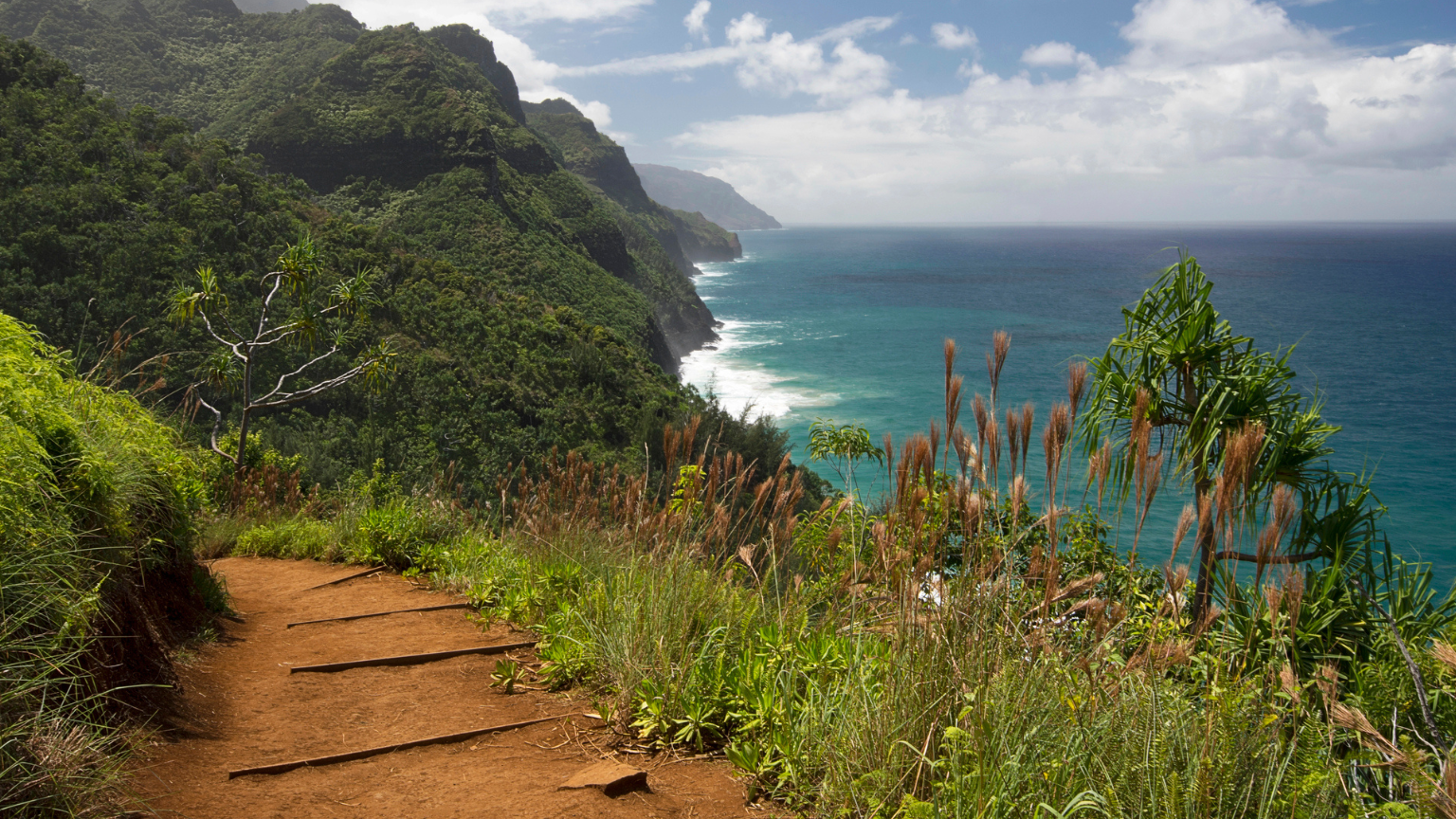
16) Kalalau Trail to Hanakāpīʻai Beach, Kauai, Hawaii

This is one of the most beautiful warm weather hikes in Hawaii, and spring can be a great time to experience it before summer crowds. The coastal views are nonstop, with lush cliffs and ocean scenery that feels unreal. The trail can be muddy and slick, so good footwear is important, especially if there has been rain. Many hikers do the first section to Hanakāpīʻai Beach as a challenging but doable out and back without committing to the full trail. You get a sense of the Na Pali Coast’s scale and drama in just a few miles. Bring water, snacks, and be honest about your turnaround time because the return climb can feel tougher than expected. If conditions look rough, do not force it, because this trail rewards caution and patience.
This article was written by Hunter and edited with AI Assistance