

Cities change fast, and some of the most surprising travel stories of the 2020s are not about new hotels or buzzy restaurants. They are about places that quietly did the work to feel cleaner, safer, and more welcoming again. From downtown cores that used to empty out after dark to waterfronts that now sparkle with clear air and well kept parks, these cities show what can happen when locals, leaders, and businesses push in the same direction. For travelers, that means destinations where walking feels more comfortable, transit is easier to use, and public spaces invite you to linger instead of rush through. You still need to use common sense wherever you go, but these cities have clearly moved the needle in a positive direction.
Denver, Colorado

Denver has spent the first half of this decade rethinking what a safe and livable downtown should feel like. After a spike in crime around 2020 to 2022, the city doubled down on community policing, targeted enforcement, and quality of life initiatives, and recent data shows violent crime, property crime, and auto theft dropping noticeably. Locals will tell you that the 16th Street Mall and surrounding blocks feel more watched over now, with more officers on foot and bike patrol and a stronger focus on keeping public spaces active instead of empty. At the same time, investment in housing, trees, and streetscape improvements has helped make central Denver brighter and cleaner. For visitors, that translates into an easier time walking between LoDo, the theater district, and Union Station late in the day. The mountain views have always been a draw, but the city itself now feels much more in step with the outdoorsy lifestyle it loves to advertise.
San Francisco, California

San Francisco’s headlines have not always been kind in recent years, but the reality on the ground is more nuanced and, lately, more hopeful. Crime statistics show both violent and property crime trending down from their pandemic era highs, with car break ins and other nuisance offenses dropping thanks to targeted enforcement and new technology. That shift is noticeable in key visitor areas like the Embarcadero, Union Square, and popular neighborhoods where you now see more foot patrols, cleaner sidewalks, and fewer obviously abandoned spaces. The city has also invested heavily in street cleaning, lighting, and public realm upgrades, especially around major transit stops and tourist corridors. You still see challenges in certain districts, yet travelers who return after a few years away often comment on how different the city feels. Combine that with world class views, food, and culture, and San Francisco’s comeback story is one worth watching in real time.
Pittsburgh, Pennsylvania

Pittsburgh has been reinventing itself for decades, but the latest chapter is focused squarely on making downtown cleaner, safer, and more livable. A long term revitalization plan backed by state and local leaders is putting hundreds of millions of dollars into housing conversions, upgraded parks, and expanded public safety efforts in the Golden Triangle. Homeless encampments have been reduced, underused office towers are being turned into apartments, and key pedestrian corridors are getting lighting, streetscape, and cleanliness upgrades. For visitors, that means the walk from the Cultural District to Point State Park now feels more inviting, with more people out enjoying the riverfront and public spaces. Pittsburgh’s reputation as a gritty steel town has faded, replaced by a city of bridges, bike lanes, and clean skyline views reflected in its three rivers. The changes downtown are helping the city feel more aligned with that newer image.
Honolulu, Hawaii

Honolulu has quietly become one of the cleanest cities in the United States, and it shows the moment you step outside. Air quality rankings put the city at or near the top nationwide, and that reflects a mix of ocean breezes and deliberate policy choices around energy, trees, and transportation. The urban core around Waikiki, Ala Moana, and downtown has seen continued investment in parks, waterfront paths, and regular cleaning, which helps keep heavily used areas feeling fresh instead of worn down. Long term plans to expand renewable energy and plant more trees are aimed at keeping both air and streetscapes in good shape as tourism grows. For travelers, it means that those postcard views of Diamond Head, palm lined beaches, and clear horizons feel just as clean in person as they look online. You still get the energy of a major city, but without the haze or grime that often comes with it.
Cleveland, Ohio

Cleveland’s downtown story used to be about vacant buildings and quiet streets after office hours. Today, it is much more about clean sidewalks, activated parks, and visible ambassadors in bright uniforms helping people find their way. A long running improvement district and ambassador program has focused on making the core cleaner and safer by picking up litter, removing graffiti, checking in with businesses, and acting as extra eyes and ears for police. These efforts have been paired with new housing, restaurants, and events that keep more people downtown into the evening. As a visitor, you will notice how easy it is to walk between Playhouse Square, the stadiums, Public Square, and the waterfront without feeling like you have stepped out of a safe zone. The city still works on long term challenges, but the experience of being downtown has changed significantly for the better over the past decade.
Minneapolis, Minnesota

Minneapolis has faced heavy scrutiny in recent years, yet it has also made measurable progress in reducing serious violence and rethinking public safety. Homicide numbers have dropped compared to their pandemic era peak, and the city has leaned into a mix of community based programs and targeted enforcement instead of relying only on one approach. At the same time, long running efforts to clean and improve public spaces around the Mississippi Riverfront, the chain of lakes, and downtown parks have paid off. Bike paths and pedestrian routes feel well used and well maintained, which helps create a sense of safety simply through having more people outside. Neighborhoods near key visitor spots, such as the North Loop and areas around the stadiums, have added new lighting, housing, and storefronts that keep the streets active later into the evening. For travelers, Minneapolis now feels like a city that has had hard conversations and is slowly turning them into tangible improvements on the street.
Dallas, Texas

Dallas has been working to rewrite the narrative around safety in its core districts, and the changes are becoming visible. Recent data shows a clear drop in homicides and other violent crimes from their recent highs, and the city has responded by continuing to invest in downtown patrols and community focused safety strategies. New housing, restaurants, and hotels around areas like the Arts District, Victory Park, and the West End have brought more residents and visitors into spaces that used to go quiet after work. Cleanliness and maintenance efforts around plazas, light rail stops, and major venues have also ramped up, which makes walking between attractions feel more comfortable. Klyde Warren Park and other green spaces help anchor that feeling, giving the city center places where families, office workers, and visitors all share the same safe, clean space. Dallas still has its sprawling, car centric side, but its main visitor districts feel much more polished and secure than they did a decade ago.
Philadelphia, Pennsylvania

Philadelphia’s big city edge is still there, but the mood around safety has shifted in a positive direction. After a sharp spike in violence earlier in the decade, the city has seen significant declines in homicides and improvements in some key crime indicators. Those changes are especially noticeable in central neighborhoods and high profile areas that attract travelers, such as the historic district, Center City, and the Museum District. Investments in lighting, street cleaning, and park upgrades around places like the Benjamin Franklin Parkway and river trails add to the sense that the city is taking its public spaces seriously. More residents are choosing to live downtown or nearby, which brings extra foot traffic and eyes on the street at all hours. As a visitor, you still need to stay aware, but walking between Independence Hall, Reading Terminal Market, and the art museums feels far more relaxed than the city’s old reputation might suggest.
Boston, Massachusetts

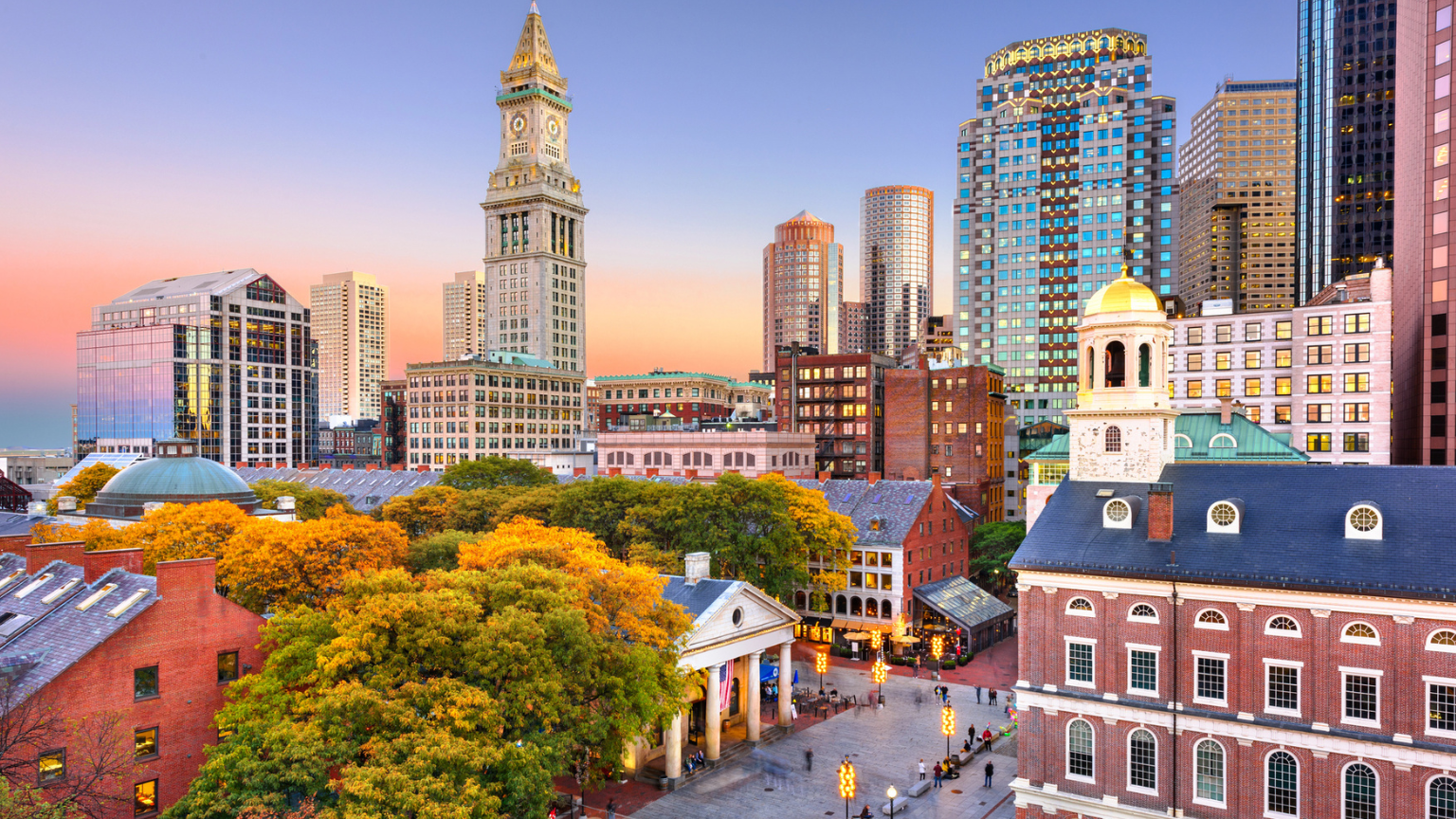
Boston has quietly become a standout when it comes to reducing serious violence and improving quality of life. Long term work by community groups, city leaders, and law enforcement has produced a substantial drop in homicides compared to earlier eras, and that safety boost can be felt in daily life. Walking through the Seaport District, the Greenway, or the Back Bay today, you notice how many families, joggers, and commuters use these spaces comfortably late into the evening. The city has also invested heavily in cleaner air and water, with harbor cleanup and green building standards making the waterfront and downtown feel fresher and more polished. Neighborhood squares in places like South Boston, Jamaica Plain, and Cambridge’s nearby districts have gained new bike lanes, trees, and sidewalk improvements that feed into a sense of order and care. For travelers, the result is a historic city that feels well maintained and increasingly safe, without losing its classic character.
Seattle, Washington

Seattle’s challenges have been real and visible, but so have its recent improvements. Waterfront redevelopment, investments in public parks, and targeted cleanup efforts have noticeably improved the look and feel of key areas around Pike Place Market, the new waterfront promenade, and downtown. While the city is still working through homelessness and addiction issues, there has been a push to pair social services with more consistent enforcement of basic rules in heavily used public spaces. Transit hubs and popular neighborhoods like South Lake Union and Capitol Hill now show more active street life into the evening, supported by better lighting and regular cleaning. Environmental standards and a strong local culture around sustainability also mean cleaner air, more greenery, and widespread recycling and composting habits. Visitors who return after several years are often surprised by how much more inviting some of Seattle’s central streets feel today.
San Diego, California

San Diego has spent years refining its approach to a cleaner and safer downtown, with business districts and city leaders collaborating closely. A long standing “clean and safe” program has focused on daily maintenance, graffiti removal, litter pickup, and ambassador style patrols that help people navigate the city center. Combined with a relatively low rate of violent crime compared to many large metros, this has given Downtown, Gaslamp Quarter, and the waterfront a well cared for feel that stands out. The city’s mild climate encourages outdoor life year round, so keeping sidewalks, parks, and waterfront promenades tidy has been a priority. New residential towers and hotels have filled in parts of downtown that were once sparse, which brings more people onto the streets at different hours of the day and night. For travelers, it makes San Diego feel like a big city where you can stroll along the harbor or head out for dinner on foot and still feel comfortable lingering.
Burlington, Vermont

Burlington has long been known as a pleasant college town on Lake Champlain, and in this decade it has doubled down on being both safe and clean. National safety rankings now regularly place Burlington and its neighboring communities near the top, reflecting low crime, strong community networks, and a high quality of life. The compact downtown and waterfront district are designed for walking and biking, and the city takes visible pride in keeping streets, parks, and shared spaces well maintained. Local policies that promote clean air, clean water, and renewable energy show up in everyday details, from frequent recycling bins to electric buses and car charging stations. Residents are quick to use public spaces, which means solo travelers and families are rarely alone on the bike path or Church Street Marketplace. Burlington feels like one of those places where the small details add up, creating a city that seems to quietly get better every year.
Overland Park, Kansas

Overland Park sits just outside Kansas City, yet it has carved out its own identity as a safe, orderly, and steadily improving place to live and visit. Recent national reports rank it as one of the safest cities in the country, thanks to low crime rates and careful urban planning. Streets are wide, well lit, and easy to navigate, and newer mixed use developments have added walkable pockets of restaurants, shops, and parks. The city invests in parks, trails, and family friendly events, which keeps public spaces active and well used. For travelers, Overland Park can be a mellow base for exploring the wider metro area, with the comfort of returning to a calm, tidy environment at the end of the day. It is not a flashy destination, but it is a clear example of how consistent effort can keep a city moving in a cleaner and safer direction.
Warwick, Rhode Island

Warwick may not grab the same attention as nearby Providence or Newport, yet it has quietly become one of the safest cities in the United States. Recent analyses looking at crime, accidents, and other risk factors put Warwick at or near the top for overall safety. That track record is backed up on the ground by well maintained neighborhoods, orderly roads, and a local focus on community policing. The city’s coastal setting and access to Narragansett Bay give it some surprisingly scenic spots, especially along the marinas and shoreline parks. As more visitors discover Rhode Island’s smaller cities and towns, Warwick’s combination of low stress travel, clean public spaces, and easy access to the rest of the state makes it an appealing stop. It shows that some of the biggest gains in safety and cleanliness happen outside the usual big city list.
Columbia, Maryland

Columbia was designed as a planned community, and this decade has shown how that foundation can support ongoing improvements in safety and livability. Recent national rankings highlight Columbia as one of the safest cities in the country, and that status is reinforced by the way neighborhoods, paths, and shopping areas connect cleanly without feeling chaotic. Green space is woven into almost every part of town, with lakes, parks, and wooded trails helping keep air fresh and streets visually calm. Local government and community associations invest heavily in upkeep, from trimming trees and repairing paths to maintaining lighting and signage. For visitors, Columbia works well as a base between Baltimore and Washington, with the bonus of a calmer atmosphere and a strong sense of order. It is a good example of how thoughtful planning from decades ago can still pay off in a safer, cleaner city today.
Salem, Oregon

Salem has been stepping out from Portland’s shadow in recent years, and its improvements in safety and cleanliness are part of that story. National safety metrics now rank Salem among the better performing midsize cities, reflecting relatively low crime and a steady investment in public services. The downtown core has seen new life through streetscaping, murals, and small businesses that keep sidewalks busy instead of empty after office hours. Riverfront Park and nearby green spaces have been cleaned up and upgraded, turning them into genuine gathering places for events and everyday walks. Air quality is generally good, and the city’s focus on trees and green corridors gives many neighborhoods a fresh, leafy feel. Visitors who make time for Salem often remark that it feels smaller and more manageable than many capitals, while still offering the security and cleanliness you hope for when you base yourself in a new place.
This article was written by Hunter and edited with AI Assistance