

There are places I still love, but I recommend them differently now. They are gorgeous and absolutely still worth your time, yet the energy has shifted. Social media buzz, remote workers, investors, short term rentals, climate impacts, and heavier tourism have all left their mark. If you last saw these towns ten or even five years ago, you might be surprised by the crowds, the prices, or how polished everything feels. This is not a “do not go” list. It is a realistic snapshot of stunning American towns in 2025 that have evolved so much they no longer feel like the quiet escapes many of us first fell for.
Aspen, Colorado

Aspen still delivers some of the best scenery, skiing, and summer events in the country, but the casual mountain town vibe has shifted into something much more curated. High end boutiques and luxury brand storefronts now dominate core blocks where quirky shops and local diners once stood. Hotel and rental prices have climbed so sharply that many staff and long term residents live down valley and commute, which changes who you actually see walking around town at night. The upside is a calendar packed with concerts, food and wine festivals, film events, and gallery openings that feel big city level against a dramatic alpine backdrop. Four ski mountains, great hiking, and bike paths still make it an outdoor playground in every season. Aspen is still incredible, just no longer pretending to be low key.
Jackson Hole, Wyoming

Jackson Hole has always had money and mystique, but in 2025 it feels more like a luxury brand than a sleepy Western gateway. Home prices and rents have pushed many workers and families into distant communities, and it shows in how many people you meet who are visiting rather than living there year round. The town square is polished, with upscale lodges, refined restaurants, and galleries sharing space with a few classic cowboy bars that hang on through the changes. Wildlife tours, guided adventures, and park shuttles are booming as Grand Teton and Yellowstone draw record interest, so expect more traffic and fewer empty shoulder season days. On the mountain, the terrain is still serious and stunning, but lift tickets, lessons, and parking come at a premium that shocks first timers. Jackson remains unforgettable, it just feels less like a tucked away valley and more like a global stage.
Sedona, Arizona

Sedona’s red rock views are still jaw dropping, but the secret is long gone. By 2025, peak season weekends bring backup traffic into town, trailhead parking lots fill at sunrise, and you are more likely to hear conversations about content creation than quiet reflection at certain overlooks. Spiritual retreats, wellness centers, jeep tours, and energy vortex branding have multiplied, making parts of town feel more commercial than mystical. Short term rentals have reshaped residential neighborhoods and added pressure on housing for workers. On the positive side, shuttles, trail projects, and visitor management efforts are improving access and protecting fragile areas. Sedona is still magic, but you have to plan early, explore beyond the most famous spots, and accept that you are sharing the experience with a lot of other people.
Park City, Utah

Park City built its reputation on ski culture and festival charm, and both are still alive, but the town feels busier, sleeker, and more built out than it did a decade ago. Luxury condos and large homes now dominate many hillsides once dotted with older cabins and seasonal places. During the film festival and peak winter weeks, Main Street becomes a crush of visitors, branded events, and private parties that can overshadow the town’s everyday personality. Park City Mountain and Deer Valley have continued to expand offerings, which means excellent terrain but also higher prices and more demand for reservations. In summer, bike parks, outdoor concerts, and a surge of Wasatch Front locals escaping the heat keep the town active instead of sleepy. It is still an easy, beautiful mountain escape, just one that runs hotter and faster than before.
Moab, Utah

Moab was once a scruffy base camp town, and now it is one of the most heavily touristed outdoor hubs in the West. Arches and Canyonlands national parks see intense seasonal traffic, and nearby trails host a constant stream of off road vehicles, mountain bikers, and van lifers. Hotels, chain restaurants, and short term rentals line the highway farther than they used to, changing the small town scale. Residents and land managers have pushed for new rules on camping, noise, and trail use in response to crowding and environmental stress. At the same time, Moab remains an incredible launching point for desert hikes, rafting, and red rock exploration if you time it right and venture beyond the usual overlooks. The landscape has not lost its magic, but the overall experience feels far from the quiet desert town many remember.
Telluride, Colorado

Telluride is still one of the most stunning towns in the Rockies, yet it feels more exclusive in 2025 than it once did. The box canyon setting limits sprawl, which helps preserve the views but also intensifies demand for a very small amount of space. High property values and limited housing options have made it harder for workers and longtime locals to stay in town, which affects the fabric of daily life. Festivals, luxury hotels, and destination weddings are thriving, so summer and fall weeks can feel packed with visitors who fly in and out rather than settle in. On the bright side, the free gondola, preserved historic buildings, and direct trail access keep it deeply walkable and scenic. Telluride remains extraordinary, it just leans more toward rarefied alpine outpost than hidden gem.
Bend, Oregon

Bend used to feel like a laid back outdoor secret, and now it reads as a fully grown small city with mountain town branding. Remote workers, retirees, and investors poured in over the past several years, pushing home prices and rents well beyond what many longtime residents and service workers can manage. New neighborhoods, breweries, restaurants, and gear shops keep opening, which creates great options for visitors but also heavier traffic and less of that sleepy river town feel. Crowds fill river float routes, popular bike trails, and downtown patios on sunny weekends. Land managers and locals are working on trail etiquette, parking, and preservation as visitor numbers rise. Bend is still a fantastic base for the Cascades and the high desert, but it no longer feels small or undiscovered.
Bozeman, Montana

Bozeman’s boom is hard to miss. Once a relatively low profile college and ranch town with access to mountains, it has become one of the most talked about relocation and tourism hotspots in the Rockies. New construction stretches along the edges of town, national chains have arrived, and traffic that once surprised you now feels normal at rush hours. Housing costs have climbed fast, forcing many workers to outlying communities and tightening the local labor market. For visitors, there are more hotels, restaurants, and flights than ever before, plus the same easy access to Hyalite Canyon, Big Sky, and Yellowstone. The landscape is still spectacular, but the town feels more polished and busy, less like the quietly cool place it once was.
Whitefish, Montana

Whitefish remains charming, walkable, and scenic, but the pace and price of life here have changed. Proximity to Glacier National Park and a surge in media attention pushed it onto many travelers’ and buyers’ shortlists. Vacation rentals and second homes now make up a large share of properties close to downtown and the lake, altering neighborhood dynamics and tightening housing for residents. Summer brings packed sidewalks, booked out restaurants, and trailheads that fill early, especially when Glacier is in peak season. Whitefish Mountain Resort continues to grow as a true four season destination, which is great for tourism but adds more strain on infrastructure. It is still a town I recommend, just with the clear suggestion to visit outside peak dates and support businesses that keep locals employed and rooted.
Big Sky, Montana

Big Sky long marketed itself as wide open and under the radar, but major investments have turned it into a high end resort community with construction cranes as part of the skyline. New hotels, residences, and base village upgrades have improved amenities while pushing prices higher. The ski experience is still impressive, with huge terrain and fewer people per lift than some big competitors, yet slopeside real estate now targets a luxury market more than regular families. Service workers often commute long distances, and it has become harder to find simple, affordable lodging in the immediate area. In summer, more visitors use Big Sky as a gateway to Yellowstone, putting pressure on roads and trails that once felt empty. The mountains are still immense and beautiful, but the feeling has shifted from rustic big country to polished private playground.
Gatlinburg, Tennessee

Gatlinburg sits next to one of the most beautiful national parks in the country, and that is both its gift and its challenge. The town has leaned fully into attractions, neon lights, moonshine tastings, themed experiences, and packed sidewalks that feel more like a compact entertainment strip than a quiet mountain base. Short term rentals and cabin resorts climb the hillsides, and park entrances see steady lines of cars on peak days. Great Smoky Mountains National Park remains free to enter, which keeps it accessible but also contributes to heavy traffic, crowded overlooks, and very busy iconic trails. You can still find peaceful corners if you head out early, choose lesser known routes, or visit midweek in shoulder seasons. Gatlinburg is still a launchpad for incredible scenery, it just comes with a lot more noise.
South Lake Tahoe, California

South Lake Tahoe is as stunning as ever, with bright blue water framed by mountains, but the town’s character has shifted under the weight of demand. Years of heavy tourism, wildfire smoke seasons, and growth in vacation rentals have strained infrastructure and housing. Casino resorts, chain storefronts, and crowded beaches can make parts of the shoreline feel more like a busy summer strip than a tranquil alpine lake town. Local officials have introduced stricter rules on rentals, parking, and beach access in an effort to ease pressure. On quieter days, the trails, coves, and viewpoints are still unforgettable, but you notice how many visitors are passing through compared to people who live there full time. South Lake Tahoe is beautiful, it just feels more fragile and less relaxed than it once did.
Marfa, Texas

Marfa began as an arts and desert escape for people who wanted space and strangeness, and it has since become a full on cultural reference point. The minimalist installations, galleries, and stylish hotels are still there, but so are bigger crowds, event weekends, and rising prices that sit awkwardly next to the realities of a small West Texas town. Some longtime spots have closed or changed hands, and seasonal swings mean it can feel slammed one week and quiet the next. The contrast between visitors arriving for curated experiences and residents dealing with limited services and housing has grown more visible. For travelers, it is still a fascinating place to experience contemporary art against a huge sky, but it is important to arrive with respect and realistic expectations. Marfa no longer feels like an accidental discovery, it feels like a destination aware of its own mythology.
Santa Fe, New Mexico

Santa Fe has always drawn visitors with its adobe architecture, art markets, food scene, and high desert light, but in recent years it has felt more overtly visitor centric. Galleries and boutiques thrive around the Plaza, often pricing out everyday shopping for locals while catering to a steady flow of tourists and second homeowners. The cost of living and housing has climbed, especially after waves of remote workers looked for scenic, culturally rich places to relocate. Summer art markets, festivals, and ski season keep the calendar busy and the streets full. That said, the museums, historic sites, and surrounding trails still deliver depth and authenticity if you venture beyond the most crowded blocks. Santa Fe remains beautiful and culturally rich, it just demands a bit more intention to see past the glossy surface.
Charleston, South Carolina

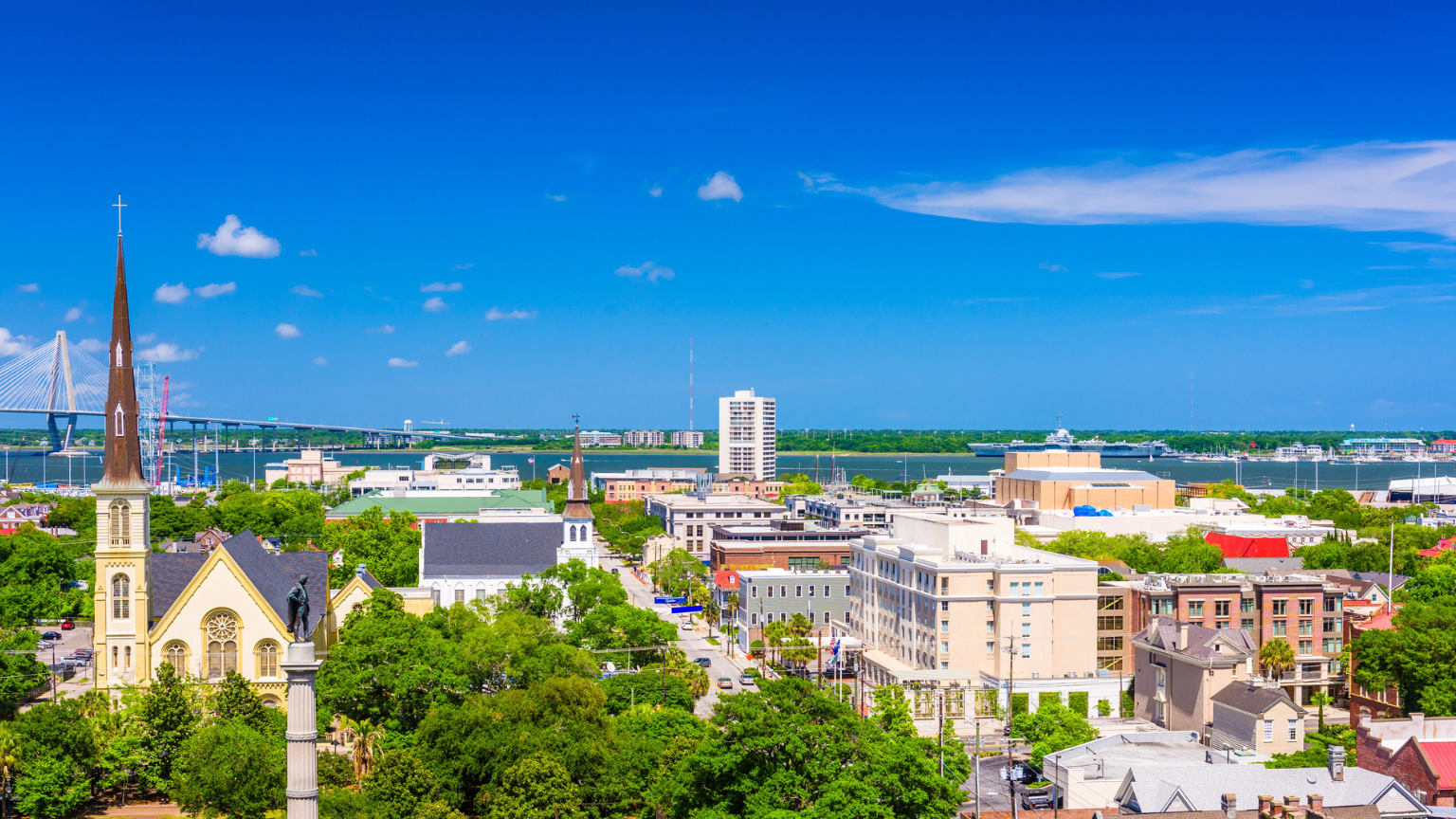
Charleston’s pastel streets, waterfront views, and live oaks remain some of the most photogenic scenes in the country, but the experience has changed noticeably. Cruise ship traffic debates, rising seas, stronger storms, and continual tourism growth have put pressure on its historic core. Short term rentals have transformed some residential areas, and restaurant and hotel prices reflect its status as a top tier getaway rather than a quiet coastal town. The city has invested in flood projects and regulations, yet high tide flooding and climate concerns are more frequent parts of local conversations. Visitors pack King Street, the Battery, and popular plantations, sometimes without engaging with the hard history that shaped them. Charleston is still stunning and full of outstanding food and architecture, but it no longer feels sleepy or undiscovered from any angle.
Key West, Florida

Key West has always been a bit wild, but it now feels more like a polished, high volume tropical theme than the scruffy end of the road it once was. Cruise passengers, day trippers, and year round vacationers keep Duval Street busy at almost all hours. Many classic bars and guesthouses remain, yet more properties have shifted toward upscale stays, and everyday costs have climbed. The island is dealing with rising seas, stronger storms, and environmental stress on its coral and marine life, which adds urgency to conversations about sustainability. Local workers face steep housing challenges, with many commuting from other islands or the mainland. The sunsets, water, and quirky spirit are still there, but the balance has tilted toward a carefully packaged version of Key West that feels different from the one many remember.
This article was written by Hunter and edited with AI Assistance