

If Europe has been sitting on your bucket list because you are worried about prices, 2026 might surprise you in a good way. A mix of exchange rate shifts, slower tourism growth in some regions, and the simple fact that not every city is trying to be Paris or London means there are still plenty of places where your money goes noticeably further. You will not find rock bottom prices in every corner of the continent, but there are cities where a sit down meal, a decent hotel, and a day of sightseeing will not blow up your budget.
Krakow, Poland

Krakow is one of those cities where you keep double checking the bill because it feels too low for what you just got. Hotels in the Old Town and Kazimierz are still much cheaper than equivalent locations in Western Europe, especially outside absolute peak dates. You can sit down in a traditional restaurant, order pierogi, a main dish, and a drink, and pay what a single course might cost in Paris. Public transport and taxis are reasonably priced, and many of the main sights like the Old Town itself, the Wawel Castle grounds, and the riverside are free to wander. Day trips to the Wieliczka Salt Mine or the Tatras region are also affordable and easy to arrange on local buses or trains. Krakow feels polished and tourist ready without having fully adopted Western European prices.
Budapest, Hungary

Budapest has grown more popular in the last decade, but it is still one of the best value capitals in Europe. Hotel rates, especially on the Pest side, remain very competitive for the quality you get, and you can often find stylish apartments or boutique hotels at mid range prices. Food and drink are where the city really shines. A hearty meal in a neighbourhood restaurant plus a glass of local wine can come in well under what you would pay in many other European capitals. Entry fees for the famous thermal baths are not dirt cheap, but you get a full afternoon of soaking and people watching for the cost of a single museum ticket elsewhere. Public transport covers the whole city and is inexpensive, and even taxis and rideshares are gentler on the wallet than in the west. The Danube views at sunset, however, look just as expensive as anywhere.
Porto, Portugal

Lisbon has become significantly pricier, but Porto still feels like a bargain in comparison, especially if you are flexible with your travel dates. You can stay in a centrally located guesthouse or small hotel within walking distance of the river without paying luxury prices. Meals in traditional restaurants in neighbourhoods just outside the historic core are very reasonable, and you can get a full plate of fresh grilled fish or francesinha for less than a fast casual meal back home. Tasting port wine in the cellars across the river in Vila Nova de Gaia can be surprisingly cheap if you choose smaller houses and daytime tastings. Trams and metro fares are manageable, and the compact layout means you can budget many days around walking and free viewpoints. For a European city with ocean breezes, historic architecture, and a strong food culture, Porto still feels like a deal.
Valencia, Spain

Spain has plenty of affordable corners, but Valencia hits that sweet spot between big city energy and gentle prices. Hotels and apartment rentals usually come in lower than Madrid and Barcelona for similar comfort, especially in neighbourhoods a short walk or metro ride from the Old Town. You can eat very well here without a big budget. Menus del día at lunchtime include several courses and a drink at prices that barely get you a snack in some other cities. The city’s famous paella is more reasonably priced here than in tourist heavy coastal resorts, especially in local focused restaurants away from the absolute seafront. Bike rentals to explore the Turia gardens and the beach area are inexpensive, and many of Valencia’s highlights, like its modernist market hall and street life, are completely free to enjoy if you are happy to wander.
Bucharest, Romania

Bucharest flies under the radar for many travellers, which is part of why it feels so affordable right now. The Romanian capital offers a mix of grand boulevards, quirky side streets, and surprisingly lively nightlife at prices that feel more like small city America than European capital. Hotel and apartment rates are generally low for the space you get, and you can often splash out on a four star property for what a budget hotel would cost in Paris or Amsterdam. Cafés and restaurants are priced with locals in mind, so coffee, pastries, and full meals will not sting the way they do elsewhere. Public transport is cheap and straightforward once you figure out the basics, and taxis across town often cost less than a single metro ride in more expensive countries. Add in affordable day trips to Transylvanian towns or the countryside, and Bucharest makes a strong case for a longer stay.
Sofia, Bulgaria

Sofia is not as polished as some Western European cities, but if you are willing to trade a bit of rough edge for value, it delivers. Accommodation prices remain low across most of the city, and you can find central hotels and guesthouses at budget friendly rates even in busy seasons. Eating out is where you really see the difference. Local restaurants serving grilled meats, salads, and hearty mains feel almost shockingly cheap compared with Northern Europe. Coffee, beer, and wine are also affordable, so lingering at a café or bar does not require much thought. The city’s main churches, parks, and markets are free to browse, and low cost buses and trains connect you with hiking in nearby mountains. For travellers who want their money to stretch across many days, Sofia is still one of Europe’s bargains.
Vilnius, Lithuania

Vilnius has the look and feel of a classic European Old Town, with pastel buildings, baroque churches, and cobbled streets, but it does not carry the same price tag as more famous names. Accommodation options in and around the centre are reasonably priced, and short term rentals tend to offer good value for couples and groups. Eating and drinking out is manageable on almost any budget. You can find inexpensive lunch specials, casual bakeries, and small wine bars where the bill remains pleasantly low. Public transport in the city and to nearby towns is cheap, and many of the main attractions, like wandering through Užupis, climbing hills for views, or visiting churches, do not cost anything at all. The overall feeling is that you are getting a classic European city break experience at a notable discount.
Riga, Latvia

Riga combines an atmospheric Old Town with wide boulevards and art nouveau architecture, and it remains friendlier to your wallet than many other Baltic and Nordic cities. Hotels and apartments are still affordable, especially if you do not insist on staying right on the main square. Restaurants that cater to locals and office workers offer hearty meals at lunchtime that feel like a bargain for visitors. Even in the evenings, you can find good mid range spots where a full dinner with drinks is much cheaper than in Scandinavia or Western Europe. The city is very walkable, and local trams and buses are inexpensive when you want to reach the beach at Jūrmala or other nearby spots. For travellers who want a mix of history, river views, and a bit of nightlife without Nordic prices, Riga is a smart choice.
Sarajevo, Bosnia And Herzegovina

Sarajevo has a complex history and a warm, welcoming present, and it is still one of the most budget friendly capitals in Europe. Accommodation options range from simple guesthouses in the old Ottoman quarter to modern hotels, many of which are significantly cheaper than equivalents in Western Europe. Food is very affordable, particularly if you enjoy grilled meats, burek, and café culture. It is easy to fill up on local dishes for the price of a snack elsewhere. Public transport tickets are inexpensive, and taxis are typically reasonable if you need them. Guided tours that explain the city’s recent history or take you into the surrounding mountains are also well priced. Sarajevo feels like a place where your travel budget goes into experiences rather than simply covering high fixed costs.
Belgrade, Serbia

Belgrade often appears on lists of good value cities, and that reputation still holds in 2025. It has the energy of a big city with the prices of a smaller one. Accommodation spans from budget hostels to mid range hotels and serviced apartments, most of which remain affordable even in high season. Eating out is surprisingly inexpensive considering the portion sizes and quality you receive. Cafés, bakeries, and traditional restaurants are priced for locals, not just tourists, which means you can comfortably dine out multiple times a day without worrying too much. Public transport covers the city extensively at low cost, and nightlife is both vibrant and affordable compared with Western standards. You can sit at a riverside bar or club and enjoy the view of the Sava and Danube without feeling like you are burning cash with every drink.
Tirana, Albania

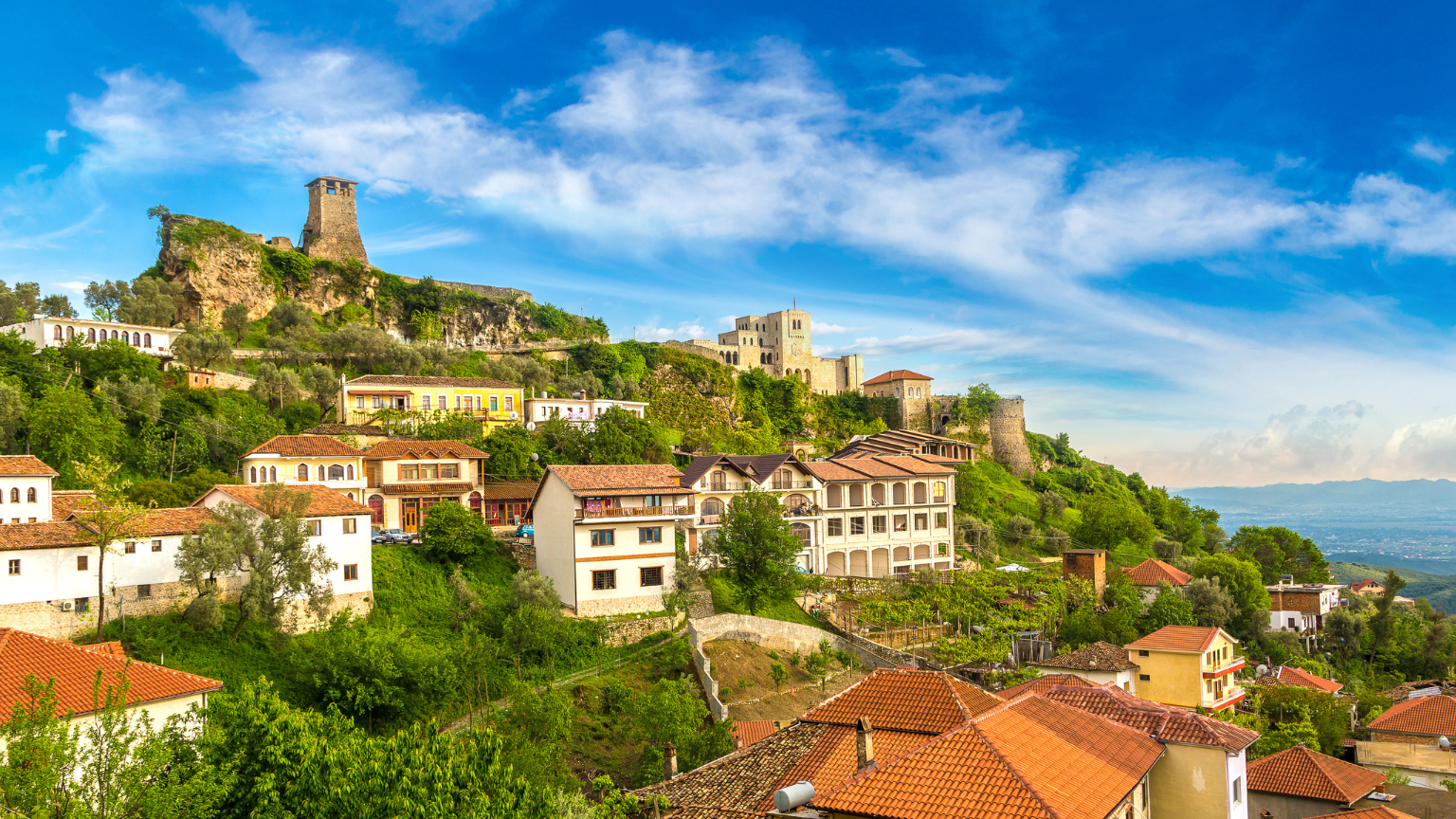
Tirana has transformed rapidly over the past decade, but prices have not yet caught up with its bigger city ambitions. Accommodation in the centre, including modern hotels and colourful apartments, tends to be considerably cheaper than in nearby EU capitals. You can eat very well here on a modest budget, enjoying a mix of Italian influenced dishes, local specialities, and café snacks without flinching at the bill. Coffee culture is strong and inexpensive, making it easy to build your days around strolls and long breaks in shaded outdoor seating. Public transport and taxis are low cost, and day trips to the coast or into the mountains are affordable if you use local operators or shared transport. Tirana feels like one of those cities where you almost forget to track spending because it stays manageable without effort.
Bratislava, Slovakia

Bratislava is often overshadowed by nearby Vienna, but in price terms that is not a bad thing. You can reach the Slovak capital easily by train or boat from Austria and then enjoy significantly lower costs for almost everything. Hotels and apartments in and around the compact Old Town are cheaper than you might expect for a capital on the Danube. Restaurant prices are moderate, and you can find very good value in lunch menus and casual dining spots. Many of the main sights, such as the castle, riverside promenade, and historic streets, are free or very low cost to explore. Public transport is cheap, and regional trains open up day trip options into wine country or small towns. If you want a base in Central Europe that does not punish your wallet, Bratislava is a clever pick.
Thessaloniki, Greece

Athens and the islands get most of the attention, but Thessaloniki quietly offers excellent value. As a major student and port city, its prices are shaped by locals, not just short term visitors. Accommodation, especially outside absolute peak summer dates, is very reasonable for centrally located hotels and rentals. Food is where Thessaloniki really shines. The city has a reputation across Greece for its pastry shops, meze bars, and bakeries, and many of these places are priced for everyday budgets rather than tourists. You can graze your way through bougatsa, grilled seafood, and small plates for much less than you would pay on a famous island. Public transport, including buses along the waterfront, is inexpensive, and walking is easy across much of the central area. For a city with sea views, history, and great food, Thessaloniki delivers strong value.
Tbilisi, Georgia

If you are willing to stretch the definition of Europe a little, Tbilisi is one of the best value city breaks you can have right now. Set in a valley of hills and sulphur baths, it is a place where boutique hotels, wine bars, and creative restaurants coexist with old balconied houses and hidden courtyards. Prices for accommodation are noticeably lower than in EU cities, even for stylish guesthouses and small design hotels. Food is a highlight, with generous portions of khachapuri, khinkali, and grilled meats available at prices that make it easy to order one more dish “just to try.” Georgian wine is excellent and still remarkably cheap by international standards. Public transport and taxis are affordable, and the city is a base for inexpensive day trips to monasteries, wine country, and mountain towns. Overall, Tbilisi feels like the sort of place where you can live well on a travel budget that would be tight elsewhere.
Sarajevo, Bosnia And Herzegovina

Sarajevo has a complex history and a warm, welcoming present, and it is still one of the most budget friendly capitals in Europe. Accommodation options range from simple guesthouses in the old Ottoman quarter to modern hotels, many of which are significantly cheaper than equivalents in Western Europe. Food is very affordable, particularly if you enjoy grilled meats, burek, and café culture. It is easy to fill up on local dishes for the price of a snack elsewhere. Public transport tickets are inexpensive, and taxis are typically reasonable if you need them. Guided tours that explain the city’s recent history or take you into the surrounding mountains are also well priced. Sarajevo feels like a place where your travel budget goes into experiences rather than simply covering high fixed costs.
Yerevan, Armenia

Like Tbilisi, Yerevan sits at the edge of what many people consider Europe, but it offers such good value that it deserves mention. The city is compact, walkable, and full of café terraces and tree lined streets. Hotels and short term rentals are affordable, even in central neighbourhoods near Republic Square or the Cascade. Restaurant prices remain low by Western standards, and a full meal with local wine often costs less than a main dish alone in many EU capitals. Coffee and pastries are inexpensive, which encourages lazy mornings and long breaks. Taxis and public transport are cheap, and excursions to monasteries, mountains, and Lake Sevan can be arranged at reasonable prices. For travellers who like the idea of going a bit off the usual tourist path without feeling financially stretched, Yerevan is an appealing option.
This article was written by Hunter and edited with AI Assistance