

One of the easiest ways to make travel cheaper, simpler, and more comfortable is knowing when you can safely drink the tap water. In many countries, municipal water systems are tightly regulated and consistently tested, which means you can refill your bottle with confidence instead of hunting down plastic water everywhere. That said, “safe tap water” can still come with a few travel realities, like older building pipes, rural wells, or different mineral content that tastes unfamiliar. The goal is not perfection, it is confidence and smart habits. These countries are widely considered traveler friendly for tap water, with strong infrastructure and reliable treatment in most places you are likely to visit. As always, if a local sign says “do not drink,” or if you are staying somewhere very old or remote, trust the warning and adjust.
1) Iceland

Iceland’s tap water is famous for a reason, and many travelers say it tastes better than bottled water. Much of it comes from natural springs and is treated carefully, so it is consistently clean and pleasant. In hotels and guesthouses, it is normal to drink straight from the bathroom sink with no second thoughts. You will also notice that restaurants often serve tap water without fuss, especially outside the most touristy spots. One practical tip is to use cold water for drinking, since hot water can carry a stronger sulfur smell in some areas. If you are sensitive to scent, let the cold tap run for a few seconds and you will usually be good to go.
2) Norway

Norway is another place where tap water is an everyday point of pride. The water is typically sourced from protected lakes and mountain reservoirs, and treatment standards are high. For travelers, that means easy refills whether you are in Oslo, Bergen, or a smaller coastal town. The taste can be crisp and clean, and many people prefer it to bottled options. The main caution is not about the country as a whole, but about your specific setting, like a remote cabin using a private well. If you are hiking or staying in rural lodging, ask whether the property uses municipal water or a private supply. In cities and standard accommodations, refilling is usually a no brainer.
3) Sweden

Sweden’s tap water is considered very reliable, and it is normal to drink it everywhere from homes to cafés. Municipal systems are well maintained, and water quality is commonly tested and monitored. Travelers who pack a reusable bottle will find it easy to stay hydrated without spending extra money. If you visit in winter, indoor heating can make you thirstier than you expect, so tap water becomes even more useful. In older apartments, the water is still generally safe, but you might notice a slight mineral taste depending on the region. If taste is your issue rather than safety, a simple bottle with a built in filter can make it feel smoother while still letting you use the tap.
4) Finland

Finland is known for clean nature and strong public services, and tap water fits right into that reputation. Many Finns drink straight from the tap daily, and visitors can usually do the same without worry. In Helsinki and other cities, you will find modern infrastructure and consistent treatment. The water often tastes fresh and neutral, which is great if you are picky about flavor. Saunas and wellness culture also make hydration a bigger deal, and tap water is the easy default. If you are staying in a lakeside cottage, just confirm whether the water comes from the municipality or from a private system. In normal hotels and rentals in towns, it is typically traveler friendly and straightforward.
5) Denmark

Denmark’s tap water is widely considered safe and high quality, and it is common for locals to drink it daily. In Copenhagen, refilling your bottle is easy, and many travelers appreciate not having to think twice. The water can have a mineral profile that tastes slightly different depending on the area, but that is normal and not usually a safety concern. If you are visiting restaurants, do not be surprised if you need to ask for tap water specifically, since some places charge for bottled water by default. In most accommodations, kitchen taps are the simplest refill spot, especially if bathroom sinks are small. For extra peace of mind, let the cold water run briefly first, especially in older buildings. Overall, Denmark is a very comfortable country for tap water travelers.
6) Switzerland

Switzerland is one of the most traveler friendly places for drinking water, and it often feels like the country is built around it. Tap water is typically safe, and many towns have public fountains that locals use for refilling. The general expectation is that water is clean and well managed, whether you are in Zurich, Geneva, or a mountain village. Travelers love that it is easy to stay hydrated on hikes without constantly buying drinks. The main thing to watch for is signage at fountains, because some may be marked as non potable in specific locations. If there is no warning, many are intended for drinking, but it is smart to double check. In hotels and restaurants, tap water is a dependable option and a budget saver.
7) Austria

Austria is another country where tap water is broadly considered safe and pleasant. In cities like Vienna and Salzburg, water quality is generally consistent and well regulated. Many travelers comment on the taste, especially in Vienna, where the water is known for being clean and refreshing. It is also easy to keep a refill habit while sightseeing, since accommodations are usually set up for it. The biggest caveat is the same one you will see across much of Europe: very old buildings can have older plumbing, which can affect taste and, in rare cases, introduce concerns. If you are staying in a historic property, use the kitchen tap and run the cold water for a moment before filling. For most visitors, Austria is a comfortable country for tap water with minimal hassle.
8) Germany

Germany’s tap water is generally safe, strictly regulated, and widely consumed by locals. Travelers can usually drink it in hotels, apartments, and public buildings without a second thought. One thing that surprises visitors is that restaurants often default to bottled water, so you may need to request tap water directly. The water can taste different by region, especially in areas with higher mineral content, but that is usually about flavor, not safety. If you are sensitive to taste, chilling it in the fridge can make it feel cleaner and more neutral. In older buildings, it is still typically fine, but flushing the tap briefly can help if the water has been sitting in pipes. Overall, Germany makes it easy to travel with a refillable bottle.
9) Netherlands

The Netherlands is well known for high quality tap water, and many locals drink it daily without filters. For travelers, that means easy refills while exploring Amsterdam, Utrecht, Rotterdam, and smaller towns. The water system is modern and carefully managed, so it is widely considered reliable. If you are biking a lot, you will appreciate how easy it is to top up your bottle back at your accommodation. As with other countries, restaurants may not automatically serve tap water unless you ask, but in many casual places it is no big deal. In older canal houses, the water is generally safe, though letting it run briefly can help with taste. If you are trying to cut plastic use on your trip, the Netherlands is a great place to do it.
10) United Kingdom

Across the United Kingdom, tap water is generally considered safe to drink, and many travelers rely on it daily. In England, Scotland, Wales, and Northern Ireland, public water standards are strong, especially in cities and mainstream accommodations. A fun detail is that taste can vary a lot by region, largely due to mineral content, so you might love it in one place and find it “different” in another. If you are staying in a very old building, the bigger concern is sometimes the internal plumbing rather than the water supply itself. In those cases, use the kitchen tap and let the cold water run a moment before filling. Restaurants may not always offer tap water without asking, but it is typically available. For most trips, the UK is an easy country to drink from the tap with confidence.
11) Ireland

Ireland’s tap water is commonly used by locals, and travelers generally find it dependable in cities and towns. In Dublin, Galway, and Cork, most visitors refill daily without issues. You may notice taste differences depending on the area, but that is normal when you are moving around. Like anywhere, older buildings can have older pipes, so if you are staying in a historic property, the kitchen tap is usually your best bet. If you are road tripping through rural areas, it is smart to ask about the water source at small B and Bs, especially if they use a private well. In most standard hotels and modern rentals, tap water is straightforward. Ireland is a good place to skip bottled water and keep your travel routine simple.
12) Canada

Canada is generally considered a safe tap water country for travelers, with strong municipal systems in most cities. In places like Toronto, Vancouver, Montreal, and Calgary, drinking from the tap is normal and widely accepted. Travelers who spend time outdoors also appreciate the easy refill culture, especially when you are walking a lot. The main thing to remember is that Canada is huge, and very remote areas may use local systems or private wells, which can vary. In mainstream tourist routes and typical accommodations, tap water is usually reliable. If you are in an older building, a brief flush of the cold tap can help with taste and freshness. For most visitors, Canada makes it easy to stay hydrated without constantly buying bottled water.
13) United States

In the United States, tap water is generally safe in many cities and towns, and millions of people drink it every day. For travelers, it is usually fine in mainstream hotels, modern rentals, and restaurants that offer water automatically. The real nuance is that quality can vary by region and even by neighborhood, often due to older pipes in specific buildings. That means the water supply can be treated properly, but the plumbing inside a very old property may still affect taste or confidence. If you want to keep it simple, use cold water, let it run briefly, and refill from the kitchen tap. Many travelers also bring a small bottle filter for peace of mind, especially on longer road trips. In most major destinations, tap water is convenient, but it is wise to stay alert to local advisories and building conditions.
14) Australia

Australia is widely considered traveler friendly for tap water, with strong standards in major cities and most towns. In Sydney, Melbourne, Brisbane, and Perth, refilling your bottle is a normal part of daily life. Many accommodations and cafés expect travelers to drink tap water, and you will often find refill points in public spaces. Taste can vary slightly by region, but it is usually clean and easy to drink. In very remote areas, especially when traveling far from cities, local supplies can differ, so it is smart to ask your host if you are staying rural. In standard tourist routes and city stays, tap water is a simple yes. Australia is also a great country to travel with a reusable bottle because it reduces cost and waste immediately.
15) New Zealand

New Zealand’s tap water is generally safe and widely consumed, especially in cities and established towns. Travelers often find it easy to refill and move on, which is perfect for road trips and active itineraries. The country’s outdoorsy vibe encourages good hydration habits, and you will appreciate that you can top up at your lodging without thinking about it. As with other places, if you stay in a remote bach or farm style accommodation, ask whether the water is from the municipal supply or a private tank. Private systems can still be fine, but it is worth confirming. In most hotels, hostels, and standard rentals, tap water is dependable. If you are hiking, always treat backcountry stream water, but for taps in towns, New Zealand is typically traveler approved.
16) Singapore

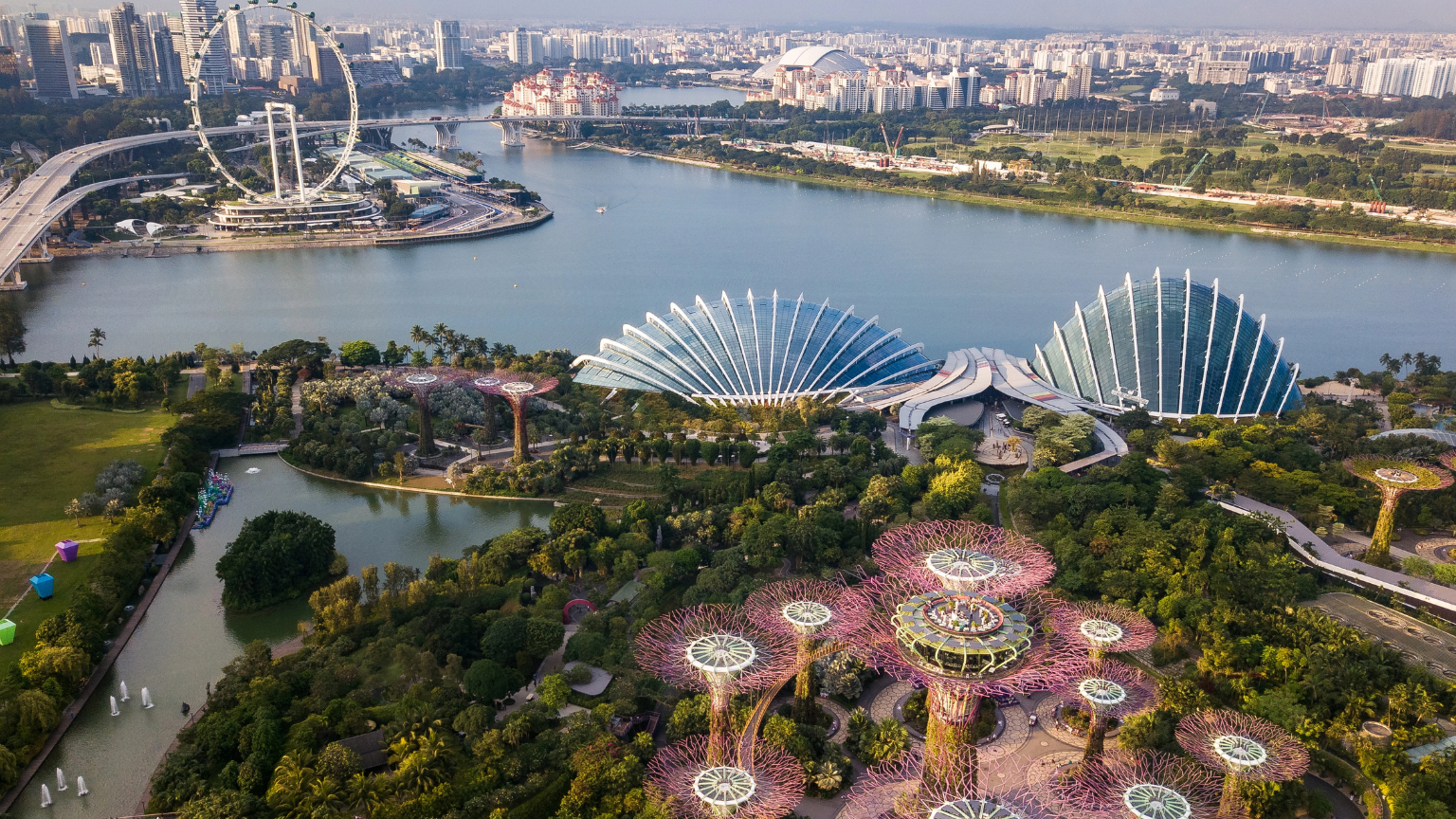
Singapore is one of the easiest countries in Asia for tap water confidence, and it is very traveler friendly in daily life. The water is treated and managed carefully, and many visitors drink from taps in hotels without concern. The city’s overall cleanliness and infrastructure help reinforce that sense of reliability. Refilling is convenient, and it fits perfectly with a travel style that involves lots of walking and quick transit. In most accommodations, you can fill a bottle in your room and head out without buying water constantly. If you are cautious, stick to cold tap water and clean bottles, especially in the heat. For many travelers, Singapore is a place where tap water feels simple, safe, and stress free.
This article was written by Hunter and edited with AI Assistance