

Every year the numbers come in and they confirm what a lot of people already feel in their bank accounts. Some cities are not just pricey. They are pretty much out of reach for the average person who wants to live there long term. In 2025, global cost of living rankings, rent indexes, and expat salary surveys all point to the same places. A handful of hubs may be fun to visit for a week, but actually paying rent and everyday bills in these cities is a completely different story.
Hong Kong

Hong Kong still holds its status as one of the most expensive cities on earth, especially when it comes to housing. The city’s limited land and intense demand keep pushing apartment prices into the stratosphere, with tiny studios renting for what a large home might cost in many other countries. Even long time residents talk about splitting cramped spaces, living far from the center, or commuting long distances just to find something remotely affordable. Everyday costs stack on top of that, from high transport usage to dining out that adds up quickly unless you are very selective. For expats and locals without a top tier salary, saving money is difficult and home ownership feels like a distant dream. As a visitor, the skyline views and neon soaked streets are unforgettable, but behind them is a housing market that locks many people out.
Singapore

On paper Singapore looks like a dream city. It is safe, clean, efficient, and packed with green spaces, great food, and modern infrastructure. The catch is the cost. Housing, especially private apartments and centrally located condos, has climbed steeply in recent years and rents are a major strain for most people who are not on expat packages. Everyday life is not cheap either, from childcare and schooling to car ownership, which is tightly controlled and famously expensive through license fees. Groceries and dining can be reasonable if you stick to hawker centers and local chains, but anything imported or high end is priced accordingly. The result in 2025 is a city that scores extremely high on quality of life and equally high on cost of living, making it a place many love to visit and only a relative few can comfortably afford to call home.
Zurich, Switzerland

Zurich regularly appears in the top tier of global cost of living rankings and 2025 is no exception. Salaries tend to be high, but so is almost everything else, from rent to groceries to public services. A one bedroom apartment in a central neighborhood can eat a huge chunk of a normal income, and even sharing a flat does not come cheap. A simple night out, with dinner and a few drinks, can easily cost what a weekend away would cost in another European country. Swiss health insurance and other mandatory contributions add extra weight to monthly budgets. For travelers, Zurich feels polished and perfectly organized, but for residents, staying afloat financially requires careful planning and an income that would go much further almost anywhere else.
Geneva, Switzerland

Geneva has the feel of an international capital, with United Nations offices, NGOs, and multinational organizations giving it a polished, global atmosphere. That prestige shows up in the prices. Housing is extremely tight and expensive, especially around the lake and in well connected districts. Many people choose to live across the border in France and commute in, trading time for lower rent and more space. Basic expenses like food, transport, and personal services sit at the upper end of European price ranges, and going out regularly can quickly burn through a budget. High wages for certain sectors, particularly finance and diplomacy, help those on the inside, but anyone earning a local average salary or working in service jobs feels the squeeze. Geneva is beautiful, but it is also one of those cities where the view from the lakeside promenade hides some very real affordability problems.
Basel, Switzerland

Basel does not always get the same global attention as Zurich or Geneva, but in 2025 it ranks right alongside them for high living costs. The city is an important pharmaceutical and chemical hub, which brings in international companies and high paying jobs. That economic strength pushes up demand for housing, and even modest apartments can carry eye watering rents by international standards. Food, insurance, childcare, and leisure activities all fall into the same pattern of “great quality, huge price tag.” Many cross border workers live in nearby Germany or France and commute into Basel, a strategy locals know well. For visitors, the museums, riverfront, and old town charm feel worth the money. For residents, making it work financially can feel like playing life on hard mode.
Bern, Switzerland

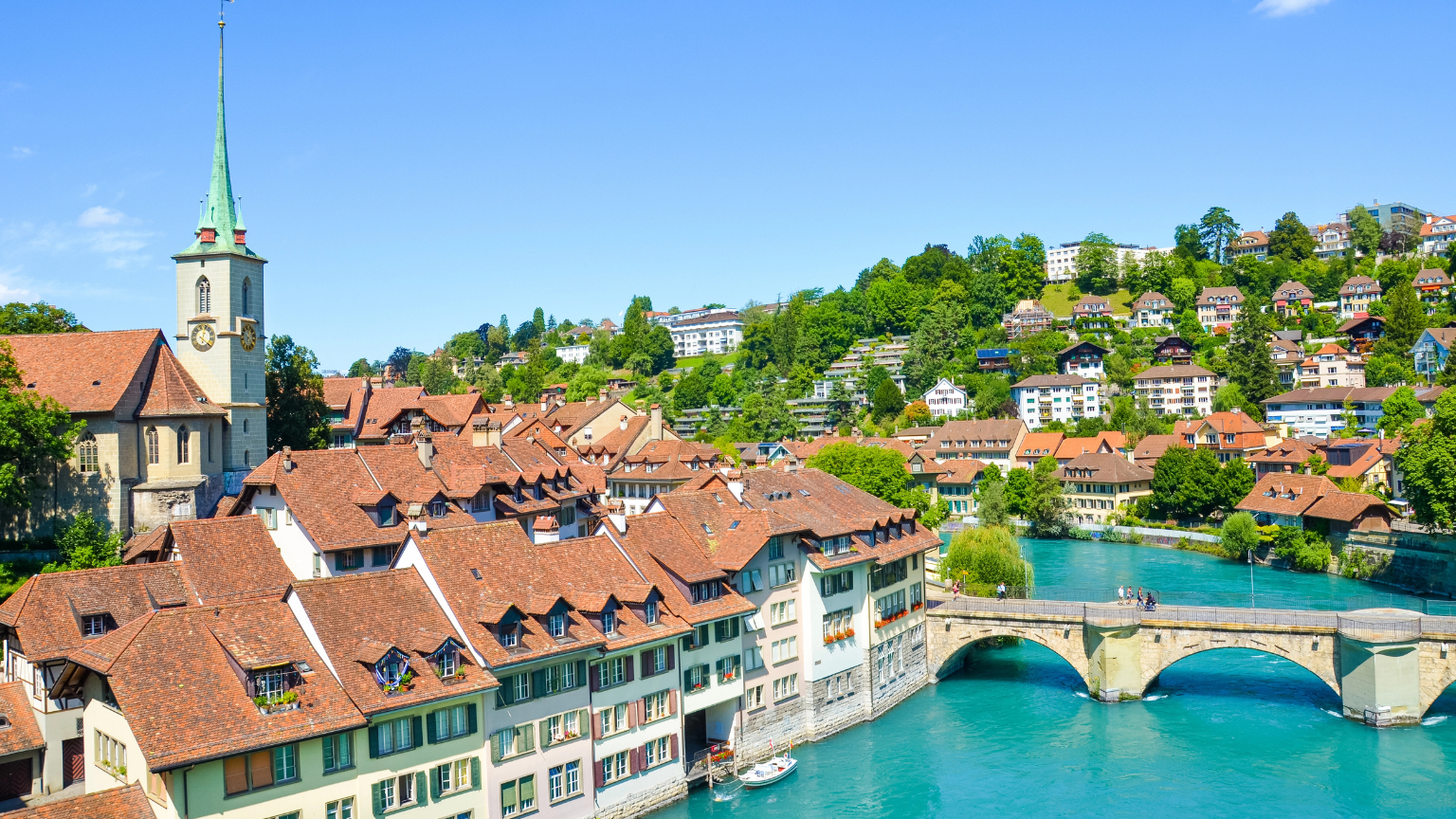
Switzerland’s de facto capital looks peaceful and almost storybook pretty, but the numbers tell a different story for anyone trying to live there. Bern shows up again and again in 2025 cost of living rankings as one of the priciest places on earth. Historic buildings, strict planning rules, and strong demand all keep housing limited and expensive. Even a small flat in an older building can command a price that would shock people used to other European markets. Daily costs follow the usual Swiss pattern of high prices for dining out, transport, and groceries, although quality is generally excellent. The combination of strong public services and high wages makes it work for some, but those outside top earning sectors often feel squeezed. As a traveler, you can enjoy Bern’s river swims and old town views for a few days and then move on, which is exactly what many residents secretly wish they could do when the bills arrive.
New York City, United States

New York is legendary for its high prices, and 2025 has not brought any relief. Rents in Manhattan and much of Brooklyn remain extremely high, with even small apartments renting for more than entire houses in other parts of the country. Outer boroughs and nearby suburbs offer slightly better deals, but they come with long commutes and still substantial costs. Groceries, utilities, and transport all add up quickly, and going out regularly to enjoy the city’s incredible food and culture scene can turn a tight budget into a negative one. Wages in certain industries are high, but that does not always translate into comfort when tuition, healthcare, and housing all demand big chunks of income. New York is still thrilling to visit and inspiring to experience, yet it continues to be a place where many people work very hard simply to stay put.
London, United Kingdom

London has cooled slightly in some wealth rankings, but when it comes to everyday affordability, it remains a tough city to crack. Property prices are still among the highest in Europe, and although the market has had ups and downs, buying a home in a central or even mid ring neighborhood is beyond reach for many working residents. Renting is not much easier. Shared houses, small flats, and long commutes are still the norm for a large part of the population. Transport costs on the Tube and trains add another heavy fixed expense, especially for those living outside Zone 2. While there are cheaper ways to enjoy the city, like free museums and parks, the full London lifestyle, with regular nights out, travel, and private rentals, demands a substantial income. Visitors can skim the best of London in a weekend. Living there long term often means constant trade offs.
San Jose and Silicon Valley, United States

In 2025, San Jose and the wider Silicon Valley region are at the center of conversations about impossible housing. Recent reports describe the area as one of the most unaffordable in the English speaking world, with median home prices approaching two million dollars and incomes needed to buy far beyond what most jobs pay. Even renting is expensive enough that many people with solid careers still house share deep into adulthood or move farther out into the Bay Area to find slightly lower prices. Long commutes on congested freeways are a common side effect of those choices. Everyday expenses, from dining out to basic services, sit well above the national average. Tech salaries and stock grants make it work for some, but those outside that bubble often struggle. As a visitor, Silicon Valley may not seem like an obvious tourist destination, but for people who live there, the main attraction often feels outweighed by the price of admission.
Sydney, Australia

Sydney combines stunning harbor views, iconic beaches, and a relaxed outdoor lifestyle, but everything comes at a cost. Housing prices have climbed steadily over the past decade, and even as the market fluctuates, buying a home within easy reach of the center or the coast remains out of reach for many locals. Renting is also expensive, particularly in waterfront suburbs and inner city neighborhoods that attract both professionals and international arrivals. Everyday costs like groceries, childcare, and transport add to the pressure, and eating out at the city’s excellent cafes and restaurants can quickly drain disposable income. Wages are fairly strong by global standards, yet they often feel like they are chasing prices rather than outrunning them. For travelers, Sydney feels like a postcard come to life. For residents, it can feel like paying a premium every month to live inside that postcard.
Vancouver, Canada

Vancouver is often ranked as one of the most livable cities in the world in terms of scenery and lifestyle, but the financial side tells a very different story. Housing costs have been climbing for years, pushing both renters and would be buyers to the outer edges of the metro area or even to other cities altogether. Condos and houses in desirable neighborhoods around downtown and the water are priced at levels that make ownership feel unrealistic for many middle income households. Rent for small apartments is also high, and vacancy rates are often low. Groceries, utilities, and services track above the Canadian average, closing the gap where people might hope to save. The result is a city where young people and families often face hard choices about staying, shrinking their expectations, or starting over somewhere else. Visitors get to enjoy mountains, water, and food culture for a short time and leave. Locals are the ones who have to find a way to afford it all year.
Copenhagen, Denmark

Copenhagen frequently appears near the top of liveability rankings because it is safe, bike friendly, and packed with good infrastructure. At the same time, 2025 cost of living surveys confirm that it is also one of the more expensive cities on the planet. Rents in central districts are high and competition for apartments can be intense, with many people relying on networks or long searches to find a place. Buying property is even more challenging unless you have a strong income and savings. Everyday expenses like food, transport, and especially dining out tend to surprise newcomers who assume Scandinavia will be similar to other European regions. The upside is a strong social safety net, high wages, and excellent public services. Still, those benefits do not change the sticker shock many people feel when they first try to build a life here and realize how far every paycheck has to stretch.
Paris, France

Paris is romantic until you start calculating rent and everyday bills. The city’s historic charm, strict building rules, and constant demand keep housing extremely tight and expensive, especially in the central arrondissements and trendy eastern districts. Many Parisians rent rather than buy, often in older buildings with small spaces that cost more than larger homes in the rest of France. Cafes and restaurants can be surprisingly affordable if you know where to go, but the temptation to live out a movie style Paris life, with frequent dining, wine, and outings, adds up quickly. Transport costs are manageable and the metro is efficient, yet many people still need to factor in long commutes from more affordable outer areas. For visitors, a week in Paris feels magical and worth the splurge. For residents, keeping that magic alive while juggling constant rising costs is anything but easy.
Tel Aviv, Israel

Tel Aviv has a reputation as a lively, youthful city by the sea, with a strong tech sector and a vibrant cultural scene. It also has some of the highest housing costs in the Middle East and regularly appears high on global cost of living lists. Apartments in central neighborhoods and near the beach command very high rents, and buying property is beyond the reach of many locals without significant help. Everyday expenses from groceries and utilities to dining and childcare are all elevated compared with many other cities in the region. Salaries in tech and certain professional sectors can be generous, but they do not always keep pace with the rapid rise in housing and basic living costs. Tourists see beach bars, street food, and nightlife. Residents see the rents that come with that energy and the trade offs required to stay in the city they love.
Dubai, United Arab Emirates

Dubai’s skyline and mega projects tell a story of wealth and ambition, and the cost of living reflects that. Housing runs the full spectrum from smaller flats in older districts to luxury apartments and villas in high rise waterfront developments. Even mid range options can feel steep compared with incomes outside high paying industries. Everyday costs like schooling, healthcare, and car ownership are major factors for families, since many of these services are private and need to be paid for directly. Groceries and dining are manageable if you stick to local spots, but international restaurants and nightlife venues charge a clear premium. Dubai still attracts expats with tax free salaries in certain sectors, but in 2025 those packages are not as generous or widespread as they once were. Without them, living here comfortably can be tough, which is why so many people treat Dubai as a temporary base instead of a long term home.
Tokyo, Japan

Tokyo has a reputation for order, efficiency, and an almost endless supply of things to do, but that big city experience is not cheap. While some older ideas about Tokyo being the very most expensive city in the world have shifted, 2025 data still places it firmly in the high cost bracket. Central neighborhoods and popular districts command high rents, and though apartments may be smaller than their Western counterparts, the prices are often comparable. Utilities, transport, and groceries are all significant monthly expenses, even if the quality is generally high. Dining can range from budget friendly noodle shops to very expensive high end restaurants, and it is easy to spend more than planned if you enjoy going out. Salaries vary widely, and not everyone earns enough to offset the rising costs of housing and everyday life. For short stays, Tokyo feels like a thrilling maze of lights and flavors. For residents, careful budgeting is a constant part of the reality behind that neon glow.
This article was written by Hunter and edited with AI Assistance