

This is a practical list for retirees who value comfort, predictability, and access to care. I am not judging anyone’s culture or home. I am looking at the nuts and bolts that matter in daily life like visas, costs, healthcare access, safety, climate risk, and simple logistics in 2025. Each section explains why the destination can be a tough fit and calls out the specific friction points you would feel once you unpack.
Singapore

Singapore is polished and safe, but there is no dedicated retirement visa for most foreigners. Long stays usually depend on work, investment, or family ties, which makes the paperwork maze a constant project. Housing, cars, and everyday services are among the costliest in the world and that stretches a fixed income very quickly. Private health insurance is straightforward but rarely cheap, and copays stack up if you see specialists. If you love the order and tropical climate, plan for a premium budget and a clear legal stay path before you commit.
Hong Kong

Housing pressure alone makes retirement planning in Hong Kong difficult, with small apartments commanding very high rents in well located districts. There is no classic retiree visa, so staying long term often hinges on employment, investment, or family status. Day to day costs for groceries, dining, and services sit near the top globally, which can squeeze a fixed income. Air quality can fluctuate in the cool season, which matters for anyone with respiratory issues. If you crave the hiking and harbor views, run a careful budget and consider serviced contracts rather than long leases.
Switzerland Zurich and Geneva

Life is efficient and beautiful in these cities, but costs are among the highest anywhere. Mandatory basic health insurance creates a large fixed monthly bill before you even see a doctor. Rentals are competitive and deposits are often substantial, while many buildings enforce strict house rules that can surprise newcomers. Public transport is excellent, yet senior discounts rarely offset the overall price level. If alpine trains call your name, prepare a precise budget and accept that comfort comes at a premium.
New Zealand Auckland and Wellington

The country is gorgeous, but retirement pathways for foreigners are expensive and tightly defined. Investment and income thresholds for long stay options are high, and many visas are temporary or tied to family sponsorship. Groceries and housing feel dear compared with many United States markets because of distance and supply costs. Access to excellent care exists in the cities, yet wait times can be longer than you expect for non urgent needs. If family is there and you have the capital, it can be rewarding, but it is not a budget relocation.
Australia Sydney and Melbourne

Australia closed its simplest retirement visa routes to new applicants, which adds complexity for people who just want a quiet life near the beach. Without permanent residence you are leaning on private insurance and visa types that are not designed for retirees. Housing in central or beachside neighborhoods is very expensive and utilities do not feel cheap either. Everyday costs from coffee to tradespeople add up quickly in these capitals. The lifestyle is wonderful, but the price of entry is high and the paperwork is not light.
Japan Tokyo

There is no true retirement visa, so long stays typically come through work, family ties, or other niche categories. Tokyo is safe and efficient, but renting as a foreigner can involve guarantors, key money, and deposit structures that feel unfamiliar. If you are not eligible for the national health system right away, private coverage is essential and some clinics will be cash first. Language barriers add time to simple chores like opening accounts or booking appointments. If cherry blossoms are your dream, map out a multi year visa ladder and expect a learning curve.
United Arab Emirates Dubai

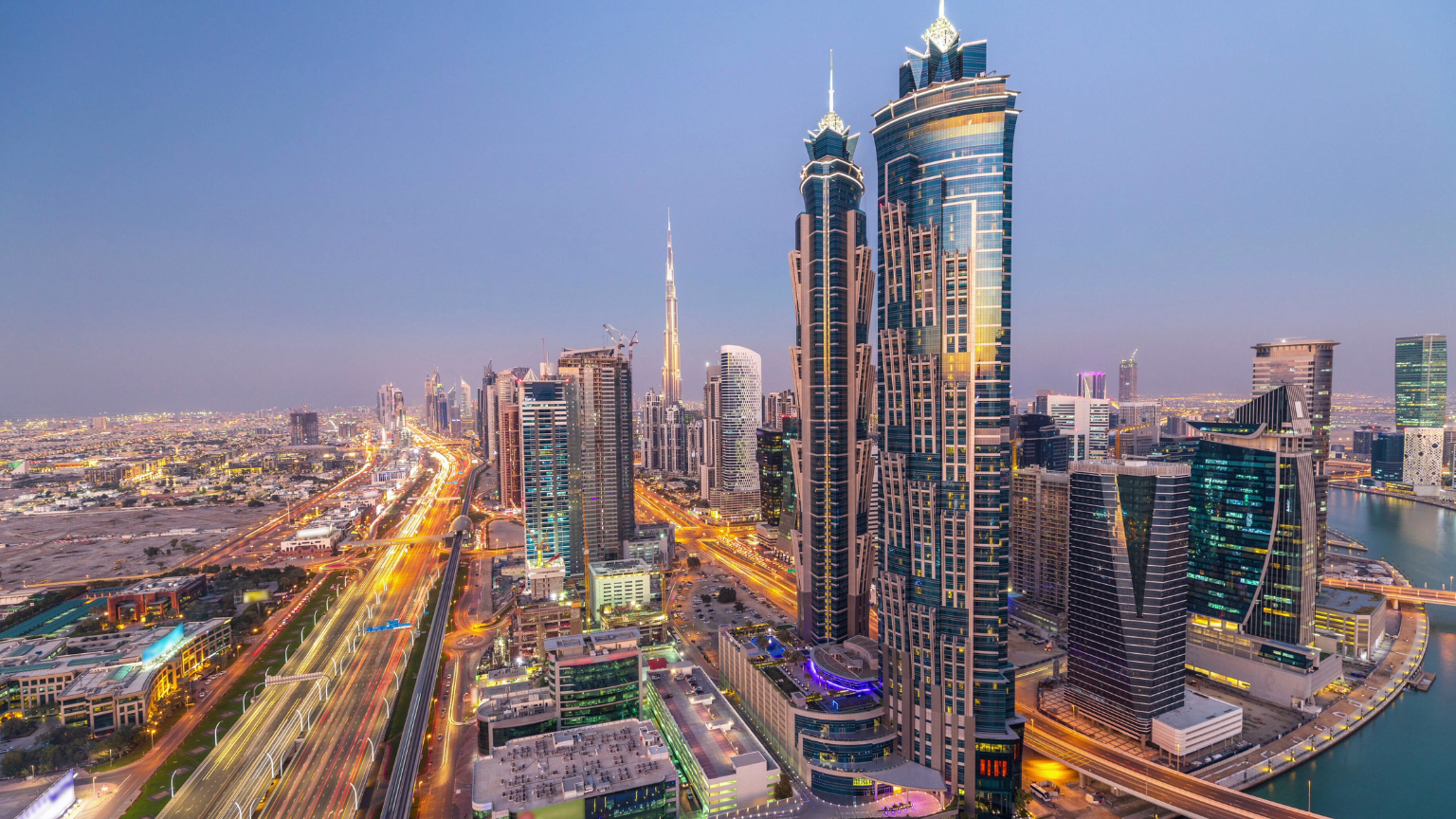
Dubai offers a retiree pathway, but it requires meeting income or savings thresholds and maintaining private health insurance. Summers are brutally hot, which pushes much of life indoors for several months and raises cooling bills. Rents in popular expat districts are high and senior friendly clinical care is available but priced accordingly. Car centric planning means you will likely drive to most errands unless you live on a modern transit link. If the sun and skyline are the appeal, build a budget that includes generous insurance and an indoor heavy routine.
Lagos, Nigeria

Lagos has energy in spades, yet it remains a challenging place to age comfortably without deep local support. Power supply can be inconsistent, so backup systems for cooling and medication storage are not optional in the hot season. Inflation and currency swings complicate fixed income planning for groceries and imported goods. Traffic and security considerations add time and stress to routine errands and clinic visits. If family ties lead you here, plan for private healthcare, backup power, and trusted local assistance.
Delhi, India

World class hospitals exist, but air pollution peaks in the cool months and can be very hard on lungs and hearts. Heat waves arrive in late spring and early summer, which increases cooling costs and limits outdoor time. Traffic congestion shapes daily life and turns short trips into projects, especially for older residents. Housing is affordable on paper, yet soundproofing and air sealing vary widely by building age. If you have strong reasons to be in Delhi, choose a newer apartment with good filtration and set aside a budget for purifiers and ride hailing.
Cairo, Egypt

Cairo’s cultural pull is powerful, yet particulate pollution regularly exceeds health guidelines and dusty winds can aggravate allergies. Currency volatility in recent years makes long term budgeting harder for imported medications and fixed expenses. Walking can be tiring due to traffic, uneven pavements, and frequent street crossings. Access to private clinics is good in central areas but language support varies by neighborhood. If you love the museum and river scene, focus on a central flat with elevator access and keep a contingency fund for price spikes.
Manila, Philippines

Manila is welcoming and lively, but traffic congestion ranks among the toughest anywhere and shapes everything from clinic visits to grocery runs. The rainy season brings frequent storms late in the year, which can affect power and schedules. Senior friendly condos exist but can command higher fees for elevators, generators, and amenities. While healthcare is improving, cross city travel for specialists is common and takes planning. If you want Manila, live steps from essentials and time your outings early in the day.
Istanbul, Turkey

Istanbul is thrilling and relatively affordable for many visitors, but inflation has been unpredictable and that makes fixed income planning stressful. Currency swings affect the price of imported medications and private healthcare visits. Old building stock can mean steep stairs and limited elevators in charming neighborhoods. Winters are damp and summers can be humid, so climate control adds to monthly bills. If the Bosphorus calls, lock in longer leases when you can and keep a cash buffer for price shocks.
Buenos Aires, Argentina

The culture and food are outstanding, but inflation and currency controls make year to year planning difficult. Rents, utilities, and groceries can reset within a single lease term, which is hard for retirees who want stability. Import restrictions also affect medication availability and pricing. Banking rules change at times and can complicate moving funds into local accounts. If tango nights are your dream, hold a larger share of savings in a stable currency and keep an emergency cushion.
New York City, United States

New York is a wonderful place to visit and a demanding place to retire on a fixed income. Rents and co op fees in elevator buildings are very high, and senior friendly layouts add another premium. Out of network costs for specialists can surprise people who move from other states and assume the same coverage rules apply. Winter ice and summer heat waves both raise the stakes for at home comfort and safety. If family or culture keep you close, target outer borough neighborhoods near reliable transit and check your healthcare networks in detail.
Jakarta, Indonesia

Jakarta is friendly and vibrant, yet flooding risk and air quality pose ongoing challenges for older residents. Land subsidence and sea level rise have been serious issues for years, and they translate into higher maintenance needs and periodic disruptions. Traffic can turn a short health appointment into a half day excursion unless you live very close to services. Modern high rise condos with generators and water treatment are more comfortable but come with higher fees. If Indonesia is the plan, consider smaller cities or islands with cleaner air and simpler commutes.
This article was written by Hunter and edited with AI Assistance