

Here is a beach short list for travelers who want sand, seafood, and sea breezes without living on the hurricane watch page. These towns sit on cooler water, tucked away bays, or coastlines that storms rarely target at full strength. The risk is never zero, and late summer still deserves a weather check, but history is on your side in these places. Use this as a planning layer, not a guarantee, and you will stack the odds in your favor.
Cannon Beach, Oregon

Cannon Beach faces the open Pacific, but tropical systems cannot hold strength in these waters because sea surface temperatures stay cool most of the year. What you get instead are winter wind events that roll through from November to March, while summer is tranquil with morning marine layers and mild afternoons. The town’s compact layout around Hemlock Street lets you park once and stroll to cafés, galleries, and tide pools at Haystack Rock. Aim for late June through September when rain chances drop and the beach is at its friendliest.
Newport, Oregon

Newport sits behind Yaquina Bay and a working harbor that keeps the town lively even on brisk days. True hurricanes do not reach this latitude with tropical punch, and by late summer the pattern favors calm mornings and breezy afternoons. Families love the protected sands at Nye Beach and the aquarium for a weather safe backup plan. If you want the most sun with the fewest gusts, circle August and early September.
Long Beach, Washington

The Long Beach Peninsula stretches for miles, making it one of the largest sandy playgrounds in the Pacific Northwest. The cool Pacific and frequent upwelling keep tropical systems at bay, so hurricane headlines almost never apply here. Expect morning clouds that burn off into gentle afternoons during mid to late summer. Base in town for easy access to the Discovery Trail and sunset bonfires without worrying about storm season surges.
Ocean Shores, Washington

Ocean Shores has broad beaches, a lagoon network, and a low key vibe that suits long walks and kite flying. Storm drama tends to come as winter fronts rather than tropical systems, while July through September often bring long strings of calm days. The peninsula gives you options on windy afternoons since the bay side is usually softer. For the best odds of glassy mornings, plan weekdays after Labor Day.
Santa Barbara, California

Santa Barbara sits behind the Channel Islands and along an east to west coastline that blunts long period swell from distant systems. Tropical storms are rare this far north and usually arrive as gentle rain at the very end of summer if they make it at all. That leaves you with Mediterranean weather, walkable beaches like Butterfly and East Beach, and a waterfront path perfect for bikes. Late September may be the sweet spot with warm water, fewer crowds, and very little storm risk.
Monterey, California

Monterey Bay’s shape and cold water upwelling are not friendly to tropical systems, so hurricane season stress is not really a thing here. You will feel more influence from sea breezes and morning fog than from tropical winds. The Monterey Bay Coastal Recreation Trail links Cannery Row, Lovers Point, and Fisherman’s Wharf, giving you a car free day even in peak season. Fog is lightest in September and early October, which also lines up with the calmest seas for harbor cruises.
Carlsbad, California

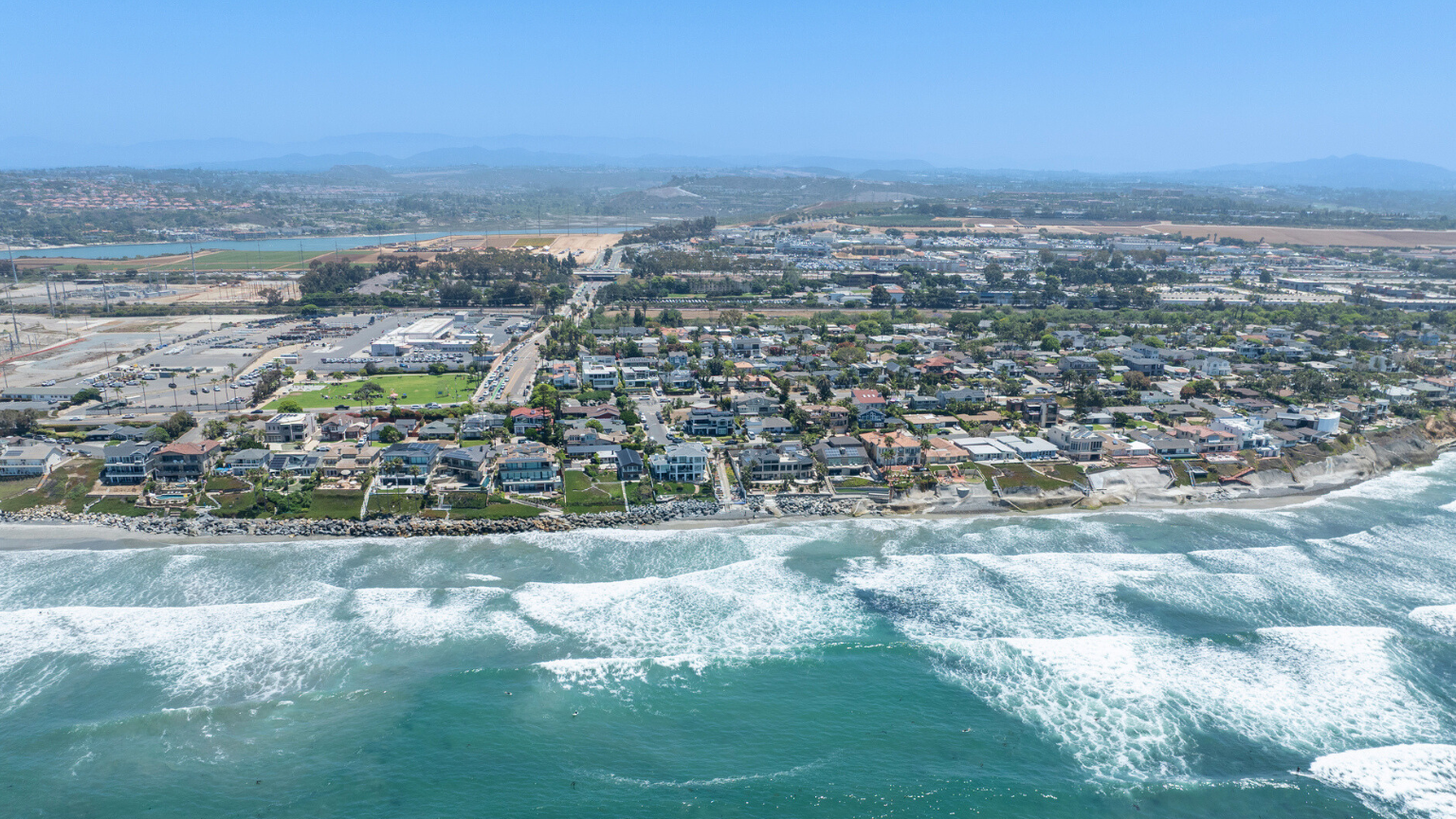
North of San Diego, Carlsbad offers wide beaches, a friendly village core, and a climate that leans sunny without tropical volatility. Rare late summer systems sometimes bring surf and showers, but true hurricane impacts are not part of the local story. The seawall path is ideal for sunrise runs and the beach stairs spread crowds across long stretches of sand. Choose late August through October for warmest water and steady beach weather.
La Jolla, California

La Jolla’s coves and cliffs create sheltered pockets where you can swim, snorkel, and kayak with very little concern about tropical conditions. The area does see a handful of late summer swell events, yet direct storm trouble is historically minimal. Mornings often start with a soft marine layer that gives way to clear afternoons, especially in September. Anchor your day around La Jolla Shores and you can pivot to the cove, kayaking, or the village if the wind rises.
Mendocino, California

Perched on bluffs above a rocky shoreline, Mendocino trades tropical threats for cool air, clean light, and moody sunsets. Offshore waters are too cold to support tropical strength, so summer and early fall days tend to be gentle with light winds. The headlands trail delivers ocean drama without wild surf risk and nearby state beaches offer protected coves. Late September is a quiet season sweet spot with warm afternoons and crisp evenings.
Carmel by the Sea, California

Carmel’s sheltered beach and pine shaded streets make it a calm base for ocean time and town time in equal measure. The region avoids hurricane issues, relying instead on steady Pacific patterns and a predictable dry season from late spring to fall. Even on breezy days you can tuck into the south end of Carmel Beach for softer wind and warmer sand. Plan a picnic near the twelfth street access for wide views and easy parking.
Bar Harbor, Maine

On the Atlantic side, Bar Harbor benefits from cold Gulf of Maine waters and the tendency for storms to weaken or curve away as they move north. You still want to watch late season remnants, but the town is far less hurricane prone than points south. The protected curves of Frenchman Bay help moderate waves and keep the waterfront walk inviting even after a blustery morning. Visit in September for peak foliage warm days and stable weather windows.
Ogunquit, Maine

Ogunquit’s broad sandy arc and river estuary offer calm scenes that are rarely disturbed by tropical strength systems. Peak concerns here are nor’easters in the cool season rather than hurricanes during late summer. The Marginal Way footpath rides above the coves and often stays comfortable when the beach is breezy. Early September sees warm water by Maine standards and a gentle daily rhythm.
Rockport, Massachusetts

Cape Ann sticks out into the Atlantic, yet Rockport sees many big storms slide offshore or arrive weakened compared with farther south along the Eastern Seaboard. Summer features long runs of fair weather with sea breezes and cool nights. Front Beach and Back Beach are compact and walkable from Main Street, which makes logistics easy when you want short beach sessions and café breaks. Keep an eye on fall nor’easter windows, but hurricane risks are historically modest.
Jekyll Island, Georgia

Georgia’s curved coastline and broad continental shelf help steer many tropical systems away or reduce their punch before landfall. Jekyll Island benefits from that geography and from long beaches that face gentle gradients rather than sharp drop offs. Summer brings afternoon thunderstorms more than tropical threats, and shoulder season often delivers golden mornings with light winds. Bike paths circle the island, so your backup plan is always a smooth ride under live oaks.
Traverse City, Michigan

Lake Michigan is a beach lover’s paradise without the hurricane worry. Traverse City’s bays create warm water pockets and gentle chop even when a remnant system brings extra clouds. Summer days are long and clear, and fall stays warm enough for beach walks well into October. Clinch Park and Old Mission Peninsula give you wide views and an easy way to chase the calmest shoreline when the breeze shifts.
This article was written by Hunter and edited with AI Assistance