
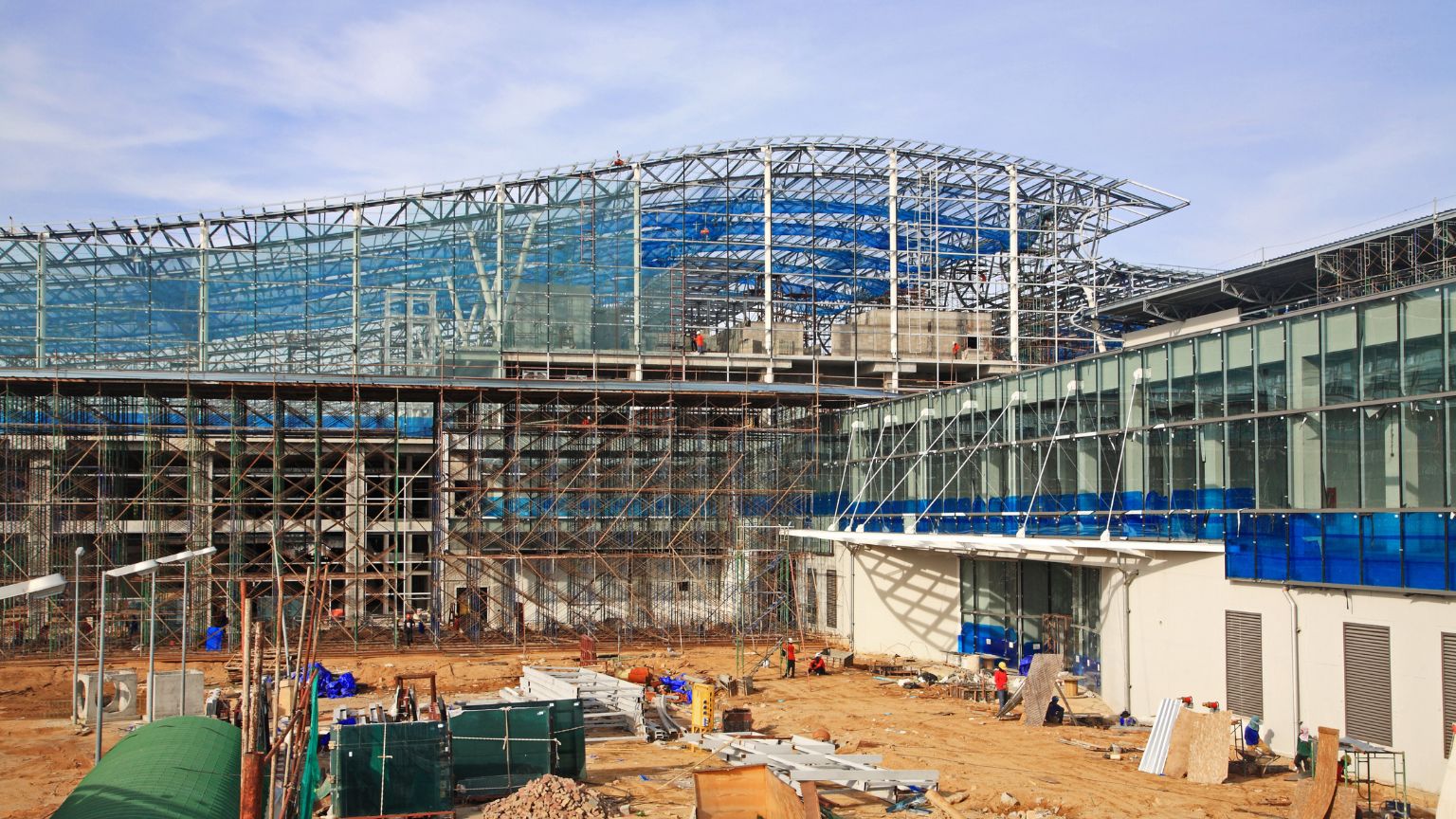

Big capital projects promise brighter terminals and faster connections, but they also scatter detours across concourses and stretch security lines. If your 2025 itinerary runs through any of the airports below, plan for extra time and a few surprise bus rides. Each location is in the middle of a multi-billion-dollar makeover set to improve travel in the long run. In the short term you will need patience and a good pair of walking shoes.
John F. Kennedy International Airport, New York

JFK is rebuilding Terminal 1 and expanding Terminal 6 at the same time, turning the center of the airport into a hard-hat zone. Road lanes close overnight, and detoured shuttles make loops that add ten minutes to each ride. Inside, construction partitions tighten walking space and funnel everyone through a single TSA checkpoint during off-peak hours. Give yourself an extra thirty minutes to reach the gate and consider using the AirTrain rather than curbside pickups.
Los Angeles International Airport, California

The long-awaited people mover is finally rising above the loop road, and that means frequent lane changes plus elevated cranes everywhere you look. Terminal drop-offs swap positions overnight, leaving ride-share drivers confused and passengers walking longer outside. Some security checkpoints relocate to portable buildings when interior work accelerates. Keep your boarding pass handy because staff will direct you to the nearest open entrance, which may change month to month.
Chicago O’Hare International Airport, Illinois

O’Hare’s Terminal 5 expansion just opened more gates, but the real disruption comes from the start of Terminal 2’s complete rebuild. Airlines are shuffling operations between terminals, so a carrier you flew last year may use a different concourse today. Legacy moving walkways close in sections, forcing ten-minute hikes for close connections. Monitor gate assignments right up to boarding time because they shift as construction milestones advance.
Denver International Airport, Colorado

The Great Hall Project has wrapped its first phase, yet central-hall renovations continue behind tall blue walls. Security lanes now live on the upper level, while retail carts cluster in temporary pods that narrow hallways. Train service to concourses remains smooth, but escalators often close without notice for upgrades. If you plan on a coffee stop, add ten minutes because popular vendors have moved to pop-up stands with longer queues.
Hartsfield-Jackson Atlanta International Airport, Georgia

Atlanta is widening Concourse D and resurfacing multiple runways through late 2025. Overnight runway closures ripple into daytime delays, especially during summer thunderstorms. Interior work seals off some inter-concourse corridors, sending passengers one level up to detour around projects. Fortunately, the Plane Train keeps running on schedule, but platform edges crowd during peak rushes so stand clear and stay alert.
Seattle-Tacoma International Airport, Washington

The North Satellite expansion finished last year, and now attention shifts to the C Concourse remake and a new international arrivals facility. Expect redirected jet bridges and periodic bus transfers to remote stands. Customs waits lengthen at peak hours while agents train on new systems, so international travelers should pad layovers by at least ninety minutes. Outside, parking garages fill quickly because a deck is closed for seismic upgrades.
Dallas Fort Worth International Airport, Texas

DFW is erecting an all-new Terminal F and rebuilding Terminal C gate by gate. Boarding areas can feel like maze corridors lined with temporary drywall and limited charging outlets. Skylink trains remain the fastest connection, but elevators closest to construction can close without warning. Early morning flights depart smoothly, yet midday banks face noise stoppages that occasionally hold boarding while crews reposition equipment.
Miami International Airport, Florida

MIA’s South Terminal projects merge two concourses and renovate the immigration hall. Escalators are out of commission in alternating blocks, channeling everyone to a single set of stairs that backs up quickly. Baggage claim belts shift nightly, so check screens and do not wander off. Rideshare pickup zones move farther from the exit doors as taxi lanes realign, so your driver may call for a precise pillar number you have never seen before.
Boston Logan International Airport, Massachusetts

Terminal E expansion brings brighter gates and more space for wide-body aircraft, but storefront closures make food options scarce near certain gates. JetBlue’s move into a newly updated Terminal C squeezes other airlines into fewer counters while flooring work finishes. Sidewalk construction narrows arrival lanes, and traffic officers wave cars onward faster than usual. Local flyers recommend using the free Silver Line bus from South Station to skip curb congestion.
San Francisco International Airport, California

The Courtyard Connector project links Terminals 2 and 3 yet walls off parts of each concourse until completion. Gate clusters shift week to week, and boarding zones share limited seating areas that fill before sunrise. Restrooms detour down long hallways while crews install modern fixtures. Weather delays compound the maze effect, so build buffer time into connections and confirm your gate twice.
Washington Dulles International Airport, Virginia

Work on the long-promised APM train has begun in earnest, sending mobile lounges into retirement but also blocking ground routes for maintenance vehicles. Passengers still ride buses to regional jets, and construction barriers mean longer waits for return pickups. The iconic main terminal stays operational, but ticket counters shuffle later this year during floor resurfacing. Pack a jacket because temporary pathways expose you to more outdoor air than before.
Phoenix Sky Harbor International Airport, Arizona

Phoenix is replacing its old Terminal 3 south concourse while adding Sky Train extensions to the rental-car center. Detours route passengers outside for brief stretches, a shock in summer heat. Escalator repairs reduce vertical options and elevators fill with luggage stacks. Early flight crews advise arriving thirty minutes earlier than pre-construction norms, especially if you are returning a rental car.
Charlotte Douglas International Airport, North Carolina

The lobby expansion moves ticket counters behind fresh glass walls yet funnels everyone through two narrower security funnels during work. Checkpoint wait times spike after morning rush and again at late afternoon banks. Airfield paving projects close a runway at night forcing staggered departures in early morning slots. Planes may hold short of the gate while ground crews reposition construction gear.
Houston George Bush Intercontinental Airport, Texas

Terminal B South Concourse demolition makes room for a spacious pier but cuts regional-jet gates in half for most of the year. Passengers to smaller cities often board buses to remote stands which adds fifteen minutes. Inside, ceiling work near United’s ticket hall creates sound echoes that make PA calls tough to hear. Download the airport app for live gate updates and noise-canceling cheer.
Orlando International Airport, Florida

Terminal C opened recently, but road expansions around the complex still create confusion. GPS apps sometimes direct rideshares to closed ramps, making drop-off times unpredictable. Interior wayfinding signs update in phases so arrows may lead to a dead-end wall before the next set of decals arrives. Families with strollers find longer walks because moving walkways shut down for sensor upgrades at night.
This article was written by Will and edited with AI assistance.