

Some cities just naturally attract travelers who care about walkability, green space and inclusive culture. You see it in the bike lanes, the busy parks, the progressive signs in windows and the independent cafés that double as community living rooms. These places are easy to navigate without a car, full of people who actually use their public spaces and lined with spots where you can sit with a good coffee and watch local life unfold. If you like your city breaks with a side of climate action, equity minded politics and laid back neighborhood charm, these destinations belong on your list.
Portland, Oregon

Portland has long been a magnet for travelers who care about sustainability, local businesses and progressive ideas. Neighborhoods like Alberta Arts, Hawthorne and Mississippi Avenue are packed with murals, indie shops and relaxed cafés where plant based options are the norm rather than the exception. Washington Park and Forest Park offer miles of wooded trails inside the city limits, so you can go from espresso to towering evergreens in minutes. Bike lanes and light rail make it easy to move around without a car, and you will see plenty of people commuting on two wheels in almost any weather. Farmers markets and food carts show off the region’s farm to table culture and love of small producers. It is a city where you can spend a weekend drifting between parks and coffee counters and feel like you are slipping into a local rhythm, not just ticking off sights.
Seattle, Washington

Seattle blends a tech forward mindset with a strong environmental conscience and a visible culture of inclusion. Capitol Hill is the heart of its progressive energy, with Pride flags, independent bookstores and coffee shops that feel like neighborhood hubs. Parks like Volunteer Park, Discovery Park and Gas Works Park give you big doses of green space and water views without leaving the city. The waterfront paths and the Olympic Sculpture Park are perfect for evening strolls, especially when the sky starts to clear after a rainy day. Transit is easy to use, and a mix of light rail, buses and ferries means you can explore without relying on a rental car. With climate action campaigns, reusable everything and a steady stream of community events, Seattle feels like a city that is constantly trying to live up to the values it talks about.
Madison, Wisconsin

Madison feels like a compact, progressive capital wrapped in lakes and bike paths. The city sits on an isthmus between Lake Mendota and Lake Monona, so water and parkland are never far away. You can walk or cycle around the lakes on dedicated paths, then wander up State Street to find cafés, co ops and casual restaurants filled with students and locals. The Capitol Square farmers market is a weekend ritual that highlights local farmers, bakers and cheesemakers and gives the city a very grounded feel. With the University of Wisconsin at its core, Madison is full of lectures, festivals and public events that revolve around science, social justice and the arts. For a city break, it offers an easy mix of lakeside lounging, park time and long coffee fueled conversations that stretch into the afternoon.
Minneapolis, Minnesota

Minneapolis has spent the last few years rethinking what a fair and livable city should look like, and travelers can see the results in its public spaces. The chain of lakes inside the city makes it feel like you are always just a short walk from a shoreline path or a quiet bench under big trees. You can loop Lake Harriet or Lake Bde Maka Ska in the morning, then head to a neighborhood café in LynLake, Uptown or the North Loop for brunch and people watching. The riverfront along the Mississippi has been transformed into a string of parks and trails that are heavily used by walkers, cyclists and families. Public art and murals often speak directly to equity and community, which gives the city a thoughtful, honest character. With good transit, busy bike lanes and a strong library and co op culture, Minneapolis fits travelers who want a progressive city that is still working hard on itself.
Burlington, Vermont

Burlington may be small, but it is one of the easiest places to feel at home quickly if you like progressive, outdoorsy cities. Church Street Marketplace is a pedestrian zone that anchors downtown, lined with cafés, bakeries and local shops where it is completely normal to see people working on laptops or reading at mid day. A short walk takes you to the Lake Champlain waterfront, where parks, a lakeside bike path and grassy slopes invite slow afternoons and sunset picnics. The city is proud of its environmental record and pushes hard on recycling, composting and renewable energy, all of which show up in everyday details. You will notice Pride flags, mutual aid flyers and community boards in shop windows, which makes the city feel welcoming to a wide range of visitors. Burlington is the kind of place where a city break quickly turns into a slower, gentler routine of coffee, walks and lake views.
Austin, Texas

Austin stands out as a creative and progressive hub in the middle of Texas, and that contrast is part of its charm. The city wraps around Lady Bird Lake, where a long trail system is busy from sunrise to sunset with runners, walkers and cyclists. Zilker Park and Barton Springs Pool add to the green space, giving you built in places to relax between meals and live music. Neighborhoods like South Congress and East Austin are full of food trucks, independent cafés and colorful storefronts, many of them proudly displaying inclusive signs and art. The café culture leans toward open laptops, big communal tables and long playlists, which makes it easy for solo travelers to blend in. With year round festivals, public art and a visible activism scene, Austin is a strong pick if you want parks, coffee and progressive culture wrapped into one long weekend.
Denver, Colorado

Denver ties its progressive streak tightly to its love of the outdoors. The city invests heavily in parks and greenways, including long paths along the South Platte River and big urban parks like City Park and Cheesman Park. Neighborhoods such as RiNo and Capitol Hill are covered in murals and dotted with cafés, roasteries and breweries that emphasize local sourcing and community events. Denver’s growing transit network and bike lanes make it easier than ever to get around without driving, especially in and around downtown. You will see plenty of people headed to parks, yoga in green spaces and weekend farmers markets that underline the local food culture. With the Rocky Mountains always visible on the horizon, the city feels like a place where outdoor life and progressive city living are meant to go hand in hand.
San Francisco, California

San Francisco’s reputation as a progressive city is rooted in decades of social movements, and that spirit is still easy to find on a short visit. The Castro, Mission District and Hayes Valley all showcase a mix of independent cafés, murals and community organizations that speak directly to equity and inclusion. Parks like Dolores Park, Alamo Square and Golden Gate Park act as giant front yards where everyone gathers to picnic, read, play music and people watch. The Embarcadero waterfront and Crissy Field offer long, scenic walks with views of the bay and the bridges, often shared with joggers, dog walkers and families. The city has pushed hard on composting, plastic reduction and public transit, so you will see small sustainability touches in most restaurants and coffee shops. Despite its challenges, San Francisco remains a place where you can step into a park or café and feel that progressive, community focused energy almost immediately.
Portland, Maine

Portland, Maine offers a softer, coastal version of the progressive city break. The Old Port’s cobblestone streets are filled with cafés, bakeries and restaurants that highlight local seafood and produce in creative ways. Just up the hill, residential neighborhoods are lined with trees and pocket parks that make wandering on foot a pleasure. The Eastern Promenade is a standout green space, offering big views of Casco Bay, walking trails and grassy slopes where locals gather with dogs, kites and takeout coffee. Farmers markets and co ops show off the region’s farm and fishing culture, and the city’s food and drink scene has a strong local and sustainable focus. Portland may be compact, but it manages to combine harbor views, thoughtful food and a quietly progressive mindset in a way that feels very relaxing.
Ann Arbor, Michigan

Ann Arbor blends college town energy with a long tradition of activism and creative thinking. The University of Michigan campus flows directly into downtown, where block after block is filled with cafés, bookstores and small restaurants that feel designed for long conversations. Many streets are shaded by big old trees, and you are never far from a mural, a public sculpture or a community bulletin board packed with events. The Huron River and its surrounding parks give you easy access to paddling, walking and lazy afternoons by the water. Ann Arbor’s calendar is full of talks, festivals and gatherings centered on everything from climate issues to arts and literature, which adds another layer to a weekend visit. It is an easy city to enjoy slowly, slipping between coffees, walks and evenings spent in small venues or cozy restaurants.
Asheville, North Carolina

Asheville sits in the Blue Ridge Mountains, but the city itself has a strong progressive pulse. Downtown streets are full of buskers, galleries, cafés and breweries, many of which promote local artists and makers. Pack Square and nearby parks serve as natural gathering spots for festivals, rallies and casual afternoon hangouts. A short walk or drive away, the River Arts District offers converted warehouses filled with studios, murals and more coffee shops, all framed by the river and green hills. The local food scene leans hard into farm to table and seasonal ingredients, which ties into a broader community focus on sustainability. Between the mountain trails just outside town and the inclusive, creative energy in its streets, Asheville makes a great base for travelers who want both nature and a socially aware city feel.
Boulder, Colorado

Boulder is a compact city where progressive values, outdoor obsession and university life blend together. The Flatirons rise right behind town, and trailheads start just beyond tree lined streets, so hiking is a normal part of daily life. Pearl Street Mall, a pedestrian zone, is filled with street performers, cafés, ice cream shops and patios where people linger for hours. The city puts a strong emphasis on protecting open space and promoting biking, so you will see plenty of cyclists and pedestrians using an extensive network of paths. Natural food stores, farmers markets and local bakeries reinforce Boulder’s love of sustainable, healthy living. For visitors, it is easy to slip into a routine of morning hikes, afternoon coffee and evenings spent on a patio or in a low key bar talking about the next day’s adventure.
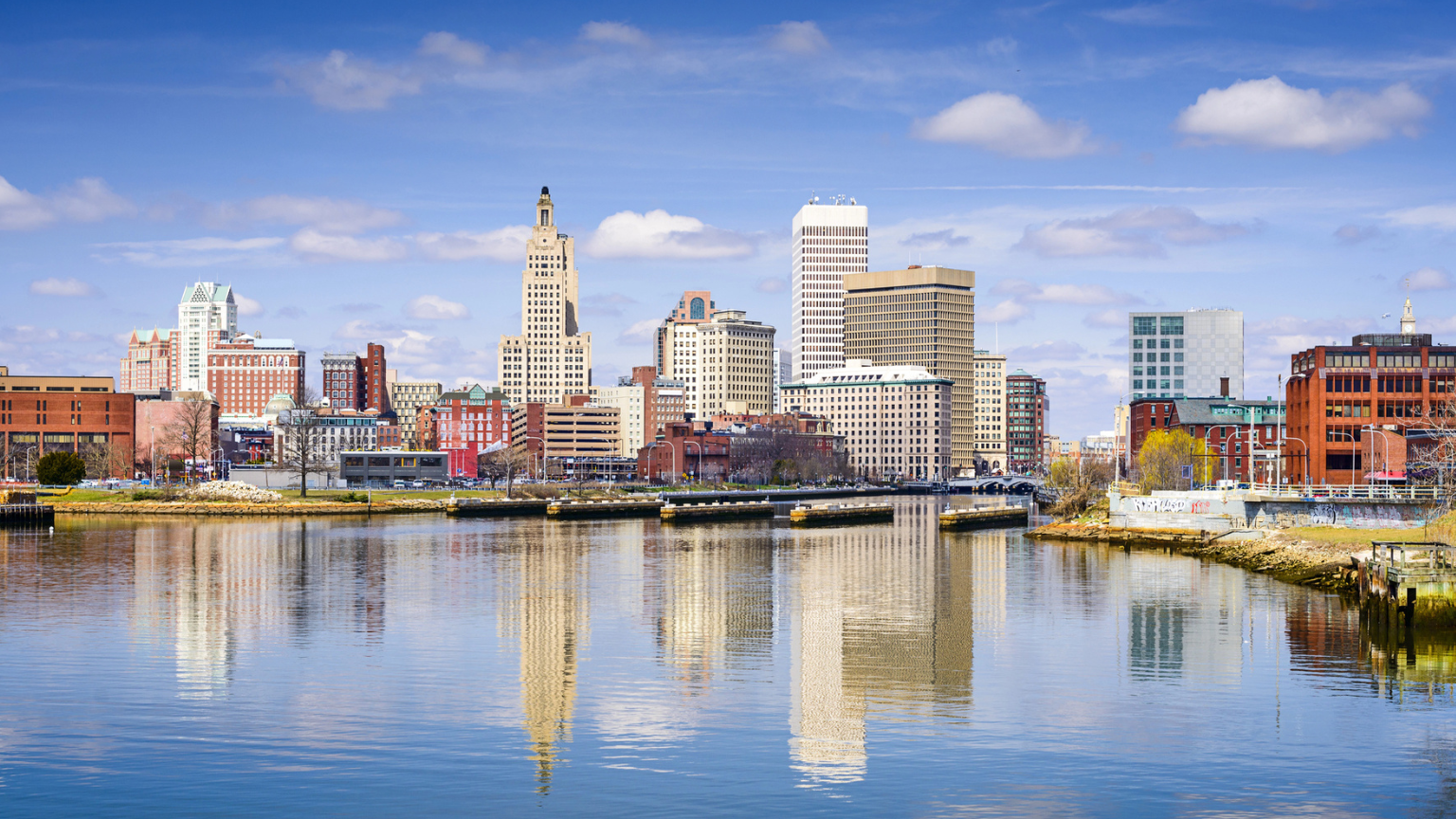
Providence, Rhode Island

Providence is small but full of creative and progressive energy. Downtown and College Hill are very walkable, and you can move between the historic streets, riverfront and campus areas without ever needing a car. Independent cafés and bakeries cluster around the universities and along the river, making it simple to find good coffee and a corner table. Parks and riverwalks give you green pockets and water views, and public art installations often pop up along these paths. With art schools and universities in the mix, the city has a strong culture of experimentation and social commentary in its galleries, murals and performances. A weekend here feels like spending time in a compact laboratory for ideas, with enough parks and cafés built in to keep things relaxed.
Chapel Hill and Carrboro, North Carolina

Chapel Hill and neighboring Carrboro function like a single progressive mini city with a student heart. Franklin Street in Chapel Hill is lined with cafés, music venues and small shops that serve both the university crowd and long time locals. Just down the road, Carrboro leans even more heavily into farmers markets, co ops and independent businesses, with a town commons that hosts frequent community events. Sidewalks and bike lanes connect most of the area, so it is easy to get around on foot or by bike. Parks and greenways wind through neighborhoods, offering shaded spots for walks and quiet reading sessions. Visible Pride flags, local journalism and active civic groups give the whole area a thoughtful, welcoming vibe. For a slow paced city break centered on coffee, parks and progressive community life, this duo is a very easy fit.
Montreal, Canada

Montreal adds an international flair to the list, combining European style streets with a very modern, progressive culture. Neighborhoods like the Plateau, Mile End and the Village are covered in murals, café terraces and small parks that feel like extensions of people’s living rooms. Mount Royal Park is the city’s green heart, offering forested trails, picnic spots and views over the skyline that are especially lovely at sunset. Bike lanes thread through many parts of the city, and you will see plenty of cyclists using them in all seasons. The café scene is strong and varied, from tiny espresso bars to airy spaces where people work, read and linger over pastries. With its bilingual identity, visible queer community, long history of protests and strong arts scene, Montreal feels like a natural choice for travelers looking for a progressive city break full of parks and coffee stops.
This article was written by Hunter and edited with AI Assistance