

A decade ago, you could plan a European city break on a shoestring and still feel like you were living well. Today, many of those same places come with rooftop pools, designer boutiques, luxury hotels, and price tags that match. Rising tourist numbers, short term rentals, and booming property markets have pushed costs up in cities that once sold themselves as budget friendly. Travelers are noticing when a simple coffee in a historic square runs into capital city prices and when a basic guesthouse costs what a boutique hotel used to.
That does not mean these cities are not worth visiting any more. They just take more planning, more off season strategy, and sometimes a willingness to stay one tram ride away from the postcard view. If you remember when these spots were backpacker bargains, the new price point can feel like a shock. Here are fifteen once affordable European cities that feel much more luxe in 2025, plus what still makes them special if you decide to splurge.
Lisbon, Portugal

Lisbon spent years marketed as the affordable alternative to Paris, Barcelona, or Rome. Those days are fading fast as the city has become a magnet for tech workers, digital nomads, and investors, all competing with locals for the same small housing stock. Central neighborhoods where backpackers once found cheap rooms are now filled with short term rentals, design hotels, and cocktail bars with tasting menus. For visitors, that translates into higher nightly rates, steeper restaurant bills, and more premium experiences bundled into every corner of the city.
You feel that shift most in areas like Bairro Alto, Chiado, and Alfama, where tiled buildings hide boutique hotels and fancy terrace restaurants instead of simple guesthouses. Even classic treats like pasteis and espresso now come with modern café pricing if you order them in the most scenic spots. The upside is that Lisbon really does deliver on the luxury vibe, from hilltop viewpoints at sunset to world class dining and polished riverfront promenades. To keep your budget sane, you can stay in less central districts, eat in neighborhood tascas at lunch, and favor trams and trains over endless rideshares.
Porto, Portugal

Porto used to feel like Lisbon’s sleepier, cheaper sibling, the place you went when you wanted river views and port wine without big city costs. In 2025, it still runs slightly more affordable than the capital, but central prices tell a different story than the one many guidebooks still repeat. Rents for one bedroom apartments in the heart of the city sit firmly in big city territory, and hotel rates follow suit during peak travel months. When you add in the growing wave of wine tourism, cruise passengers, and remote workers, it becomes clear that Porto has quietly moved into a more upscale bracket.
Visitors notice it in the transformed riverfront, where simple taverns have been replaced by sleek wine bars with curated tasting flights. In the historic center, many of the prettiest streets now house boutique hotels and luxury guesthouses rather than family run pensões. Even the famous port lodges lean into higher end experiences with architect designed tasting rooms and fine dining pairings. You can still eat well on a budget in backstreet cafés and student neighborhoods, but the Porto you see on social media tends to be the polished, premium version.
Barcelona, Spain

There was a time when Barcelona mixed edgy street life with relatively affordable rents and casual, inexpensive tapas. Years of record visitor numbers have reshaped the city into a destination that feels firmly high end in its central neighborhoods. Hotel prices, tourist taxes, and the sheer demand for apartments have pushed both accommodation and everyday costs steadily upward. The city is now a textbook example of how mass tourism can transform a once bohemian hub into something closer to an open air luxury resort for visitors.
Walk through areas like the Gothic Quarter or El Born and you will find curated concept stores, designer hotels, and stylish cocktail bars at almost every turn. Seafront districts like Barceloneta now cater heavily to high spending guests, and the nightlife scene has shifted toward clubs and beach lounges with steep cover charges and bottle service. Barcelona’s plan to phase out thousands of tourist apartments shows just how intense the pressure has become on housing, and that stress is reflected in prices across the board. If you still want to experience the city without breaking the bank, base yourself further out, eat where office workers queue at lunch, and visit in shoulder seasons instead of peak summer.
Palma de Mallorca, Spain

Mallorca was once shorthand for stress free, good value Mediterranean holidays, and Palma felt like a laid back gateway city where you could afford a few nights before heading to the beach. In 2025, Palma wears a much glossier face. Luxury marinas, five star hotels, and upscale boutiques line the waterfront, and average daily spending for visitors lands firmly in mid to high range territory. Peak summer months see prices jump again, especially for seafront rooms and upscale dining.
The city’s historic center still has charm in its narrow streets and sandstone facades, but the businesses inside many of those buildings now skew toward yacht crews, wealthier visitors, and high end shoppers. Locals have taken to the streets more than once to protest the impact of mass tourism on housing and quality of life, which says a lot about how much has changed. As a visitor, you can still find traditional bakeries, tapas bars, and family run spots if you wander away from the main drags. Just do not arrive expecting the rock bottom deals that Mallorca was known for in previous decades.
Dubrovnik, Croatia

Dubrovnik went from budget friendly coastal town to full blown luxury icon in what feels like record time. Its walled old town has starred in films and series, attracted cruise ships, and climbed to the top of bucket lists worldwide. With that attention came premium pricing, especially for accommodation within or near the city walls. Many travelers now describe Dubrovnik as beautiful but expensive, and local authorities have introduced passes and fees to manage visitor flows to major landmarks.
Food and drink inside the old town often price out locals, and menus frequently look more like those in major Western capitals than in a small Adriatic city. Upscale hotels and villas along the coast cater to guests who are prepared to pay for sea views and private terraces. There is still a more modest side to Dubrovnik in outlying neighborhoods and nearby towns, where you can find simpler guesthouses and konobas. If you are treating Dubrovnik as a once in a lifetime splurge, it can absolutely live up to the fantasy. Just know that the days of calling it a hidden bargain are firmly in the past.
Split, Croatia

Split long played second fiddle to Dubrovnik in the tourism spotlight, which helped keep it more relaxed and affordable. That buffer has mostly disappeared as Croatia’s coast has boomed and property prices near the sea have surged. Historic apartments within Diocletian’s Palace that once hosted backpackers now advertise as designer stays on short term rental platforms. Beach clubs line popular stretches of shoreline and serve cocktails at prices that would not be out of place in the south of France.
The city’s waterfront promenade has taken on an increasingly polished look, and large yachts moored in the marina underscore the shift toward a more upscale clientele. Rising living costs and tourism related housing pressures have prompted national conversations about how to regulate short term rentals and property speculation along the coast. For visitors, that translates into higher nightly rates and restaurant bills, especially in July and August. You can still get a taste of the old Split by exploring markets, neighborhood bakeries, and more local beaches, but central Split in summer now feels firmly like a luxury Mediterranean hub.
Reykjavik, Iceland

Reykjavik has never been truly cheap, but years ago it was at least possible to call it manageable if you watched your budget. In 2025, those days feel distant. Iceland has been named the most expensive popular tourism destination for American travelers this year, with daily costs regularly topping four hundred dollars when you factor in tours, food, and accommodation. High import costs, strong demand, and a focus on sustainability and wages mean that almost everything feels premium priced.
In practice, that means basic hotel rooms or guesthouses priced like boutique stays elsewhere in Europe, restaurant meals that can easily match fine dining bills at home, and everyday items like fuel and snacks that push your daily spend higher than expected. New port fees and taxes also add to the overall cost for cruise passengers. Reykjavik still rewards travelers with its art scene, geothermal pools, and easy access to nature, and you can save some money by traveling in the shoulder seasons or self catering. Still, nobody arrives here by accident in 2025 thinking it will be a bargain break.
Prague, Czech Republic

Prague used to be the classic budget city break, famous for cheap beer, inexpensive hostels, and generous plates of comfort food. As visitor numbers kept climbing and investment poured in, the city quietly graduated into a more polished, mid to high range destination. Recent tourism strategy has shifted away from chasing ever more visitors and toward attracting fewer but higher spending guests. Luxury hotels have expanded, room rates have crept upward, and more of the city center’s business model now targets travelers comfortable with premium pricing.
Short term rental growth and foreign investment helped push up property values in central districts, with some neighborhoods seeing double digit price increases in recent years. That is great news for owners but tougher for locals and for the classic cheap weekend away that Prague was known for. Today you will find rooftop bars, fine dining restaurants, and curated experiences marketed directly at affluent travelers, especially around Old Town Square and the Charles Bridge. It is still possible to enjoy Prague on a budget if you stay out of the very center, eat where students eat, and take advantage of trams. Just expect the postcard parts of the city to feel more like a luxury product than a backpacker playground.
Athens, Greece

For a long time, Athens was the scruffy but lovable entry point to Greece, where you tolerated some chaos in exchange for low prices and huge portions. The picture in 2025 is more complicated. Record tourism seasons and a surge in short term rentals have transformed central districts into hotspots for investors and high spending visitors. The government has had to clamp down on new licenses in parts of the city and raise taxes on short term stays and cruise passengers, which underscores how intense the demand has become.
That rising demand shows up in rents, hotel rates, and restaurant bills in popular neighborhoods like Plaka, Koukaki, and Psyrri. Rooftop bars with Acropolis views charge accordingly for the privilege, and new boutique hotels compete to offer ever more lavish breakfast spreads and spa access. You can still find inexpensive souvlaki, bakeries, and simple rooms if you head into more residential districts or travel in the off season. Even then, Athens now feels much closer to other major European capitals in terms of cost than it did right after the financial crisis, which surprises travelers who remember its budget days.
Valletta, Malta

Valletta once sat slightly under the radar, known more to history buffs and cruise passengers than to mainstream city break hunters. In the last few years, Malta has posted record tourism numbers, and Valletta has turned into a small scale luxury destination packed with boutique hotels, high end restaurants, and rooftop bars facing the Grand Harbour. Per capita visitor spending and tourist revenue keep climbing, which shows how successfully the city has moved upmarket.
Accommodation inside the compact city can be eye wateringly expensive in peak months, especially in lovingly restored townhouses and designer hotels. Rents for small apartments in central Valletta and nearby coastal towns reflect that demand, making day to day life pricier for residents and long stay visitors. At street level, you see it in the number of gourmet restaurants, wine bars, and curated experiences compared with the simpler cafés that once dominated. The upside is that the quality is often excellent, and the city remains beautiful in every direction. If you want to experience Valletta without paying luxury rates, consider staying in a nearby town and day tripping in by ferry or bus.
Tallinn, Estonia

Tallinn marketed itself for years as a fairytale old town that was also gentle on your wallet. That blend of value and charm turned it into a favorite stop for cruise ships, weekend travelers, and remote workers. Tourism numbers have now climbed to record levels again, and more visitors are choosing to stay overnight rather than just pass through. That increased demand has nudged up accommodation prices, especially within the medieval old town walls and in trendier districts nearby.
Cafés, craft beer bars, and hip restaurants have multiplied, many of them geared toward international visitors who expect and can afford higher bills. Locals often talk about how everyday prices have climbed compared with just a few years ago, from groceries to eating out. Tallinn is still cheaper than many Western capitals, but the gap is not as dramatic as it used to be. You can still hunt down budget friendly meals in canteens and simple lunch spots, and staying a tram ride from the center can keep your costs down. Just be aware that the days of calling Tallinn a rock bottom bargain are gone, even if it remains good value for what you get.
Ljubljana, Slovenia

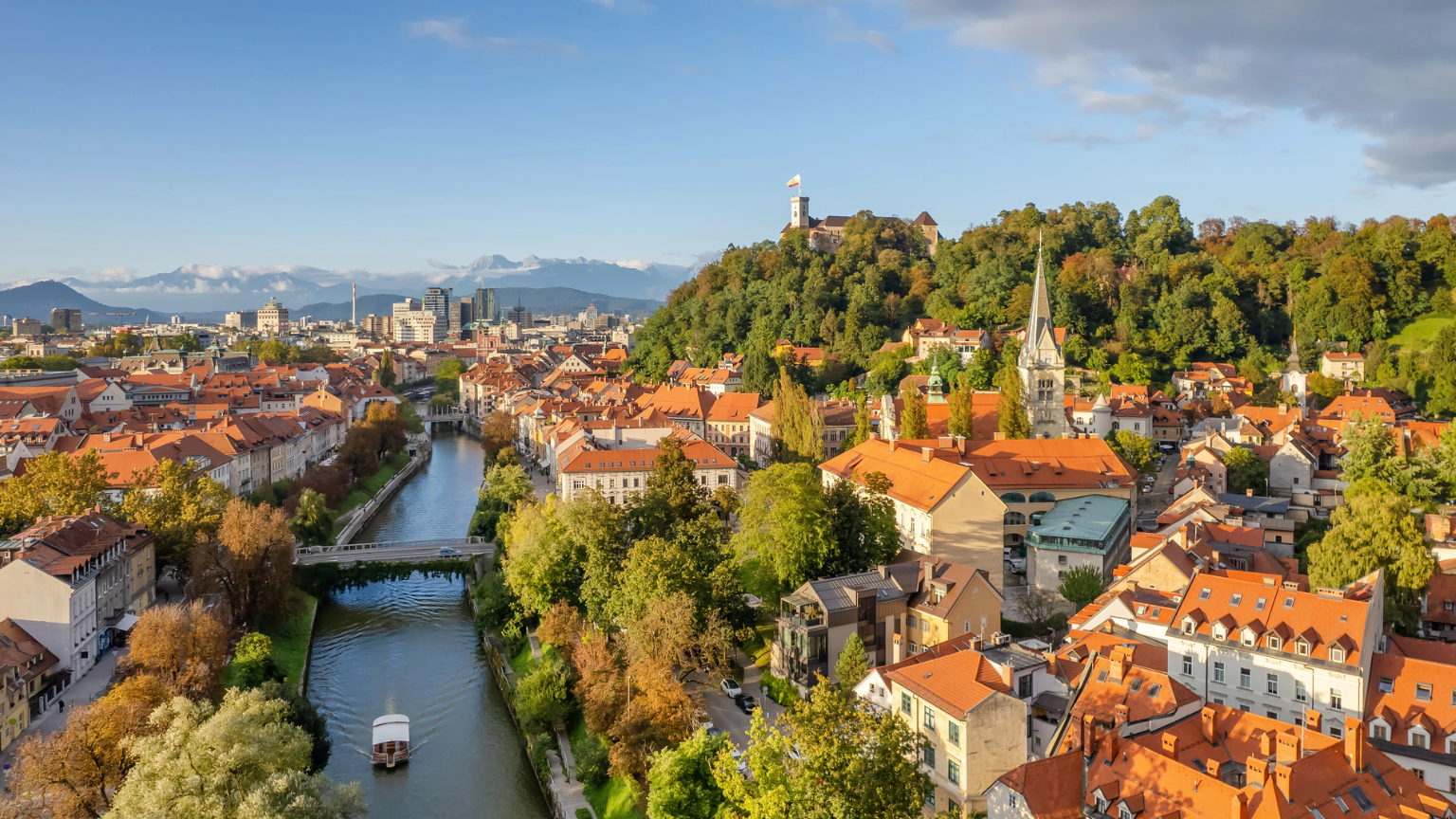
Ljubljana built its reputation as a charming, affordable capital where you could enjoy riverside cafés, castles, and trips to mountain lakes without draining your account. Slovenia’s tourism boom and a tight housing market have changed the equation. Visitor overnights have hit new records, and property prices in the capital keep rising due to strong demand and limited supply. That pressure shows up in higher hotel rates and in the conversion of central apartments into stylish short term rentals that cater to international guests.
The city still looks wonderfully relaxed on the surface, with car free streets, cyclists, and students drifting between bars. Look closer at the menus and room rates and you will see numbers that would surprise anyone who last visited before the surge. Many of the most scenic riverside terraces now lean into premium pricing, especially in high season. Ljubljana remains a lovable city and a great base for exploring the rest of Slovenia, and you can still travel on a moderate budget if you plan well. Just do not expect the same bargain city break costs that made it such an insider tip a decade ago.
Budapest, Hungary

Budapest has long been the go to example of how far your money can stretch in Europe, especially when it came to spa days and nightlife. It remains more affordable than big Western capitals, but recent years have brought noticeable jumps in rents and living costs. New apartment blocks, a growing expat scene, and steady tourism have pushed the city away from its ultra cheap image. Budget guides that once quoted unbelievably low daily costs now suggest more realistic mid range budgets, especially if you want central accommodation and a few nights out.
Trendy neighborhoods on the Pest side are full of cocktail bars, designer cafés, and concept hotels aimed at travelers who want style and are willing to pay for it. Classic ruin bars have added ticketed events and higher drink prices, while thermal baths lean into premium experiences with spa packages and VIP zones. Plenty of local eateries, markets, and neighborhood bars still offer good value, particularly outside the inner districts. The city is not expensive in absolute terms compared with some others on this list, but the overall feel in 2025 is much more luxe city break than backpacker secret.
Krakow, Poland

Krakow is a slightly different case on this list. It is still widely ranked as one of Europe’s best value city break destinations, with reasonable hotel rates and everyday costs that undercut many rivals. What has changed is the way the city presents itself and the kinds of experiences visitors are encouraged to book. Curated tours, premium dining, and boutique hotels have flourished in and around the old town, catering to travelers who are happy to pay more for comfort, convenience, and Instagram ready settings.
In the main square and the prettier streets of the old town, prices for food and drink reflect that shift, especially if you pick places that are clearly geared toward visitors. Krakow’s long standing popularity means it has also climbed the ladder of must see European stops, which tends to pull prices up at least in the most central areas. You can still live very well on a modest budget if you lean into milk bars, local bakeries, and mid level guesthouses away from the main drag. Even so, Krakow today feels more like a polished, experience heavy city break than the low cost wild card it once was.
Edinburgh, Scotland

Edinburgh has always attracted tourists with its castle, cobbled streets, and summer festivals, but it was not commonly mentioned as the most expensive city break in Europe. Recent studies have changed that perception, showing hotel prices and basic travel costs rising steeply since before the pandemic. A two night stay during popular seasons can easily outprice comparable trips to many continental cities, and average room rates have climbed dramatically since 2019. The city’s hospitality industry has pivoted toward premium offerings as costs and demand both increased.
On the ground, that shift shows up in boutique hotels, gourmet restaurants, and curated tour experiences that dominate central Edinburgh. Festivals and big events drive prices up even further, and last minute deals are far less common than they once were. Budget travelers now have to work much harder to keep expenses under control, often staying further from the center or visiting outside peak weeks. Edinburgh still feels magical, especially when the sun hits the stone at sunset or the city fog rolls in over the castle. Just know that in 2025, it behaves like a full blown luxury city break, not the slightly scruffy university town some visitors remember from years past.
This article was written by Hunter and edited with AI Assistance