
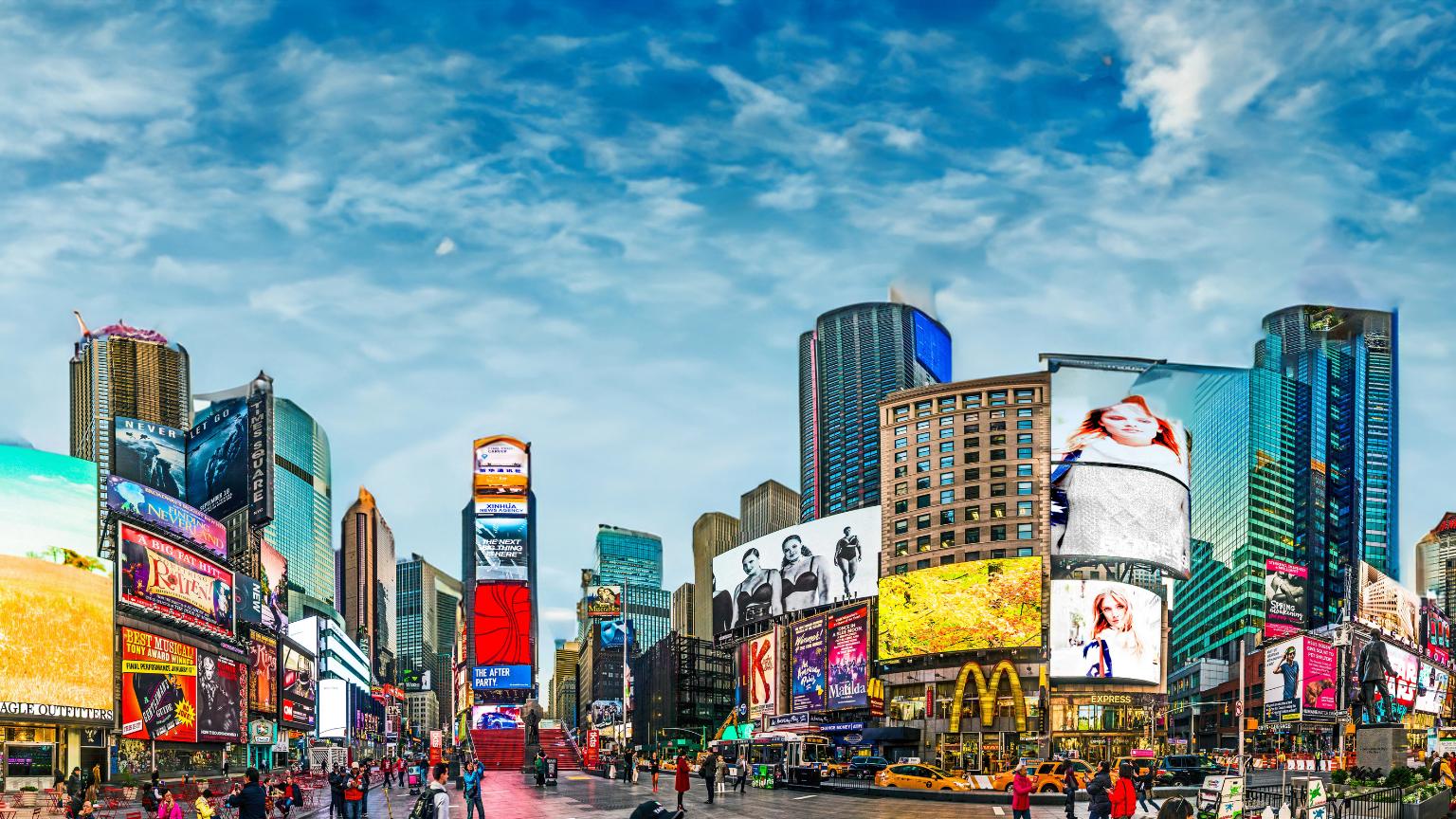

New York City still dazzles with skyline views and round the clock energy, yet the visitor numbers are slipping for the first time in years. Several overlapping trends are chipping away at the Big Apple’s magnetism, from stronger currencies overseas to crowd frustration in Times Square. Below are fifteen factors that travel insiders cite when explaining why some vacation planners are choosing other destinations in 2025.
Stronger Dollar Makes Trips Pricier

When the dollar gains strength international travelers get fewer hotel nights for their home currency. A museum ticket that once felt affordable now eats a bigger chunk of a daily budget. Many visitors pivot to cities where their money goes further and boutique hotels do not require a second mortgage. Currency shifts may feel abstract at home but they hit hard when comparing real room rates.
Higher Visa Fees for Key Markets

Recent hikes in U.S. visa processing fees have prompted travelers from Brazil, India, and parts of Africa to shelve America plans. The paperwork already caused headaches and the added cost tips the scales toward European capitals. Travel agents report rerouting group tours to destinations with simpler entry requirements. New York pays the price because it relies heavily on those long haul arrivals.
Expensive Hotels

Several marquee hotels delayed reopening or rebranded as luxury only properties. That trimmed mid-range inventory, pushing nightly rates above three hundred dollars even in the outer boroughs. Families crunching numbers see bigger rooms at lower prices in Chicago or Montreal and hit the book button elsewhere. Price sensitive tourists who used to brave hostel dorms now find them scarce and overpriced.
Persistent Crime Headlines

Local media coverage about subway incidents and shoplifting sprees goes global within minutes. Even if statistics show improvements, the perception sticks longer than the news cycle. Trip planners scrolling social feeds decide not to take the risk for a first time visit. Other U.S. cities use safety messaging in campaigns and lure away skittish guests.
Congested Airport Experience

Construction projects at JFK and LaGuardia promise better terminals in the future but they create present day bottlenecks. Long security lines and unexpected shuttle bus transfers leave a sour first impression. International passengers post about missed connections and the stories spread faster than official apology statements. Travelers aiming for a stress free gateway choose airports like Miami or Seattle instead.
Broadway Ticket Shock

When a single orchestra seat tops four hundred dollars many theater lovers save the splurge for touring shows at home. Dynamic pricing surges on popular nights add confusion and frustration during the booking process. Visitors who still come for Broadway may trim the length of stay and skip other paid attractions. The city loses ancillary spending on restaurants and shops.
Short Term Rental Restrictions

Tighter enforcement of housing rules removed thousands of apartments from vacation platforms. Budget conscious tourists who relied on group friendly lofts now struggle to find legal options. Although the policy addresses local housing pressure it drives some groups to cities with more flexible rentals. Hotels pick up some demand but cannot match the space or kitchen access larger parties need.
Restaurant Inflation

Food costs surged far beyond national averages in Manhattan and Brooklyn. A casual brunch can clear forty dollars per person before tip which feels steep next to cities with thriving food scenes at half the price. Travelers following food bloggers now consider Philadelphia or Houston for culinary vacations that do not torpedo the credit card. NYC still offers world class dining but at a budget many cannot stretch.
Overtourism Fatigue

Visitors complain about shoulder to shoulder crowds at the Brooklyn Bridge and Little Italy on weekends. The novelty fades when every selfie spot requires a twenty minute wait. Urban planners experiment with pedestrian zones yet the relief remains uneven. Tourists who want room to roam discover similar vibes in less packed neighborhoods of other global cities.
Limited Hotel Staffing

Some properties operate with lean teams that cannot keep up with occupancy rebounds. Guests encounter longer waits at check in and housekeeping delays that mar an otherwise special stay. Online reviews call out these lapses and search algorithms amplify the criticism. Vacation planners who notice consistent service complaints move on to markets with higher satisfaction scores.
Competing Star Power From Other U.S. Cities

Las Vegas unveils new sports arenas and immersive art districts while Miami opens beachfront museums and design fairs. Domestic travelers chasing novelty fly south or west instead of repeating a New York itinerary they already know by heart. Marketing campaigns highlight sunshine and modern venues which counterbalance the traditional pull of the Empire State Building.
Surging Concert and Event Prices

Ticket platforms add steep service fees that sometimes equal the face value of an event. Concertgoers decide to see the same tour in smaller markets where prices feel reasonable and hotels are cheaper. New York’s premium event economy remains vibrant but relies on high earners instead of broad visitor segments. The average tourist sits on the sidelines when prices cross the comfort line.
Perception of Work Remote Flexibility Elsewhere

Digital nomads who once dreamed of month long stays in Brooklyn find stricter rental rules and higher living costs than emerging co work hubs like Austin or Denver. These rising stars court remote workers with tax breaks, spacious apartments, and abundant coffee shops. New York’s brand remains powerful but the practical appeal dims when spreadsheets enter the chat.
Weather Extremes Becoming Newsworthy

Heat waves and sudden flooding events make headlines and feed concerns about trip disruptions. Images of waist high water in subway stations spur caution among potential visitors planning summer vacations. Cooler climate cities leverage the narrative by touting milder temperatures and reliable public transport. Climate anxiety becomes one more hurdle for New York to clear.
Shift Toward Nature Based Travel

Post pandemic trends show a tilt toward national parks and wide open scenery. Families booking vacation days often trade urban skylines for mountain backdrops. Cities like New York must work harder to remind travelers of green spaces like Central Park and the High Line. When wanderers crave forests over skyscrapers urban destinations automatically lose a slice of the market.
This article was written by will and edited with AI assistance.