
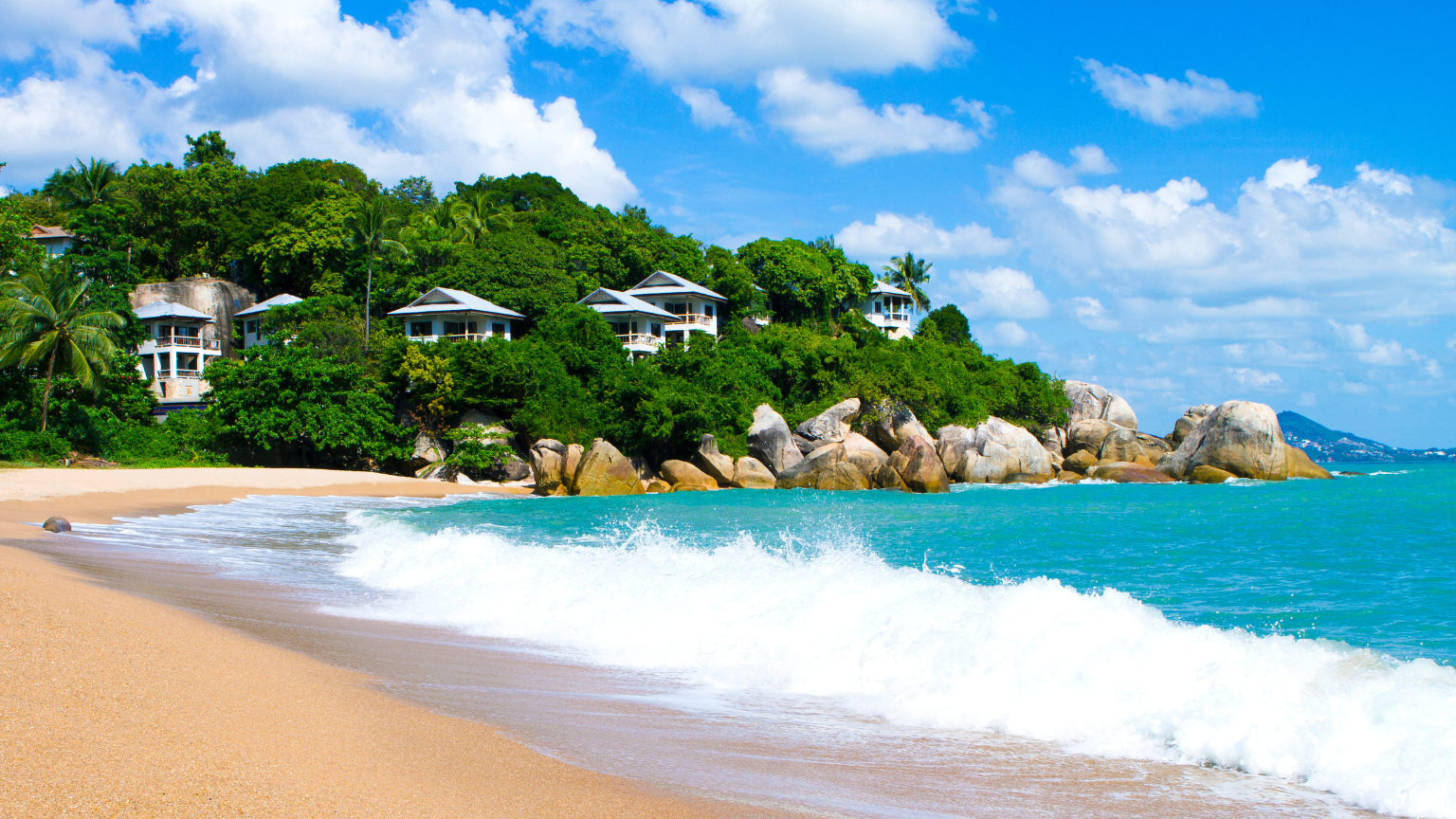

Peak season on the islands can be a lot. Prices soar, beaches fill up, and restaurant reservations become a competitive sport. At the other extreme, low season can mean shuttered hotels, rough seas, or rainy skies that never quite let up. Shoulder season sits in the middle, with softer light, fewer crowds, and rates that do not sting quite as much. On the islands below, those in between months are when everything feels just right. The water is still inviting, the vibe is relaxed, and you actually have space to breathe.
Santorini, Greece

In summer, Santorini can feel like everyone on earth decided to watch the same sunset. Visit in the shoulder months of late April, May, September, or early October and the island becomes much easier to love. The caldera paths between Fira and Oia are still warm and dry, but you are not squeezing past a solid line of people with tripods. Hotels that sell out months ahead in peak season suddenly have availability, and you can often upgrade to a better room with a view without blowing your budget. Tavernas have time to chat, and it is easier to find a quiet corner in Oia or Pyrgos to just sit and watch the light change on the cliffs. Ferries run often enough to connect you to other Cycladic islands, yet the pace on Santorini itself is slower and more human.
Maui, Hawaii, USA

Maui is an island that always feels special, but shoulder season helps you see it at its best without the heaviest summer or holiday crowds. During spring and fall, the weather stays warm, the water is inviting, and many families are back in school which means fewer people on the beaches. Driving the Road to Hana is still an adventure, but you are less likely to get stuck in long lines of cars at every waterfall pullout. Resorts and condos often drop rates between the busiest waves of visitors, so you may find oceanfront stays that would be out of reach in winter. Snorkel trips, whale watching (in late winter and early spring), and sunset cruises feel more relaxed when boats are not packed to capacity. In the evenings, you can wander through Lahaina’s replacement areas, Kihei, or Wailea and actually get a table without planning your entire day around dinner.
Mallorca, Spain

Mallorca can feel hectic in high summer, especially along the most famous stretches of coastline. Come in May, June, September, or early October and the whole island seems to exhale. The Mediterranean is warm enough for long swims, but the beaches around Cala Figuera, Cala d’Or, and Alcúdia are far less crowded. Cyclists and hikers flock to the Serra de Tramuntana mountains in these shoulder months because the temperatures are comfortable and the views are crystal clear. Palma’s old town feels busy and fun without being overwhelming, and you can actually linger at cafe tables on quiet squares. Wineries in the center of the island and small inland villages are easier to explore at this time too, because traffic is lighter and locals are not working nonstop to keep up with peak season demand. Mallorca in shoulder season still has all the island charm, just with more breathing room.
Madeira, Portugal

Madeira has a mild climate year round, but spring and autumn are especially sweet. In these months, the island’s dramatic cliffs, terraced hillsides, and levada trails are lush and green, yet the walking paths are less crowded than in peak periods. You can spend entire days exploring coastal viewpoints, cloud forest hikes, and small villages without ever feeling rushed. Funchal, the capital, has a calm but lively feel in shoulder season, with markets, cafes, and wine bars that cater to both locals and visitors. Atlantic swells can still be strong, but there are enough calm days for swimming platforms and natural pools to be inviting. Prices on flights and hotels often drop compared to high summer, so your budget stretches further for boat trips, canyoning, or tasting flights of Madeira wine.
The Azores, Portugal

The Azores are already a more low key destination, but shoulder season really suits their quiet, wild character. In late spring and early fall, the weather on islands like São Miguel, Terceira, and Pico often strikes a comfortable balance between mild temperatures and fewer storms. Hydrangea lined roads, volcanic lakes, and hot springs feel even more peaceful when you are not sharing every viewpoint with tour buses. Whale and dolphin watching trips run through much of the year, with spring and early summer especially good for sightings. Because the Azores have become more popular recently, visiting outside the busiest summer weeks makes it easier to book rental cars, guesthouses, and activities. You get the sense of being far from the usual tourist routes, but with enough open restaurants and cafes to feel well looked after.
Bali, Indonesia

Bali’s dry season brings more sunshine, but it also brings bigger crowds and heavier traffic on narrow roads. Shoulder months on either side of that peak period can offer a great compromise. You might see a few more afternoon showers, yet the island’s rice terraces and jungles look extra vibrant, and the rain often passes quickly. Popular spots such as Canggu, Seminyak, and Ubud feel busy but not swamped, which makes it easier to enjoy cafes, beach clubs, and yoga studios without long waits. Inland temples, waterfalls, and smaller coastal towns like Amed or Sanur are more relaxed too, with guides and drivers who are not rushing from one job to the next. Villa stays and boutique hotels often have better rates in these transition periods, so you can enjoy private pools and lush gardens without peak season prices. Bali in shoulder season still has plenty of energy, just with more space to actually enjoy it.
Crete, Greece

Crete is large enough to feel like its own little country, and shoulder season brings out its softer side. In May, June, September, and October, the sea is warm, the skies are clear, and the inland hills have not yet baked completely dry or become cold again. Beach towns like Chania, Rethymno, and Elounda are lively but not overflowing, and smaller villages still retain their everyday rhythm. Hiking through Samaria Gorge or other mountain trails feels more comfortable in these months, with cooler temperatures and fewer hikers. Tavernas along the coast and in inland villages serve big plates of local food at unhurried meals, and you can linger over coffee without feeling guilty about the table. Because Crete has multiple airports and ferry routes, getting around is straightforward, and shoulder season availability makes it easier to explore more than one region in a single trip.
Sicily, Italy

Sicily in high summer can be scorching and crowded, especially in big name spots like Taormina and along the eastern coast. Shoulder season turns everything down a notch. In April, May, September, and October, the island’s archaeological sites, from the Valley of the Temples to ancient theaters, are still impressive but much quieter. The sea along the coasts near Cefalù, Ortigia, and the Aeolian Islands stays inviting, yet you can actually find a patch of sand without jostling for space. Cities like Palermo and Catania are still busy, but their markets, street food stalls, and historic streets feel more approachable in the cooler air. Vineyards and countryside estates are also at their most atmospheric during harvest time and early autumn. You get all the Sicilian drama in the landscape and the towns, just without the most intense heat or shoulder to shoulder crowds.
Corsica, France

Corsica’s mix of jagged mountains and turquoise bays makes it a dream for outdoor lovers, and shoulder season means you can actually enjoy it without battling both heat and crowds. In late spring and early autumn, hiking routes like the GR20 and coastal trails are more pleasant, with cooler temperatures and clearer skies. Coastal towns such as Calvi, Bonifacio, and Porto Vecchio still have open restaurants, markets, and harbors filled with boats, but they are not yet flooded with peak summer visitors. Beaches are calmer, and the water remains warm enough for long swims and snorkel sessions. Scenic drives across the island’s interior, with hairpin bends and dramatic viewpoints, feel less stressful when there are fewer tourist vehicles on the road. Corsica in these shoulder months retains all its rugged charm, while feeling a bit more like a place locals can still fully claim.
Puerto Rico

Puerto Rico is an island where shoulder season often gives you the best of both worlds. The busiest times tend to cluster around winter holidays and some school breaks, so visiting in the weeks just before or after those peaks can mean better deals on flights and stays. Old San Juan’s colorful streets, cafes, and fortresses are still lively, but you are not shuffling along in dense crowds at every viewpoint. Beach areas like Condado, Isla Verde, and Luquillo feel more relaxed and less dominated by large groups. In El Yunque National Forest, trails and waterfalls are easier to enjoy when there are fewer hikers stopping for photos at every bend. Across the island, from surf towns like Rincón to quieter southern and western communities, shoulder season brings a more low key energy while keeping most businesses open.
Barbados

Barbados has a strong reputation for steady sunshine, especially in the dry season, but that also means packed resorts and higher rates in the most popular months. Shoulder season, especially late spring and early winter outside holiday dates, often brings fewer visitors while still delivering blue skies and warm seas. The west coast’s calm beaches and upscale hotels feel less rushed, and you may find more space at the island’s most sought after spots. On the south coast, where the atmosphere is more casual and lively, it becomes easier to move between bars, small hotels, and local food spots without everything feeling oversubscribed. Inland, plantation houses, gardens, and heritage sites are less crowded, which makes tours more enjoyable and personal. For many travelers, Barbados in these in between months offers the sweet spot of good weather and room to breathe.
Koh Samui, Thailand

Koh Samui’s weather does not line up perfectly with much of the rest of Thailand, which is why understanding its shoulder seasons pays off. Visit just before or after the main dry months and you can often catch long stretches of sunshine with only occasional short showers. Chaweng and Lamai beaches will still have plenty going on, but they feel more relaxed and less intense than during peak party periods. Smaller areas like Bophut’s Fisherman’s Village and Maenam become especially pleasant, with open waterfront restaurants, calm water, and fewer people competing for sun beds. Boat trips to nearby islands and marine parks are easier to book and less crowded, which makes snorkeling and kayaking more enjoyable. Shoulder season also tends to bring better value at resorts and spas, so you can indulge a little without stretching your budget too far.
Jeju Island, South Korea

Jeju Island is a favorite escape for people from mainland South Korea, and high season can make popular sites feel very busy. In shoulder months like late spring and early autumn, the island’s lava formations, waterfalls, and coastal trails are still beautiful but much calmer. Hallasan, the volcanic peak at the island’s center, is more comfortable to hike when temperatures are moderate and humidity is lower. Fields of canola flowers in spring or grasses and foliage in autumn make rural drives and walks especially scenic. Local markets, museums, and cafes in Jeju City and Seogwipo feel vibrant without being packed. If you enjoy a mix of hiking, sea views, and local food, shoulder season on Jeju gives you time and space to appreciate it all.
Vancouver Island, Canada

Vancouver Island might not be the first place that comes to mind when you think of island escapes, but shoulder season suits it perfectly. In late spring and early fall, the weather around Victoria, Tofino, and the island’s many small communities is often mild and changeable in a good way. You can combine storm watching, calm sunny days, and misty forest walks in a single trip. Tofino’s beaches are less crowded, yet still full of surfers and walkers who do not mind pulling on a wetsuit. Trails through temperate rainforests and along rugged coastlines feel more peaceful when you are not constantly stepping aside for other groups. Whale watching and wildlife tours often run through these months and can feel more intimate with fewer passengers. For travelers who enjoy dramatic nature over sun loungers, Vancouver Island’s shoulder seasons are the real draw.
Hvar, Croatia

Hvar in peak summer is a magnet for yachts, partygoers, and day trippers, and while that can be fun, it can also be overwhelming. Visit in May, June, September, or early October and the island’s more relaxed character comes into focus. The stone streets of Hvar Town are still lively, but you can actually find quiet corners in the old town and along the waterfront. Pakleni Islands, just offshore, are easier to explore by boat or kayak when coves are not filled with anchored vessels. Inland villages and lavender fields are more peaceful, and the island’s vineyards are especially atmospheric in late summer and early autumn. Sea temperatures remain comfortable for swimming, and the evening light on the harbor and hillsides feels softer and less harsh. Shoulder season in Hvar lets you enjoy both the social side and the natural beauty without feeling like you are part of a constant rush.
This article was written by Hunter and edited with AI Assistance