

In 2025, it feels like the whole world is on the move. Cheap flights, viral videos, and record breaking tourism numbers mean the same famous places show up in everyone’s feed. The result on the ground is a very different picture. Locals are facing packed streets, higher rents, and a daily crush of visitors who all want the exact same photo from the exact same spot.
Around some of the world’s most iconic sights, residents are quietly saying the same thing. You can still visit if you really want to, but the experience is often stressful, expensive, and sometimes even unsafe. The better choice is often to admire these landmarks from a distance, enjoy the view, and then spend your time and money in nearby neighborhoods that still feel like real places.
Here are fifteen famous sights that locals increasingly suggest you appreciate from afar, plus ideas for how to do that without feeling like you missed out.
St Mark’s Square and Central Venice, Italy

Venice is breathtaking, but most Venetians will tell you that squeezing into St Mark’s Square at midday is no longer a romantic dream. With tens of millions of visitors a year and new day tripper entry fees in place, the historic center often feels more like a theme park than a city where people live. Even on days when the entrance charge is active, stewards still grapple with waves of tour groups, phone cameras, and rolling suitcases. Residents complain that the narrow lanes and fragile pavements simply cannot cope with the constant crowds.
If you want to fall in love with Venice from a more relaxed distance, take a vaporetto ride out into the lagoon instead. Views back toward the Doge’s Palace, St Mark’s Campanile, and the domes of Santa Maria della Salute are spectacular from the water. You can base yourself on Giudecca or in quieter neighborhoods like Cannaregio, where you still get canals and church bells without quite as much chaos. It is a different kind of Venetian experience, shaped more by evening strolls along the fondamenta than by ticking off every landmark at close range.
Trevi Fountain, Rome, Italy

The Trevi Fountain is one of those places that looks dreamy in films and feels very different in person today. Local officials in Rome have openly described overtourism as a problem and even floated the idea of ticketed access or barriers around the fountain to protect it. On busy days it is almost impossible to get anywhere near the water without pushing through a dense ring of people. Residents who live nearby complain about constant noise, litter, and the feeling that their streets have turned into a permanent stage set.
For a softer take, many Romans suggest admiring Trevi at a distance and then focusing your time on Rome’s quieter fountains and piazzas. You can swing by early in the morning, take in the sculpture from the edge of the crowd, toss a coin if you can reach, and then move on before the experience turns frustrating. Later, seek out lesser known spots like Piazza Mattei or Piazza della Madonna dei Monti, where you can actually hear the water and sit with a coffee. You still get that Roman fountain magic, just without twenty people jostling your elbows for a selfie.
Oia and the Caldera View, Santorini, Greece

Santorini’s blue domes and whitewashed houses have become some of the most shared images in travel. The problem is that hundreds of thousands of people want that same photo each season. The island welcomes millions of visitors a year, and cruise passengers often arrive in huge waves, turning the lanes of Oia into a slow moving river of bodies. Locals and officials have started experimenting with digital systems to manage cruise berths and ease the pressure, but residents still talk about overtourism as a daily reality.
If you ask people who live there, many will tell you that the best way to see Santorini in 2025 is from the water or from a neighboring village. You can join a small boat trip at sunset and watch the caldera glow from the sea rather than fighting for a spot on a packed terrace. On land, base yourself in quieter places like Pyrgos, Megalochori, or even on nearby islands such as Naxos or Folegandros and visit Santorini as a short side trip. You still get that dramatic view of cliffs dropping into the sea, but you enjoy it with more space to breathe and fewer elbows at your back.
Mount Fuji Summit, Japan

Mount Fuji has always been more than just a hiking goal. For many Japanese people it is a sacred symbol that looks most beautiful from a respectful distance. In recent years, crowds of ill prepared climbers, trash, and unsafe night ascents have pushed authorities to act. New rules now cap daily numbers on the most popular routes, add climbing fees, and even introduce gates that restrict entry to certain hours. Environmental officials and local communities stress that these changes are about both safety and protecting the mountain from being loved to death.
Plenty of locals will tell you that Fuji is best appreciated not from the summit queue, but from classic viewing spots around the region. Lake Kawaguchiko, Hakone, and even viewpoints on the Shinkansen line offer postcard perfect views of the volcano on clear days. You can spend your time soaking in hot springs, visiting small shrines, and walking lakeside paths while the mountain rises in the distance. That kind of trip gives you more contact with local life and less time trudging in a long line of hikers in the thin air.
Gion and the Geisha Alleys, Kyoto, Japan

Kyoto’s Gion district is famous for its wooden teahouses and the sight of geiko and maiko gliding between appointments. Unfortunately, that mystique has attracted crowds of tourists who get far too close. Locals have reported people blocking narrow alleys, grabbing at kimonos, and treating working artists as props. In 2024, authorities responded by banning tourists from some private alleyways and introducing fines for those who ignore the rules, a clear sign that patience has worn thin.
Residents often suggest admiring Gion from its main streets and from across the river rather than hunting for geisha in tiny side lanes. You can enjoy the lantern lit atmosphere on Hanamikoji and along the Shirakawa canal from a respectful distance, then shift your focus to Kyoto’s many other neighborhoods. Less crowded districts, local markets, and temple gardens on the edges of the city welcome visitors who slow down and behave thoughtfully. In the end, you may feel you got a deeper sense of Kyoto by stepping back rather than pushing forward with your camera.
La Sagrada Família, Barcelona, Spain

La Sagrada Família is still under construction and still one of the busiest religious buildings in Europe. On a typical day, tens of thousands of people converge on the basilica and the streets around it, and city officials now talk openly about congestion and safety issues in the area. New plans even include creating a dedicated selfie zone so that people have a place to take photos without blocking traffic completely. Residents in the neighborhood complain about noise, packed pavements, and the feeling that the area around their local church has turned into a permanent festival ground.
Many Barcelonans will tell you that the more rewarding way to experience the basilica is to appreciate it as part of the skyline. You can admire its spires from parks like Turó de la Rovira or from rooftops in the Eixample, where the building rises like something out of a dream. That view also gives you a better sense of how Gaudí’s masterpiece fits into the wider city. Once you have taken that in, spend time exploring less saturated parts of Barcelona that still feel like neighborhoods first, tourist attractions second.
The Acropolis, Athens, Greece

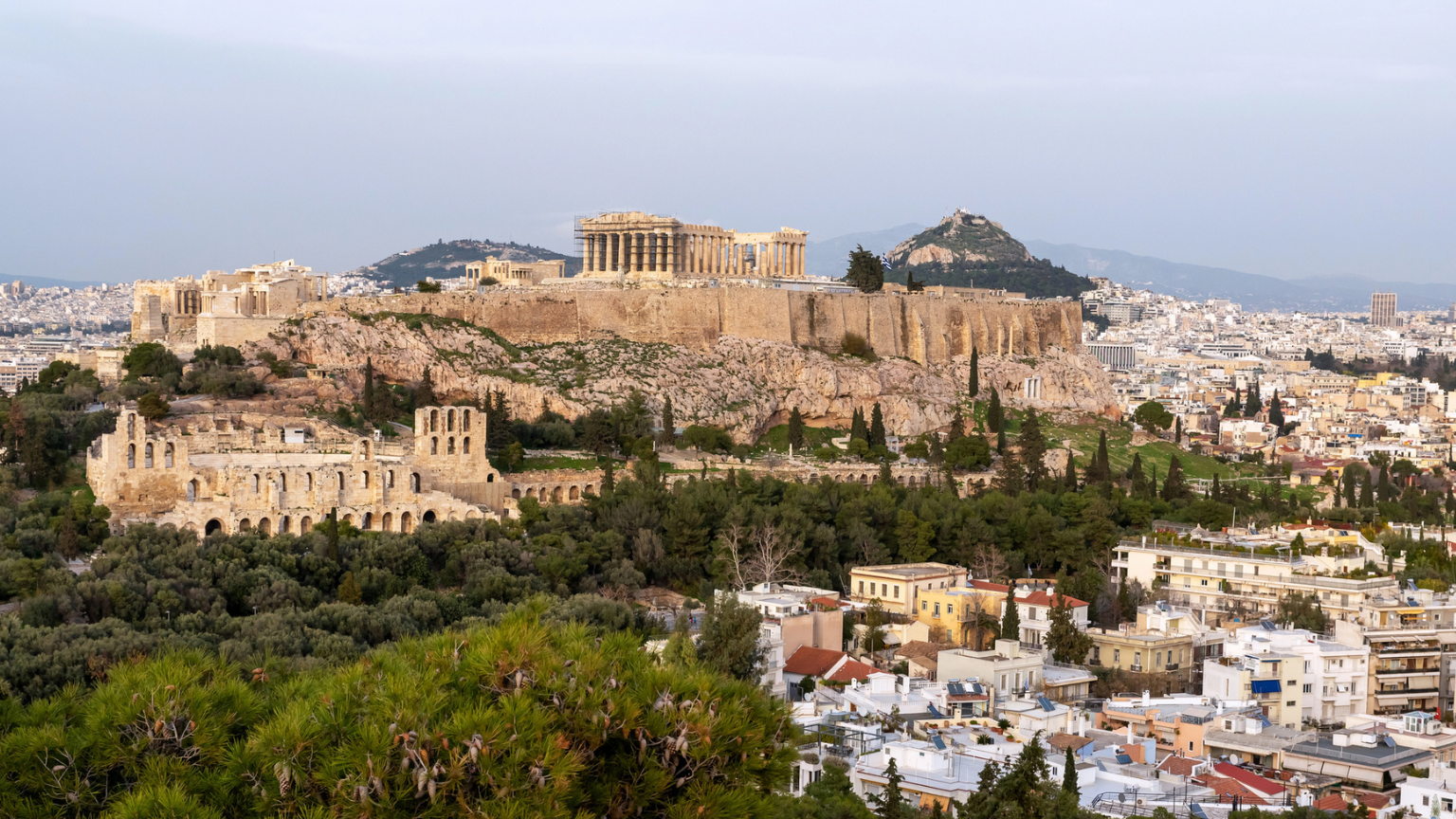
The Acropolis is another bucket list sight that has had to adapt to enormous visitor numbers. Greece now uses time slots and daily caps to control how many people can enter each hour, and there are even premium private tours outside regular opening times for guests who are willing to pay more. These changes are meant to protect the fragile ruins and improve the visitor experience, but Athenians know the reality is still intense crowds, long queues, and rock surfaces that can feel slippery and stressful underfoot.
Talk to locals and many will recommend getting your classic Acropolis view from a nearby hill instead. Areopagus Hill and Philopappos Hill both offer beautiful panoramas of the Parthenon with the city stretching out below. You can enjoy the golden light on the columns without being in a packed line at the top. Afterward, dive into the surrounding neighborhoods of Koukaki or Thissio for cafés, bakeries, and everyday Athens. You may come away with a richer memory than if you had spent your whole morning shuffling through turnstiles.
Hallstatt, Austria

Hallstatt looks like it was built to be a puzzle box lid, and that is exactly the problem. Viral photos and a loose link to animated films turned this tiny lakeside village into a magnet for day trippers. Residents have staged protests against overcrowding, blocked roads to make their point, and voiced frustration that many visitors only stop long enough to snap a photo from one angle and then leave. When several thousand people arrive in a town with only a few hundred residents, it is easy to see why the streets feel overwhelmed.
Locals often suggest that the best Hallstatt experience is actually the view from across the lake or from higher up the slopes. A boat ride or a ferry trip gives you that classic reflection shot without needing to elbow through the main promenade. You can also stay in other villages around the lake or in nearby towns like Bad Goisern or Bad Ischl and visit Hallstatt early or late in the day. That way you support the wider region and save yourself the stress of being packed into its narrow lanes at peak hour.
Blue Lagoon, Iceland

The Blue Lagoon became a symbol of Iceland’s tourism boom, with its milky geothermal water and futuristic spa buildings. In recent years, though, the experience has felt less dreamy for both locals and visitors. The spa has had to close temporarily multiple times due to seismic activity and nearby volcanic eruptions, and the roads and parking areas have been disrupted by the shifting landscape. At the same time, demand remains so high that time slots sell out and prices for basic packages keep climbing.
Many Icelanders now gently steer visitors toward less famous hot springs and lagoons across the country. You can still enjoy soaking in naturally heated water, often with fewer people and better views of the surrounding mountains or sea. From community pools in small towns to newer baths on quiet fjords, there are plenty of alternatives that spread out the impact and feel more relaxed. If you really want to see Blue Lagoon, consider appreciating it by driving past the lava fields and taking in the surreal setting without necessarily making it the centerpiece of your trip.
Machu Picchu, Peru

Machu Picchu has always required some planning, but in 2025 it is closer to a tightly managed event than a casual wander around old stones. Visitor caps have been raised yet carefully controlled, tickets must be bought far in advance, and time limits on the site keep people moving along predefined routes. Protests over ticketing systems and crowd management show how complex the balance has become between tourism revenue, local livelihoods, and preserving the ruins. Guides and rangers are constantly trying to move people along so that the site does not become gridlocked.
Peruvians who work in tourism will often tell you that the magic of Machu Picchu is actually in the wider Sacred Valley, not only inside the citadel. You can get stunning distant views of the ruins from vantage points along the Inca Trail, from the Sun Gate, or from nearby mountains if you book the appropriate route. Small towns like Ollantaytambo and Aguas Calientes, along with lesser known archaeological sites, offer chances to connect with Andean culture at a slower pace. Seeing Machu Picchu from afar, framed by cloud forest and peaks, can feel more powerful than racing through it shoulder to shoulder with hundreds of other people.
Mount Everest, Nepal

Mount Everest used to be a symbol of pure adventure. Today, news stories about queues near the summit, trash on the slopes, and severe crowding have sparked a very different conversation. Sherpa communities and environmental groups have called out the pollution problem, and authorities have introduced new rules that require climbers to bring back their waste and pay large deposits tied to clean up targets. Experienced locals now describe parts of the climbing route and base camp as overcrowded and at odds with the respect the mountain deserves.
Many people from the region will tell you that the Himalayas are best experienced from trekking routes and villages where the mountain is part of the skyline, not an overcrowded goal. Trails in the Khumbu, Gokyo, or even other regions like Annapurna offer jaw dropping views of Everest and its neighbors without the summit traffic. You can stay in family run lodges, learn about local culture, and still wake up to sunrise on snow covered peaks. The mountain feels more like a living presence and less like a trophy when you admire it from a quieter distance.
Times Square, New York City, USA

Ask almost any New Yorker if they go to Times Square for fun and you will probably get a laugh. Surveys and travel pieces have ranked Times Square among the world’s most overrated tourist traps, and locals complain about crowds, aggressive costumed characters, and high prices for forgettable food. For people who live in the city, the area is something to pass through on the way to a Broadway show, not a place to linger. They joke that you can spot a tourist by how slowly they walk through the intersection, phone held high.
If you still want the bright lights experience, you can absolutely get it without camping out on the street corner all night. Many locals suggest booking a hotel room or a rooftop bar nearby and taking in the neon from above. A quick walk through the main square at night is often enough to satisfy curiosity, after which you can head to neighborhoods where New Yorkers actually hang out. Places like the Village, Brooklyn waterfront districts, or uptown parks offer their own city views and energy without the sensory overload.
The Hollywood Sign, Los Angeles, USA

The Hollywood Sign might look like a simple photo op, but it has become a daily headache for the people who live underneath it. Narrow hillside streets clog with rental cars and rideshares, and residents worry about what might happen if emergency vehicles cannot get through during a fire. Local news reports are full of interviews with homeowners who are frustrated by illegal parking, noise, and people tramping across yards in search of the perfect angle. City officials keep debating how to balance access with safety.
Angelenos often suggest that the best way to appreciate the sign is from one of the official viewpoints or from hiking trails designed for that purpose. Griffith Observatory, parts of Lake Hollywood Park, and designated photo spots give you excellent views without sending you weaving through residential dead ends. Some people also enjoy seeing the sign from a distance while driving along Mulholland Drive or from rooftop bars in Hollywood and downtown. In each case, you get the thrill of recognizing one of the most famous landmarks in the world without contributing to the gridlock on tiny local streets.
The Little Mermaid, Copenhagen, Denmark

The Little Mermaid statue is a classic example of a sight that is more significant as a symbol than as an in person experience. Copenhagen locals have long joked that it is one of the city’s least exciting attractions, and visitor reviews often mention both its small size and the constant crowd of tour buses. People climb on the rocks, pose directly against the statue, and jostle for space along a narrow waterfront path. For nearby residents, the whole scene can feel like a never ending traffic jam for one modest sculpture.
Danes will often tell visitors to treat the Little Mermaid as a quick photo stop, or even something you glance at from a harbor cruise, rather than a major day out. Boat tours pass close enough to see the statue without having to push through a tangle of selfie sticks on shore. With the time you save, you can explore neighborhoods like Nørrebro, Vesterbro, or Refshaleøen, where Copenhagen’s creativity and food scene really shine. In the end, most travelers remember the bike rides, bakeries, and harbor baths far more fondly than the tiny bronze figure in the harbor.
Dubrovnik Old Town Walls, Croatia

Dubrovnik’s stone walls and terracotta roofs are undeniably beautiful, but they also sit at the center of one of Europe’s most intense overtourism debates. Cruise ships, Game of Thrones fame, and a surge in day trippers have pushed visitor numbers far beyond what locals feel the old core can comfortably handle. International bodies have warned about the strain on the city’s heritage, and the mayor has introduced caps on cruise ship numbers along with other measures to reduce the crush. On peak summer days, the narrow lanes inside the walls can feel like a slowly moving human river.
Many residents now suggest that the best views of Dubrovnik are from the sea or from the hills above town. You can take a boat out to Lokrum Island or join a short kayak tour and admire the old city rising out of the water, which is how medieval sailors would have seen it. The cable car to Mount Srđ offers a sweeping panorama of the walls and islands that feels almost unreal at sunset. By enjoying Dubrovnik from these vantage points and spending more time in less crowded coastal towns nearby, you still support the region while helping to ease the pressure on a very small historic core.
This article was written by Hunter and edited with AI Assistance