
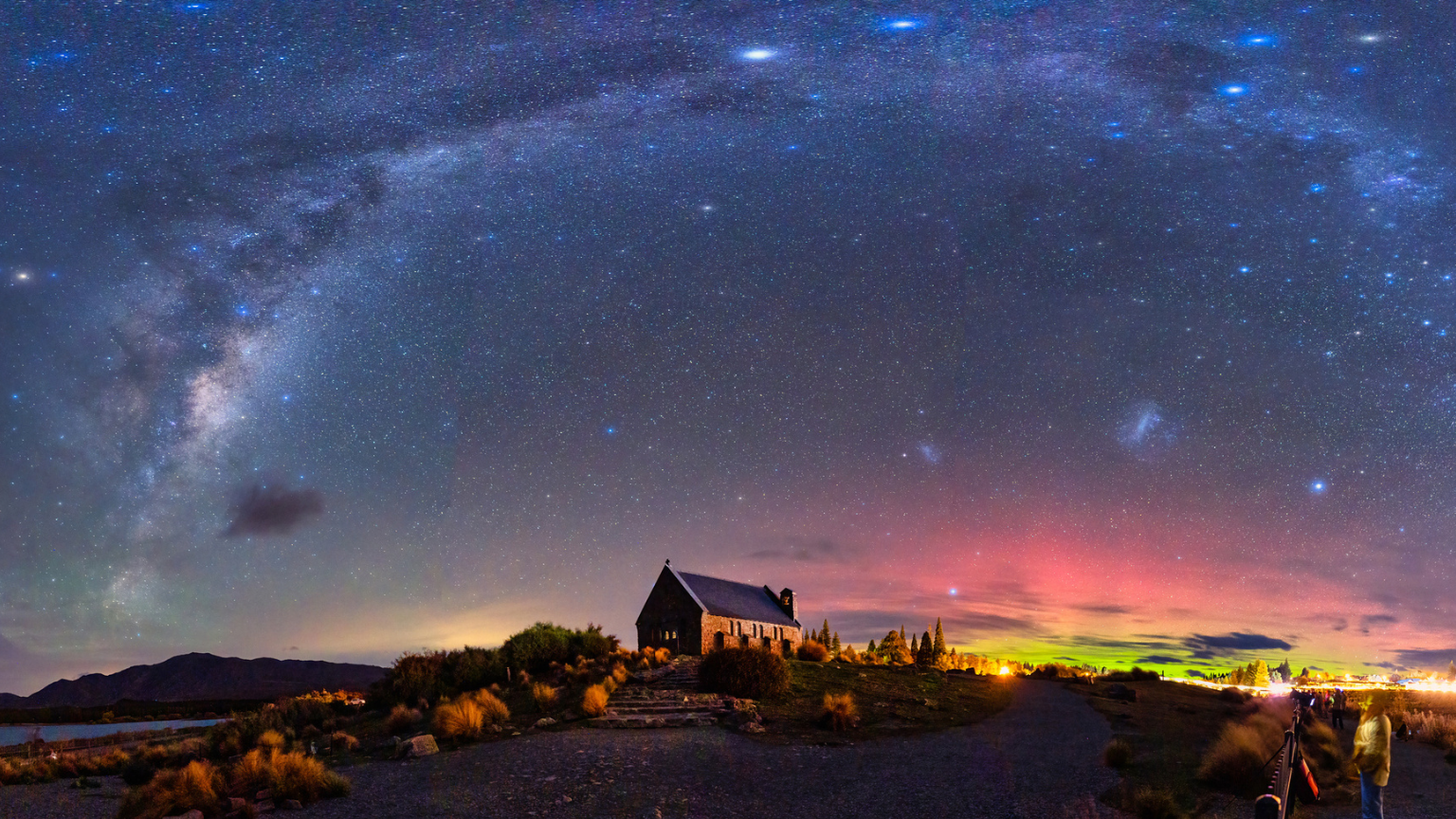

The Milky Way is still out there, bright and wild and unreal looking, but you have to earn it a little now. Light pollution keeps growing, and even places that used to be reliably dark can get washed out by new development. The good news is that 2025 data from global dark sky maps and astronomy groups still points to plenty of countries where true night is alive and well, especially in deserts, high mountains, remote islands, and protected parks. The trick is not just picking the right country, but picking the right region within it, then timing your trip around a new moon and clear weather. If you are serious about photographing the Milky Way, you also want low humidity and minimal haze, which is why deserts and high altitude spots show up again and again. Below are 15 countries where you can still step outside the tourist glow, look up, and see that milky river of stars stretching across the sky.
Chile

Chile is one of the best countries on Earth for seeing the Milky Way because the Atacama Desert combines extreme dryness with high altitude and clear skies. The Elqui Valley and the Atacama region near San Pedro de Atacama are famous for star tours, but you can still find dark pockets beyond the busiest viewpoints. In many areas, the Milky Way looks crisp enough to photograph with a basic tripod and a phone night mode, especially on a moonless night. The best viewing typically happens in the dry season when clouds are minimal and the air stays steady. Local observatories and astronomy lodges make it easy to learn what you are seeing, not just stare at it. If you want a “wow” sky with minimal effort, Chile is hard to beat.
Namibia

Namibia is a dream for stargazing, with huge open spaces, low population density, and desert landscapes that feel made for night photography. Places like the Namib Desert, Sossusvlei, and the areas around Swakopmund and the Skeleton Coast can deliver deep darkness when you get away from town lights. Many lodges intentionally design their properties for stargazing, with outdoor decks and guided night walks. The Milky Way often appears bright and structured here, not just a faint smear, because the air can be very dry and clear. Winter months are especially popular for crisp skies, but even shoulder seasons can deliver great nights. Pack warm layers, because desert nights can feel surprisingly cold once the sun drops.
Australia

Australia offers multiple world class dark sky regions, from the Outback to protected reserves and island skies. You can chase the Milky Way in places like the Red Centre near Uluru, parts of Western Australia, and many rural areas far from major coastal cities. One big advantage is that Australia’s southern skies can feel extra dramatic, with the Milky Way often appearing dense and bright. If you like structured travel, there are observatories and dark sky parks that help you time and plan your night. If you prefer DIY, renting a car and heading inland just a couple of hours can dramatically improve the sky. Bring a red light, a tripod, and patience, and you can come home with photos that look like you edited them, even if you did not.
New Zealand

New Zealand punches above its weight for stargazing because it has several protected dark sky areas and a culture that values night preservation. The Mackenzie region on the South Island is one of the best known zones, and it is famous for skies that feel almost unreal. Even if you are not an astrophotography nerd, you will notice the difference immediately when you step outside after dark. The Milky Way can be visible for long stretches of the night, and you often get a clean view thanks to the country’s low industrial haze. Winter nights can be cold but very clear, while summer gives you more comfortable viewing and longer evenings outside. Pair a stargazing night with hot springs or a lakeside cabin and it turns into an easy bucket list experience.
United States

The United States still has some of the darkest skies in the world, especially in the Southwest and parts of the Mountain West. National parks and remote deserts in states like Utah, Arizona, New Mexico, Nevada, and parts of California can deliver full Milky Way visibility when you time it right. The key is to pick a spot far from city glow and plan for a new moon, because the moon can wash everything out even in a dark place. Many parks run night sky programs, and some towns have embraced dark sky tourism with lighting rules. High altitude areas help because the air is thinner and cleaner, which improves clarity. If you want variety, you can combine Milky Way chasing with hiking, road trips, and scenic drives.
Canada

Canada is a powerhouse for dark skies, mainly because of its sheer size and huge stretches of lightly populated land. The Rockies can deliver dramatic night skies, and remote lakes and northern regions can feel completely untouched by light pollution. Some protected parks and observatories make it easy to plan a viewing night without guessing where to go. Summer offers comfortable temperatures but shorter darkness in some regions, while fall can be an ideal mix of longer nights and stable weather. If you go far enough north, you can even combine stargazing with aurora season, which makes the sky feel alive. Bring warm layers, even in warmer months, because clear night skies often come with a chill.
Iceland

Iceland is famous for the Northern Lights, but it is also a strong Milky Way destination when conditions line up. The trick here is timing, because you need long, dark nights, which means you are looking at late fall through early spring for the best darkness. Get outside of Reykjavik and away from the brighter towns, and the sky can open up quickly. Clear, crisp air can make stars look sharp, especially in rural areas and along quieter coastal stretches. If the aurora shows up, it can compete with Milky Way visibility, but that is not exactly a bad problem to have. Iceland is best for travelers who are flexible and willing to chase weather windows.
South Africa

South Africa offers excellent stargazing in semi desert regions and wide open landscapes where light pollution is low. The Karoo region is a standout, with big skies and a sense of distance that makes the night feel endless. You can also find dark conditions in parts of the interior where towns are sparse and roads stretch far. Many lodges and farms have clear viewing areas and will happily point you toward a safe spot to set up a tripod. The Milky Way can look bold here, especially in dry seasons with minimal haze. Pair a stargazing trip with wildlife viewing and you get a two in one experience that feels like pure travel magic.
Spain

Spain might not be the first country you think of for seeing the Milky Way, but it has some surprisingly dark places if you go beyond the major city hubs. The Canary Islands are a stargazer favorite, with high altitude viewpoints and protected skies that help maintain visibility. Mainland Spain also has rural and mountainous regions where you can get far from dense light pollution. Dry summer nights can be excellent for seeing the Milky Way, although heat haze can vary by region. Local astronomy tours are common in the best spots, which makes it easy to learn without bringing expert gear. If you want European travel with real night skies, Spain can absolutely deliver.
Portugal

Portugal offers better stargazing than many travelers expect, especially once you move inland where the population thins out. Rural regions in the Alentejo are known for dark skies and wide open horizons that make the Milky Way easier to spot. Coastal cities are brighter, but it does not take long to get to darker countryside if you have a rental car. Summer and early fall can be prime seasons because nights are warmer and travel logistics are easy. Many smaller towns stay quiet at night, which helps reduce local light glare. If you want a mellow trip with great food, wine, and a sky show after dinner, Portugal is an underrated pick.
Morocco

Morocco is a strong Milky Way destination because desert regions can produce deep darkness and clear conditions. The Sahara and areas near Merzouga are popular for a reason, but the best nights usually come when you get away from the busiest camps and artificial lighting. The Milky Way often looks sharp here because the air can be dry, and the horizon is wide and unobstructed. Spring and fall can be especially comfortable for overnight desert stays, with less extreme heat. Tour operators can help with safe logistics, but you can also plan independent travel if you are experienced. Few things feel more surreal than sipping mint tea under a sky full of stars in the desert.
Jordan

Jordan has a standout stargazing zone in Wadi Rum, where dramatic sandstone landscapes meet serious darkness. The desert setting creates a wide horizon, and the Milky Way can appear clearly on moonless nights, often stretching above the rock formations like a glowing ribbon. Many desert camps offer stargazing setups or at least low light environments that make it easier to see the sky. Spring and autumn are great seasons because nights are comfortable and the weather is often stable. It is also a destination where you can build a whole trip around scenery, history, and the night sky all in one. If you want Milky Way photos that look cinematic, Jordan is a great bet.
Mongolia

Mongolia offers some of the darkest skies you can find, mainly because of its low population density and wide open landscapes. In the Gobi Desert and rural steppe regions, you can get far from artificial light in a way that is hard to match elsewhere. Nights can feel unbelievably quiet, and that quiet makes the stargazing feel even more intense. The Milky Way often appears bright and full of texture, especially when the air is dry and the weather is calm. Summer travel is popular because roads and camps are more accessible, but nights can still get cold. If you want true remote sky watching and you do not mind being far from city comforts, Mongolia is unforgettable.
Greece

Greece has plenty of light in its busiest islands, but you can still see the Milky Way if you choose the right places. Smaller islands, quiet inland villages, and mountainous regions away from bright resort clusters can deliver much darker skies. The best approach is to stay somewhere with minimal street lighting and a clear view of the horizon. Summer nights are warm and comfortable for long viewing sessions, and the sea air can be clear when humidity is not too heavy. If you combine stargazing with a late dinner and a quiet beach walk, it feels like classic Mediterranean living. Greece is great for travelers who want culture and coastline without giving up the night sky entirely.
Argentina

Argentina offers multiple dark sky regions, especially in Patagonia and parts of the northwest where towns are spread out and skies stay clear. The southern landscapes can make the Milky Way feel extra dramatic, especially when you pair it with mountains, glaciers, or wide open plains. Dry, windy conditions can help clear haze, although you will want to plan around weather changes. Many remote lodges and small towns have minimal light pollution, and you can often stargaze right from where you stay. Because Argentina is so large, you can chase different sky conditions by moving between regions. It is a great country if you want epic scenery by day and an equally epic sky by night.
Botswana

Botswana is a fantastic Milky Way destination because its wilderness areas are vast and light pollution is low. In places like the Kalahari and remote safari regions, you can see stars in a way that feels almost prehistoric. Many safari camps keep lighting low on purpose, and guides are used to travelers being obsessed with the sky. The Milky Way can appear bright overhead on clear nights, and the dry season often brings strong visibility. The experience also feels unique because you might hear wildlife in the distance while you watch the sky. If you want a trip that mixes stargazing with a once in a lifetime nature experience, Botswana belongs on your list.
This article was written by Hunter and edited with AI Assistance