

Travel feels so much lighter when you are not constantly translating every menu, bus schedule, and pharmacy label just to get through the day. The good news is that in 2025, there are plenty of countries where English is not just a tourist bubble convenience, it actually works in everyday life. Think grocery runs, train stations, coworking spaces, local cafes, and even casual small talk with people who are not in the tourism industry. That said, no place is 100 percent English everywhere, and rural areas can still be a different story. The sweet spot is usually cities, university towns, and places with strong international business or media exposure. If you want destinations where you can confidently wander beyond the postcard neighborhoods, start here.
Netherlands

The Netherlands is one of the easiest places in the world to travel on English, even when you leave the big tourist corridors. In smaller cities and local neighborhoods, you will still hear English spoken naturally, especially among younger adults and in service jobs. Signage in stations, museums, and even many public notices tends to be bilingual or easy to understand at a glance. Ordering food, asking for directions, or handling train changes is usually straightforward, even if you are not in Amsterdam. Dutch people often switch to English quickly, so you rarely feel stuck mid conversation. You will get an even smoother experience if you learn a couple of basics like “hello” and “thank you,” but you will not need much more to navigate confidently.
Croatia

Croatia surprises a lot of travelers because English is not limited to the beach towns and the Old Town selfies. In Zagreb, Split, Rijeka, and other larger hubs, English works in restaurants, shops, pharmacies, and many public facing services. University culture and international tourism have helped make English feel normal in everyday settings. Once you head into quieter inland areas, you may need a little patience, but you can usually communicate the basics with clear, simple phrases. Ticket counters, tours, and transportation staff often speak enough English to help you move around. It is a great choice if you want a mix of coast and countryside without feeling like you need to stay glued to tourist infrastructure.
Austria

Austria feels polished and easy to navigate as an English speaker, especially in cities and well connected regions. Vienna is famously comfortable for travelers, but English works well in places like Salzburg, Graz, and Innsbruck too. Menus, museums, and transit systems often include English, and staff in hospitality and retail commonly speak it. Even outside the most famous areas, people tend to have strong school based English and are used to international visitors. If you like trains and regional day trips, Austria is a place where you can hop between towns without feeling anxious about communication. You will still hear mostly German in daily life, but practical travel conversations in English are usually smooth.
Germany

Germany is a strong pick for going beyond tourist zones because English is widely used in business, universities, and major transportation networks. In big cities like Berlin, Munich, Hamburg, and Frankfurt, English can feel almost effortless. What many travelers love is that even smaller cities often have enough English to cover hotels, restaurants, and basic questions. Train stations and ticket machines frequently offer English options, which makes independent travel easier. Outside cities, you may run into fewer English speakers, but you can still get by with simple requests and a translation app for specifics. If you stick to clear sentences and avoid slang, Germany tends to meet you halfway.
Norway

Norway is one of those places where English just works, and it stays true even when you leave the main tourist streets. In Oslo, Bergen, Trondheim, and smaller towns, many people speak English comfortably and do not treat it as a big deal. You can ask for help with transit, accommodations, hiking routes, and local recommendations without feeling like you are imposing. Norway’s outdoor culture also helps, since visitor information and trail guidance often include English. In restaurants and shops, staff typically handle English easily, even in quieter areas. It is still worth learning small courtesies, but Norway is a very low stress destination for independent travelers.
Portugal

Portugal has become a favorite for long stays, and English accessibility is a huge reason why. In Lisbon and Porto, English works naturally in cafes, shops, coworking spaces, and transportation. Even beyond the biggest cities, you will often find decent English in coastal towns, wine regions, and popular inland stops. Many locals have strong English from school, media, and tourism, and they are usually friendly about helping you communicate. You can handle practical needs like SIM cards, pharmacy visits, and train bookings with far less friction than you might expect. If you plan to roam, it helps to learn a few Portuguese basics, but English will carry you through most daily situations.
Denmark

Denmark is extremely comfortable for English speaking travelers, and it is not just a Copenhagen thing. English is common in everyday life, especially among younger adults and in workplaces that interact internationally. Public services, transport signage, and visitor information are often clear and easy to follow, even when Danish is the main language. Cafes, supermarkets, and local businesses typically have staff who can communicate in English without hesitation. If you head into smaller towns, the English level can vary, but basic communication still tends to be solid. Denmark is a great choice if you like exploring beyond the obvious and still want a smooth language experience.
Sweden

Sweden is another place where English feels built into daily life, especially in cities and university towns. Stockholm, Gothenburg, and Malmö are easy, but English often remains useful in smaller places too. A lot of Swedes grow up with English media and strong education, so conversations feel natural instead of forced. You can book activities, handle transit, and ask locals for suggestions without needing to stay in tourist only areas. Restaurants and shops usually accommodate English smoothly, and many menus are easy to understand even when they are not translated. You will still get a warmer response if you try a basic Swedish greeting, but it is not required to travel confidently.
Belgium

Belgium is a multilingual country, so switching languages is basically part of the culture. In Brussels, Antwerp, Ghent, and Bruges, English works well across transportation, dining, and everyday services. Because the country already operates across Dutch and French, many people are used to meeting you in the middle linguistically. English is especially common in Brussels due to international institutions and expat life. Even when you leave the tourist centers, you can often communicate in English in shops and cafes, especially with younger adults. The key here is to be polite and clear, since you may be speaking with someone juggling multiple languages all day.
Slovakia

Slovakia can be a very easy country for English once you plug into its cities and travel routes. Bratislava is comfortable, but English also shows up reliably in places like Košice and other regional hubs. You will often find English on menus, museum displays, and transportation tools, particularly where students and visitors are common. In smaller towns, English may be less consistent, but you can usually handle basics like lodging, meals, and directions. The trick is to keep your language simple and avoid fast, idiomatic speech. Slovakia is a great option if you want Central Europe charm while still feeling supported as an English speaker.
Romania

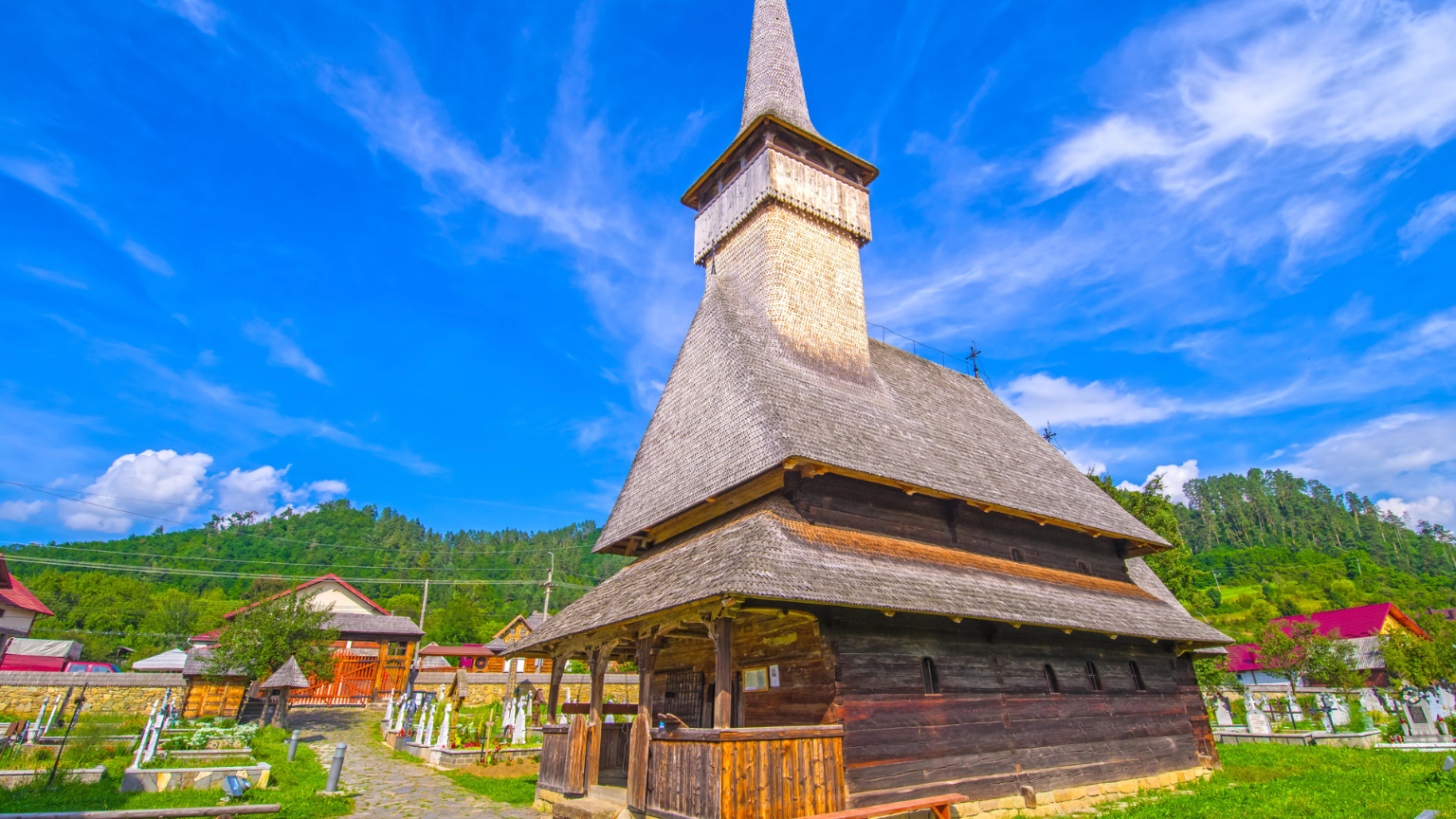
Romania is one of the best picks in Eastern Europe for traveling beyond tourist zones with English. In Bucharest, Cluj Napoca, Timișoara, and Brașov, English is common in restaurants, hotels, and many day to day interactions. Younger locals often have strong English and are happy to help, especially when you approach politely. If you go into rural areas, English can drop off, but you can still manage your trip with clear phrases and basic planning. Transportation staff and tour operators in popular regions often speak enough English to guide you. Romania rewards curious travelers, and language barriers are usually not the thing that stops you from exploring.
Finland

Finland is famously smooth for English speaking travelers, especially in Helsinki, Tampere, and Turku. English is widely spoken, and many people use it comfortably at work and in education. It is also one of the easiest places to handle practical needs in English, like buying tickets, visiting museums, or dealing with everyday errands. Even outside the capital area, you often find enough English to navigate hotels, cafes, and local transport. Finns can be more reserved in small talk, but they are generally helpful and clear when you ask a question. If you want a calm trip where communication is not a constant task, Finland delivers.
South Africa

South Africa is an excellent choice if you want a destination where English is genuinely usable beyond tourist zones. English plays a major role in business, education, and media, so it is common in everyday interactions, especially in cities. In Cape Town, Johannesburg, Durban, and many regional centers, you can handle transport, dining, shopping, and bookings in English. Because the country is multilingual, you will hear many languages around you, but English often serves as the shared option. In smaller communities, language can vary, yet you can still usually communicate essentials. It is a place where you can go deeper than the typical highlights and still feel linguistically supported.
Zimbabwe

Zimbabwe is another country where English is widely used in official and professional settings, which helps travelers move around with less stress. In Harare, Victoria Falls, and major travel corridors, English works well for hotels, tours, transport planning, and everyday needs. You will hear local languages in daily life, but English often acts as a practical bridge, especially in tourism and business. Travelers exploring parks and nature areas also benefit from English speaking guides and visitor systems. Like anywhere, smaller rural areas may require more patience, but you can usually communicate clearly with simple English. Zimbabwe is a strong option if you want an English friendly gateway to big nature experiences.
Poland

Poland is a great country for English when you travel beyond the obvious tourist zones, especially in cities and younger communities. In Warsaw, Kraków, Wrocław, Gdańsk, and Poznań, English is common in restaurants, attractions, and many everyday services. Public transport systems are increasingly traveler friendly, and you often see English options in ticket machines and major stations. In smaller towns, English levels vary, but you can still handle basics, especially if you plan lodging and transport ahead. Poles can be direct communicators, which many travelers find refreshing, because you usually get clear answers. If you want a destination that feels authentic but still manageable in English, Poland hits the balance nicely.
This article was written by Hunter and edited with AI Assistance