

When you travel internationally, it’s easy to overlook that habits you find totally normal at home might seem strange or rude elsewhere. From a firm handshake to your volume level, small cultural differences can impact how locals perceive you. Here’s a rundown of 15 typically American behaviors that could unintentionally rub people the wrong way in various countries.
Simple Gestures Aren't Always Universal

When traveling abroad, it’s important to remember that everyday actions you take for granted might not translate the same way elsewhere. For instance, a friendly handshake could make someone uneasy in Japan, while speaking with enthusiasm might draw disapproving looks in Switzerland. Knowing these subtle cultural differences helps you connect better and avoid awkward moments during your journey.
Firm Handshakes Aren't Always the Best Introduction

In the U.S., a strong handshake signals confidence and warmth. However, in countries such as Japan, China, or France, gripping hands too tightly can feel intrusive or overly forward. Often, a gentler handshake-or a bow in Japan-is the respectful choice. Adapting your greeting style based on local customs is a simple way to show cultural awareness and respect.
Tipping Isn't a Universal Practice

While tipping servers generously is common in America, in nations like Japan, South Korea, and China, it’s not customary and can actually cause discomfort. Offering tips can imply that staff aren’t adequately compensated by their employers, which may embarrass them. Before you travel, research local tipping norms-often, a sincere smile or thank you is the best way to express gratitude.
Direct Eye Contact Can Be Misinterpreted

Americans tend to maintain steady eye contact during conversations as a sign of honesty and engagement. However, in cultures like Japan and South Korea, prolonged eye contact can be interpreted as confrontational or disrespectful, especially towards elders or superiors. Instead, a softer gaze with occasional glances away is preferred to convey politeness and humility.
Use Formal Titles Until Invited to Do Otherwise

Jumping straight to first names is common in the U.S. to express friendliness, but in countries like Germany, France, and Russia, it might be seen as too familiar or rude. People usually stick to formal salutations using last names in professional or initial meetings. Wait until someone offers to switch to first names before making the change.
Speaking Loudly May Be Seen as Disruptive

Many Americans aren’t shy about raising their voices in public spaces, but in places like Japan, Switzerland, or Spain, speaking loudly can be considered impolite or annoying. Keeping your volume moderate in restaurants, public transport, or other shared environments shows respect for those around you and helps you blend in more smoothly.
Left-Handed Gestures Can Offend in Some Cultures

In parts of Africa, the Middle East, and Asia, using the left hand for giving or receiving items, or even eating, is viewed as impolite because the left hand is thought to be unclean. Even if you’re left-handed, it’s courteous to use your right hand for these actions to show awareness and respect for local traditions.
Avoid Personal Questions Early On

In casual American chats, it’s normal to ask about someone’s job, family, or relationship status quickly. But in countries like France and Germany, such inquiries can feel intrusive or overly familiar. Sticking to neutral topics like the weather, food, or travel experiences is a safer way to build rapport without making others uncomfortable.
Remove Your Shoes When Entering Homes

Wearing shoes inside is routine in the U.S., but in countries like Japan, South Korea, and Turkey, it’s customary to take them off upon entering someone’s house. This tradition helps keep homes clean and shows respect. If you’re uncertain, simply observe what your hosts do or ask-they usually have a designated spot for shoes by the door.
Overusing Superlatives Can Seem Excessive

Americans often describe things as the “best,” “greatest,” or “amazing,” which is part of their enthusiastic communication style. However, in more modest cultures like France and Italy, this can be perceived as bragging or exaggeration. It’s better to share specific reasons why you enjoyed something rather than just labeling it with superlatives.
Smiling at Strangers Isn’t Always Expected

In the U.S., smiling at people you don’t know is a common way to show friendliness. But in more reserved societies like Russia or South Korea, such smiles toward strangers can come across as insincere or strange. Instead, a simple nod or polite greeting is usually sufficient when interacting with unfamiliar people.
Frequent ‘How Are You?’ Can Feel Superficial

In America, asking “How are you?” is a routine way to greet people, often without expecting a genuine reply. However, in countries like France and Germany, this can seem insincere or dismissive unless you genuinely want to know how someone is doing. More thoughtful questions can make your conversations feel authentic and appreciated.
Public Affection May Not Be Welcomed Everywhere

Showing affection publicly-holding hands, quick kisses-is commonplace in the U.S. Yet in more conservative societies such as parts of the Middle East, India, or Southeast Asia, such displays can be viewed as disrespectful or inappropriate. When visiting these regions, it’s best to keep intimate moments private to respect local customs.
Relaxing the Rush: Embrace a Slower Pace

Americans are known for valuing convenience, with drive-thrus and fast service everywhere. But in countries like Italy and Spain, life moves at a more leisurely rhythm, especially when dining or receiving services. Instead of rushing, try to savor the experience and enjoy the local pace-it’s part of the cultural charm.
Personal Space Expectations Vary Widely

In the U.S., most people prefer maintaining a comfortable bubble around them. However, in warmer cultures like Brazil, Italy, or Mexico, standing closer during conversations is normal and seen as friendly. Conversely, in more reserved places like Scandinavia, people value more distance. Understanding these differences helps you avoid misunderstandings and connect better.
Cutting in Line Is a Big No-No
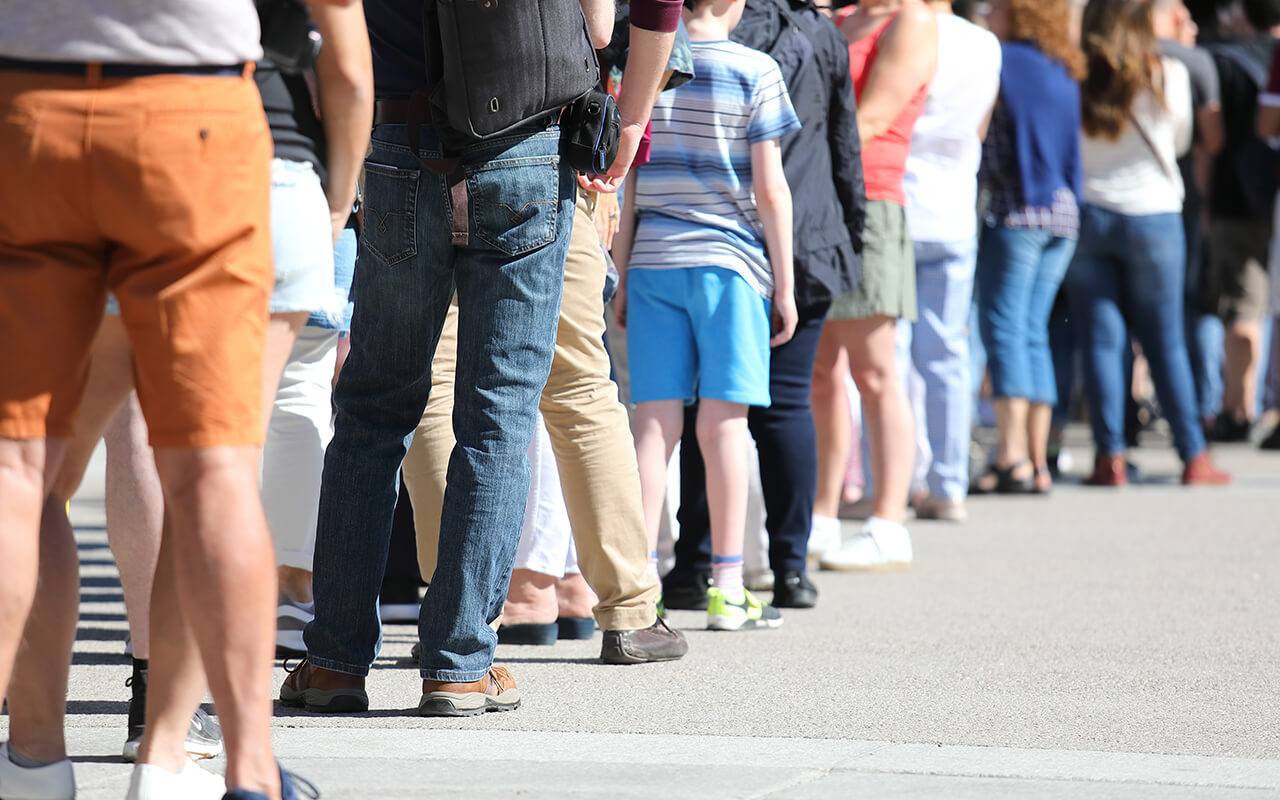
Jumping ahead in queues might go unnoticed or be tolerated in the U.S., but in countries like the UK, Japan, and Australia, this behavior is considered rude and disrespectful. Always be patient and wait your turn. If you’re unsure where the line begins, quietly observe locals and follow their lead to avoid awkwardness.
Wrapping Up: Respect and Awareness Enhance Every Trip
Traveling is a chance to learn about new cultures and form meaningful connections worldwide. Although some American habits feel natural at home, adapting your behavior abroad shows respect and opens doors to richer experiences. Have you ever had a cultural misunderstanding while traveling? Share your story below, and for more insider travel tips, follow TravelReveal and explore our website for everything you need to know before your next adventure.
This article was written by Hunter and edited with AI assistance. The Daily Dive travel desk uses AI-assisted visuals and content that were reviewed and approved by our editors prior to publication.