
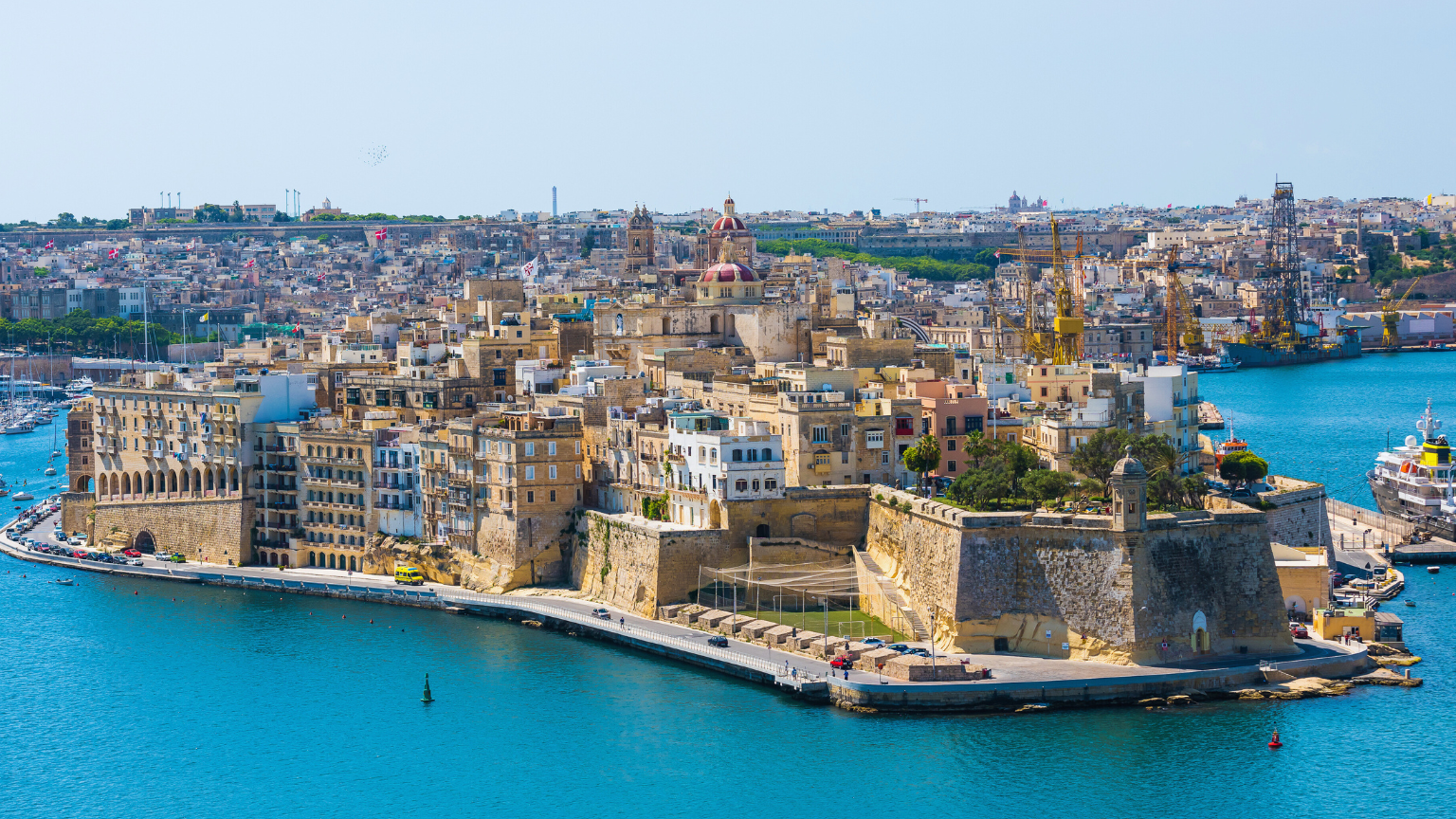

Wandering through an old town that's brimming with history yet free from the usual tourist frenzy is like finding a hidden gem in a sea of travel clichés. These 15 cities offer just that, with their walkable old towns that are more about genuine experiences than souvenir shops. Here, the streets tell stories, the buildings hold secrets, and the local vibe is as authentic as it gets. Let's take a stroll through history without the hassle of dodging selfie sticks at every corner.
1. Ghent, Belgium (A medieval masterpiece minus the crowds)

Ghent's old town is a spectacular blend of medieval architecture, vibrant street life, and serene canal views, all without the overwhelming throngs of tourists found in more famous Belgian cities. Wander along the cobblestone streets, and you'll find yourself gazing up at the imposing Gravensteen Castle, or perhaps enjoying a quiet moment by the scenic Graslei harbor. Unlike its more famous counterparts, Ghent has managed to preserve its authentic charm, making it a perfect spot for those seeking both history and tranquility. The city's dedication to preserving its past while catering to a laid-back, local lifestyle makes it a hidden gem. Plus, the chocolate here is just as divine, without the queues!
2. Lübeck, Germany (Marzipan magic in a UNESCO wonder)

Lübeck's old town, with its UNESCO World Heritage status, is a marvel of Brick Gothic architecture and a testament to the city's rich Hanseatic League history. This northern German city is famed not just for its historical significance but also for being the home of marzipan, a treat that has been perfected here over centuries. Stroll the narrow streets and you'll find yourself amidst buildings that feel steeped in tales of yore, without the commercial sheen that taints many historic destinations. The Holsten Gate, with its imposing presence, welcomes visitors into a world where the past is palpably alive and well. And the best part? You can savor the world's finest marzipan without battling tourist crowds.
3. York, England (A ghostly adventure in historical streets)

In York, the past doesn't just whisper; it echoes down the Shambles, one of the best-preserved medieval streets in the world. Unlike other tourist-centric old towns, York offers a unique blend of history, with Roman walls and Viking heritage coexisting seamlessly with quaint tea rooms and boutiques. Ghost tours here are more than just a gimmick; they're a captivating way to experience the city's rich history and folklore, all with a genuine sense of discovery. The absence of large tour groups makes each step through this ancient city feel like a personal journey back in time. Plus, the locals' pride in their city's heritage ensures that York's old town remains a treasure trove of genuine experiences.
4. Cuenca, Spain (Hanging houses over a gorge)

Perched dramatically on a cliffside, Cuenca's old town offers breathtaking views of the Huécar gorge, making it a spectacular, yet surprisingly serene, destination. The famous "hanging houses" seem to defy gravity, jutting out over the abyss, providing a sight that's both thrilling and beautiful. Walking its narrow, winding streets feels like a step back into a quieter, more reflective time, far removed from the hustle of modern tourist hotspots. Cuenca is not just a feast for the eyes; it's a place where history and art coalesce, evident in its many museums and galleries. This city captures the essence of Spain's rich cultural tapestry, away from the well-trodden path.
5. Sibiu, Romania (Eyes on you from rooftops)

Sibiu, with its unique "eyes" peering from the rooftops, offers an old town experience that's as enchanting as it is eerie. This Transylvanian gem, once a major Saxon trade hub, perfectly balances its medieval charm with a vibrant cultural scene, making it a must-visit for those in search of authenticity. The large and lesser squares pulse with life, hosting markets, festivals, and performances, yet they never feel overrun by tourists. Walking through Sibiu is like exploring a living museum, where every corner and cobblestone has a story to tell. And the view from the Council Tower offers a panoramic glimpse into a past that's beautifully preserved.
6. Kotor, Montenegro (A maze of history with a feline twist)

Kotor's old town is a marvel of medieval architecture, set against the stunning backdrop of Montenegro's mountains and Bay of Kotor. It's a labyrinth of narrow streets and squares, all enclosed within well-preserved walls that have protected the city for centuries. What sets Kotor apart is not just its dramatic scenery but its affection for cats, which are celebrated with a museum and roam freely, adding a quirky charm. Unlike more popular coastal towns, Kotor retains a laid-back atmosphere, where history and nature converge seamlessly. Climbing the fortress offers not only a history lesson but breathtaking views, minus the selfie stick brigade.
7. Split, Croatia (Diocletian's Palace alive with local life)

Split's heart beats within the ancient walls of Diocletian's Palace, a Roman emperor's retirement home that has morphed into the city's vibrant epicenter. This UNESCO World Heritage site is unique because it's not a museum or a cordoned-off area; it's a living, breathing part of the city. Locals go about their daily lives among millennia-old ruins, giving visitors a rare glimpse into history seamlessly integrated with modernity. Cafes, shops, and homes fill the old Roman buildings and courtyards, creating a lively atmosphere that feels genuinely Croatian. The palace's labyrinthine layout ensures that, even in a city as popular as Split, one can still find quiet corners and hidden gems.
8. Bruges, Belgium (Canal-side charm without the chaos)

Bruges is like a fairy-tale come to life, with its picturesque canals, historic belfry, and cobbled lanes, yet it manages to avoid the frenetic pace of other tourist-favored cities. This old town invites leisurely exploration, with more than enough chocolate shops and breweries to delight without overwhelming. The Minnewater Lake offers a tranquil spot for reflection, away from any potential crowds. Bruges at dawn or dusk is particularly magical, as the soft light enhances the timeless beauty of its buildings and waterways. It's a place where one can indulge in the beauty of Belgium's history and culture at a pace that feels just right.
9. Český Krumlov, Czech Republic (A Renaissance wonder on a river bend)

Český Krumlov seems untouched by time, with its stunning castle perched above a meandering river that reflects the town's medieval and Renaissance buildings. This UNESCO site is compact enough to explore on foot but rich in history and architectural beauty, making every turn a new discovery. Unlike some historic destinations that feel like walking through a postcard, Český Krumlov's charm is amplified by its genuine atmosphere and absence of overwhelming tourist numbers. The town's commitment to preserving its heritage while embracing the present ensures a visit here feels both educational and refreshingly authentic. And the river, with its lazy curves, offers a different perspective on this gorgeous town, inviting exploration by raft or canoe.
10. George Town, Malaysia (A cultural mosaic on Penang Island)

George Town, the vibrant capital of Penang Island, is a UNESCO World Heritage site that's as eclectic as it is historic. The old town is a tapestry of colonial architecture, traditional shophouses, and street art that tells the story of the city's multicultural heritage. Food is a big deal here, with the aroma of Malay, Chinese, and Indian cuisine mingling in the air, reflecting George Town's diverse community. Walking its streets, one encounters a living museum where history and modernity coexist in harmony. The absence of overwhelming tourist crowds means you can enjoy George Town's charms, from its unique architecture to its legendary street food, at your own pace.
11. Antigua Guatemala, Guatemala (Colonial beauty amidst volcanoes)

Antigua Guatemala, nestled between volcanoes, is a colonial jewel that boasts well-preserved Spanish Baroque architecture and stunning ruins. Its cobblestone streets lead to colorful buildings, vibrant markets, and quaint cafes that offer a taste of local life. Despite its popularity, Antigua remains a place where you can appreciate the splendor of its churches and plazas without elbowing through crowds. The city's beauty is matched by its dramatic setting, offering views of the Volcán de Agua that are simply breathtaking. Antigua's blend of natural beauty and architectural wonders makes it a must-visit for those seeking an immersive historical experience without the commercial overkill.
12. Lviv, Ukraine (A literary haven with European flair)

Lviv's old town, a UNESCO World Heritage site, is a testament to the city's rich history and cultural diversity. With its European charm and a plethora of coffee houses and bookshops, Lviv invites visitors to slow down and soak in the ambiance. Unlike other historic cities, Lviv has a vibrant literary scene, with festivals and readings that reflect its status as a cultural capital. The absence of large tourist groups adds to the city's allure, allowing for genuine interactions with locals and an authentic experience of its heritage. Lviv proves that history can be engaging and accessible, with its blend of architecture, culture, and a strong sense of community.
13. Fez, Morocco (A medieval marvel in North Africa)

Fez's medina, a UNESCO World Heritage site, is a labyrinthine wonder, home to the world's oldest university and a thriving traditional leather tanning industry. Unlike more commercialized Moroccan destinations, Fez offers an unvarnished look at the country's medieval past. The city's narrow streets, lined with vendors selling everything from spices to intricate textiles, offer a sensory overload that's genuinely captivating. There's a palpable sense of history here, with every turn revealing centuries-old mosques, madrasas, and fondouks. Fez stands out as a destination for those who want to immerse themselves in authentic Moroccan culture, away from the usual tourist traps.
14. Tallinn, Estonia (Digital innovation meets medieval charm)

Tallinn's old town, a UNESCO World Heritage site, is a delightful mix of medieval architecture and digital modernity, reflecting Estonia's status as one of the world's most technologically advanced countries. The city's ancient walls and cobblestone streets are juxtaposed with the vibrant tech scene and youthful energy. Tallinn is unique in how it embraces its past while leading the way in e-governance and digital innovation. Visitors can enjoy free Wi-Fi while exploring historic sites, a testament to the city's blend of old and new. This combination of medieval charm and forward-thinking makes Tallinn a fascinating place to explore, without the crush of tourists found elsewhere.
15. Valletta, Malta (A sun-drenched Baroque masterpiece)

Valletta, Europe's smallest capital, is a fortified city built by the Knights of St. John, brimming with Baroque architecture, ancient fortifications, and sun-drenched streets. This UNESCO World Heritage site is compact enough to explore on foot, offering an intimate glimpse into Malta's storied past. Unlike more crowded Mediterranean destinations, Valletta remains relatively untouched by mass tourism, allowing for a more relaxed exploration of its many treasures. The city's unique blend of history, art, and stunning Mediterranean views makes it a hidden gem. Valletta's charm lies in its ability to transport visitors back in time while providing all the comforts of a modern European capital.
This article was written by Hunter and edited with AI Assistance