

Some cities have great museums. Others feel like the museum is the city itself. In these places, you do not have to pass through a ticket gate to feel surrounded by history and art. Every alley, plaza, rooftop and market seems to tell a story, and simply walking around becomes the main attraction. If you like the idea of stepping into a living gallery where people still work, shop and chat under centuries old facades, these cities deserve a spot on your list.
Rome, Italy

In Rome, the ruins are not tucked away behind glass cases. They are scattered right between bus stops, cafés and apartment blocks. You can stand at a crosswalk with the Colosseum looming at one end of the street and a bar serving espresso at the other. Around every corner there is something that looks like it belongs in a textbook, from crumbling aqueducts to ornate baroque churches. Neighborhoods like Trastevere and the Jewish Quarter feel like stage sets, with faded shutters, laundry on lines and cobblestones polished by millions of footsteps. Even small details such as fountains, street shrines and fragments of carved stone in walls make the city feel like one huge open air collection. You could spend days here without ever stepping inside a formal museum and still feel like you have been walking through history the whole time.
Kyoto, Japan

Kyoto feels like a city built on layers of time. Wooden machiya townhouses line narrow lanes, and behind many sliding doors you find tiny shops, tea houses and family restaurants that have been running for generations. In districts like Gion and Higashiyama you can walk past tiled roofs, stone lanterns and quiet shrines that seem untouched by the modern city around them. Temple complexes such as Kiyomizu dera and Nanzen ji spread across hillsides, with gates, pagodas and moss covered gardens that reward slow wandering. In autumn and spring, seasonal colors turn whole neighborhoods into living paintings, with maple leaves and cherry blossoms framing old stone steps and riverside paths. It is the kind of place where simply turning onto a side street can lead to a pocket sized shrine or a tiny cemetery that feels as curated as any gallery. The fact that people still live ordinary lives in these streets only adds to the sense that you are walking through a carefully preserved yet very real exhibit.
Prague, Czech Republic

Prague’s old town looks almost too perfect from a distance. Red rooftops, Gothic spires and baroque domes all seem arranged for maximum drama when you view them from the castle hill. Once you start exploring on foot, the city feels like a maze of scenes from different chapters of European art history. Old Town Square alone brings together a medieval clock, pastel facades and looming church towers in a way that feels staged yet completely authentic. Cross the Charles Bridge and you are literally walking on a historic monument, surrounded by statues while artists and musicians treat the space like their own outdoor studio. In Malá Strana and Hradčany, steep lanes twist between palaces, gardens and hidden courtyards where you can peek through gates at painted ceilings and carved stone. Even simple walks along the river reveal more detail, from ornate railings to sculpted building fronts that would be the centerpiece in many other cities. Prague is one of those places where you find yourself looking up so much that you almost forget to watch where you are going.
Florence, Italy

Florence feels like someone tipped over a Renaissance museum and let all the art spill into the streets. The Duomo rises over the city with its patterned marble and massive dome, and you can spend a full hour just walking around it and studying the details. Piazza della Signoria functions as an outdoor sculpture hall, with copies of famous works and original pieces displayed in the open air under the Loggia dei Lanzi. The Arno River, with its stone bridges and the famous Ponte Vecchio lined with gold shops, looks like a painted backdrop at almost any time of day. Even when you step away from the main sights into quieter streets, you find carved coats of arms, fresco fragments and elegant courtyards hiding behind simple doors. Craftsmen still work in small workshops, fashion students sketch on corners and local shoppers slip through spaces that feel as carefully designed as any gallery. Florence is a reminder that a city itself can be the best museum, especially when you slow down and take in the textures and colors that surround you.
Lisbon, Portugal

Lisbon’s hills, trams and tiled facades turn the whole city into a kind of open air design showroom. From the moment you see the yellow trams clattering through narrow streets, you realise the city treats everyday public transport as part of its aesthetic. Traditional azulejo tiles cover building fronts, staircase walls and even small neighborhood fountains, often with intricate patterns or maritime scenes. In districts like Alfama and Mouraria, steep alleys twist past whitewashed houses decorated with flower pots, laundry and the occasional splash of street art. Miradouros, or viewpoints, dot the hilltops and give you sweeping views over red roofs and the glittering Tagus River, framed by church towers and the distant bridge. Down by the waterfront, grand plazas and arcaded buildings show another side of Lisbon’s open air collection, one shaped by centuries of trade and empire. You can easily spend full days wandering with a camera or sketchbook and feel like you have barely scratched the surface of what the city has put on display.
Dubrovnik, Croatia

Dubrovnik’s old town is a walled stage that feels ready for a historical film at any moment. The stone ramparts encircle terracotta roofs, narrow lanes and polished marble streets that shine in the sun like a carefully maintained plaza. Walking the walls is like taking a tour through a living exhibition of medieval and renaissance fortifications, complete with towers, gates and dramatic views over the Adriatic Sea. Inside the walls, every corner seems to have a sculpted doorway, carved crest or quiet cloister that adds another layer to the city’s visual story. Even the laundry lines and café chairs look like props arranged by a set designer who loves texture and color. At night, warm light from lanterns and restaurant terraces gives the stone an almost golden glow, making the streets feel even more like an open air gallery. Despite the crowds at peak times, it is still easy to slip into side alleys and find spots where the only sounds are footsteps and distant waves.
Cartagena, Colombia

Cartagena’s walled old town is one of the most vibrant open air galleries in the Americas. Brightly painted colonial houses in shades of turquoise, gold, pink and blue line streets that curve around plazas and churches. Wooden balconies overflow with bougainvillea, and heavy doors with brass knockers look like they were designed as art pieces in their own right. Walking through the old town and neighboring Getsemaní, you move from centuries old facades to bold modern murals and street art that pull contemporary life into the historic setting. Plazas fill with fruit vendors in colorful dresses, musicians and children playing, which makes the whole scene feel like a living canvas rather than a preserved set. The city walls and fortifications still frame the sea and sky, adding another layer of texture when the light changes at sunset. In Cartagena, history, color and daily life all compete for your attention at the same time, which is exactly what makes it feel like a museum without walls.
Vienna, Austria

Vienna feels like a city that never stopped commissioning grand architecture. The Ringstrasse alone is a parade of monumental buildings, from the opera house and museums to the Parliament and City Hall. You can stroll along wide sidewalks and feel like you are walking through a sequence of carefully designed exhibits that showcase different eras of European style. In the historic center, ornate façades with sculpted figures, columns and balconies appear even on ordinary apartment buildings. Palaces like Schönbrunn and the Belvedere extend the open air museum experience into formal gardens, where fountains, statues and long tree lined avenues invite slow looping walks. Coffeehouses with marble tables and chandeliers feel like interior galleries where the art is conversation, pastry and ritual rather than paintings. Vienna’s beauty is not subtle, but it is consistent, and that is what makes simply wandering its streets feel like a curated experience.
Granada, Spain

Granada sits at the meeting point of different cultures, and you can see that blend in almost every block. The Alhambra palace complex, with its courtyards, carved plaster and tile work, is the clearest example of an outdoor gallery where Islamic art and architecture are on full display. Even if you only view it from below, the way it crowns the hill gives the whole city a dramatic backdrop. In the Albaicín district, white houses line narrow, climbing streets that open unexpectedly onto miradors with views over the city and the Sierra Nevada. Stone paving, small fountains and views of the Alhambra make some of these squares feel like outdoor rooms designed for quiet contemplation. Modern street life adds another layer, with tapas bars, tea houses and flamenco venues slotting into old buildings. Granada is compact enough that you can walk almost everywhere, which makes it easy to treat the whole city as a series of connected exhibits rather than separate sights.
Istanbul, Türkiye

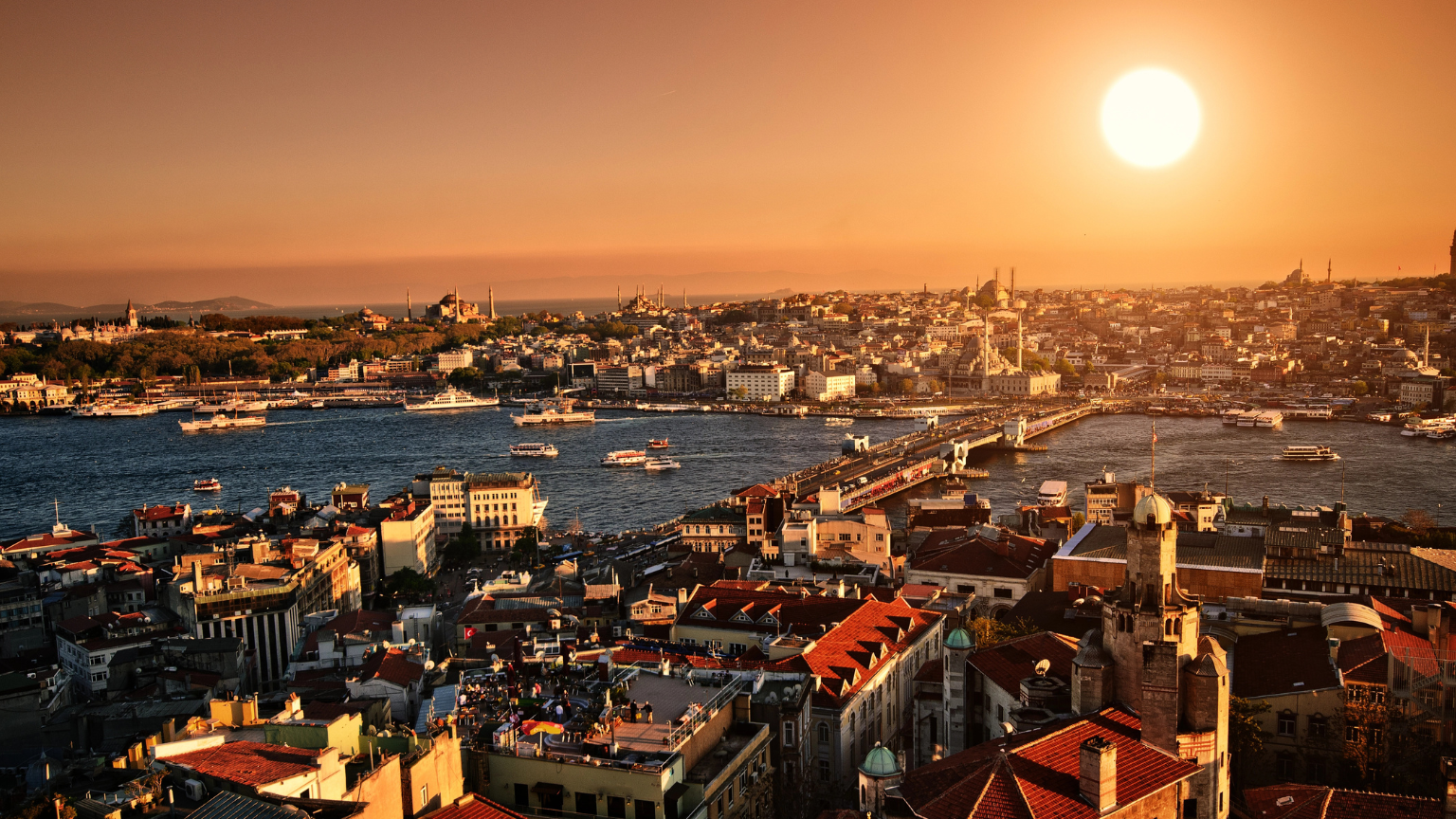
Istanbul spans continents and centuries, and you feel that breadth as soon as you step outside. Massive mosques such as the Blue Mosque and Suleymaniye dominate the skyline, with their domes and minarets creating silhouettes that would not look out of place in a museum model. In older districts like Sultanahmet and Fatih, cobbled streets wind between timber houses, stone fountains and historic hammams that still function as part of daily life. The Grand Bazaar and surrounding markets feel like sprawling, living displays of textiles, ceramics, metalwork and jewelry, each stall its own small exhibit. Down by the water, ferries glide across the Bosphorus past palaces and fortresses that look like they were positioned intentionally for maximum impact. Even the simple act of taking a commuter ferry can feel like joining a moving gallery tour, with new angles on the city appearing every few minutes. Istanbul is crowded and chaotic, but all of that energy plays out against a visual backdrop that never stops reminding you how old and layered the place really is.
Hoi An, Vietnam

Hoi An’s old town is one of the most atmospheric open air museums in Southeast Asia. Low, yellow painted shop houses with dark wooden beams and tiled roofs line streets that are closed to most traffic in the evening. Lanterns hang across alleys and above riverside cafés, casting warm colored light that makes even simple doorways look like pieces of art. Many of the buildings function as tailor shops, cafés and small galleries, so you move through living spaces rather than static displays. Wooden assembly halls, historic homes and temples open their doors during the day, letting you wander through courtyards and rooms filled with carvings, altars and ancestral portraits. Down by the river, old boats, simple bridges and nightly lantern floating rituals turn the whole waterfront into a soft, glowing scene. It is one of those towns where you can walk the same streets at different times of day and feel like you are seeing new details in the exhibit each time.
San Miguel de Allende, Mexico

San Miguel de Allende feels like the world’s most charming color study. Colonial era buildings in shades of terracotta, mustard, soft pink and blue line streets paved with irregular stones. The neo Gothic spires of the Parroquia de San Miguel Arcángel rise above the main square, giving the town a focal point that looks like something from a fantasy illustration. Art galleries, studios and design shops fill many of the historic spaces, which makes browsing feel like walking through a curated corridor of local and international creativity. Rooftop terraces reveal a patchwork of domes, towers and rooftops that glow at sunset in a way that seems almost staged. Musicians, parades and seasonal festivals bring in sound and motion, turning plazas into lively performance spaces framed by carefully aged stone and stucco. For travelers who love photography, sketching or simply sitting and soaking in visual details, San Miguel feels like it was built to be an outdoor art book.
Marrakech, Morocco

Marrakech is chaotic, fragrant and crowded, but it is also one of the most visually rich cities you can wander. The old medina is a maze of alleys lined with high, earth toned walls that occasionally open into riads filled with tile work, carved plaster and lush courtyards. Souks display textiles, lanterns, ceramics and leather goods in dense, colorful arrangements that rival any museum of decorative arts. Jemaa el Fnaa square changes character throughout the day, functioning like a constantly shifting performance space with food stalls, musicians and storytellers. Nearby, historic madrasas and palaces offer more formal examples of Moroccan design, with zellij tile patterns and cedar ceilings that invite you to linger and decode their geometry. Even outside the medina, newer parts of the city feature gardens, fountains and cafe terraces that continue the visual theme. Marrakech may overwhelm some senses, but for anyone who loves design and pattern, it is an outdoor gallery that never stops.
Bruges, Belgium

Bruges looks like someone carefully preserved a medieval trading town and then decided to turn the whole thing into a walkable exhibit. Narrow streets and canals wind between red brick houses, stepped gables and modest squares that feel like they have changed very little in centuries. The Belfry rises above the main market square, and climbing it gives you a bird’s eye view of the tidy street layout and rooftops. Along the canals, stone bridges and overhanging facades create picture perfect reflections that photographers chase from morning to evening. Horse drawn carriages and gently moving boats add motion to a scene that might otherwise feel almost too still. Small details, such as statues on corners, decorative ironwork and carved stone around doorways, give the city extra texture when you slow down to notice them. In Bruges, simply following the water and listening to church bells can feel like participating in a carefully orchestrated open air cultural experience.
Cusco, Peru

Cusco’s streets rest on layers of Inca and colonial history, and you can literally see those layers in the walls. In the historic center, finely cut Inca stone foundations support Spanish era buildings, and the precision of the ancient masonry turns simple street corners into exhibits. Plaza de Armas acts as the main gallery space, with arcaded walkways, balconies and churches framing a square where daily life plays out in full view. Climb to neighborhoods like San Blas and you find narrow streets, artisans at work and viewpoints that let you take in the whole city spread across the hills. Markets, from the more polished San Pedro to smaller neighborhood versions, are full of textiles, pottery and food displays that feel as visually rich as any curated collection. Outside the city, nearby ruins such as Sacsayhuamán extend the open air museum into the surrounding landscape, with stone terraces and walls that blend into the hills. Cusco feels like a place where the museum and the city never quite separate, and exploring it on foot is the best way to understand that connection.
This article was written by Hunter and edited with AI Assistance