

Everywhere you go in the United States, you find postcard perfect towns that seem almost too charming to be real. For years, they were the kind of places people stumbled into on a road trip and never forgot. In 2025, many of those same towns are struggling with a different story. Short term rentals have replaced neighbors, traffic jams stretch through tiny main streets, and locals say they no longer recognize the places they grew up in. Tourism still pays the bills, but it also pushes out workers, clogs trails, and turns everyday life into something that feels more like working in a theme park.
These towns are still beautiful. They are still worth visiting if you go with respect and a light footprint. But if you listen to the people who live there, you will hear a common refrain. The town did not just get busy. Somewhere along the line, it lost a bit of its soul.
Sedona, Arizona

Sedona’s red rock landscapes and spiritual vibe draw millions of visitors a year to a town of under ten thousand people. That crush of tourism shows up in gridlocked roads, packed trailheads, and scenic pullouts lined with cars. Locals say the real breaking point has been the boom in short term rentals. Many homes that once held year round residents now sit empty for part of the year and fill up only when visitors arrive. Teachers, restaurant workers, and retail staff increasingly commute from cheaper communities down the road. Longtime residents complain that Sedona feels less like an artist town and more like a vacation product. The views are still spectacular, but many locals feel the sense of community has been priced out.
Jackson, Wyoming

Jackson sits in one of the most dramatic mountain valleys in the country, framed by the Tetons and surrounded by national parks. That scenery, combined with no state income tax, has turned it into a magnet for billionaires, second homeowners, and luxury developments. Housing costs have soared to the point where even people who would be considered wealthy elsewhere struggle to buy a modest home here. Service workers, teachers, and even some doctors and professionals now live in distant towns and crawl over mountain passes each day just to get to work. The line between resort guests and local residents has blurred, and many year round workers say they feel like extras in someone else’s ski vacation. Jackson still has cowboy bars and genuine Western culture, but locals describe it as a place where money speaks louder than community.
Gatlinburg, Tennessee

Gatlinburg used to feel like a small mountain gateway to Great Smoky Mountains National Park. Today it is one of the top tourist destinations in Tennessee, with a tiny permanent population and millions of visitors flowing through every year. Traffic crawls up and down the main strip, and sidewalks are often shoulder to shoulder, especially on weekends and holidays. Moonshine tastings, wax museums, and neon attractions now dominate downtown, crowding out older family businesses that gave the town its original character. Locals say it is hard to pop out for groceries or appointments without feeling like they are trapped in vacation land. Many have quietly moved to quieter communities in the Smokies, leaving Gatlinburg to the crowds. The mountains are still stunning, but finding the old small town feeling now takes effort.
Bar Harbor, Maine

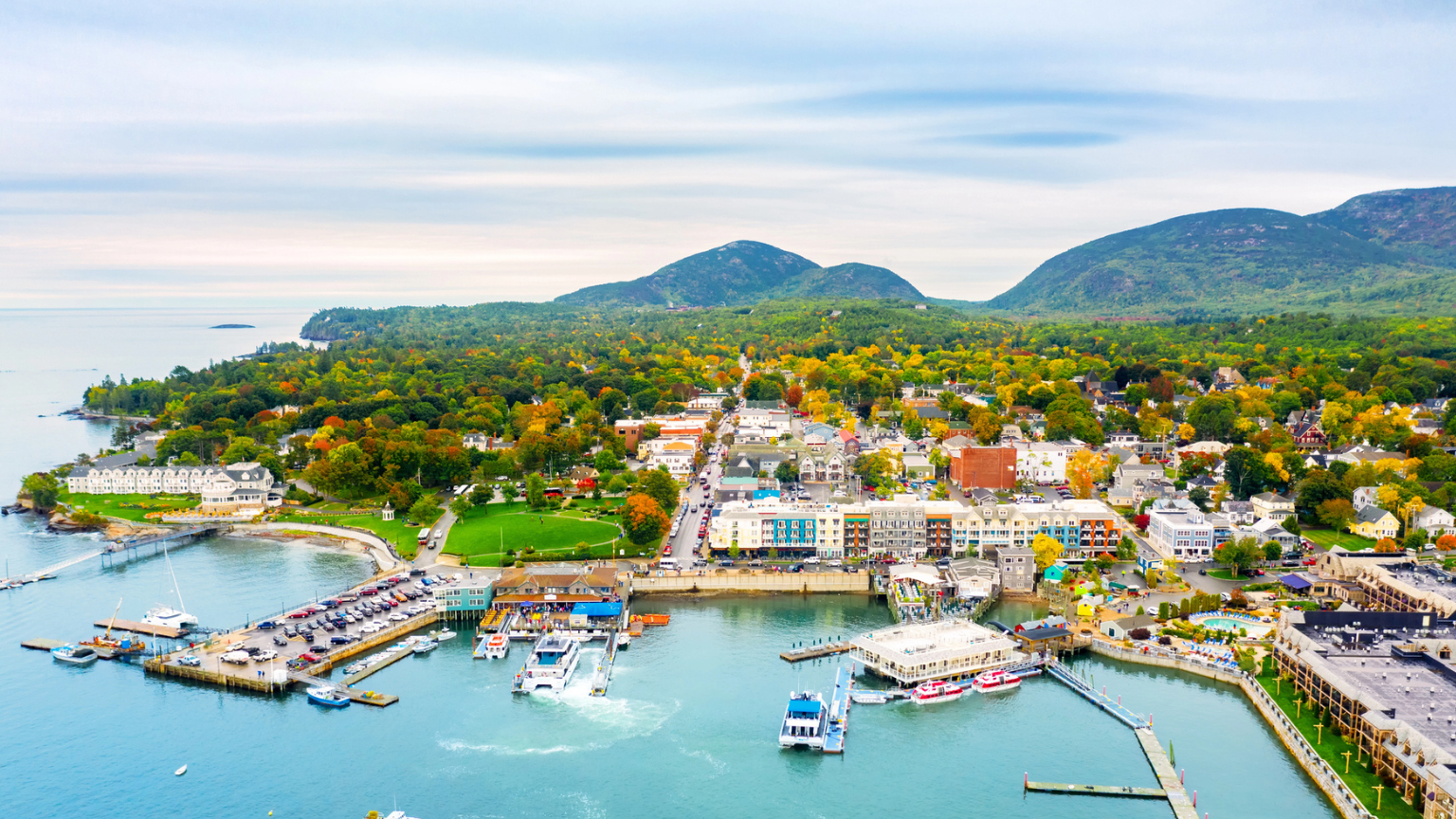
Bar Harbor has always been busy in summer, thanks to its harbor views and proximity to Acadia National Park. Over the last decade, though, cruise ships turned the town into a regular stop for thousands of passengers at a time. Residents complained about narrow streets jammed with day trippers, long lines for basic services, and a downtown that felt more like a cruise port than a coastal village. Voters eventually backed strict limits on cruise passengers, sparking legal battles that dragged on for years. Even as ship calls drop, the scars of overtourism remain. Many seasonal rentals now cater to wealthy visitors instead of seasonal workers, and small businesses that once served locals now focus on quick sales to people rushing back to their ships or tour buses. The harbor is as beautiful as ever, but the community is still trying to reclaim a sense of balance.
Moab, Utah

Moab was once a quiet desert town for river runners, climbers, and national park rangers. Now it is one of the most visited outdoor hubs in the country, hosting millions of people who use it as a base for Arches and Canyonlands National Parks. Hotel rows and vacation rentals have spread across the valley, and limited private land has helped push housing costs to painful levels for local workers. Many homes are owned by people who live elsewhere and sit empty for much of the year. Residents are deeply divided over new developments proposed along the Colorado River, with some arguing Moab needs more housing and others fearing it will erase the last bits of wildness near town. Restaurants and outfitters still rely heavily on visitor dollars, but many locals say they no longer recognize the laid back community they moved to.
South Lake Tahoe, California

South Lake Tahoe is ringed by fir trees, snowy peaks, and a lake that once seemed impossibly clear and blue. In reality, the town sits at the center of a long running tug of war between conservation and tourism. Year after year, traffic backs up along the main highway as skiers and summer visitors clog narrow roads and spill into residential streets near the resorts. Local leaders and residents have clashed with resort operators over issues like parking, city services, and who should pay for the strain on infrastructure. A separate fight has emerged over empty second homes, with proposals to tax properties that sit vacant for most of the year while workers struggle to find long term rentals. Environmental reports warn that development and tourism pressure are making it harder to protect the lake’s legendary clarity. For many locals, it feels like the town crossed the line from mountain community to playground for outsiders.
Key West, Florida

Key West has always had a party streak, but its tiny size means it can only absorb so many visitors. In recent years, the cruise industry turned it into a regular port of call, dropping thousands of passengers at once into a historic downtown with a small full time population. Locals have been bitterly divided over the ships. One side argues that the crowds overwhelm narrow streets, strain fragile coral reef ecosystems, and favor quick souvenir purchases over meaningful local spending. The other side depends on that visitor flow for income and worries about losing jobs if the ships stop coming. Voters passed measures to limit cruise traffic, only to see some of them undone at the state level, which left many residents feeling powerless in their own town. Visitors still see pastel houses and sunset celebrations, but people who live there talk about an island that feels more like a cruise pier than a quirky fishing village at the edge of the map.
Park City, Utah

Park City grew from a mining settlement into one of the most famous ski towns in America. In 2025, it is also one of the most expensive zip codes in Utah, with median home prices well into seven figures and luxury developments sprouting around the slopes. Short term rentals and second homes have taken up a large share of the housing stock in Summit County, putting intense pressure on long term rentals for workers. Many employees now commute from neighboring valleys, spending long hours in winter traffic just to clock in at restaurants, hotels, and ski shops. Local organizations are offering incentives for landlords to rent to workers instead of vacationers, but the gap remains wide. On top of that, the Sundance Film Festival plans to shift away from Park City, which some locals see as a sign that the town’s identity has evolved from quirky indie hub to polished luxury resort.
Breckenridge, Colorado

Breckenridge markets itself as an Old West mining town with a world class ski resort attached, and the streets still look the part. Under the surface, the town is grappling with the same seasonal destination problems as many Colorado ski hubs. Tourism brings in huge revenue and supports local jobs, but it also drives up housing costs and fills much of the housing stock with vacation rentals. Breckenridge has responded by capping short term rental licenses in certain zones and charging fees that help fund workforce housing projects. Officials have committed substantial money to create new units for year round residents, but in the meantime many workers share crowded apartments or live in distant towns. On busy winter weekends, traffic backs up, streets are packed, and grocery store aisles feel like resort lobbies. Longtime locals say they still love the town, but only during the quiet shoulder seasons when it briefly feels like itself again.
Telluride, Colorado

Telluride sits at the end of a box canyon that looks almost unreal, with cliffs and peaks rising straight above a Victorian main street. That beauty comes with a steep price. Real estate values surged in the years after the pandemic, and affordable housing that was already tight tipped into full blown crisis. Teachers, ski patrollers, and service workers now chase limited deed restricted units or commute from down valley towns like Placerville and Norwood. The town council has placed affordable housing at the top of its to do list and is pursuing new developments, but demand still far outpaces supply. Visitors see music festivals, fine dining, and wildflower meadows, but there is an undercurrent of worry about what happens if only visitors and second homeowners can afford to live in town. Many locals feel the community spirit is under serious strain.
Bend, Oregon

Bend transformed from a sleepy mill town into one of the most popular outdoor cities in the Pacific Northwest. Its population has ballooned over the past few decades, and tourism has become a major part of the local economy. Visitors float the Deschutes River, ski at Mount Bachelor, and fill breweries and restaurants almost year round. At the same time, income inequality has widened, and a growing number of residents live on the edge, including people camping in nearby forests because they cannot afford rent in town. Local tourism leaders are trying to reinvest visitor tax dollars into sustainability projects and public amenities, but the pressure on housing continues. Many longtime residents say Bend feels less like a small outdoor town and more like a polished brand, marketed to newcomers who can afford high prices.
Asheville, North Carolina

Asheville built a reputation as a funky mountain town with craft beer, street music, and easy access to the Blue Ridge Parkway. Tourism has boomed so much that the region now sees millions of visitors a year, which is an enormous number for a relatively small city and surrounding county. Downtown streets and breweries stay busy almost every night, and housing costs have climbed much faster than many local wages. The city is still working through the impacts of recent severe flooding and storm damage that tested its infrastructure and small businesses. When officials launched campaigns encouraging visitors to come back, some residents pushed back and said they still felt overlooked in recovery efforts. Visitors still find a welcoming place, but more and more locals say they feel like supporting characters in a destination built for outsiders.
Leavenworth, Washington

Leavenworth reinvented itself in the 1960s as a Bavarian style village, complete with alpine facades, pretzels, and holiday lights. The strategy worked almost too well. The town now attracts millions of visitors each year for Christmas markets, festivals, and outdoor adventures. On busy weekends, the highway over the nearby pass is jammed, parking is scarce, and the town’s fairy tale streets are packed shoulder to shoulder. Locals say old family style businesses have slowly been replaced by boutique shops, wine tasting rooms, and high end restaurants focused on affluent visitors. Housing for workers is tight, and many residents feel the town now exists primarily as a backdrop for social media posts. Leavenworth is still magical under the snow and lights, but it is harder than ever to see the everyday community beneath the costumes.
Carmel-by-the-Sea, California

Carmel-by-the-Sea is often ranked among the most beautiful small towns in California. Its storybook cottages, cypress framed beach, and art galleries have made it a favorite for weekenders, road trippers, and international travelers. In recent years it has been showered with “most beautiful town” titles and glossy travel features, which only added to the visitor numbers. The village now has more restaurants and galleries per capita than many cities, and real estate prices reflect its status as a luxury escape rather than a modest coastal town. Local conversations often revolve around parking, crowding on the beach, and whether the town still works for everyday residents. Many people who remember a quieter Carmel say it can feel more like a curated showroom than a community.
Ojai, California

Ojai has long been marketed as a peaceful valley retreat northwest of Los Angeles, with orange groves, hiking trails, and a strong wellness scene. In the past decade, its reputation as a spiritual and creative getaway has attracted influencers, boutique hotels, and high end retreats. Housing pressures grew so severe that even some longtime local leaders found themselves priced out of their rentals, highlighting just how tight the market had become. Visitors still come for yoga weekends, spa stays, and wine tasting, but service workers and teachers struggle to find places to live among the increasingly pricey rentals and second homes. Online discussions about Ojai are filled with people who remember it as an easygoing town and now describe it as busy, expensive, and curated for outsiders. The pink sunsets and mountain views have not changed, yet many locals say the town’s spirit has shifted from laid back hideaway to polished wellness product.
This article was written by Hunter and edited with AI Assistance