

Some attractions get written off as “tourist traps,” but not every popular spot deserves that label. In a lot of cities, locals still genuinely enjoy the same parks, viewpoints, beaches, and landmarks that fill every guidebook. The trick is knowing when to go, how to use them like a local, and what details make them feel special even after the millionth Instagram post. The places below might be packed with visitors, but people who actually live there still show up for sunsets, jogs, picnics, and big life moments. If you are planning a trip and wondering which famous sights are still worth your time, these fourteen favorites keep earning love from both tourists and locals.
Central Park, New York City

Central Park may be one of the most photographed parks in the world, but New Yorkers still treat it as their backyard. On any given day you will see local runners circling the Reservoir, dog walkers winding through the Ramble, and baseball games on the Great Lawn. The park’s size means you can step away from the biggest crowds by wandering north of Bethesda Terrace into quieter stretches of woodland and meadows. Locals flock to Sheep Meadow for summer picnics, bring kids to the various playgrounds, and cut through the park on bikes and scooters to avoid busy streets. In the evenings, people from nearby neighborhoods use the park paths as their regular walking route, especially around the Conservatory Garden and Harlem Meer. Even if it tops global attraction lists, it still functions as a real green escape for the city, not just a backdrop for visitors.
Sensoji And Asakusa, Tokyo

Sensoji in Asakusa is one of Tokyo’s most famous temples, and yes, it can be crowded, but that does not stop locals from coming. Many Tokyo residents still visit to pray, draw fortunes, or take part in seasonal festivals that fill the grounds with lanterns, food stalls, and performances. Nakamise Street, the shopping lane leading to the main hall, serves as a source of traditional snacks and souvenirs for both visitors and locals who want classic sweets or gifts. In the early morning and later at night, the area feels quieter and more atmospheric, and it is common to see local photographers and couples enjoying the lit up temple after the tour buses leave. Residents also treat Asakusa as a base for river cruises, neighborhood bar hopping, and walks along the Sumida River. Spend a bit more time here and you will notice that underneath the souvenir shops, it is still a living, breathing neighborhood wrapped around a beloved temple.
Barceloneta Beach, Barcelona

Barceloneta Beach is one of Barcelona’s busiest stretches of sand, but plenty of locals still love it when they time it right. In the early morning, you will see residents jogging the promenade, swimming laps in the sea, or grabbing coffee at beach bars before work. Families and long time locals tend to favor shoulder seasons and weekdays, claiming space on the sand while most tourists are off at Gaudí sites. The neighborhood behind the beach still keeps its old fishermen’s quarter character, with tapas bars, bakeries, and tiny restaurants that fill up with Catalans for lunch and late dinners. Younger locals use Barceloneta as a meeting point, starting with a swim or a stroll before heading inland to trendy corners of El Born and Poblenou. Yes, it gets crowded and sometimes chaotic, but for many people from Barcelona it remains the city’s front porch, a place to see friends, celebrate big wins, or just cool off on hot evenings.
Stanley Park, Vancouver

Stanley Park is the kind of place Vancouverites never really grow tired of. Even though it appears in every visitor guide, locals still bike the seawall, walk their dogs under tall evergreens, and bring visiting friends to see the totem poles and viewpoints. The park’s looping trails give residents a way to escape into real West Coast rainforest without leaving the city, which is why you see so many regular joggers and walkers on weekday mornings. Families treat the park as their default weekend plan, heading to playgrounds, picnic lawns, and the beach areas at Second and Third Beach. Cyclists and rollerbladers make full circuits of the seawall in the evenings, using the golden hour light to soak up skyline and mountain views. With an aquarium, cafes, beaches, and quiet forest paths all packed into one space, Stanley Park manages to feel both like a major attraction and a normal neighborhood park.
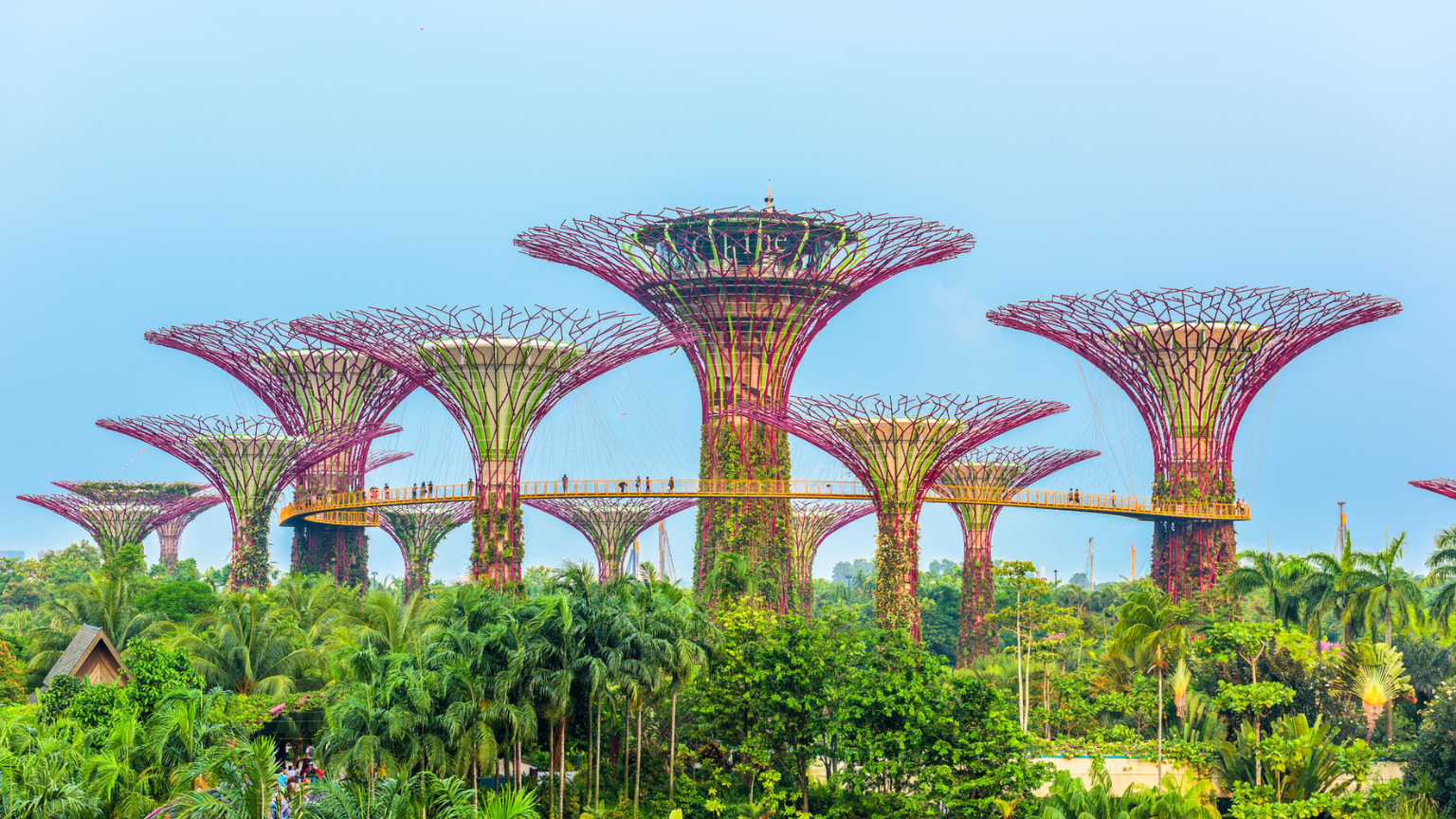
Gardens By The Bay, Singapore

Gardens by the Bay looks like something from a science fiction movie, yet it has quickly become a place that both tourists and Singapore residents claim as their own. Locals use the outdoor paths and lawns for casual evening walks, family picnics, and fitness sessions under the towering Supertrees when the heat eases off. Many Singaporeans hold weddings, proposals, and special events in and around the conservatories and waterfront viewpoints because the gardens feel iconic but still accessible. Annual events, seasonal flower displays, and holiday light shows draw repeat visits from people who live in the city and want to see what has changed. Office workers from the nearby financial district slip in at lunchtime or after work to get a quick dose of green space and sea views. For visitors, it is a showpiece attraction, but for locals, it has also become a regular hangout and a symbol of the city’s love of nature and design.
Sydney Harbour And The Opera House, Sydney

Sydney Harbour and the Opera House might be the ultimate “postcard” scene, but they remain part of daily life for a lot of Sydneysiders. Locals use the ferries as regular public transport, which means their commute can include sweeping views of the Opera House, the Harbour Bridge, and the city skyline. On sunny days, you will see people in business clothes eating lunch on the steps, families wandering the Royal Botanic Garden, and friends meeting for drinks at harborside bars. Big events like New Year’s Eve fireworks draw huge crowds, yet residents still show up year after year because the harbor is simply the best stage in town. Runners and walkers loop around Circular Quay and through the gardens at all hours, treating the views as their everyday gym backdrop. It is absolutely a tourist magnet, but it is also where locals come to celebrate, exercise, and show off their city to visiting friends.
Table Mountain, Cape Town

Table Mountain dominates Cape Town’s skyline and remains a place residents never stop looking at or going up. Locals use the hiking trails as regular weekend workouts, tackling routes like Platteklip Gorge or Skeleton Gorge for the satisfaction of earning those panoramic views. On windy or hot days, many Capetonians watch the “tablecloth” of cloud spill over the cliffs and plan their visits around moody, dramatic weather rather than perfect blue skies. Families and groups of friends often take the cableway for birthdays, anniversaries, and out of town guests, turning a trip to the summit into a tradition. Up top, you will hear plenty of South African accents mixed in with international voices as people wander the paths and point out favorite parts of the city below. Even when visitor numbers climb, Table Mountain feels less like a one time bucket list stop and more like a local landmark that people return to again and again.
South Bank And The Thames, London

London’s South Bank is lined with major arts venues, attractions, and stalls, yet locals still treat it as one of their favorite walks in the city. On any given evening, office workers from Waterloo wander along the river after work, passing street performers, food trucks, and book stalls under Waterloo Bridge. The path gives residents an easy way to show off views of Big Ben, St Paul’s, and the London Eye without needing a formal tour. Families cycle the riverside route on weekends, stopping at playgrounds and cafes, while couples and friends claim benches near the water to chat and watch the city lights come on. Locals also visit for events at the Southbank Centre, film screenings at the BFI, or casual drinks under the fairy lights near the bridges. It is a classic example of a busy attraction that still feels like part of everyday London life.
Montmartre And Eiffel Tower Views, Paris

Montmartre and the Eiffel Tower might sound like the most cliché picks in Paris, but plenty of locals still have a soft spot for both. People who live in the city know when to visit, heading up to the Sacré Coeur steps early in the morning or late in the evening when tour groups thin out. Montmartre’s back streets, away from the main square of Place du Tertre, are dotted with small wine bars, bakeries, and corners where Parisian life feels very normal despite the postcard scenery. When it comes to the Eiffel Tower, Parisians may avoid the ticket lines, but they still picnic on the Champ de Mars or watch the hourly sparkle from viewpoints along the Seine. Many locals bring visiting friends to Trocadéro or the riverbanks at sunset because, even if they see it every day, the sight still works its magic. Under the right conditions, these famous spots feel less like tourist traps and more like shared city living rooms.
The Colosseum And Forum Area, Rome

Romans might joke about avoiding the Colosseum in high season, yet the ancient heart of their city still inspires pride and affection. Locals pass by on buses and scooters every day, catching quick glimpses of the arches framed by modern traffic and city life. Early mornings and off season evenings are when residents are most likely to walk their dogs along nearby streets, meet for coffee in tucked away bars, or cross the area on their way to work. Many Romans who work in the center use the surrounding streets as regular shortcuts and still glance up at the ruins as they go, even if they have seen them thousands of times. Families bring children to see the Forum and Palatine Hill on quiet days, telling stories and passing on a sense of history. For visitors, this area is a must see, but for locals, it remains the backbone of their daily geography and identity.
Charles Bridge And Old Town, Prague

Charles Bridge and Prague’s Old Town Square can feel crowded, yet they still hold genuine charm for people who live in the city. Locals know to cross the bridge at sunrise or late at night when the statues glow in soft light and the crowds shrink to photographers and early commuters. Musicians and street artists give the bridge a changing soundtrack that many residents appreciate, especially when the workday starts or ends with a slow walk over the Vltava. Old Town’s side streets hide favorite cafes, wine bars, and small theaters where Czech audiences far outnumber visitors. Locals often cut through the square on their way elsewhere, pausing only to note the sky, the clock, or the general mood of the city. Even as tourism has surged, Prague residents still claim these central spaces in quieter moments and seasons.
Downtown Dubai And The Burj Khalifa, Dubai

Downtown Dubai and the Burj Khalifa fountain shows are known worldwide, but they remain weekend staples for many residents of the city. Locals take relatives and visiting friends to watch the evening fountain displays, combining the show with dinner at mall side cafes or restaurants. The air conditioned promenades and shaded spots around the lake give people a comfortable place to stroll, especially during the hotter months. For many who live in Dubai, the area doubles as a regular shopping and errands hub, not just a one time sightseeing stop. Residents also use the surrounding parks and walkways for jogging and family time when temperatures allow. Because the skyline and light shows change with holidays and events, even people who have lived there for years find new reasons to stop and look up.
Ipanema Beach, Rio De Janeiro

Ipanema Beach is world famous, yet it is very much a local hangout as well. Cariocas divide the sand into informal sections, each known for a different vibe, from family friendly stretches to spots popular with surfers, soccer players, or the LGBTQ community. On sunny days, people from all over the city arrive with coolers, chairs, and umbrellas, ready to spend hours swimming, socializing, and people watching. Vendors walk the sand selling everything from fresh coconut water to cheese on skewers, creating a familiar rhythm that many locals grew up with. Even on weekday evenings, residents come down just to watch the sun drop behind the mountains at Arpoador, a small rocky point between Ipanema and Copacabana. Tourists may come for the name, but locals keep the energy alive, turning the beach into an outdoor living room for the entire city.
Sultanahmet And The Historic Core, Istanbul

Sultanahmet, with its mosques, museums, and ancient streets, is the classic first stop for visitors to Istanbul, but locals have not abandoned it. Residents still come to pray at the Blue Mosque, attend events at nearby cultural centers, and stroll the gardens between major monuments on evenings and weekends. The area’s tea gardens and benches fill with Turkish families chatting, sipping çay, and watching the crowds move past the Hagia Sophia and surrounding plazas. Many Istanbul locals bring guests here as a point of pride, using the domes and minarets as an introduction to the city’s layered history. Small side streets hide traditional restaurants and dessert shops where regulars are known by name. While locals might avoid tour groups and ticket lines, they still see Sultanahmet as one of the city’s essential gathering spaces rather than a zone reserved only for tourists.
This article was written by Hunter and edited with AI Assistance