

Every year, more famous islands edge closer to feeling like theme parks, with traffic jams on coastal roads, packed beaches, and prices that creep higher with every season. If you still dream of islands where you can hear the wind and waves, talk to people who actually live there year round, and find space on the sand without reserving a lounger months in advance, you have to look a little farther. The good news is that there are still places where visitor numbers stay reasonable, development is modest, and local life has not been pushed entirely into the background. These islands may be gaining attention, but overtourism has not taken over yet, especially if you travel outside peak weeks and treat them gently.
Menorca, Spain

While Ibiza and Mallorca soak up most of the Balearic headlines, Menorca quietly gets on with being the calm, thoughtful sibling. The island is smaller and more rural, with rolling hills, dry stone walls, and country lanes that feel a world away from big resort strips. Many of the best beaches are tucked into coves that require a short walk, which naturally limits crowds and keeps the atmosphere peaceful even in summer. Pretty towns like Ciutadella and Mahón feel scaled to local life rather than mass tourism, with family run restaurants and traditional markets instead of endless chains. Menorca has also leaned into a more sustainable image, protecting natural areas and promoting walking routes along its coastal path. Visit outside August and you will often find yourself sharing turquoise bays with a mix of locals and low key travelers rather than large tour groups.
São Miguel, Azores, Portugal

São Miguel is the most visited island in the Azores, but it still feels very different from mainland hot spots. Tourism has grown quickly, yet there is nothing close to the shoulder to shoulder crowds you see in heavily marketed Mediterranean resorts. Ponta Delgada, the main city, has energy without chaos, and evenings along the harbor feel more like a relaxed stroll than a show. Drive just a short distance and you are surrounded by crater lakes, dairy farms, steaming hot springs, and hydrangea lined roads where you can hike for hours and meet only a few other people. Viewpoints at places like Sete Cidades and Lagoa do Fogo can see a flurry of visitors at midday, but if you time your visit early or late in the day they still feel wonderfully serene. São Miguel is very much on the radar now, but the conversation here is still about managing growth before overtourism arrives, not cleaning up after it.
Terceira, Azores, Portugal

If São Miguel is the gateway to the Azores, Terceira is the island many people fall for once they go a little deeper. Angra do Heroísmo, the main town, is a UNESCO listed beauty with pastel facades, cobbled streets, and a harbor that still functions as a real port rather than a stage set. Cruise ships stop here, but most of the time you see more locals shopping, students chatting in squares, and families out for ice cream than you do giant tour groups. Venturing beyond town, you find a landscape of patchwork fields, volcanic cones, and coastal walking trails that lead to natural swimming pools carved into lava rock. Sights like the Algar do Carvão lava cave feel intimate rather than overrun, especially if you avoid weekends and ship days. Terceira gives the impression of a place where tourism is welcome but still balanced with everyday life.
Tobago, Trinidad and Tobago

In a Caribbean full of mega resorts and cruise terminals, Tobago still feels disarmingly small scale. The island gets far fewer visitors than many of its neighbors, which translates into quieter beaches, less traffic, and a more grounded atmosphere. Along the Caribbean coast you find fishing villages and small bays where guesthouses, tiny inns, and modest hotels sit close to family homes. The beaches around places like Charlotteville and Castara are relaxed and local, with rum shops, beach shacks, and simple seafood dinners instead of luxury malls and designer boutiques. Inland, the Main Ridge Forest Reserve offers bird filled trails and waterfalls that see only a trickle of visitors each day. Tobago’s tourism pitch leans into nature, culture, and slow travel more than all inclusive entertainment, and for now it remains a haven for people who value space, conversation, and time in the water over elaborate resort complexes.
São Tomé and Príncipe

Off the west coast of Central Africa, São Tomé and Príncipe feels like a true frontier for island lovers. Visitor numbers are still tiny compared with most island nations, and that low volume shows in the best way once you arrive. On São Tomé, colonial era streets, cocoa and coffee plantations, and black sand beaches backed by palms create a setting that feels both cinematic and lived in. Tiny Príncipe feels even more remote and lush, with rainforest clad peaks dropping down to protected bays where turtles nest and fishing boats drift offshore. Accommodation is limited to a handful of small hotels, guesthouses, and eco lodges that are working with communities to keep growth measured. There is no sense of rush here, and itineraries tend to involve slow drives, long walks, and easy conversations rather than chasing a long list of attractions.
Panarea, Aeolian Islands, Italy

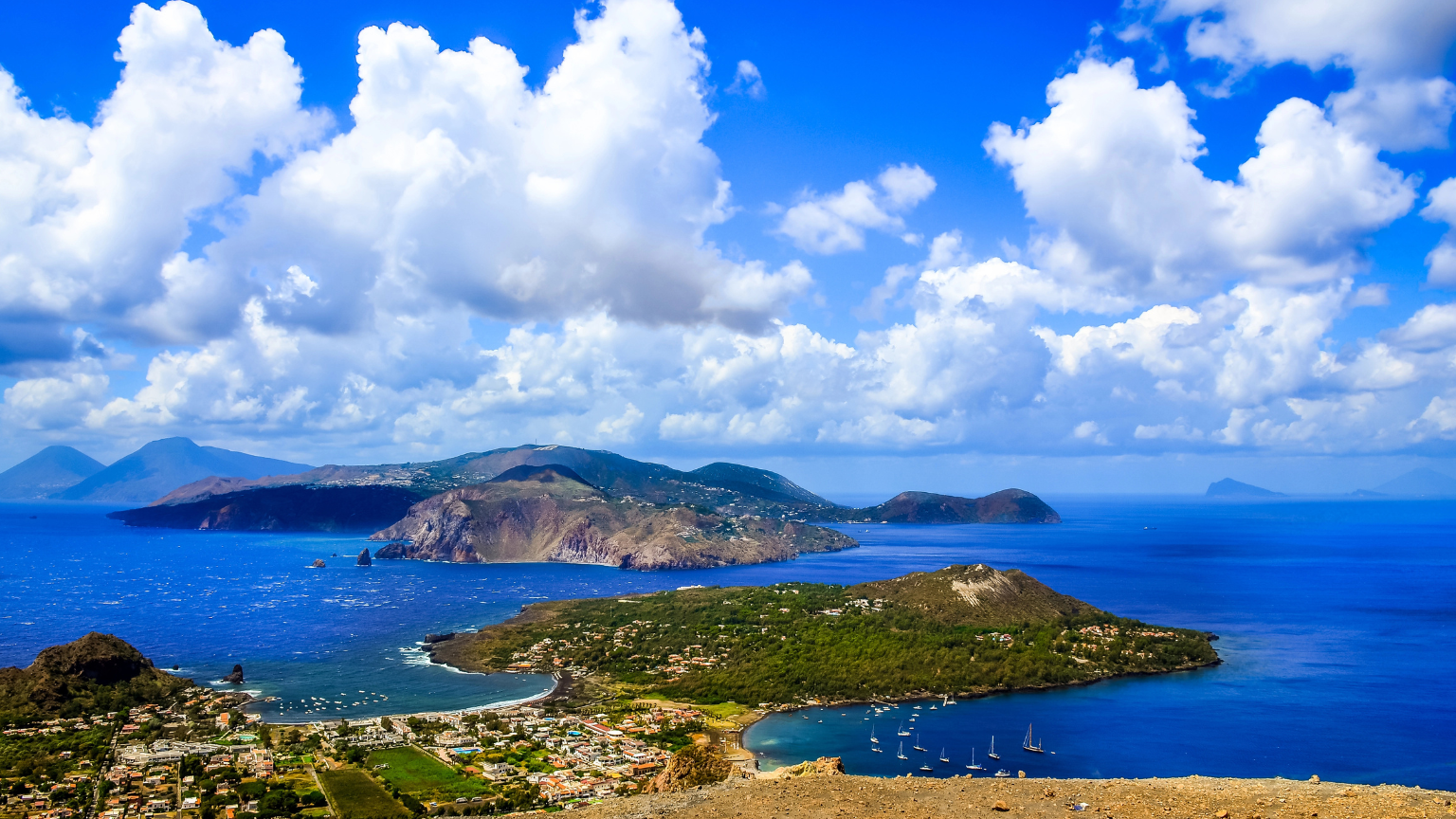
Among the Aeolian Islands north of Sicily, Panarea is tiny and stylish yet remarkably low key by Mediterranean standards. There are no private cars, just small electric carts and footpaths that snake between whitewashed houses, flowering vines, and stone walls. You arrive by boat, along with a limited number of fellow travelers, and stay in a small selection of boutique hotels, rented rooms, and family run guesthouses. Summer weekends can feel lively when yachts anchor offshore, but as soon as you wander away from the tiny port, you find quiet lanes, rocky viewpoints, and coves where only a few swimmers and sunbathers have settled in. Even dining leans toward small terraces and intimate rooms rather than huge complexes. Panarea proves that an island can have a bit of glamour without surrendering to heavy development.
Menorca’s Wild Northern Coast, Spain

Even on already mellow Menorca, the northern coast feels like another level of escape. This side of the island is rougher and less built up, with rolling scrubland, red gold sands, and protected coves tucked between low cliffs. Reaching many beaches involves navigating narrow roads and then walking over trails, which naturally filters out the most casual crowds and keeps things serene. Bays like Cala Tortuga, Cala Presili, and Cavalleria tend to attract hikers, locals, and travelers who come with backpacks and picnics instead of speakers and inflatable toys. With very little resort infrastructure on this side of the island, nights are quiet, and light pollution is low enough for impressive stargazing. It is the corner of Menorca where traditional farms, nature reserves, and old stone shelters still set the tone more than tourism marketing.
Waigeo, Raja Ampat, Indonesia

Raja Ampat has a legendary reputation among divers, yet it remains well outside the mass tourism stream, and Waigeo is one of its more accessible islands that still feels pristine. Getting there means at least a flight and a ferry, which naturally keeps numbers in check. Once you arrive, everything revolves around the water and the forest. Coral reefs are among the healthiest in the world, and snorkeling or diving with local operators reveals a blur of fish, rays, and other marine life in clear, warm water. Simple homestays and eco lodges often sit right above the sea on wooden stilts, with jungle rising behind them, so you wake up to nothing more than bird calls and gentle waves. On land, you can climb viewpoints, kayak through mangroves, and visit small villages where daily life still centers on fishing rather than tourism.
Fogo Island, Newfoundland and Labrador, Canada

Fogo Island is the kind of place that reminds you how powerful quiet can be. Reached by ferry from Newfoundland, it is home to a scattering of small communities where colorful houses sit close to the Atlantic. Old fishing stages, rocky headlands, and narrow lanes give the island a distinctly North Atlantic character, shaped by weather and long memories. Hiking trails trace the coastline past berry patches, sea cliffs, and lookout points where you might see icebergs drift by in season. Accommodation is limited, ranging from simple inns and bed and breakfasts to one prominent design forward hotel that caps its guest numbers by design. Tourism here is focused on supporting the island’s long term health rather than chasing big visitor spikes, so the whole place still feels like it belongs first and foremost to the people who live there.
St. Simons Island, Georgia, USA

On the coast of Georgia, St. Simons Island manages to offer classic beach town charm without the feeling of being overrun. Live oaks draped with Spanish moss frame residential streets, and low rise cottages share space with small condos and inns rather than high towers. Broad beaches give everyone room to spread out, especially on weekdays and in shoulder seasons. You can bike or walk along flat paths that pass marshes, historic churches, and old tabby ruins, or spend the afternoon in the village area near the pier where shops and restaurants feel more local than flashy. The island tends to attract families, golfers, and road trippers rather than massive tour groups, which keeps the energy friendly and easygoing. It is the kind of place where you quickly fall into a routine of sunrise strolls, simple seafood dinners, and early nights.
Sardinia Beyond the Costa Smeralda, Italy

Sardinia’s Costa Smeralda has a big name and big crowds, but most of the island remains much calmer and more everyday. Along the east coast, the Gulf of Orosei offers towering limestone cliffs, hidden coves, and small harbors where boats replace boardwalks. Some of the most beautiful beaches here are reached only by hiking trails or by boat, which naturally limits how many people can show up at once. Inland regions like Ogliastra and Barbagia feel far removed from coastal glitz, with stone villages, mountain roads, and long lunches that run on local time. Even in better known seaside towns, you can escape busy promenades with a short drive or walk. Sardinia is large enough that visitors spread out, and if you are willing to skip the loudest hotspots, you will find an island that still feels rooted in its own traditions.
Isle of Harris and Lewis, Outer Hebrides, Scotland

At the far edge of Scotland, the Isle of Harris and Lewis feels like the end of the road in all the right ways. You reach it by ferry or small plane, then drive on narrow roads past white sand beaches, peat bogs, and rocky hills that seem to stretch to the horizon. Villages are small and scattered, with a handful of shops, weavers, and cafés that serve both locals and visitors. Even its most famous sights, like Luskentyre Beach and the Callanish Standing Stones, feel spacious once you walk a little away from the car park. Weather can be dramatic, with fast moving clouds and sudden shifts between sunshine and rain, and that changeability helps keep visitor numbers modest. The islands reward slow travel, long walks, and a willingness to embrace whatever the sky decides to do.
Isla Espíritu Santo, Baja California Sur, Mexico

Just off the coast from La Paz in the Sea of Cortez, Isla Espíritu Santo feels like a reminder of how untouched islands can still be. It is part of a protected area, so there are no hotels, permanent settlements, or beach clubs. Access is only possible through licensed tour operators who follow strict rules about where boats can land, how many people can visit certain beaches, and how wildlife is approached. Day trips and overnight camping excursions focus on simple pleasures like snorkeling with sea lions, paddling along red cliffs, and watching birds wheel over turquoise water. On many beaches you share the sand with only a few other small groups, and when the boats leave, everything feels quiet again. The island’s protection status keeps it well clear of classic overtourism patterns, even as more travelers learn its name.
Quiet Corners of East Bali, Indonesia

Bali is often held up as a cautionary tale about overtourism, yet it still has corners that feel surprisingly gentle. Along the eastern coast, villages around places like Candidasa, Amed, and Padang Bai move at a much slower pace than the nightlife zones of Kuta, Seminyak, and Canggu. Here you find small guesthouses, family run warungs, and modest hotels facing pebbly or volcanic sand beaches, with fishing boats pulled up on shore. The crowd tends to be divers, snorkelers, and people who want quiet mornings and early nights instead of big parties. Inland, terraced hillsides and temples see far fewer visitors than the most Instagram famous spots. As the rest of Bali wrestles with how to handle high visitor numbers, these eastern stretches still offer a glimpse of a more traditional, less pressured island life.
This article was written by Hunter and edited with AI Assistance