
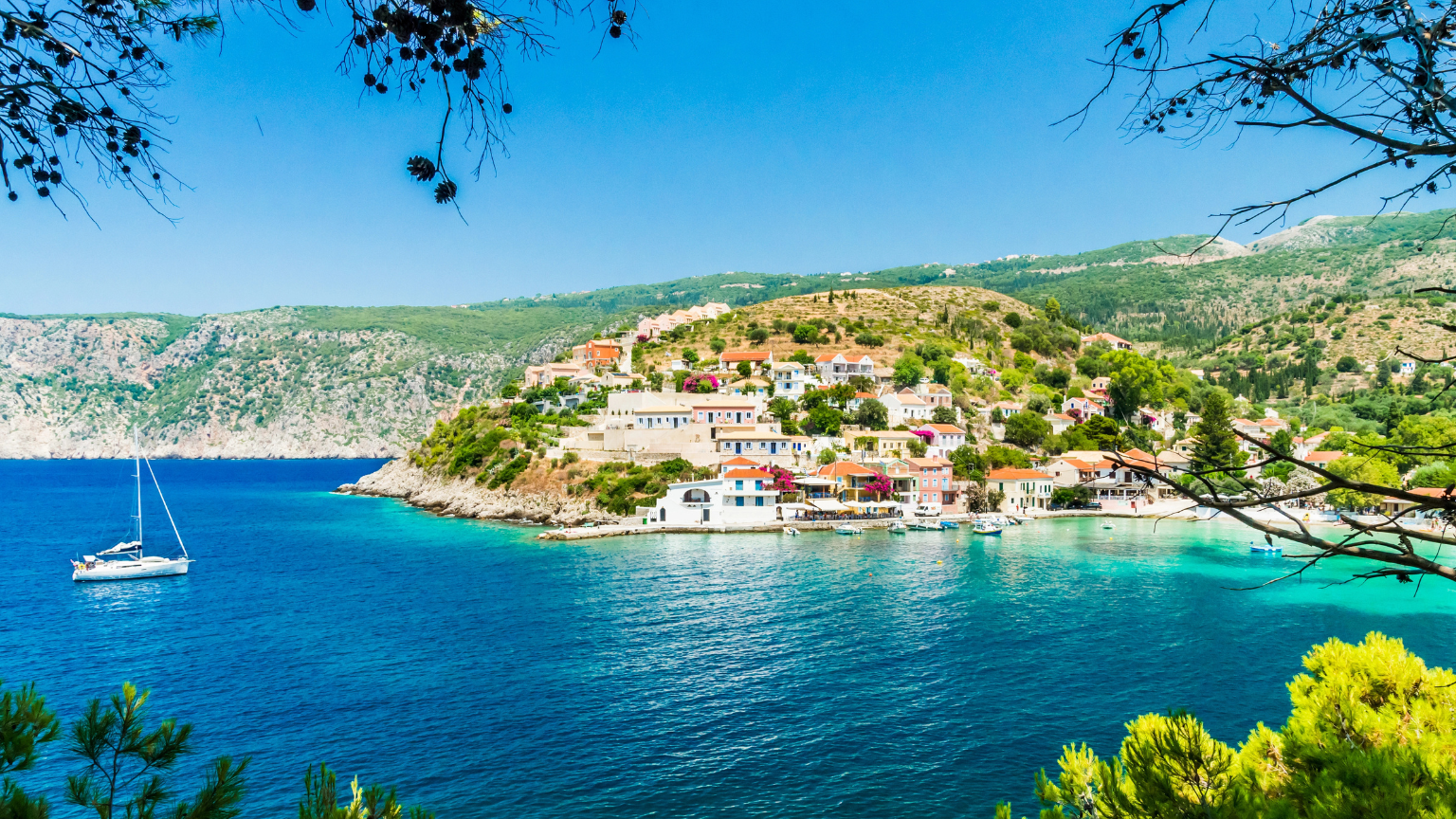

Island escapes still look dreamy on Instagram, but in 2025 the reality can feel very different on the ground. Visitor caps, cruise ship limits and rising prices all tell the same story. Many of the classic islands are packed, stressed and expensive, especially in peak season. The good news is you can still get that sea cliff, fishing village and turquoise water feeling without cramming onto a tiny overbooked rock.
Peninsulas quietly offer many of the same views as famous islands with a lot more room to breathe. They are easier to reach by road, they often have stronger local communities and they tend to spread visitors out instead of funneling everyone into one harbor. When I look at where I actually want to be in 2026, these peninsulas are the places that tempt me away from the usual crowded island list.
Below are 14 peninsulas that can easily stand in for some of the world’s most over loved islands, along with what you can expect when you trade ferries and bottlenecks for open roads and extra space.
Mani Peninsula, Greece

Instead of squeezing into Santorini at sunset, I would rather drive into the Mani. This southern finger of the Peloponnese has the same whitewashed villages, stone towers and sea views, without the daily crush of cruise passengers. You can base yourself in villages like Kardamyli or Limeni and wake up to quiet harbors where fishing boats outnumber tour buses. The coastline is rugged and dramatic, with tiny coves, clear water and cliffside churches that feel far from any selfie stampede. Inland, stone tower houses in the old Mani villages tell a very different story from the polished boutiques you see on famous islands. You still get long, lazy lunches by the water and wine at sunset, only now you are more likely to hear Greek spoken at the next table than a busload of tour groups on a tight schedule.
Pelion Peninsula, Greece

If you love the idea of Skiathos and Skopelos but not the peak season crowds, Pelion feels like their mainland twin. The peninsula is a mix of mountain villages and hidden beaches, with leafy roads that wind from stone built towns like Makrinitsa and Tsagarada down to the sea. Instead of lining up for limited island taxis or ferries, you can explore at your own pace by car, stopping at small coves where locals swim and families picnic. Traditional guesthouses serve generous breakfasts with mountain honey and homemade jams, and many have terraces that overlook the Pagasetic Gulf. Old mule paths and forest trails turn hiking into part of the holiday rather than an afterthought. It feels like the Greek island experience that existed before package tours, only with easier logistics and more variety in the landscape.
Pelješac Peninsula, Croatia

Croatia’s islands get a lot of love, which means Hvar and Korčula can feel oversubscribed in summer. Pelješac gives you a similar mix of vineyards, historic towns and clear water without the same pressure on space. The walled town of Ston, with its long hilltop fortifications, looks like a quieter cousin of Dubrovnik. Wine lovers can spend days hopping between family run wineries around Dingač and Postup, tasting Plavac Mali in simple stone cellars. On the windier side of the peninsula, Viganj and Kučište have a loyal following of windsurfers and kitesurfers but still feel like relaxed seaside villages. The beaches here are mostly pebbly and clear, with enough room to spread out even in busy months. You can still take day trips to nearby islands if you want, but at the end of the day you drive back to a base that feels more local than resort heavy.
Istrian Peninsula, Croatia

If you are considering a summer on a Croatian island but worry about rising prices and limited availability, Istria is an easy pivot. This heart shaped peninsula mixes Italian and Slavic influences, with coastal towns like Rovinj and Poreč that look straight out of a travel poster. Inland, hill towns such as Motovun and Grožnjan bring truffle dishes, stone lanes and sweeping countryside views. You can spend one day swimming in the Adriatic and the next driving through vineyards, olive groves and forested hills without ever needing a ferry. The restaurant scene is surprisingly strong, with fresh seafood on the coast and hearty comfort food in the interior. Istria gives you the feeling of being in a classic Mediterranean destination, just with more open space, easier movement and a broad mix of experiences within a short drive.
Bodrum Peninsula, Türkiye

If you like the party energy of islands such as Mykonos and Ibiza but are ready for something broader and less boxed in, the Bodrum Peninsula is a smart swap. The town of Bodrum has late night bars, clubs and a lively marina, yet a short ride out of town brings you to quieter bays like Gümüşlük, Bitez or Torba. Whitewashed houses and bougainvillea framed lanes echo Greek island style, while local markets, Turkish breakfasts and meze spreads remind you that you are on the Aegean’s other shore. You can take day boats to swim in remote coves, visit a castle museum that literally towers over the harbor and still be back in time for a sunset drink. Because the peninsula is connected to the mainland, there are more places for people to go and more small resorts spread out along the coast. The result is a region that still feels vibrant in 2025 without buckling under the same overtourism pressure as some of its island counterparts.
Dingle Peninsula, Ireland

Travelers often dream about island drives and wild coastal loops in the North Atlantic, but not everyone wants to squeeze onto narrow roads stacked with tour buses. The Dingle Peninsula delivers the same drama as some famous island circuits with a little more breathing room. Slea Head Drive wraps around sea cliffs, hidden coves and small beaches where you can watch Atlantic waves hammer the shore. The town of Dingle itself is colorful and cozy, with live music in pubs most nights and fishing boats bobbing in the harbor. Out on the headland, you find stone beehive huts, early Christian sites and views of the Blasket Islands that make the whole place feel like a movie set. On clear days, Coumeenoole Beach and nearby viewpoints are almost absurdly beautiful, yet long gaps between tour groups still exist, especially in shoulder season. It is the kind of place where you can get the full coastal road trip feeling without feeling trapped in a convoy.
Gower Peninsula, Wales

When British travelers talk about island style beaches, names like the Isle of Wight or Skye usually come up. Quietly, the Gower Peninsula in south Wales has been stealing that spotlight for years. Rhossili Bay regularly shows up on lists of the most beautiful beaches in the UK, with a long sweep of sand backed by hills and grazing sheep. Surfers, walkers and families share the coastline, but crowd levels feel gentle compared with some higher profile British seaside spots. The interior of Gower is all rolling farmland, stone churches and small villages where you can stay in inns that feel more local than seasonal. Coastal paths link bays like Oxwich and Three Cliffs, so you can build multi hour walks that string together viewpoints instead of driving from one car park to the next. It is the kind of peninsula where you can still find yourself alone on a headland in late evening, watching the light soften over the water.
Yucatán Peninsula, Mexico

Cozumel and Isla Mujeres are beautiful, but they are also firmly on the cruise and resort circuit. The wider Yucatán Peninsula offers miles of coastline and inland culture with much more flexibility. On the Caribbean side, you can still enjoy white sand and turquoise water, but basing yourself in smaller towns or stretches of coast outside the main hotel zones feels different from staying on a cramped island. Inland, colonial cities like Mérida and Valladolid give you plazas, markets and street food that feel far removed from the all inclusive bubble. The peninsula is also where you find many of the region’s cenotes, those freshwater sinkholes where you can swim in clear blue water under hanging roots. With a rental car or a mix of buses and colectivos, you can design your own circuit through beaches, ruins and inland villages. It becomes less about one crowded island stop and more about a full loop that shows the range of the region.
Baja California Peninsula, Mexico

In the marketing photos, island resorts in the Caribbean or Pacific often look peaceful and isolated. In reality, some of them are crowded strips of sand ringed by towers. Baja California gives you that end of the earth feeling without cutting you off from land. The peninsula stretches for hundreds of miles between the Pacific and the Sea of Cortez, which means you can find everything from surf beaches and desert cliffs to calm bays where whale sharks gather seasonally. Towns like La Paz and Loreto feel relaxed and authentically Mexican, with waterfront malecón walks, taco stands and low rise hotels that do not dominate the skyline. Out on the water, islands off the coast are protected as reserves, and day trips feel more like nature excursions than theme park rides. You still get sunsets over the ocean, starry skies and fresh seafood, only now you have the freedom to drive to a different beach if the one you are on feels too busy.
Samaná Peninsula, Dominican Republic

Many Caribbean travelers think first of big island resorts and long lines for buffet dinners. The Samaná Peninsula on the north coast of the Dominican Republic offers a very different rhythm. Small towns like Las Terrenas and Las Galeras sit along palm fringed beaches where boutique hotels and guesthouses blend into the scenery instead of towering over it. Playa Rincón and other nearby beaches often appear in lists of the country’s most beautiful stretches of sand, yet they still feel light on infrastructure and heavy on natural beauty. Offshore, tiny Cayo Levantado brings shallow water in impossible shades of blue, while inland you can ride or hike to waterfalls tucked into the hills. From January to March, humpback whales visit Samaná Bay, adding a seasonal bonus that most crowded resort islands cannot match. It feels like the Caribbean many people imagine, with fewer bracelets and more room between your towel and the next.
Nicoya Peninsula, Costa Rica

Costa Rica’s islands and most famous beaches are on many bucket lists, which means they can fill up fast. The Nicoya Peninsula offers a slower, more scattered version of the same surf and sand story. On the southern tip, towns like Santa Teresa and Montezuma attract surfers, yogis and bohemian travelers who are happy to trade easy access for quieter shores. The roads can be bumpy and you may need a ferry or a long drive to get there, but that extra effort filters out some of the volume. Further north, places like Nosara and surrounding beaches sit next to protected reserves, so you get jungle that runs right up to the sand instead of solid walls of hotels. Cafes, surf schools and small lodges are present but tend to be low rise and laid back. It feels less like a resort package and more like a string of coastal communities that happen to share world class waves and sunsets.
Kii Peninsula, Japan

When travelers picture Japanese coastal escapes, they often think of islands like Miyajima or the beaches of Okinawa. The Kii Peninsula, south of Osaka and Kyoto, offers another path to sea and mountain scenery that is still relatively under the radar for many international visitors. This is the home of the Kumano Kodo pilgrimage routes, where stone paths link ancient shrines through cedar forests and terraced hillsides. Coastal towns like Shirahama bring hot spring resorts and long beaches, while small fishing ports feel lived in rather than curated for tour groups. You can soak in seaside onsen, eat fresh seafood and spend days hiking without having to navigate island ferry schedules. In many ways, Kii feels like a museum of traditional Japan spread out over a landscape of coves, cliffs and valleys. It is a peninsula that rewards slow travel and curiosity, not just quick photos at a single famous spot.
Coromandel Peninsula, New Zealand

New Zealand has no shortage of islands, both large and small, but the Coromandel Peninsula gives you the same wild coast feeling without leaving the main North Island. This is where you find long arcs of white sand, thick native forest and rocky headlands that drop into bright blue water. Cathedral Cove and Hot Water Beach are the headline names, yet the peninsula has dozens of smaller coves and bays where you can stay in beach houses, campsites or small lodges. Inland, winding roads climb through bush covered hills, opening up views that feel just as dramatic as many offshore islands. Coromandel town and Whitianga make easy bases, with simple seafood shacks and relaxed waterfront taverns. Because you can drive in and out, it is easier to avoid peak weekend crowds by simply adjusting your timing or moving to a different side of the peninsula. The whole region has a nostalgic, slightly old school holiday feel that many island resorts lost years ago.
Olympic Peninsula, United States

In the Pacific Northwest, the San Juan Islands often get the attention, along with the ferry lines that go with them. The Olympic Peninsula on Washington State’s mainland offers a bigger canvas with just as much coastal magic. Here you can step from moss draped rainforests in Olympic National Park directly onto wild beaches scattered with driftwood and sea stacks. Towns like Port Angeles, Sequim and Port Townsend give you cafes, bookshops and harbor views without feeling overrun. Inland, mountain roads lead to alpine meadows and viewpoints where you look out over both islands and snow capped peaks. The variety is huge for such a compact region, and you can shape your trip around hiking, hot springs, beaches or quiet small towns. It feels like the best parts of an island chain, stitched together by roads that let you chase clear weather or fewer people on any given day.
This article was written by Hunter and edited with AI Assistance