
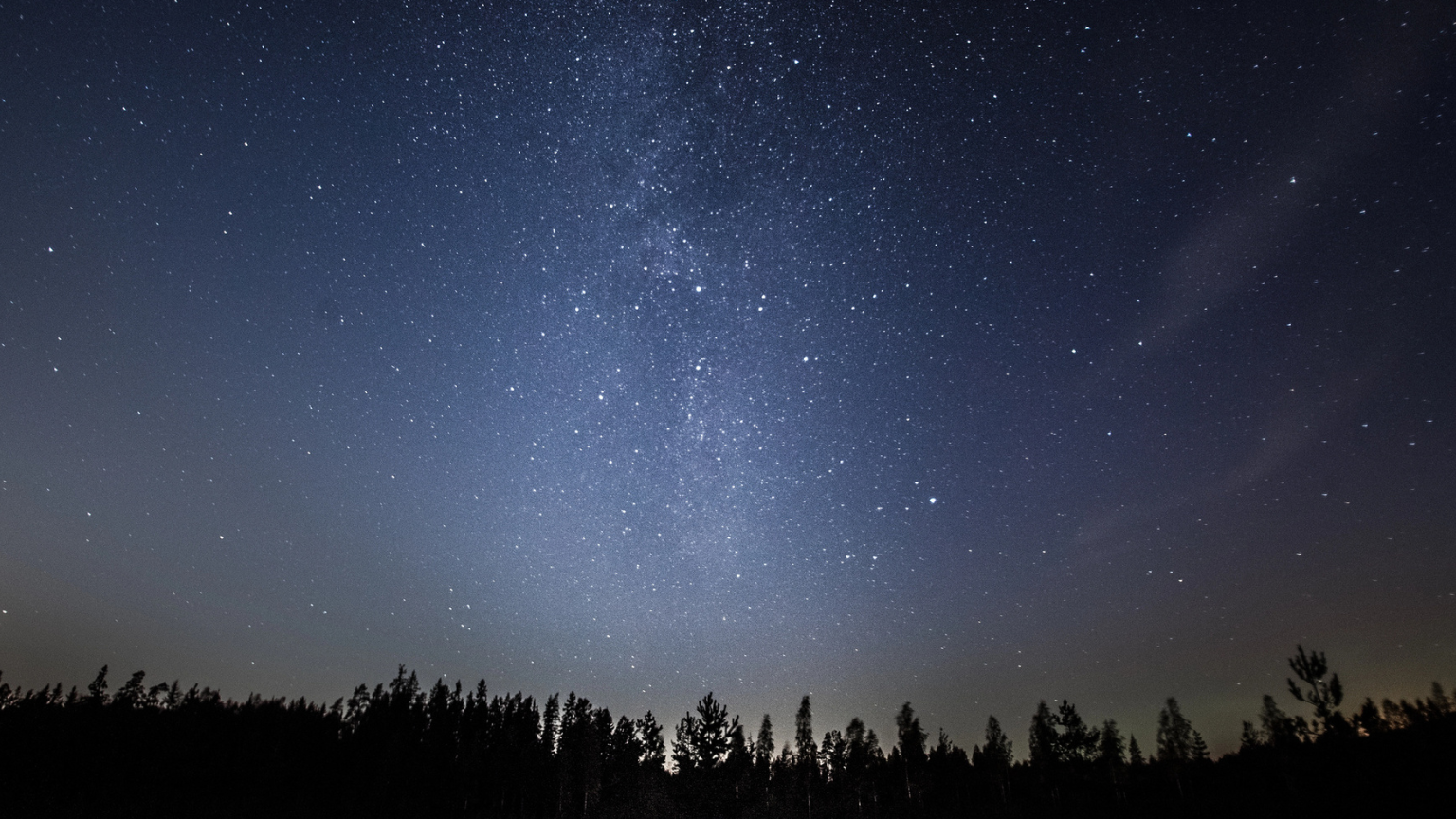

Ready to see the Milky Way with your own eyes? These certified dark-sky reserves deliver easy, no-telescope weekends with wide open horizons, helpful visitor programs, and lots of pullouts where you can simply turn off the car lights and look up. Plan around new moon weekends, pack a headlamp with a red light setting, and give your eyes twenty minutes to adjust. You will be surprised by how much you can see with just patience and a warm jacket.
Central Idaho Dark Sky Reserve, USA

America’s first International Dark Sky Reserve wraps around Ketchum, Sun Valley, Stanley, and the Sawtooth National Recreation Area. It covers huge swaths of public land, which means wide open viewpoints and minimal light spill. Start at town overlooks like Trail Creek or Galena Summit for an easy first night, then try a lakeside pullout at Redfish Lake for reflections of the stars. Summer brings warm nights and the bright arch of the Milky Way, while winter skies are exceptionally crisp. Local shops sometimes host star walks and beginner sky tours that require no gear at all. Book a simple mountain lodge, bring a thermos, and let the night do the rest.
Greater Big Bend International Dark Sky Reserve, USA and Mexico

This bi-national reserve is the largest certified dark-sky place on Earth and it feels that way when you step out under the stars. You can base in Terlingua or Marathon on the Texas side, then fan out to desert overlooks that feel like natural amphitheaters for the night sky. The dry air and frequent clear nights make casual stargazing incredibly rewarding. If you want an easy route, catch sunset at Sotol Vista and stay for the constellations. Fall and spring offer mild temps, but winter skies can be the steadiest for detail. If you time your visit with a meteor shower, expect frequent fireballs streaking across the horizon.
Aoraki Mackenzie Dark Sky Reserve, New Zealand

Centered on Lake Tekapo and Aoraki Mount Cook, this reserve is famous for silver-blue lakes by day and a spray of stars by night. You do not need a telescope to be impressed here because the Milky Way looks like a cloud river. Lakeside pullouts around Tekapo and Pukaki give beginner-friendly views with easy parking. Summer nights are comfortable, while winter offers dramatic clarity and occasional aurora. The local observatory programs are excellent, but even a self-guided walk along the lake will deliver a wow moment. Plan two nights to give yourself a weather buffer.
Wairarapa Dark Sky Reserve, New Zealand

Just over the Remutaka Range from Wellington, Wairarapa offers a dark core zone that balances farmland, forest, and small towns. You can stay in Martinborough or Greytown and be under pristine skies within minutes. The area runs frequent stargazing events where guides help you find Southern Hemisphere highlights like the Southern Cross. Summer brings balmy evenings that are perfect for vineyard dinners followed by constellation spotting. In cooler months, the air can feel glass clear and the Milky Way pops even brighter. Bring binoculars if you have them, but your eyes are enough to see the star clouds.
Mont-Mégantic International Dark Sky Reserve, Québec, Canada

The very first International Dark Sky Reserve set the bar for how to protect night skies and welcome visitors. Stay in the Eastern Townships and drive into the reserve for designated viewpoints and educational centers. On clear nights, the Milky Way stretches from horizon to horizon and the Andromeda Galaxy is often visible as a faint oval. Fall foliage season adds a colorful daytime backdrop to a night of stargazing. Winter skygazing after fresh snow can be magical as the ground glows softly while the sky stays pitch black. Check for local programs that walk you through the sky step by step.
Kerry International Dark Sky Reserve, Ireland

On the Iveragh Peninsula, ocean air and low light levels create a sky that feels both wild and welcoming. Base yourself in Waterville, Cahersiveen, or on Valentia Island so you can reach multiple viewing sites in one trip. Evening clouds often part after midnight, revealing star-rich windows before dawn. The reserve runs public events where guides help you pick out Orion, the Pleiades, and bright winter planets. Spring and autumn are sweet spots for calm weather and crisp skies. Bring a windbreaker and let the Atlantic soundtrack set the mood while the constellations come out.
South Downs International Dark Sky Reserve, England

Only a short train ride from London, the South Downs are an easy weekend escape with impressively dark pockets. The rolling chalk hills give you broad horizons and a quick path away from town lights. Local parks host annual dark skies festivals with star parties that welcome absolute beginners. You can combine a pub dinner with a late stroll to a viewpoint and let your eyes adapt naturally. Winter brings the sharpest stars, while summer offers comfortable late nights under the Milky Way. It is proof that you do not need to travel far for a real stargazing experience.
Exmoor International Dark Sky Reserve, England

Europe’s first official reserve remains one of the simplest places to connect with the night sky. The moorland scenery means almost no obstructions and plenty of signed lay-bys for safe stops. Park rangers and partners often run events where you can learn the major constellations without any gear. A two mile dark sky trail near the park center offers benches so you can recline and scan slowly. Autumn brings a popular festival along with longer nights for spotting the Milky Way. Clear nights after a cold front can feel diamond sharp.
Cranborne Chase International Dark Sky Reserve, England

This reserve covers an entire protected landscape of rolling downs, ancient woodlands, and chalk ridges. It is designed to make casual skywatching easy through community lighting policies and marked viewpoints. You can hop between hilltops and find multiple dark vantage points in a single evening. Summer nights are sociable and mild, while winter provides the finest contrast for naked-eye observing. Local businesses often embrace the theme with stargazing suppers and overnight packages. It is a gentle introduction to dark-sky travel that works well for families.
Bannau Brycheiniog International Dark Sky Reserve, Wales

The high country of South Wales offers spacious valleys where the night still feels wild. A short drive from Cardiff and Swansea gets you into genuinely starry territory. Designated sites around Usk Reservoir and Taf Fechan give you easy parking and broad views. On clear nights the Milky Way is obvious, and you can often follow it all the way to the horizon. Autumn and winter bring the crispest conditions along with fewer crowds. Warm layers, a blanket, and a thermos turn a simple stop into a cozy stargazing session.
North York Moors International Dark Sky Reserve, England

Heather moorland and forest edges create natural balconies for watching the sky. Sutton Bank and Dalby Forest have signed discovery sites that work brilliantly for first timers. In late summer, the Milky Way is vivid and you may pick out the faint smudge of Andromeda with your eyes alone. The park’s festivals offer guided walks that focus on sky lore and wildlife after dark. Spring and autumn are steady seasons for clear breaks between passing systems. Book a cottage nearby so you can step outside during gaps in the clouds.
Westhavelland International Dark Sky Reserve, Germany

Only an hour or so from Berlin, this wetland nature park delivers some of the darkest skies in the country. Open meadows and lakes provide mirror-calm reflections of the stars when the wind settles. Viewing platforms and trailheads make it easy to arrive, dim your lights, and let your night vision grow. Late summer and early autumn are prime for meteor watching and Milky Way arches. Winter nights are awe inspiring when the air is still and temperatures drop. It is a perfect add-on to an urban trip when you crave real darkness.
Rhön International Dark Sky Reserve, Germany

Straddling Hesse, Bavaria, and Thuringia, the Rhön is known as the land of open horizons. That translates into effortless stargazing because the skyline rarely blocks your view. The region promotes night friendly lighting, so even village edges can be surprisingly dark. Summer is social with night walks and educational programs, while winter offers razor sharp constellations. On moonless nights, you can easily pick out the Milky Way and bright star clusters. Many guesthouses cater to night owls with late check-ins and flexible breakfast hours.
This article was written by Hunter and edited with AI Assistance