

Choosing between Airbnb and hotels can shape your travel experience. Here are 12 practical tips to help you decide which option suits your next trip best.
1. Consider the Length of Stay
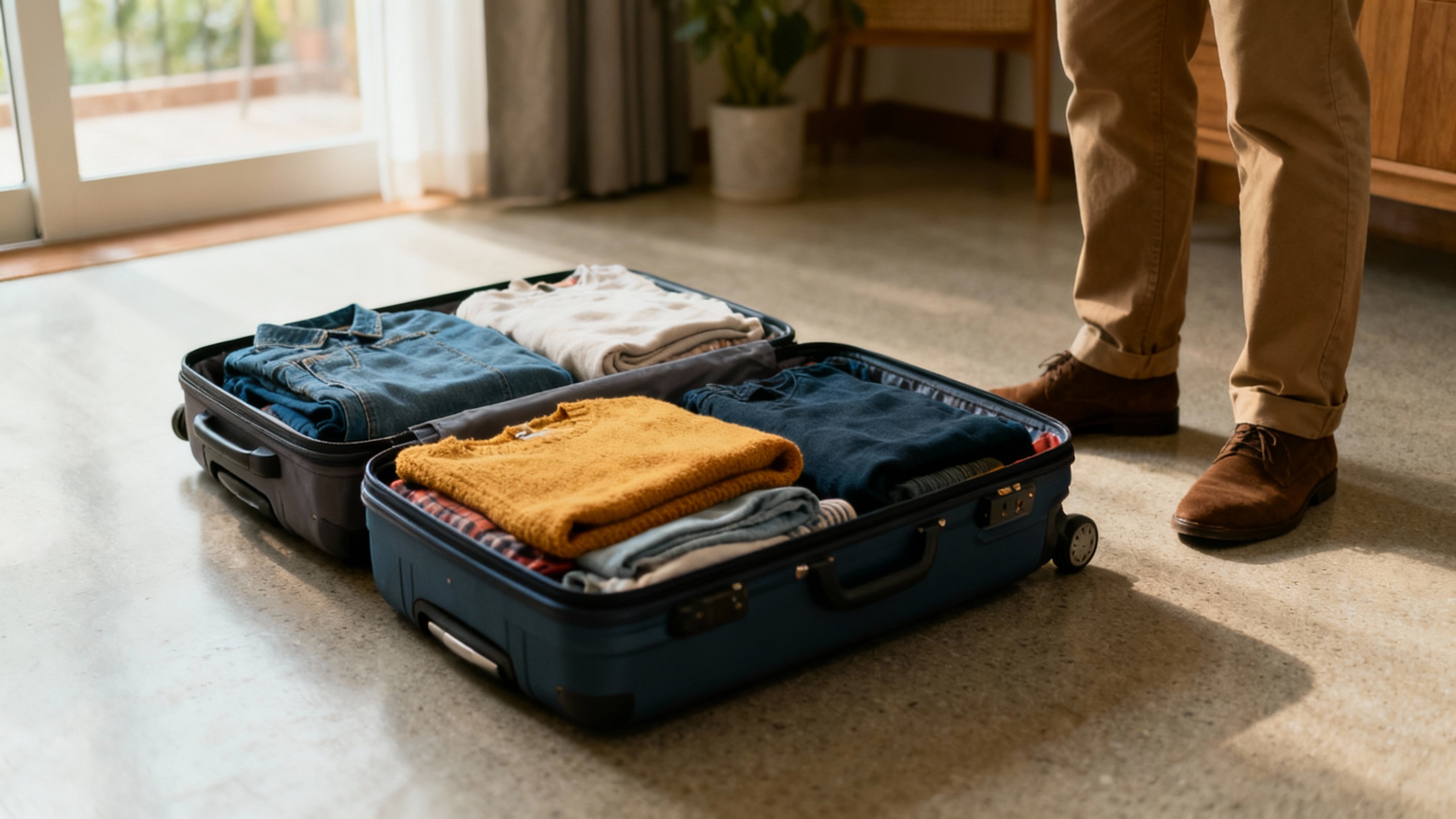
Airbnbs tend to offer better value for longer stays, typically a month or more, since many hosts provide discounts for extended bookings. If your trip is just a few days, hotels usually provide more convenience and fewer complications around check-in and cleaning. Long-term stays at Airbnbs also often allow for negotiating a better rate via private messaging hosts, which hotels rarely offer.
2. Evaluate Extra Space Needs

One of Airbnb's biggest perks is the extra space you usually get compared to standard hotel rooms. Apartments or homes come with kitchens, living areas, and sometimes multiple bedrooms, ideal for families or groups. Hotels often have compact layouts focused on a bedroom and bathroom, limiting space for relaxation or cooking.
3. Check Price and Availability on Booking Platforms

Using platforms like Booking.com often reveals lower hotel prices—up to 85% of the time—especially when booking on a mobile device. Hotels tend to have more availability options with instant booking compared to Airbnb’s messaging process. For last-minute trips, hotels usually offer greater flexibility and faster confirmation.
4. Prepare for Check-In and Check-Out Procedures

Hotels provide straightforward check-in and check-out processes, typically manned by staff around the clock. Airbnb check-ins often rely on remote instructions, lockboxes, or key exchanges with hosts, adding an extra step that can be confusing or time-consuming. Consider how much ease you want when arriving or leaving your accommodation.
5. Factor in Cleaning Fees and Responsibilities
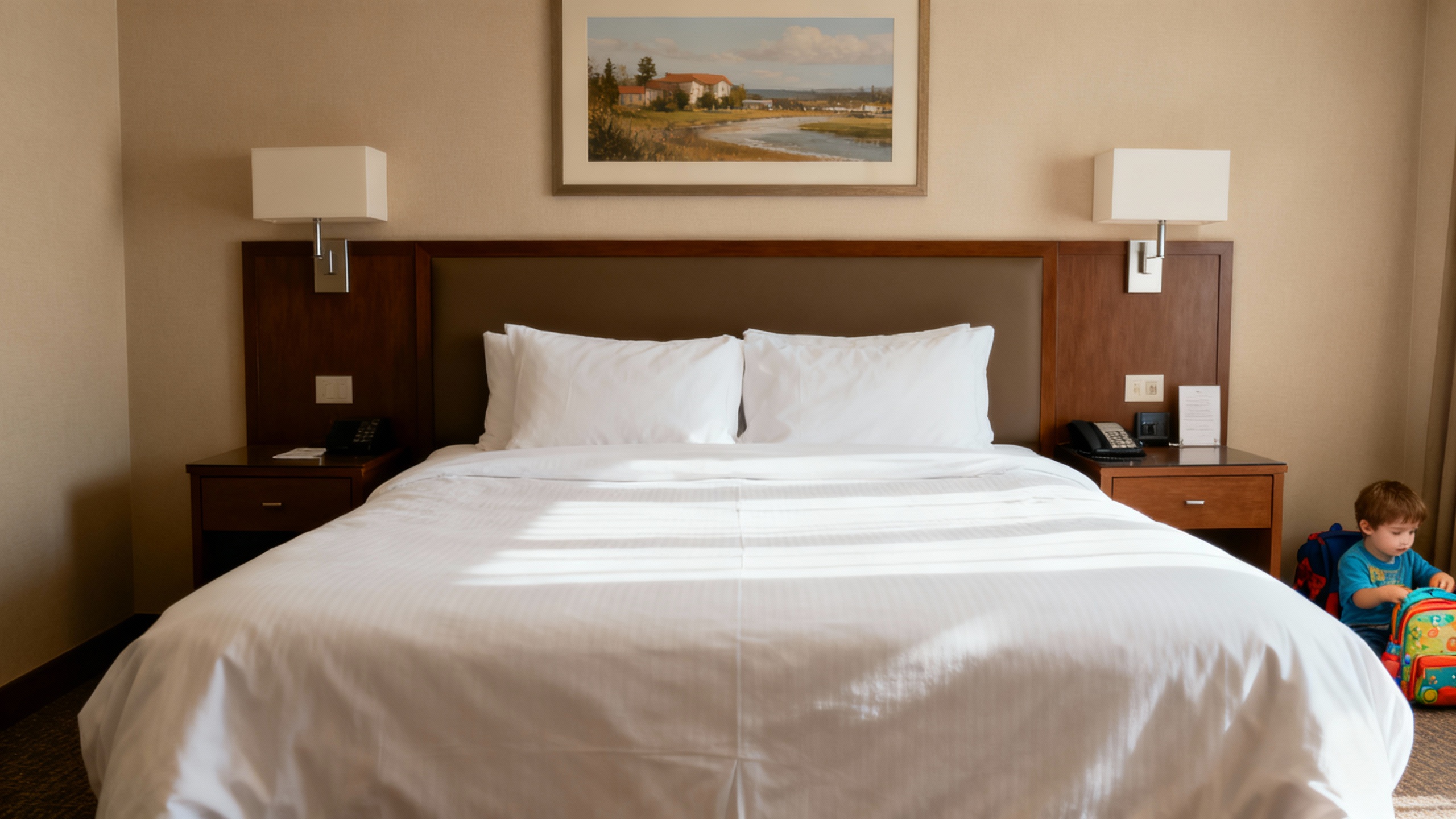
Hotels include daily or periodic housekeeping in the total price, so you don't need to worry about tidying during your stay. Airbnbs often charge cleaning fees on top of the nightly rate, and you're usually responsible for basic upkeep during your visit. Some travelers prefer the no-maintenance aspect of hotels.
6. Assess Your Desire for Local Atmosphere

Airbnbs are often located in residential neighborhoods, offering a chance to experience local life away from tourist hubs. Hotels tend to cluster in busy or central areas, which might feel less authentic but provide quick access to main sights and services. If living like a local appeals to you, Airbnb locations often deliver that.
7. Look Into Safety and Security Features
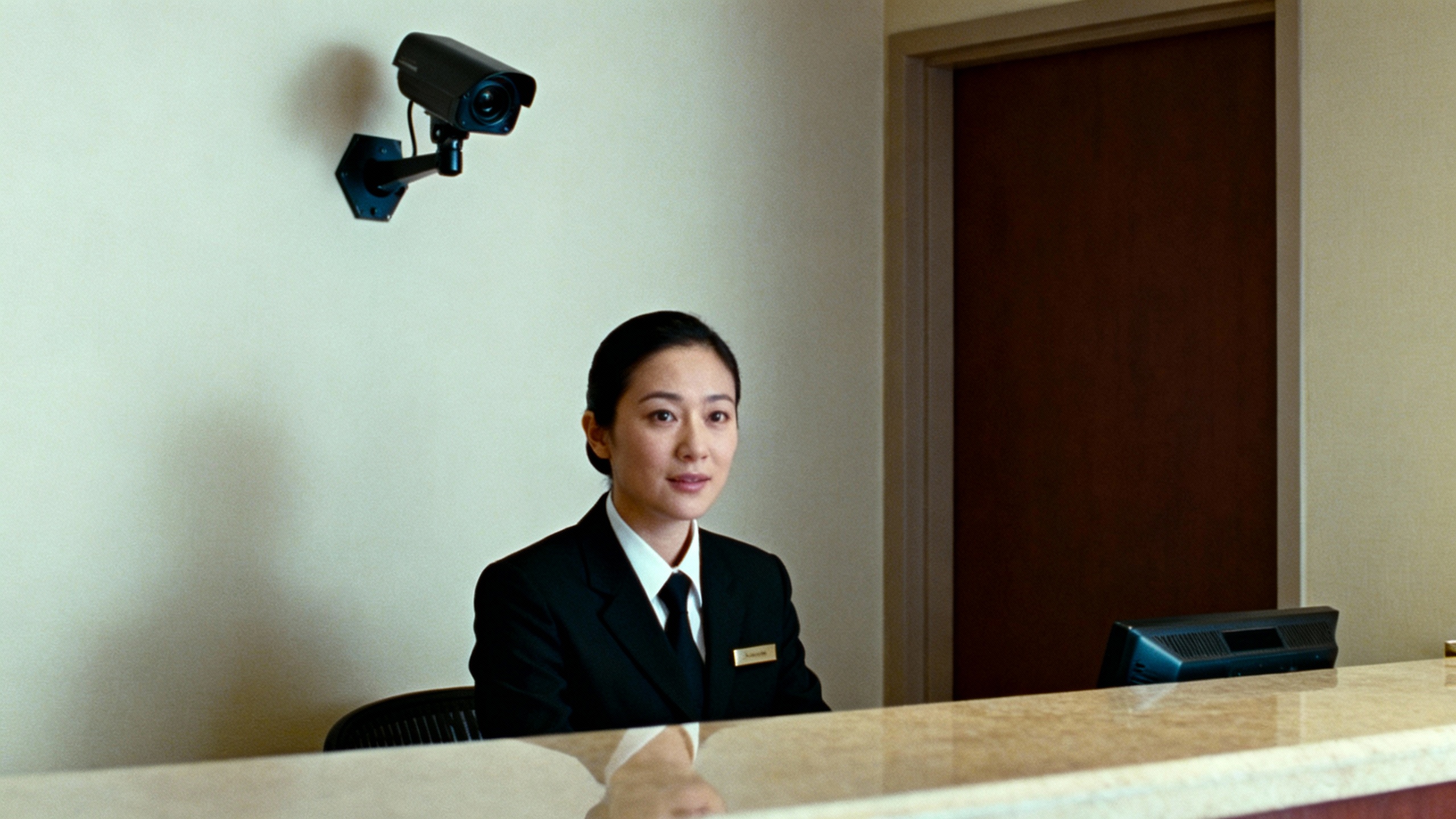
Hotels usually have professional security measures, including surveillance, secure entrances, and staff on site 24/7. Airbnb safety can vary greatly since each property is unique, and there might not be standardized protocols. Reading recent reviews and checking host responsiveness can help gauge security.
8. Gauge Flexibility Around Cancellation Policies

Hotels often offer flexible cancellation terms, especially when booking through large platforms. Airbnb cancellation policies differ widely by host—some are strict, others more lenient. If your plans might change, hotels might offer less risk in terms of refunds or rebooking.
9. Consider Amenities Important to You

Hotels frequently provide amenities like pools, gyms, restaurants, and concierge services included or available on-site. Airbnbs rarely offer shared facilities but might have unique perks such as fully equipped kitchens, washers/dryers, or private outdoor spaces. Match your amenity needs to the type of accommodation.
10. Special Needs and Accessibility

Hotels usually comply with accessibility standards, providing ramps, elevators, and adapted rooms. Airbnbs vary, and hosts might not list detailed accessibility information. If you require specific accommodations, hotels often guarantee these, while Airbnb might require more upfront research and communication.
11. Evaluate Privacy Preferences

Airbnb rentals can offer more privacy since you get an entire place to yourself, avoiding noisy neighbors and public hotel corridors. However, some Airbnbs are shared spaces or have thin walls depending on the building. Hotels offer privacy in your room, but common areas like hallways and lobbies are busier with other guests.
12. Plan Based on Your Work or Digital Nomad Needs
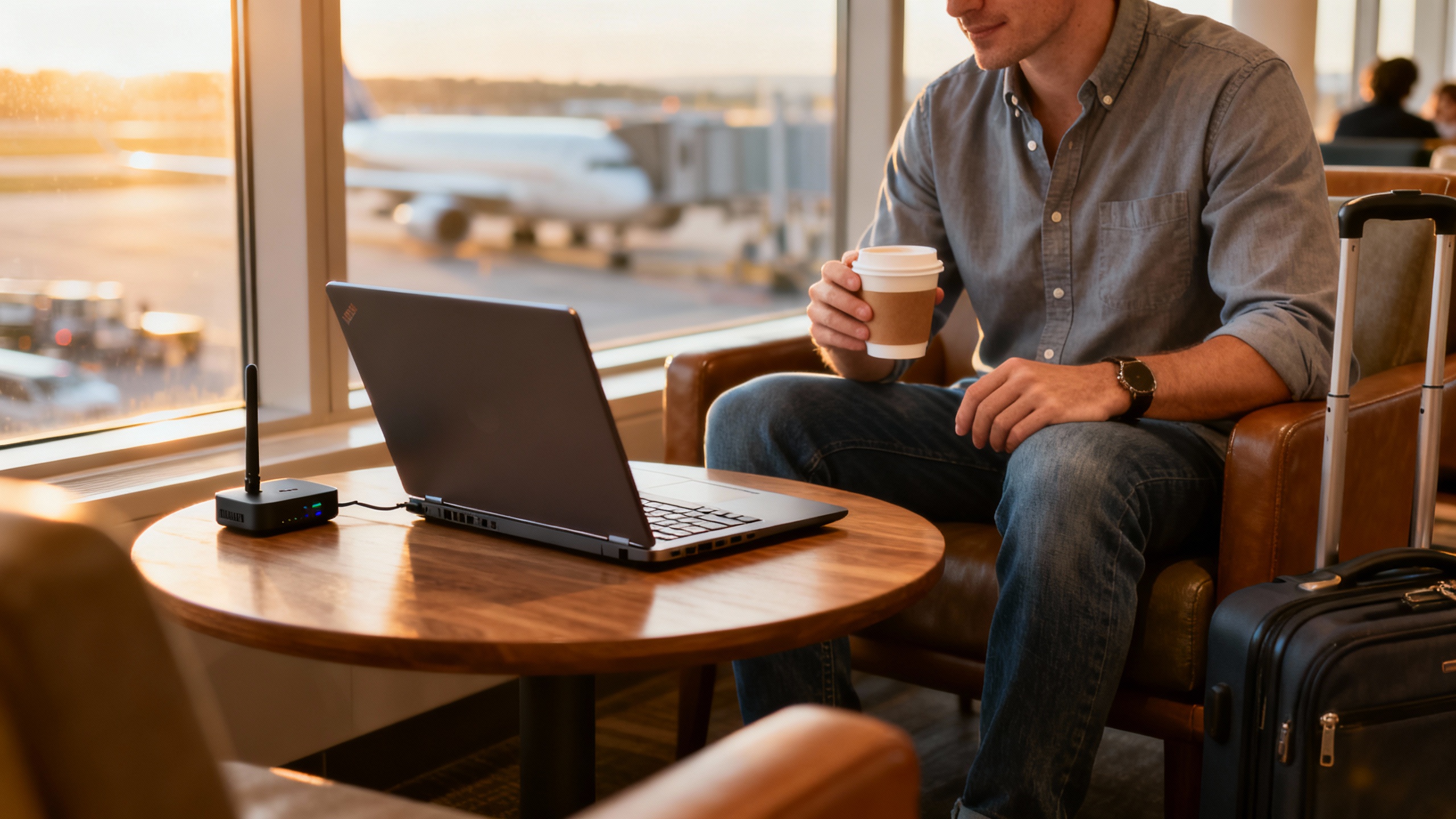
For travelers who work remotely, some report that hotels provide stable Wi-Fi and quiet workspaces, with business centers or desks in rooms. Airbnbs may not always guarantee reliable internet and can vary in quietness. If you need a productive environment, consider the specific accommodation’s setup and reviews from other digital nomads.
This article was written by Hunter and edited with AI assistance. The Daily Dive travel desk uses AI-assisted visuals and content that were reviewed and approved by our editors prior to publication.
© 2026 Daily Dive