

Every year, a handful of states show up again and again in moving and migration reports as places people are actively leaving. In 2026, the most recent data snapshots point to a familiar mix of stressors: high housing costs, rising insurance bills, long commutes, limited affordability for young families, and quality of life tradeoffs that start to feel heavier over time. This does not mean these states have nothing to offer. Many are iconic for careers, culture, and natural beauty, and millions of people still love living there. But when you look at where relocation demand is strongest right now, certain states consistently land on the “I’m ready for a change” list. Below are 12 states that, based on the latest 2026 era moving trends, are seeing outsized interest in moving away, along with the specific reasons travelers and residents keep mentioning.
California

California remains one of the most common “dream state, tough reality” stories in 2026. Housing costs are the headline issue, because even solid incomes can feel stretched by rent, mortgages, and everyday expenses. Insurance and utility costs have become a bigger conversation too, especially in areas affected by wildfire risk and extreme weather. Commuting and traffic stress can make daily life feel like a constant grind in major metros, even if the paycheck looks great on paper. Many people still come for the jobs, but a lot of residents report leaving for more space, lower monthly bills, and a lifestyle that feels less pressured. If you love California, the best way to keep it enjoyable is to pick smaller cities, plan around transit if possible, and be realistic about what your budget actually buys.
New York

New York consistently ranks as a state people move away from because of cost pressure, especially for housing and taxes. Even outside New York City, many residents feel like the price tag keeps climbing while daily life gets harder to budget. Winters and long commutes also play a role, particularly for people who decide they want an easier, warmer routine. Another common motivator is the desire for more living space, whether that means a backyard, a home office, or just not sharing walls. New York is still a powerhouse for careers and culture, but many movers treat it as a “chapter” rather than a forever home. In 2026, you see plenty of people keeping New York in their lives through visits while choosing to live somewhere more affordable.
Massachusetts

Massachusetts offers strong education and high-paying industries, but it can feel expensive and competitive in day-to-day life. Housing in and around Boston is a major pressure point, and renters often feel like they are paying luxury prices for limited space. Commuting can also be draining, especially if you live farther out to save money and then spend that savings in time and stress. For families, childcare and general living costs can be the deciding factor that pushes a move. Even people who love the state’s history and coastal charm sometimes choose a different region simply to reduce monthly expenses. If you want the Massachusetts lifestyle without the biggest costs, smaller cities and off-peak travel to the Cape can scratch the itch without locking you into the year-round price tag.
New Jersey

New Jersey is frequently labeled a “launch state,” meaning people move there for work opportunities and proximity to major hubs, then leave when they want more breathing room. Property taxes are a major reason, because they can feel like a second rent payment even after you own a home. Housing is also expensive relative to the space many people want, especially for growing families. Commutes into New York City or across the region add another layer of daily stress that wears people down over time. The state has great beaches and strong suburban communities, but the overall cost structure pushes many residents to shop for cheaper options. In 2026, a lot of New Jersey departures look like people chasing a lower monthly burn rate while keeping the Northeast within reach.
Illinois

Illinois, and especially the Chicago area, remains a state that many people love culturally but struggle with financially. Taxes and long-term cost concerns come up often in relocation decisions, along with a desire for newer housing at a lower price. Winters can also push people to leave, particularly retirees or remote workers who want a warmer daily routine. For some residents, the stress is less about the city itself and more about the feeling that life is getting more expensive without getting easier. Chicago will always have its pull, from food to architecture to sports culture, but many movers decide they would rather visit than pay year-round. In 2026, Illinois outmigration often looks like a trade: giving up big-city access for affordability and space.
Maryland

Maryland shows up on “moving away” lists for a mix of cost, commuting, and lifestyle pressure. In the DC orbit, housing prices can be intense, and many people feel squeezed between rent, transportation costs, and general expenses. Traffic and commute time are also common complaints, especially for workers tied to government, defense, or corporate hubs. Even though Maryland offers beautiful waterfront areas and strong neighborhoods, the cost-to-space ratio can feel frustrating for families. Some people also leave for states with lower taxes or simpler monthly budgets. For travelers, Maryland is wonderful in smaller doses, with coastal escapes and historic towns that feel far more relaxing than the weekday commute reality.
Pennsylvania

Pennsylvania can be affordable in many areas, yet it still sees steady departures in the latest moving patterns. A big reason is job geography, because some residents leave for faster-growing job markets or higher wages elsewhere. Weather and aging infrastructure also come up, especially in regions where people feel like the quality of life could be better for the cost. In big metros, housing can still be pricey for what you get, while rural areas can feel limited for careers and amenities. Many departures are not dramatic, they are simply practical, like families choosing a state with more growth, newer housing, and lower everyday friction. Pennsylvania remains a great place to visit for history and scenery, but in 2026 some residents are choosing easier economics in other regions.
Virginia

Virginia’s outmigration story often centers on cost and congestion in its most in-demand corridors. Areas near Washington, DC can feel expensive and hectic, with long commutes and housing prices that keep climbing. Some people also leave because they are done with the “always-on” professional pace that comes with government-adjacent job markets. Even though Virginia has beautiful mountains, charming small towns, and great coastal access, many residents feel priced out of the locations that offer the most convenience. In 2026, it is common to see people relocating to nearby states where their money goes further while keeping family ties within driving distance. Virginia can be a fantastic place to live if you choose the right region, but the high-pressure zones push a lot of moves.
Washington

Washington draws people in with nature and a strong job market, but the cost of living can push people right back out. Housing in the Seattle area is a major factor, especially for families trying to buy a home without giving up their entire budget. Traffic and commute stress also show up frequently, along with the feeling that everyday expenses are simply high across the board. Some residents leave for places where they can get more space while still enjoying outdoor life, just with fewer financial tradeoffs. Weather can be a smaller factor too, since long gray seasons are not everyone’s favorite. In 2026, Washington often sits in that category of “amazing to visit, expensive to stay,” which fuels the moving numbers.
Colorado

Colorado has been a magnet state for years, but 2026-era moving trends show a growing group of people deciding it is not worth the cost anymore. Housing has become significantly more expensive in many parts of the state, and that changes the whole value equation for newcomers and longtime residents. Crowding in popular areas can also take away some of the “wide open” feeling people moved for in the first place. Wages do not always keep up with housing inflation, especially for service workers and younger families. Some people also cite a lifestyle squeeze, where outdoor fun is still there, but the daily budget stress dulls the experience. Colorado remains incredible, but more residents are choosing states where the outdoors are still accessible without the same price tag.
North Dakota

North Dakota may surprise people on this list, but it often appears in moving data as a state with a high share of outbound moves. The reasons tend to be practical: a smaller job market, fewer major city options, and the reality that harsh winters can be a deal-breaker long term. Some residents move away for school or career growth and do not return, especially if their industry pulls them to larger hubs. Even when wages are decent, lifestyle variety can feel limited for people who want more dining, entertainment, or travel connectivity. The cost of living can be reasonable, but “reasonable” does not always beat “more opportunities.” In 2026, North Dakota departures often look like ambition moves rather than dissatisfaction with the people or community.
Mississippi

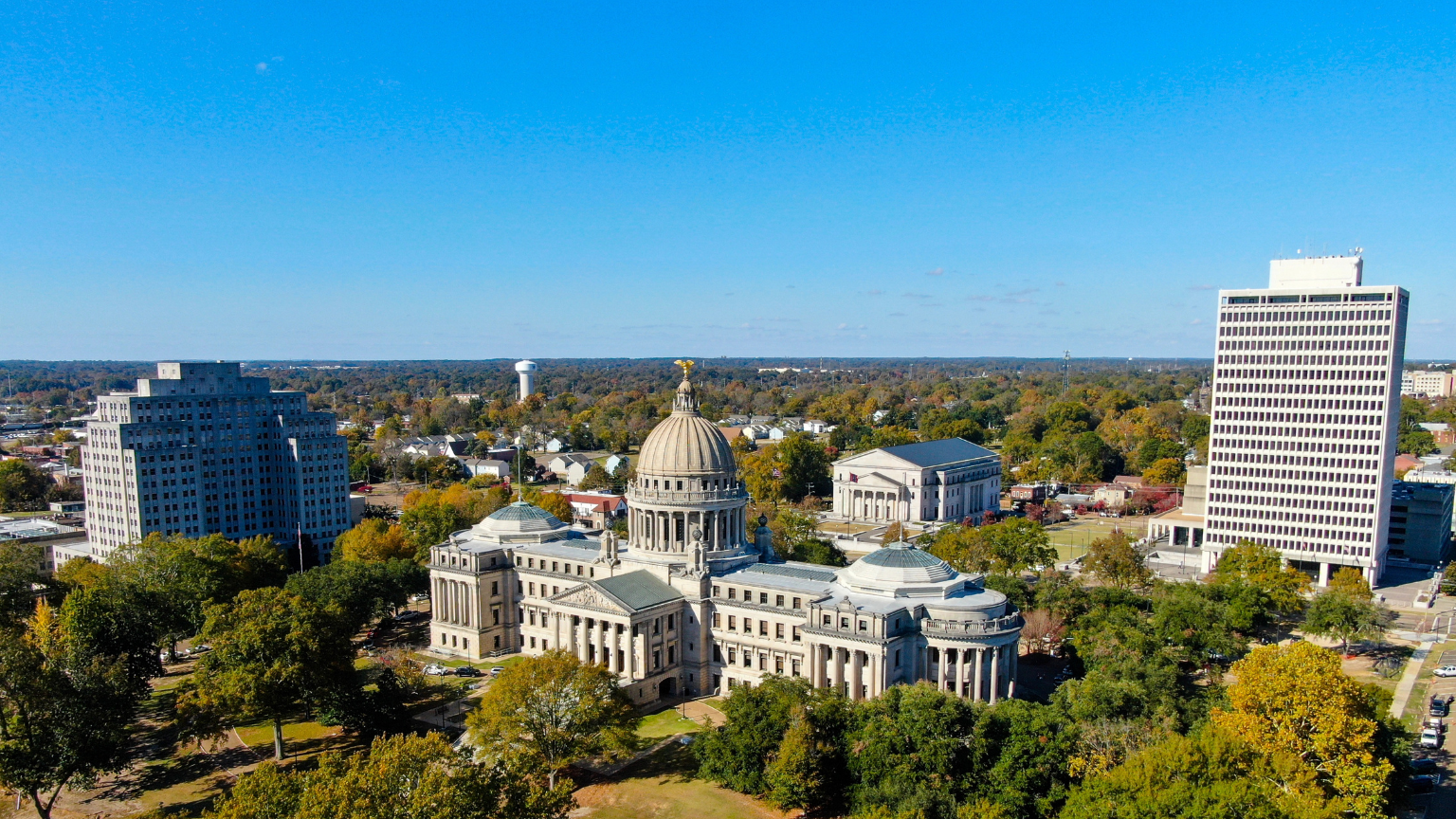
Mississippi shows up as an outbound state in multiple moving trend snapshots, often tied to economic opportunity and long-term stability. Many moves are driven by people seeking stronger job growth, higher wages, or more diverse career paths. Infrastructure and access to certain services can also influence relocation decisions, especially for families thinking about education and healthcare. Weather risk matters too, since storms and humidity can make some parts of the year feel tough, and recovery costs can add stress. None of this erases the state’s cultural richness, food, and music history, but it does explain why people often look elsewhere for their next chapter. In 2026, Mississippi outmigration tends to reflect a search for opportunity and resources more than a lack of pride in home.
This article was written by Hunter and edited with AI Assistance