

Gliding through security can set the tone for your whole trip, and a few airports make that part feel almost effortless. These hubs pair smart queue design with well trained staff, clear signage, and tech that speeds screening without stress. You will see CT scanners that reduce bag unpacking, family and fast track lanes that actually work, and real time staffing that matches peak waves. Transfers are easier thanks to dedicated routes and repack stations right after the belt. Most travelers clear with a standard buffer and end up with extra time for coffee rather than standing in a maze of stanchions. Here are the airports that consistently deliver a smooth, predictable start to your journey.
Copenhagen (CPH)

Security at Copenhagen feels calm because lines are managed proactively and checkpoints use modern hardware that speeds up bin flow and image review. The airport consistently ranks at or near the top for overall screening experience, which reflects short queues, smart queuing, and courteous staff. You will see clear signage that routes families, fast track, and standard passengers without confusion. Staff guide you before you reach the belt so you are ready once you get to the trays. Mornings move fast and mid afternoons are steady, so you rarely need more than a short buffer on ordinary travel days. If you like data driven operations, Copenhagen has leaned into real time turnarounds and resource optimization, which helps keep queues predictable.
Rome Fiumicino (FCO)

Fiumicino streamlined its checkpoints to match the newer terminals and it shows in smoother flow and fewer bottlenecks. Security staff direct passengers well before the scanners, and designated family lanes take pressure off general lines. The airport scores highly for security processing thanks to consistent wait times and well marked fast track areas. If you are connecting within Schengen, follow the transfer signs and you will reach a dedicated checkpoint that usually moves briskly. Early morning waves can be busy, but the layout absorbs demand better than in the past. Plan standard arrival timing and you will usually clear with time to spare.
Chubu Centrair Nagoya (NGO)

Centrair is known in Japan for orderly screening that rarely feels rushed. Queues are short because multiple checkpoints open in sync when flights bank. Instructions are simple and shown in several languages so you know exactly what to do as you approach the belt. Business travelers praise the staff for consistency, which keeps secondary checks low. If you are connecting domestically after an international arrival, wayfinding makes the recheck straightforward. Give yourself a normal buffer and expect a smooth experience.
Tokyo Haneda (HND)

Haneda’s screening is efficient at most hours thanks to excellent staffing and clear routing between domestic and international areas. The airport is regularly recognized for overall security quality, and most travelers move through quickly. Terminal 3 can experience congestion during peak holiday waves or late night long haul banks, so build in extra time for those windows. Outside those peaks the process is fast, with prep tables and staff ready to help. Families and first time visitors appreciate the calm approach at the lanes. If you are connecting, follow the transfer signs and you will be back airside with minimal stress.
Doha Hamad (DOH)

Hamad International’s checkpoints are spread intelligently across the terminal so crowds disperse rather than pile up. You will find ample staff near the queue entrances and plenty of trays, which keeps the line moving. The airport’s reputation for efficient processing reflects well run lanes and good signage that makes transfers simple even at odd hours. If you have lounge access, most lounges sit close to security exits, which shortens your walk. Families will appreciate designated assistance and clearly marked fast track options. Overall, screening here is one of the least stressful parts of the journey.
Bahrain (BAH)

Bahrain’s modern terminal was built with security flow in mind, and the difference is noticeable. Queues are short, lanes open quickly as banks of flights arrive, and staff keep the belt moving. Signage is straightforward and helps you separate into the correct lane early. Business travelers praise predictable screening times that make tight schedules workable. Families benefit from help at repacking stations just beyond the belt. Expect a quick, courteous experience on most days.
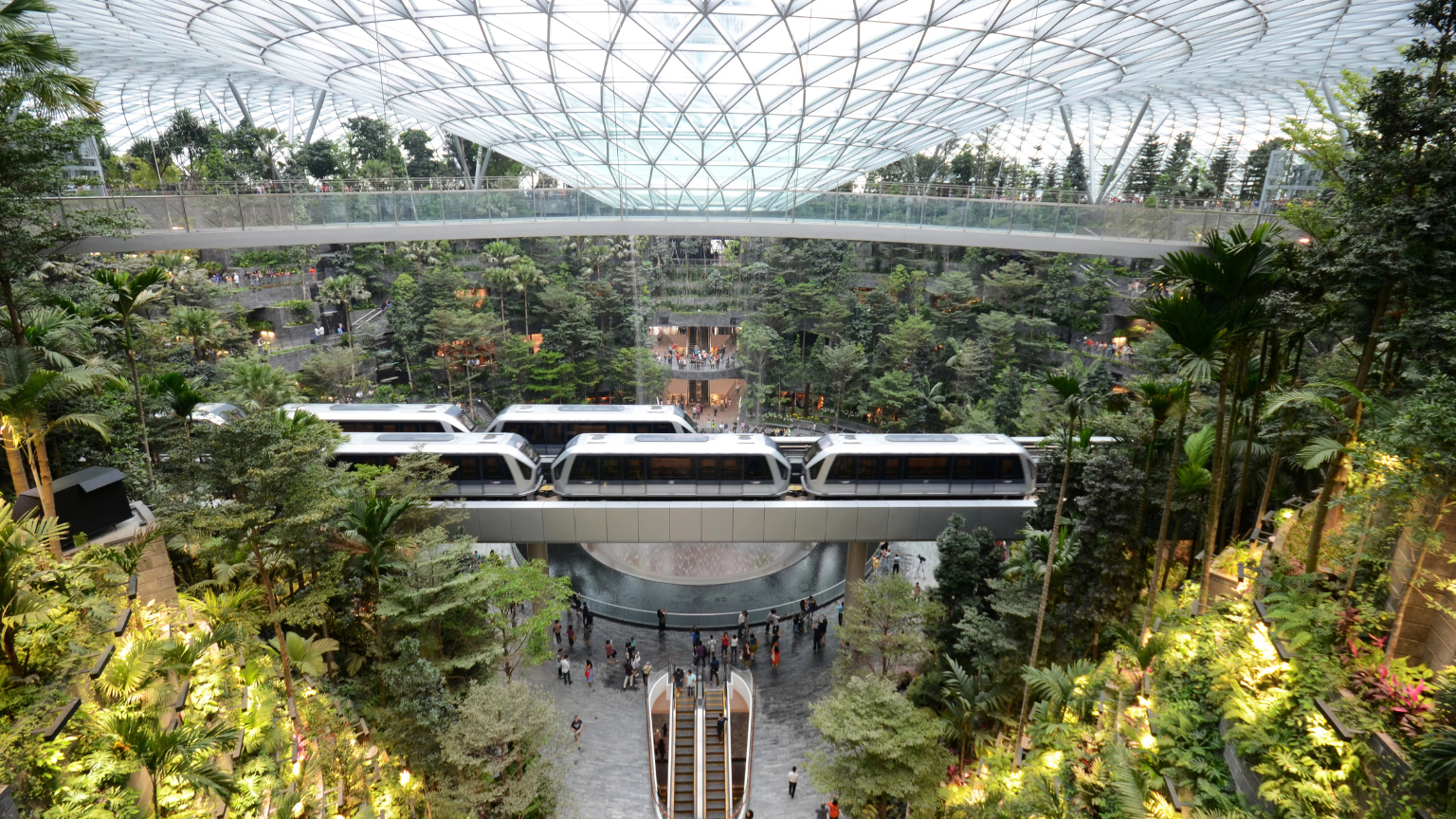
Singapore Changi (SIN)

Changi remains a standout because it continuously refines passenger flow and screening technology. Immigration is automated for many nationalities without pre enrollment, which reduces upstream congestion and keeps security areas calmer. Security itself is organized at the gate areas in several terminals, so you clear near your flight instead of joining one massive central queue. Staff are proactive about prep and repack, which shortens individual screening time. Even during busy hours, the combination of design and staffing keeps waits manageable. Plan an ordinary buffer and enjoy the predictability.
Zurich (ZRH)

Zurich’s reputation for smooth screening comes from methodical staffing and clear lane allocation. The airport is rolling out advanced CT scanners across many lanes to cut prep steps, a change aimed at faster throughput and fewer secondary checks. Some areas still use conventional lanes, but overall waits remain reasonable thanks to steady staffing. If you are transferring within Europe, follow the well marked signs for quick re screening. Morning banks are busiest, but late mornings and early afternoons are usually easy. Expect an organized, courteous process.
Tokyo Narita (NRT)

Narita handles large long haul banks by opening enough lanes to match demand and posting staff at key choke points. The airport is known for good queue design and clear multilingual guidance. Transfer passengers benefit from dedicated routes that avoid the main departure crowds. Families and groups will find prep tables and repack space directly after screening, which keeps lines moving. If you arrive during evening transpacific waves, add a small time cushion, but most of the day moves smoothly. It is a quietly efficient experience.
New York LaGuardia (LGA)

The rebuilt terminal complex transformed LaGuardia’s screening from a chore into a quick stop. Terminal B’s security uses modern tech and an intuitive layout that spreads passengers across multiple entry points. Clear wayfinding and fast track options reduce mixing between casual travelers and business flyers, which shortens waits for everyone. Morning banks are busy, but the new lanes process people faster than the old layout. If you fly from Terminal B, arrive with a standard buffer and you are likely to be at your gate ahead of schedule. Recognition for security quality is a reflection of the airport’s redesign and steady staffing.
Salt Lake City (SLC)

Salt Lake City consistently shows some of the shortest average security waits among major U.S. airports. The central checkpoint is large, with multiple PreCheck and standard lanes that scale up quickly during morning banks. Wayfinding is clear, and staff keep trays cycling so the belt rarely stalls. If you travel midweek afternoons, you may breeze through in minutes even during busy seasons. Families benefit from open repack space beyond the scanners. Build in a normal buffer and expect a quick pass to the concourse.
Chicago O’Hare (ORD)

O’Hare is a huge hub, but recent performance has shown competitive average wait times compared with other U.S. airports. The key is matching your checkpoint to your terminal and status since each has multiple options that flex with demand. Morning banks see steady traffic, yet lanes open well in advance, and signage directs you before you reach the belt. If you hold PreCheck, your experience is often faster than you expect at a hub of this size. Families will find staff stationed at problem points to keep things moving. For a major gateway, security here is smoother than its reputation suggests.
This article was written by Hunter and edited with AI Assistance