

Air travel in 2026 is still a mixed bag. Some airlines make flying feel smooth and predictable, while others leave travelers feeling nickel and dimed, stressed, or stuck when plans change. To be clear, any airline can deliver a great trip on the right route and day, and even the most loved carriers have off days. But patterns do show up, especially around fees, seat comfort, customer support, and how disruptions get handled. Below are airlines many travelers say they try to avoid because the experience can feel more frustrating than it is worth, followed by airlines people often trust when they want fewer surprises. Think of this as a practical guide for setting expectations before you book.
Spirit Airlines

Spirit is one of the first names many travelers mention when talking about airlines they avoid in 2026. The base fare can look amazing, but the final total often climbs once you add bags, seat selection, and other extras. That pricing structure is not automatically bad, but it can feel frustrating if you expect a traditional ticket experience. Many travelers also describe the in flight experience as very bare bones, which is fine for short flights but rough on longer ones. Customer support complaints tend to pop up most when flights get delayed or canceled, especially if rebooking options are limited. If you fly Spirit, it usually works best when you travel light, stay flexible, and treat it like a bus in the sky. If you need predictability, people often choose a different airline.
Frontier Airlines

Frontier has a similar reputation to Spirit, and many travelers avoid it for the same reasons. The fare can be attractive, but fees for carry ons, checked bags, and seat choices can change the deal quickly. Travelers who do not read the rules closely sometimes feel surprised at the airport, which creates stress before the trip even starts. Another common complaint is that certain routes do not have many backup options if something goes wrong. That matters because if a flight cancels, the next available departure may not be soon. The onboard experience is simple, which is fine if you are prepared for it. Frontier tends to work best for short, nonstop trips when you can travel with a personal item only.
Allegiant Air

Allegiant is known for serving smaller airports and leisure focused routes, which can be convenient and affordable. The reason some travelers avoid it is that the network can feel thin in a disruption, so rebooking choices may be limited. If your flight gets moved or canceled, you might not have multiple same day alternatives. Allegiant also leans heavily on add on revenue, so extras can add up quickly if you need bags and specific seats. Many travelers say it is best when you treat it like a direct, simple hop and avoid tight schedules on the other end. If you have a wedding, cruise, or important meeting, some travelers choose a bigger network airline instead. The experience can be fine, but the margin for error is smaller.
Ryanair

Ryanair is one of Europe’s best known budget airlines, and it can be a great deal when you follow the rules closely. The reason many travelers avoid it in 2026 is that the system is strict, and small mistakes can be expensive. Baggage sizing, boarding timing, and add ons can turn a cheap ticket into a stressful airport experience. Some travelers also describe the tone of the experience as more transactional than friendly. That is not a deal breaker for everyone, but it can feel harsh if you are used to more flexible policies. The flights are often short, which helps, but disruption handling can still be frustrating if your route has limited frequency. If you choose Ryanair, travelers recommend reading every rule and paying for exactly what you need up front.
Wizz Air

Wizz Air has expanded aggressively in parts of Europe, and it can be convenient for certain city pairs. Travelers who avoid it often mention similar issues to other budget carriers, including strict baggage enforcement and lots of paid add ons. Some flyers also report that schedule changes can happen, which makes planning more stressful if you booked far in advance. The onboard experience is typically basic, so comfort can be a challenge if you are tall or flying during a busy period. If something goes wrong, support experiences can feel inconsistent depending on the route and situation. None of this means you cannot have a good trip, but it does mean you should book with flexibility. Many travelers prefer a slightly more expensive airline when timing matters.
Vueling

Vueling is popular for Spain and nearby routes, but some travelers avoid it because reliability and service can feel uneven. People often describe it as fine when everything runs smoothly, and frustrating when it does not. Baggage rules and seat fees can also push the total cost higher than expected. Another issue is that short haul European routes can get crowded and rushed, which makes the experience feel less comfortable. Travelers who like to keep things simple sometimes pick a different airline to reduce the chance of last minute stress. If you do use Vueling, it helps to pack light, arrive early, and avoid tight connections. Many flyers still use it for convenience, but they do so with realistic expectations.
easyJet

easyJet is a major player in Europe, and plenty of people fly it without problems. Still, some travelers avoid it because the experience can feel inconsistent across routes and airports. Like other budget airlines, you can expect extra charges for bags and seat choices, and those can change the value quickly. Crowds and boarding logistics can also feel hectic during peak travel seasons. When disruptions happen, travelers sometimes report that rebooking can be stressful if flights are full. The airline can be great for a simple city break when you pack light and stay flexible. If you want a more relaxed experience, many travelers choose a full service carrier instead.
AirAsia

AirAsia is a giant in parts of Asia, and it can be an incredible value for short flights. Some travelers avoid it in 2026 because the low fare model can feel unforgiving when plans change. Add ons for bags, seats, and meals can turn the checkout process into a long list of decisions. People also mention that customer service can be challenging during major disruptions, especially when demand spikes. The in flight experience is usually straightforward, which can be fine for a short hop but tiring for longer routes. AirAsia tends to be best when you treat it like a simple transport tool and plan buffers into your schedule. If you need a smoother experience, travelers often pay more for a carrier with more built in support.
Scoot

Scoot is often used for budget minded travel in the Asia Pacific region, including longer flights where comfort matters more. Travelers who avoid it usually do so because the add on structure can make the price less predictable. Seats, bags, meals, and even small comfort upgrades can add up quickly. On longer routes, a bare bones cabin experience can feel tough if you are sensitive to space and noise. People also tend to worry about disruption handling when flights are full and options are limited. None of this means Scoot cannot be a smart deal, but it does require planning. Travelers who want a more traditional long haul experience often choose a full service airline instead.
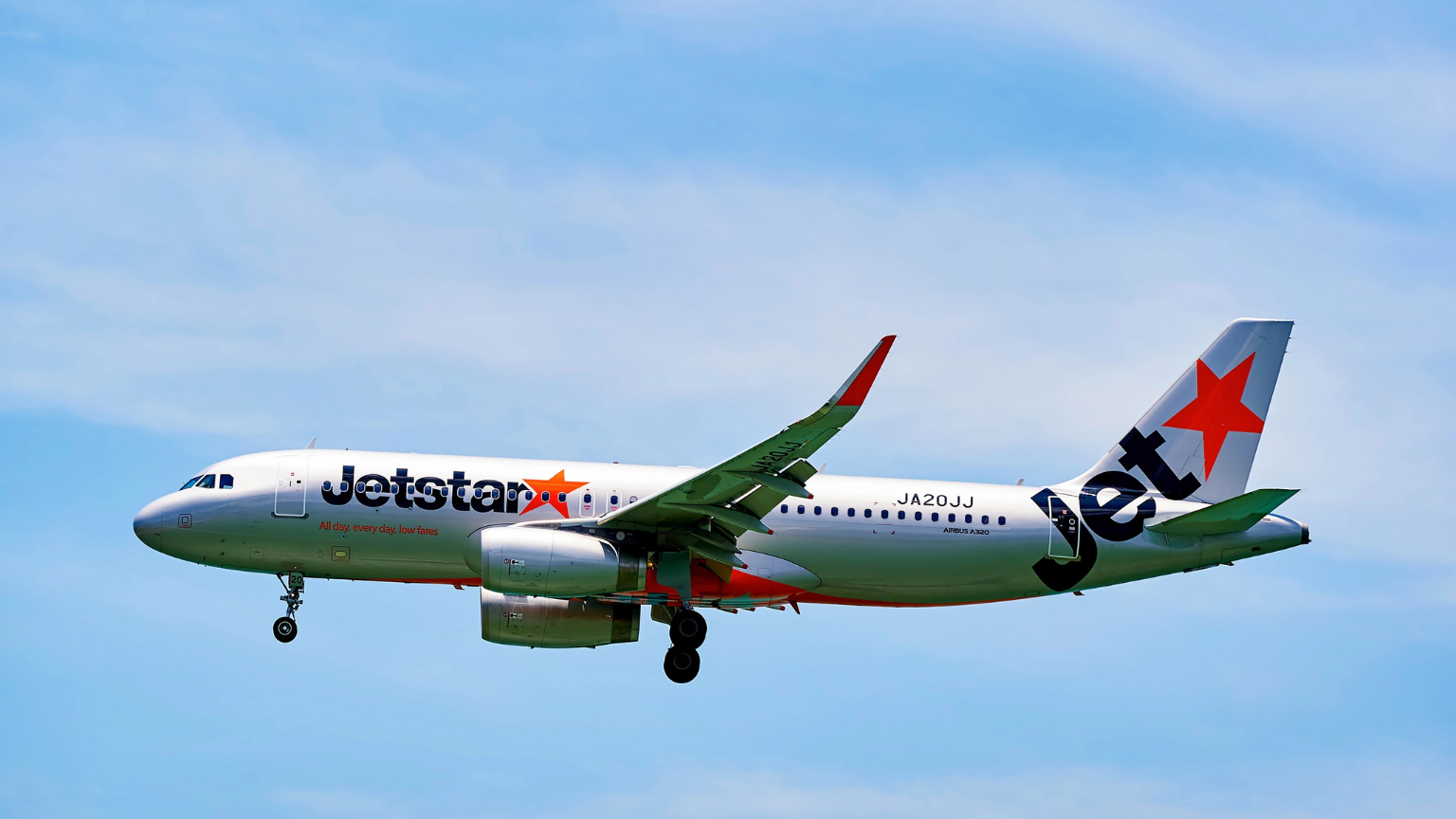
Jetstar

Jetstar can be convenient for Australia and regional routes, and many people use it regularly. Travelers who avoid it often cite the usual budget airline pain points, including strict baggage rules and added fees. If you are not careful, the final cost can look closer to a full service fare without the same comfort. Some flyers also mention that irregular operations can be frustrating because rebooking choices may not be as plentiful as larger networks. The onboard experience is simple, which is fine for a quick flight but less fun when delays stack up. Jetstar often works best for travelers who pack light and stay flexible. If your plans are tight, people sometimes choose a different airline for peace of mind.
Volaris

Volaris is a major low fare airline in Mexico and nearby markets, and it can be a good option for the right trip. Travelers who avoid it often talk about fees, especially if you need bags or want to choose your seat. The experience can feel very rules based, which is not a problem if you plan for it, but stressful if you do not. Some passengers also report that support can be slow during disruption periods. On busy routes, the overall process can feel crowded and rushed. Many travelers say it works best for simple nonstop flights with light packing. If you want a smoother service experience, some people prefer a more full service carrier.
Viva Aerobus

Viva Aerobus is another ultra budget option that can look like a steal at first glance. Travelers who avoid it usually do so because the all in cost can rise once you add baggage and other necessities. People also mention that flight schedules on some routes can be limited, which matters if you need flexibility. If something changes, you might not have many same day options. The cabin experience is typically basic, and comfort can feel limited if you are tall or on a longer segment. It can still be a smart choice if you are traveling light and you have buffer time. Many travelers book it for price, but they do so with a very realistic mindset.
This article was written by Hunter and edited with AI Assistance