

Tourism is the heartbeat of many American cities, but 2025 has brought unexpected challenges. A perfect storm of global travel warnings, new visa fees, and shifting policies has led to a sharp drop in international visitors, hitting jobs in hotels, restaurants, and attractions hard. With the national unemployment rate at 4.2%, some cities are seeing their tourism sectors climb much higher.
1. Las Vegas, NV

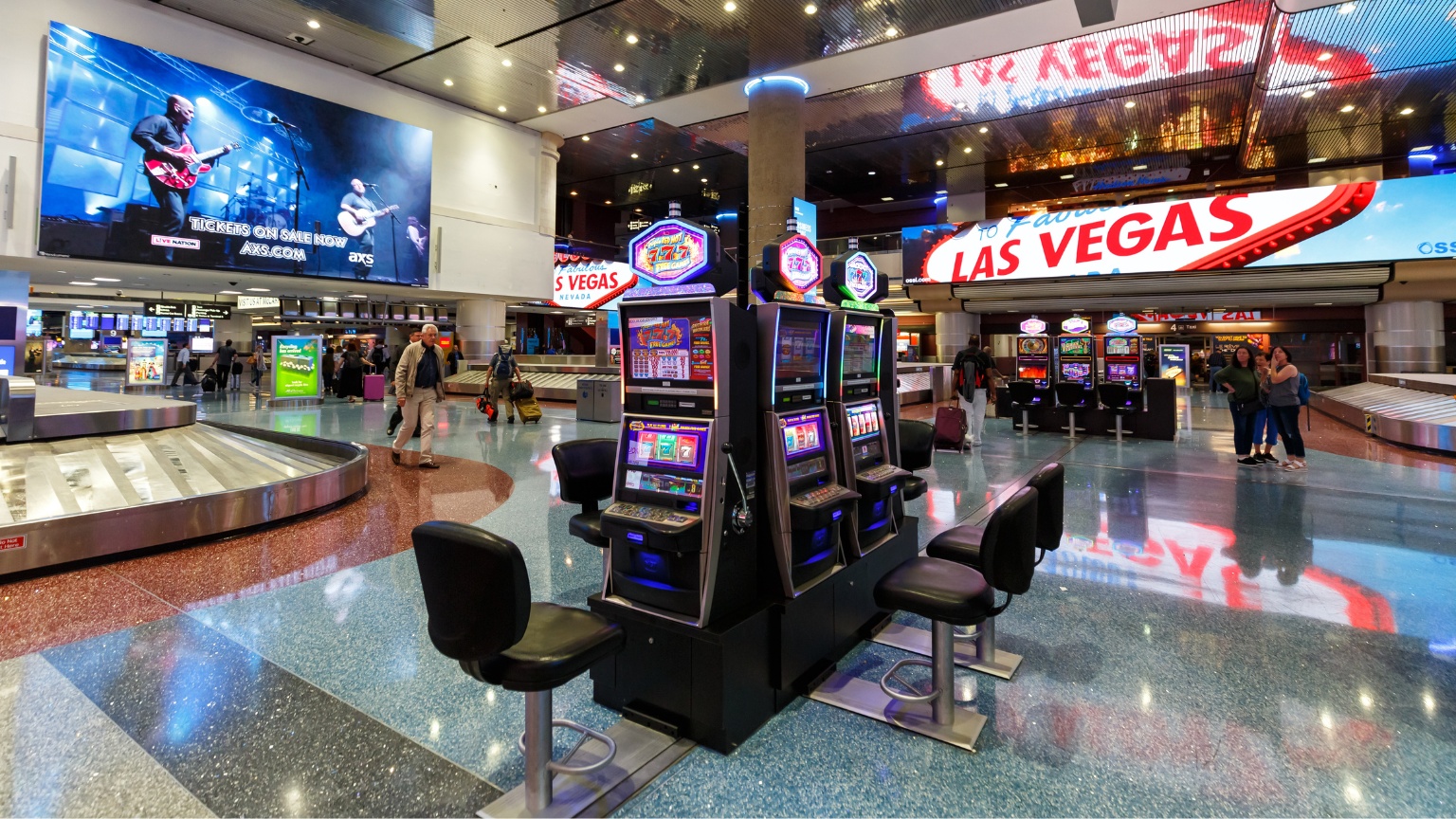
Las Vegas lives and breathes tourism, but it’s struggling in 2025. The city’s tourism unemployment rate hits 6.8%, way above the national average. An 8% drop in visitors, especially Canadians spooked by new visa fees, has casinos and hotels slashing jobs. Convention bookings are down, leaving servers and dealers in a bind. The city’s betting on domestic travelers to spark a rebound.
Casinos, usually buzzing, feel quieter with fewer players. Shows and restaurants are cutting shifts to stay afloat. The Las Vegas Convention Authority is pushing hard with new ad campaigns. Some workers are turning to gig jobs or leaving town. Families and retirees are feeling the economic ripple effect.
2. Washington, DC

Washington, DC, is hurting with a 6.0% unemployment rate in tourism. Federal job cuts and a 15% drop in international visitors, thanks to travel advisories, are hitting hard. Museums along the National Mall and nearby hotels are seeing fewer guests. Tour guides and hospitality workers struggle to find steady work. The city’s pitching deals to lure domestic travelers.
Iconic spots like the Smithsonian feel emptier without foreign crowds. Many workers are picking up retail or delivery gigs. Tourism boards are leaning on digital ads to boost visits. High living costs make switching careers tough. A recovery might take years without policy changes.
3. Los Angeles, CA

Los Angeles is facing a 5.7% tourism unemployment rate. Wildfires and visa delays have cut international visitors by 9%, slowing Hollywood tours and beachfront hotels. Van tour operators report nearly half their revenue gone. The city’s fighting back with marketing to clear up safety concerns. Domestic travelers are picking up some slack.
Film studios still draw fans, but not like before. Waiters and guides are turning to side hustles to get by. Tourism boards are pushing for federal aid to help. Budget-conscious visitors are replacing big-spending foreigners. LA’s hoping for a stronger rebound by 2027.
4. New York City, NY

New York City’s tourism sector is reeling with a 5.5% unemployment rate. A 17% drop in international visitors, driven by a $250 visa fee and strict policies, has cost billions in spending. Broadway shows and hotels are laying off staff to survive. The city’s rolling out off-season deals to keep rooms filled. Local campaigns aim to bring back the buzz.
Times Square feels less crowded without global tourists. Workers are shifting to jobs like delivery to make ends meet. Tourism boards are doubling down on social media ads. Sky-high rents make pivoting tough for many. Retirees are steering clear, hurting small businesses.
5. Seattle, WA

Seattle’s tourism unemployment sits at 5.4%, fueled by a 26.9% drop in Canadian visitors. Trade tensions and tariffs are keeping cross-border travelers away. Hotels near Pike Place Market and cruise ship jobs are taking hits. The city’s pushing hard to attract US travelers. Marketing campaigns highlight local charm to fill the gap.
Restaurants and coffee shops are cutting hours. Some workers are moving to find better opportunities. Tourism boards are promoting tech jobs as a fallback. Budget limits are slowing recovery plans. Community groups are stepping up to support displaced workers.
6. Miami, FL

Miami’s tourism jobs face a 5.3% unemployment rate. A 9% dip in international visitors, especially from Canada, is straining beachfront hotels and restaurants. New visa fees and global perceptions aren’t helping. Businesses are cutting staff to stay open. The city’s targeting domestic travelers with fresh promotions.
Cruise lines and nightlife spots are quieter than usual. Workers are picking up gig economy roles to cope. Tourism leaders are seeking more funding to rebound. High rents push some to relocate. A global travel recovery is key for Miami’s comeback.
7. San Francisco, CA

San Francisco’s tourism sector is at a 5.2% unemployment rate. A 9% drop in visitors, tied to visa delays and safety worries, has hurt Golden Gate attractions and hotels. Tech layoffs are adding extra pressure on local jobs. The city’s pitching to convention planners to boost bookings. Marketing campaigns fight negative headlines.
Tour guides and restaurant staff are struggling most. Many are looking for work in nearby areas. Tourism boards are working to shift perceptions. The city’s high costs make career changes tough. A full recovery might not hit until 2028.
8. Orlando, FL

Orlando’s dealing with a 5.1% tourism unemployment rate. Theme parks like Disney and Universal are seeing fewer international guests, down 8% due to travel warnings and a strong dollar. Ride operators and hotel workers face shorter shifts. The city’s leaning on regional visitors to fill the gap. Marketing pushes budget-friendly park deals.
Families keep coming, but they’re spending less. Workers are taking seasonal retail jobs to get by. Tourism boards are lobbying for tax breaks. High park prices are turning some travelers away. Orlando’s eyeing 2027 for a stronger recovery.
9. Honolulu, HI

Honolulu’s tourism unemployment is at 5.0%. A drop in Asian visitors, paired with new visa fees, is hitting resorts hard. Travel advisories aren’t helping either. Hotel and tour guide jobs are seeing cuts. The city’s promoting eco-tourism to draw new crowds.
Beaches are still a draw, but crowds are thinner. Workers are shifting to service jobs to stay afloat. Marketing campaigns target mainland US travelers. High living costs make it tough for displaced staff. A rebound could take until 2027.
10. Detroit, MI

Detroit’s tourism unemployment hits 4.9%, worsened by a 17.3% drop in Canadian visitors. Border tensions are keeping travelers away, hurting hotels and restaurants near cultural sites. Auto industry layoffs add more strain. The city’s pushing local festivals to create jobs. Marketing focuses on Midwest travelers.
Museums and attractions see fewer out-of-state guests. Workers are turning to manufacturing or gig roles. Tourism campaigns aim to boost local interest. Recovery feels slow for many in the city. Community programs are helping retrain workers for new paths.
This article was written by Will and edited with AI assistance.