

Tourism can be both a blessing and a burden for small towns. While some communities depend on visitors to sustain local economies and preserve heritage, others are struggling with rising housing costs, overcrowded streets, and the erosion of everyday life. Here's a look at 10 small towns where tourism is creating tension—and 10 where it’s helping the community flourish.
1. Jackson, Wyoming – Hurting

Jackson is a picturesque mountain town that has seen an explosion in luxury tourism, vacation rentals, and second homes. While visitors flock to enjoy nearby Grand Teton and Yellowstone, local workers are increasingly priced out of housing. The gap between tourism dollars and everyday affordability has created growing resentment. Traffic, restaurant shortages, and inflated real estate are now routine concerns. Despite its natural beauty, Jackson is becoming less livable for year-round residents.
2. Bar Harbor, Maine – Hurting

This coastal town near Acadia National Park now receives more cruise ships than many large ports. Residents complain of summer gridlock, crowded sidewalks, and rental properties pushing locals out. Seasonal businesses flourish, but many locals struggle to find affordable year-round jobs or housing. The town has debated tourism limits, and tensions continue to rise. What was once a quiet retreat is now a hotspot overwhelmed by seasonal spikes.
3. Sedona, Arizona – Hurting

Sedona's stunning red rock scenery draws millions annually, but its infrastructure hasn’t kept up. Traffic congestion, trail overuse, and housing shortages are major issues. Short-term rentals dominate entire neighborhoods, pricing out teachers and service workers. While tourism is the economic backbone, many locals feel they're being pushed aside. The balance between spiritual retreat and Instagram hotspot is tipping unfavorably.
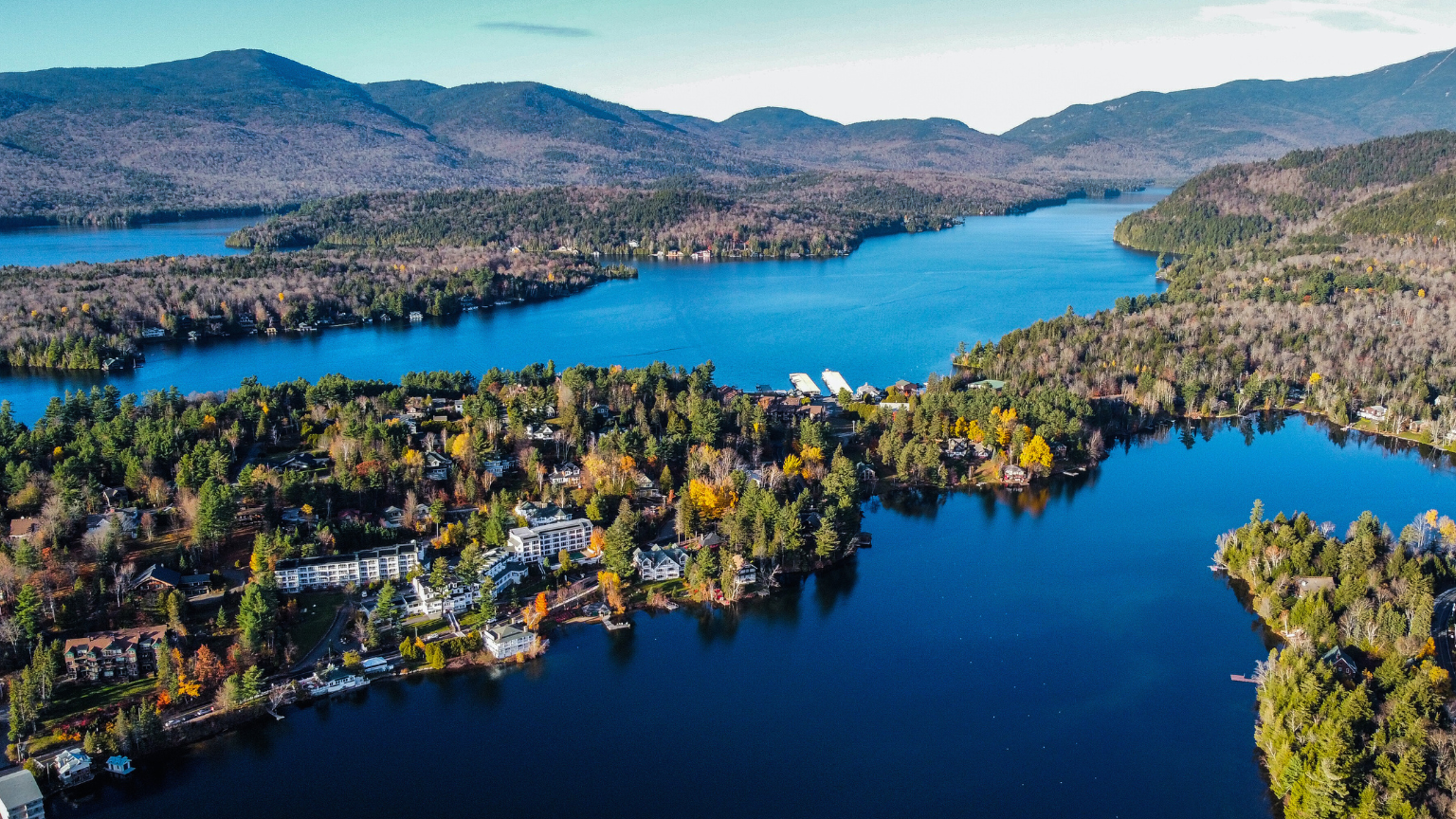
4. Lake Placid, New York – Hurting

This Olympic village is feeling the strain of overtourism. Airbnb growth has led to housing scarcity for full-time residents, especially those working in hospitality. Main Street gets packed with visitors during peak seasons, making everyday errands a challenge. Though the town relies on tourists, more locals are questioning whether it's sustainable. Winter events and festivals now come with as many headaches as benefits.
5. Lahaina, Maui, Hawaii – Hurting

Before the 2023 fires, Lahaina was already dealing with the consequences of excessive tourism: clogged roads, overbooked beaches, and displaced residents. The tragedy sparked a conversation about tourism’s role in local suffering. Now, with the town rebuilding, many residents feel reopening too soon benefits tourists more than locals. The situation highlights how unchecked travel can compound disaster recovery challenges.
6. Moab, Utah – Hurting

Moab’s access to Arches and Canyonlands makes it a prime destination for adventure seekers—but the small town is buckling under the weight of tourism. Noise complaints, trail erosion, and short-term rental growth have altered the town’s rhythm. Residents face rising prices, fewer affordable rentals, and limited access to what were once local trails. Moab’s charm remains, but its community is struggling to hold on.
7. Telluride, Colorado – Hurting

This once-quiet mining town turned luxury ski resort has become a cautionary tale of gentrification. Tourists, second-home buyers, and festivals have driven up housing prices far beyond local incomes. Many service workers now commute from hours away, and the town’s character has shifted. While Telluride thrives financially, its year-round population is shrinking. Tourism's success is coming at a local cost.
8. Joshua Tree, California – Hurting

Tourism to this desert town spiked with the rise of Instagram culture and Airbnb stays. As more city dwellers flocked in for weekend getaways, locals were left with vanishing housing and crowded parks. The strain on water and waste infrastructure has also grown. While tourism dollars help some, many longtime residents feel like visitors in their own town. The area’s peace and affordability are fading fast.
9. Asheville, North Carolina – Hurting

Asheville’s artsy, small-town appeal has drawn in waves of tourism and remote workers. Housing costs have skyrocketed, pushing out locals and changing the town’s culture. While breweries and restaurants are booming, many are owned by out-of-town investors. Locals express concerns over losing the authenticity that once defined Asheville. Tourism fuels growth—but not always for the people who built the town.
10. South Lake Tahoe, California – Hurting

Once a laid-back mountain escape, South Lake Tahoe now sees crowds year-round, thanks in part to short-term rentals and social media exposure. Traffic snarls, fire risk concerns, and housing shortages have led to tighter restrictions—but not before locals felt the pressure. The cost of living has climbed dramatically, and community frustration is evident. Tourism, once welcome, now feels like a burden to many.
11. Galena, Illinois – Thriving

Galena embraces tourism as a cornerstone of its local economy. This well-preserved 19th-century town offers historic homes, boutique shops, and charming bed-and-breakfasts. Visitors bring in crucial revenue that supports small businesses and preservation efforts. Locals work together to ensure tourism is well-managed and benefits the community. In Galena, tourism enhances both history and livelihood.
12. Fredericksburg, Texas – Thriving

Nestled in the Hill Country, Fredericksburg has mastered the balance between charm and commerce. The wine industry, German heritage, and art galleries attract consistent visitors who help sustain local shops and jobs. Many family-run businesses flourish because of steady tourism, and the town has resisted overdevelopment. Residents remain proud of their identity—and the support tourism provides.
13. Cooperstown, New York – Thriving

While best known for the Baseball Hall of Fame, Cooperstown also thrives on lake tourism and summer events. The town benefits from seasonal visitors while keeping its small-town feel intact. Tourism supports local inns, eateries, and cultural events year after year. With effective planning, the community has welcomed visitors without losing itself. For Cooperstown, it’s a home run.
14. Hood River, Oregon – Thriving

Hood River has leveraged its natural beauty and outdoor sports to develop a robust tourism industry that coexists with agriculture. Local farms, breweries, and shops benefit from visitors without being overrun. Zoning and preservation efforts help maintain quality of life for residents. The town has become a model for small-town tourism done right. Locals see tourism as an asset, not a threat.
15. Eureka Springs, Arkansas – Thriving

This quirky Ozark town thrives on its unique blend of Victorian architecture and creative energy. Tourism fuels the local economy, supporting artists, festivals, and family-run inns. Residents work to preserve the town’s distinct identity while welcoming curious travelers. With thoughtful planning and community engagement, tourism is a shared success story here. Visitors help keep the town vibrant year-round.
16. Beaufort, South Carolina – Thriving

Beaufort's tourism supports its historic preservation, culinary scene, and waterfront culture. Guided tours and festivals celebrate the town’s Gullah heritage, and locals often participate in hosting. Tourism has brought investment in infrastructure and education programs, benefitting everyone. The community’s charm is enriched—not diminished—by visitors. It’s a rare Southern town where tourism uplifts the locals.
17. Stowe, Vermont – Thriving

Stowe enjoys year-round tourism from ski season to fall foliage, and locals are actively involved in shaping the visitor experience. The community benefits from taxes that fund public services, trails, and conservation. Small businesses cater to tourists and locals alike. Tourism doesn’t overwhelm but rather supports the character of the town. Stowe maintains its scenic charm with help from a healthy tourism economy.
18. Taos, New Mexico – Thriving

Tourism in Taos supports indigenous arts, heritage sites, and eco-tourism initiatives. The Taos Pueblo, a UNESCO site, welcomes respectful visitors who help preserve Native culture. Local artisans and guides benefit from the tourist economy, which in turn funds restoration and education. Responsible travel is encouraged, and the community is deeply involved. Taos thrives by sharing its story—not selling it out.
19. Traverse City, Michigan – Thriving

Known for its cherries and summer shoreline, Traverse City thrives on seasonal tourism that supports farms, wineries, and festivals. Locals see tourism as a driver for jobs and small business sustainability. Events like the Cherry Festival attract visitors without overwhelming infrastructure. Smart zoning and community planning help keep tourism in balance. Residents benefit from the same amenities tourists enjoy.
20. Fairhope, Alabama – Thriving

Fairhope has seen a steady rise in visitors thanks to its coastal beauty and charming downtown, but it remains community-first. Tourism boosts local art galleries, cafés, and walking tours that reflect its unique culture. City leaders work with residents to maintain public access and protect shoreline habitats. The result is a town that welcomes guests while preserving its soul. Tourism is not just tolerated—it’s celebrated.
This article was written by Hunter and edited with AI Assistance